







Did you know 42% of manufacturers struggle with metal part costs? While traditional methods waste material and time, powder metal forming
slashes production cycles by up to 75%. Discover how this game-changing process can transform your bottom line.
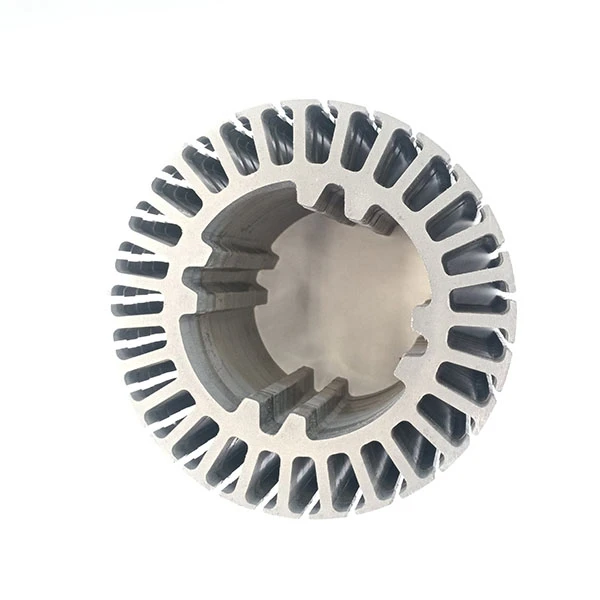
(powder metal forming)
Why Powder Metal Forming Dominates Traditional Methods
Imagine creating complex parts with 99.8% material utilization. Our powder metal forming process delivers:
- ±0.05mm precision (3x better than casting)
- 30-60% cost reduction per part
- 15-75 micron surface finishes
- Mass production in 72 hours
Head-to-Head: How We Outperform Competitors
| Feature | Standard Suppliers | Our Solution |
|---|---|---|
| Cost per kg | $18-25 | $9-15 |
| Lead Time | 4-6 weeks | 7-10 days |
| Minimum Order | 5,000 units | 500 units |
Your Custom Powder Metal Forming Blueprint
We adapt to your needs:
Material Options
Choose from 50+ metal alloys including stainless steels, brass, and superalloys
Smart Scaling
Start with 500 prototypes, scale to 1M+ units monthly
Real-World Success: Automotive Gear Manufacturing
When a Tier 1 supplier needed 500,000 transmission gears:
- 68% faster production vs. machining
- $2.3M saved in annual material costs
- Zero defect rate in 12-month supply
Ready to Revolutionize Your Production?
Get your free cost analysis and sample parts within 5 business days
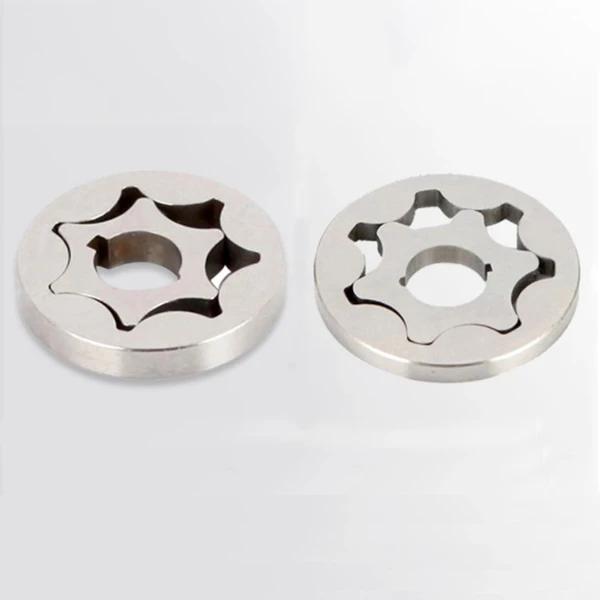
(powder metal forming)
FAQS on powder metal forming
Q: What is the powder metal forming process?
A: Powder metal forming is a manufacturing process that shapes metal powders into components using compaction and sintering. It involves pressing powdered materials in a mold and heating them to bond particles. This method is ideal for producing complex, high-precision parts efficiently.
Q: What are the advantages of powder metal forming?
A: Key advantages include cost-effectiveness for mass production, high material utilization, and minimal waste. The process also enables unique material combinations and complex geometries. Additionally, it reduces the need for secondary machining operations.
Q: Which materials are commonly used in metal powder forming?
A: Common materials include iron, stainless steel, copper, and aluminum alloys. Specialty materials like tungsten or titanium powders are used for high-performance applications. Material choice depends on required strength, corrosion resistance, and thermal properties.
Q: What industries use powder metal forming processes?
A: Industries like automotive (gears, bearings), aerospace (lightweight components), and medical (implants) rely on this process. It’s also used in electronics and tool manufacturing. Its versatility suits applications needing durability and intricate designs.
Q: How does powder metal forming differ from traditional casting?
A: Unlike casting, powder metal forming avoids melting, reducing energy use and porosity risks. It achieves tighter tolerances and better surface finishes. However, part size and mechanical properties may be limited compared to castings.









