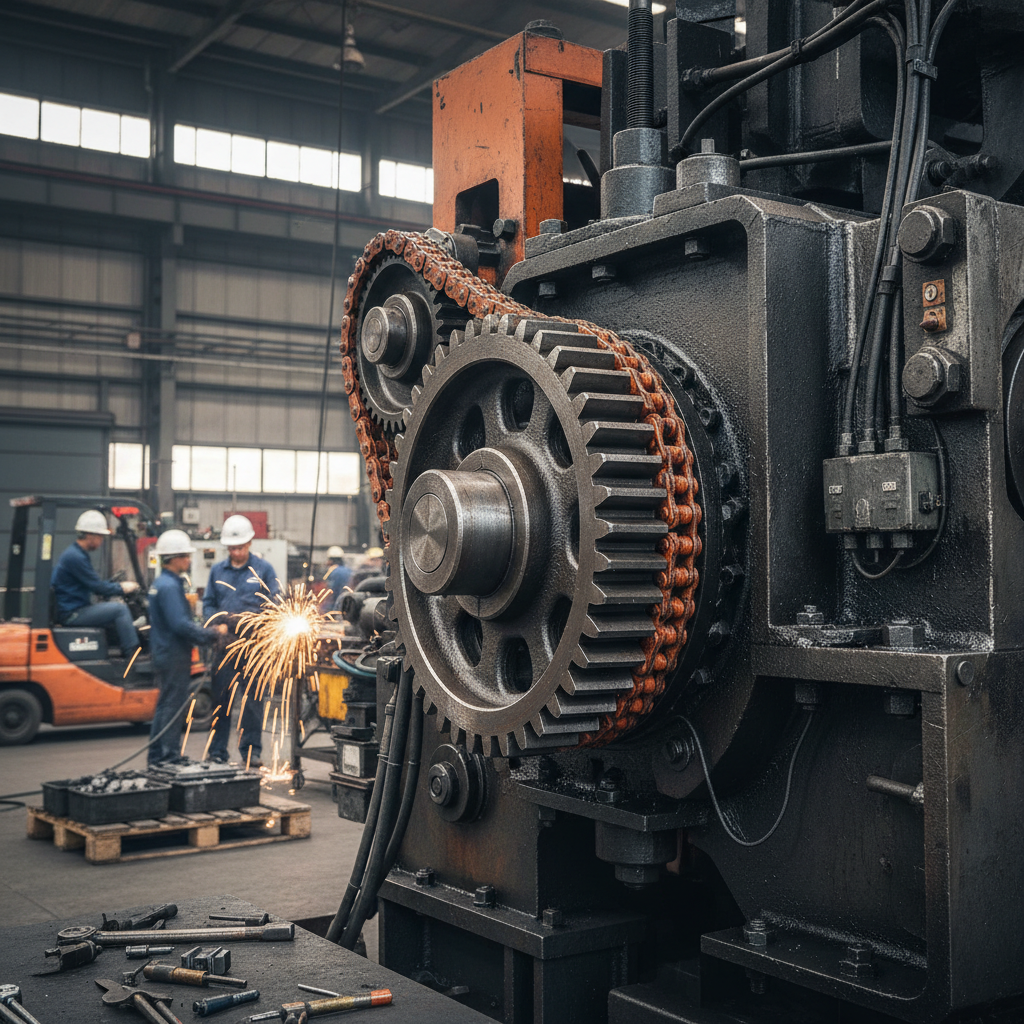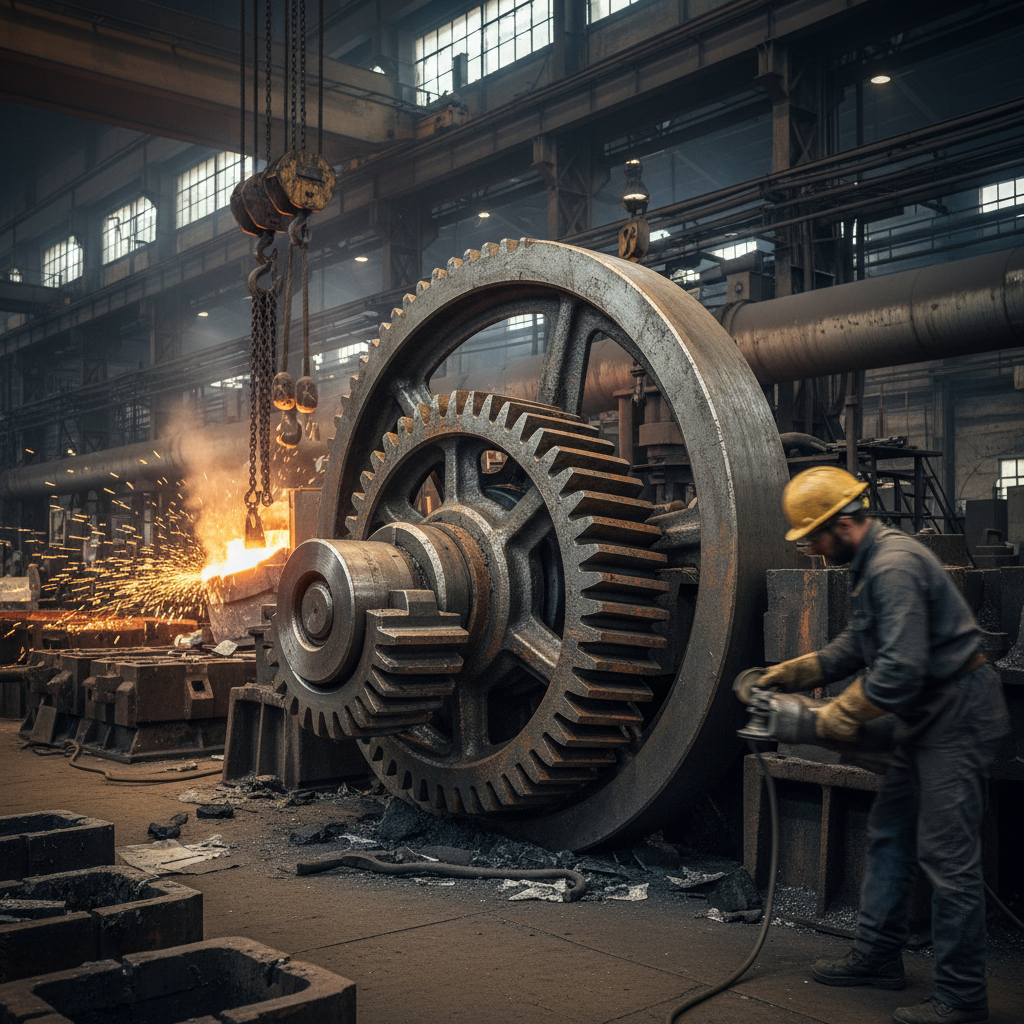





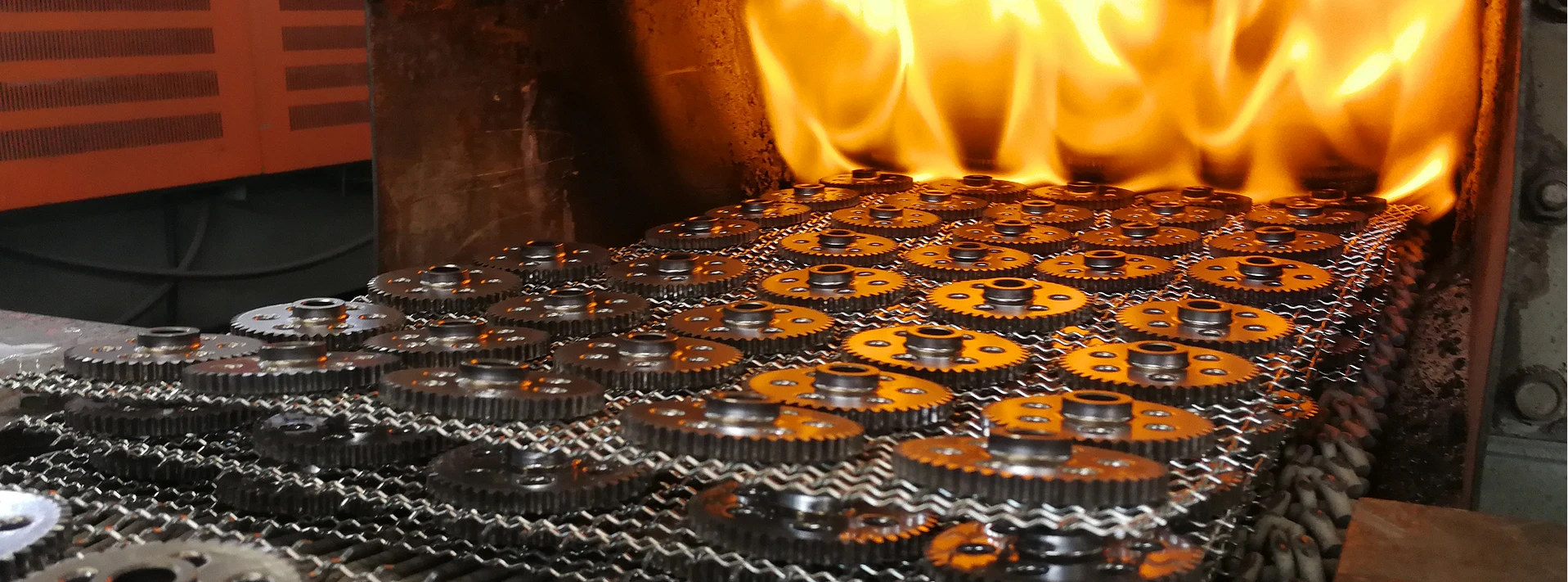
You’re losing $18,500 monthly on inefficient metal components. Traditional machining wastes 40% material. Scrap rates climb while deadlines slip. What if you could slash production costs by 30% while boosting output? The global powder metallurgy market hit $8.5 billion in 2023, growing at 6.2% annually. Leaders like you are switching – here’s why.
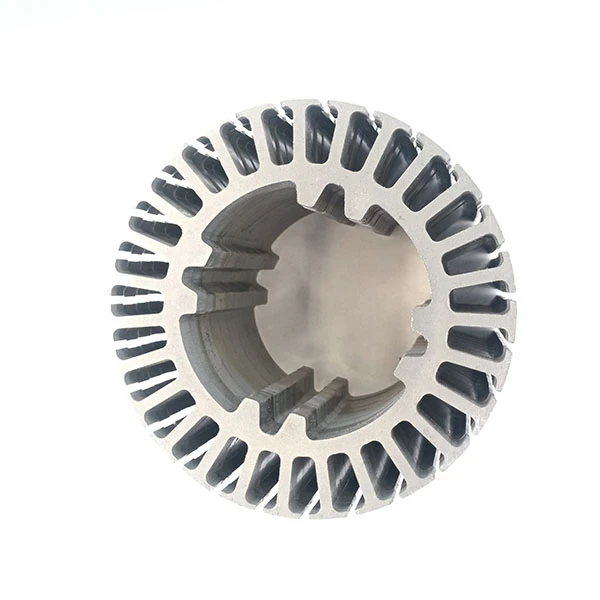
(powder metal products)
Precision Engineered for Peak Performance
Powder metallurgy products deliver 99.7% material utilization. Our ISO 9001-certified process creates components with:
- ✔ ±0.001" dimensional tolerance
- ✔ 1500 MPa tensile strength
- ✔ 85% faster production vs CNC
How We Outperform Traditional Suppliers
| Feature | Us | Competitor A |
|---|---|---|
| Lead Time | 10-14 days | 28+ days |
| Cost per Unit | $3.20 | $4.75 |
Your Custom Solutions Built Fast
We’ve produced 12,000+ unique part geometries. Our 45-second quote system handles:
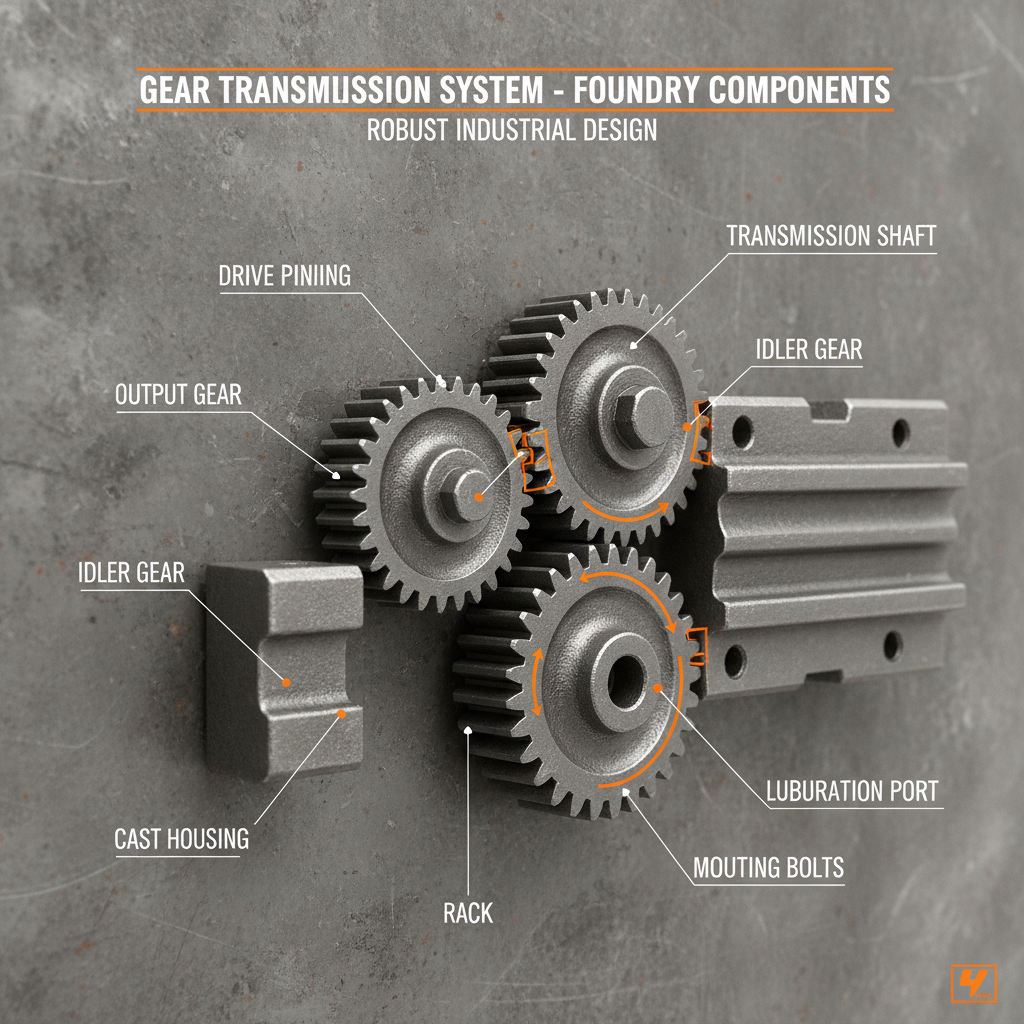
Complex Gears
0.5-120mm module
Density: 7.2 g/cm³
Bushings
Oil-impregnated
±0.0005" tolerance
Proven Success Across Industries
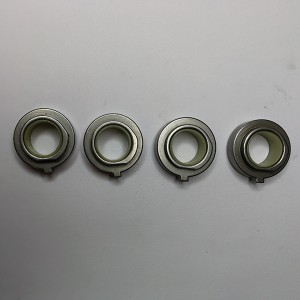
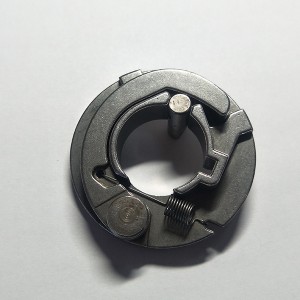
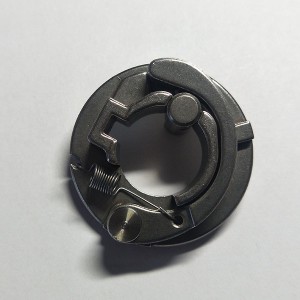
Our powder metal products
power:
- 🚗 8M+ automotive parts/year
- ⚡ 92% energy reduction vs forging
- 🔧 60% lighter aerospace components
Ready to Transform Your Production?
Join 1,200+ manufacturers who saved $41M last year. Get your custom quote in 45 seconds.
Claim Your Free Consultation Now →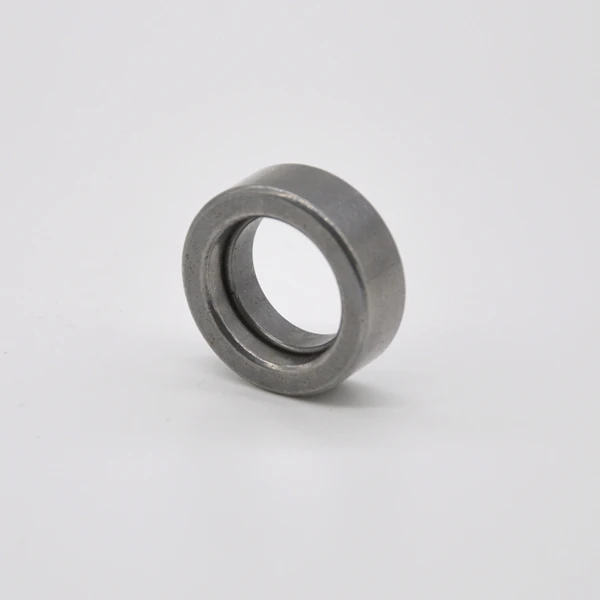
(powder metal products)
FAQS on powder metal products
Q: What are the main advantages of powder metal products?
A: Powder metal products offer high precision, material efficiency, and complex shape capabilities. They reduce waste and are cost-effective for mass production. Their properties can be tailored through alloy composition and sintering processes.
Q: What industries commonly use powder metallurgy products?
A: Automotive, aerospace, medical, and industrial equipment sectors rely on powder metallurgy products. Common applications include gears, bearings, filters, and structural components. Their durability and lightweight nature make them ideal for high-performance uses.
Q: How do products made by powder metallurgy compare to traditional manufacturing?
A: Powder metallurgy minimizes material waste and energy consumption compared to casting or machining. It enables near-net-shape production, reducing secondary processing. However, it may have limitations in part size and mechanical strength for extreme conditions.
Q: What materials are typically used in powder metal products?
A: Common materials include iron, steel, copper, aluminum, and titanium alloys. Specialty metals like tungsten or nickel-based superalloys are also used. Additives like lubricants or binders enhance processing and final properties.
Q: What are the key steps in producing powder metallurgy products?
A: The process involves powder blending, compaction in molds, and sintering at high temperatures. Secondary operations like machining or coating may follow. This method ensures precise dimensional control and consistent quality.