




Understanding Powder Metallurgy Gear Manufacturing: Why It Matters
Powder metallurgy gear manufacturing is quietly reshaping the way industries produce precision gears, impacting everything from automobiles to aerospace. But what exactly is it, and why should anyone outside the manufacturing floor care? Well, in a nutshell, it’s a high-efficiency, cost-effective method of creating gears using metal powders instead of traditional machining or casting. This means faster production, less waste, and sometimes, better performance. Globally, as industries strive for sustainability and precision, powder metallurgy answers many challenges in scalable manufacturing.
Frankly, with environmental regulations tightening and the demand for lightweight, durable components soaring, powder metallurgy gear manufacturing stands at an interesting crossroads. So buckle up, because the story behind these tiny metal particles could well hold the key to smarter machines and greener production.
Global Landscape: Why Powder Metallurgy Gear Manufacturing Is a Game-Changer
Take a moment to consider the global manufacturing sector: according to the International Organization for Standardization (ISO), metal production accounts for a sizable carbon footprint worldwide. Meanwhile, organizations like the United Nations highlight the need for sustainable industrialization under Sustainable Development Goal 9.
Powder metallurgy gear manufacturing offers a pathway to do both — reduce material waste and energy consumption — without sacrificing quality or performance. For many low- to mid-volume production runs, it’s an economically savvy choice because intricate gear shapes can be made without complicated machining.
However, challenges remain, such as mastering the density and mechanical properties of sintered parts, but these are rapidly being addressed thanks to advances in materials science and quality control. This ability to marry sustainability with performance makes it especially relevant in Asia's burgeoning automotive sectors and Europe’s precision engineering hubs.
What Exactly Is Powder Metallurgy Gear Manufacturing?
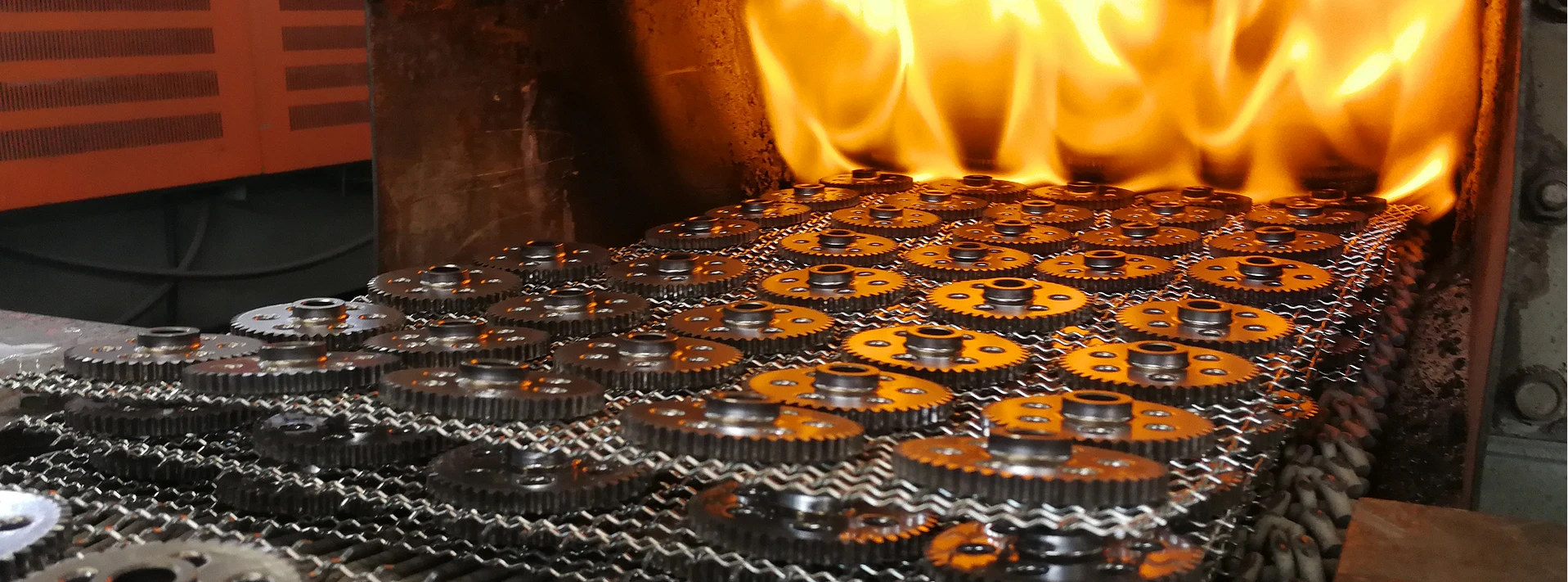
If you’ve encountered sintered parts or heard about "metal injection molding," you’re close to what powder metallurgy gear manufacturing entails. Essentially, it’s the process of compressing fine metal powders into a gear-shaped mold, then heating (sintering) them below the metal’s melting point so the particles bond together.
Unlike traditional forging or machining, where you start from a solid chunk of metal and cut away, this method builds the gear’s shape nearly to final form directly from powder. The result? Minimal waste, and often components with microstructures that optimize wear resistance and strength.
This approach is increasingly vital where precision and consistency meet humanitarian and industrial needs — for example, producing affordable, reliable gears for farm equipment in developing regions or ruggedized parts for humanitarian vehicles going into tough terrain.
Mini Takeaway:
Powder metallurgy gear manufacturing blends innovation with practicality — a technique that simplifies gear production while supporting global sustainability goals.
Core Components and Key Factors in Powder Metallurgy Gear Manufacturing
1. Material Selection
The choice of metal powders (often iron, steel alloys, or copper-based materials) directly influences the gear’s mechanical properties and corrosion resistance. Many engineers say tweaking the powder size and carbon content makes all the difference.
2. Compaction Pressure
How tightly the powder is compressed in the mold affects density. Higher pressure typically means fewer pores and stronger gears but requires more robust equipment.
3. Sintering Process
Controlled heating fuses particles, but the temperature and atmosphere (usually inert gas) must be carefully managed to prevent oxidation and achieve desired properties.
4. Secondary Operations
These include sizing, heat treatment, or impregnation with lubricants for gears needing extra precision or wear resistance.
5. Quality Control and Testing
Non-destructive testing, dimensional checks, and hardness testing ensure each gear meets standards before shipment.
Mini Takeaway:
Every step—from powder to final inspection—plays a crucial role in delivering performance and value in powder metallurgy gears.
Global Real-World Applications & Use Cases
You might be surprised how widespread and versatile these gears are. Let’s peek globally:
- Automotive Industry: Mass production of transmission gears in countries like Germany and Japan relies heavily on powder metallurgy for cost-efficient, consistent parts.
- Aerospace: Lightweight, fatigue-resistant gears made by powder metallurgy are finding use in drones and aircraft mechanisms, particularly in the US and France.
- Agriculture: In remote areas of Africa and South America, powder metallurgy gears keep farming equipment running affordably and reliably.
- Energy Sector: Wind turbine manufacturers increasingly turn to powder metallurgy parts for their green energy drive.
One fascinating case: a Southeast Asian manufacturer supplying powder metallurgy gears to relief vehicles for post-disaster operations. The quick turnaround and durability fit the rapid deployment and harsh conditions perfectly.
Mini Takeaway:
Across continents and industries, powder metallurgy gear manufacturing quietly supports everything from your car’s gearbox to emergency humanitarian equipment.
Advantages & Long-Term Value
When you zoom out, the logic behind powder metallurgy gear manufacturing is pretty compelling:
- Cost-Efficiency: Less material waste and near-net-shape production reduce expenses.
- Sustainability: Lower energy use and improved scrap recovery align with global green initiatives.
- Consistency: Automated processes deliver tight tolerances and repeatability.
- Performance: Suitable for complex geometries and enhanced mechanical properties.
- Social Impact: Affordable manufacturing methods help emerging economies build vital infrastructure.
- Trust and Reliability: In mission-critical settings (like aerospace or disaster relief), reliability is non-negotiable—and powder metallurgy often fits the bill.
If you think about it, this is more than just cost cutting; it's about enabling innovation while preserving resources and improving lives.
Product Specification Table
| Specification | Typical Values | Notes |
|---|---|---|
| Material Type | Iron-based steel powders | Other alloys available |
| Compaction Pressure | 500-700 MPa | Varies by gear size |
| Sintering Temp. | 1100-1300°C | In controlled atmosphere |
| Typical Density | 7.0-7.4 g/cm³ | Approaching wrought steel |
| Gear Accuracy | ISO 6-7 | Depends on secondary finishing |
Vendor Comparison Table
| Vendor | Lead Time | Material Options | Pricing | Customization |
|---|---|---|---|---|
| JSS Sintering | 2-4 weeks | Iron, Steel, Alloys | Competitive | High |
| Global Powder Tech | 3-5 weeks | Steel, Copper | Mid-range | Medium |
| SinterMax Solutions | 4-6 weeks | Iron, Alloys | Premium | High |
What’s Next? Trends and Innovations in Powder Metallurgy Gears
Digital transformations have rolled into powder metallurgy, with Industry 4.0 technologies like IoT and AI optimizing production lines and materials properties. Green energy tech drives demand for lighter, corrosion-resistant gears made from novel alloys.
Plus, additive manufacturing hybrid techniques are combining with powder metallurgy to create complex, highly customized gear systems — think multi-material gears or embedded sensors. With sustainability policies tightening globally, expect more recycled powders and energy-efficient sintering furnaces.
Facing the Challenges: Solutions on the Horizon
It’s not all smooth sailing. Porosity and variable mechanical properties sometimes limit applications. Uniformity can be tricky with large gears, and initial tooling costs might deter smaller players.
But innovative binders, precise atmosphere control during sintering, and incremental heating schedules are mitigating these issues. Collaborative R&D efforts spanning academia and industry — like those led by ISO and ASTM committees — push standards forward, unlocking wider use.
Frequently Asked Questions About Powder Metallurgy Gear Manufacturing
Q1: How does powder metallurgy gear manufacturing compare cost-wise to machining?
A1: Generally, powder metallurgy offers significant cost savings in medium to high volumes because it reduces material waste, machining time, and labor. Although initial tooling or press costs can be higher, per-unit costs typically fall below those of traditional machining after production scales up.
Q2: Can powder metallurgy gears be customized for specialized applications?
A2: Absolutely. Vendors can adjust powder types, compaction pressures, and heat treatments to tailor gears for specific hardness, strength, or corrosion resistance requirements. Secondary operations also enable sizing and finishing to tight tolerances.
Q3: How reliable are powder metallurgy gears under heavy-load conditions?
A3: When properly produced and sintered, these gears meet rigorous industry standards and perform well even under heavy loads. However, extremely high-performance aerospace or military-grade gears may require additional post-processing or different manufacturing techniques.
Q4: Is it possible to access powder metallurgy gear manufacturing internationally?
A4: Yes. Many manufacturers offer global shipping and support. To streamline importing, it’s best to choose vendors familiar with international standards and provide certifications aligned with ISO or similar requirements.
Conclusion: The Future Is Powdered, Pressed, and Perfected
In the grand scheme, powder metallurgy gear manufacturing is less a niche technique and more a pivotal enabler of smarter, cleaner, and more accessible manufacturing solutions globally. Its blend of efficiency, sustainability, and performance appeals across industries and continents.
If you want to explore how this technology can suit your projects or just geek out over powders and presses, a good place to start is with companies at the forefront. JSS Sintering, for instance, is known for practical innovation and customization in powder metallurgy gears.
So, gears might seem mundane, but how we make them? That’s a whole world of innovation turning quietly under our feet.