




- Introduction to Modern Powder Metallurgy Steel Solutions
- Technical Advantages of Powder Metallurgy Alloys
- Performance Comparison: Leading Manufacturers
- Customization Strategies for Industry-Specific Needs
- Case Studies: Real-World Applications
- Cost Efficiency and Sustainability Metrics
- Future Trends in Powder Metallurgy Steel Development

(powder metallurgy steel)
Introduction to Modern Powder Metallurgy Steel Solutions
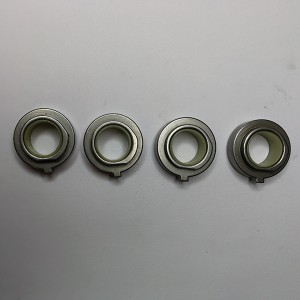
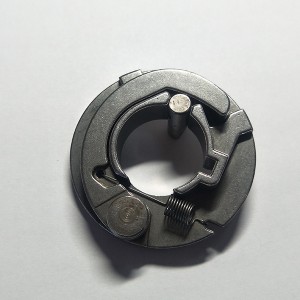
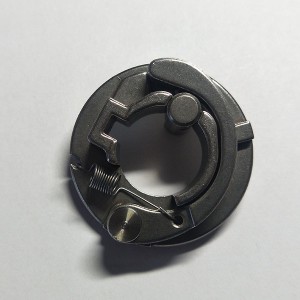
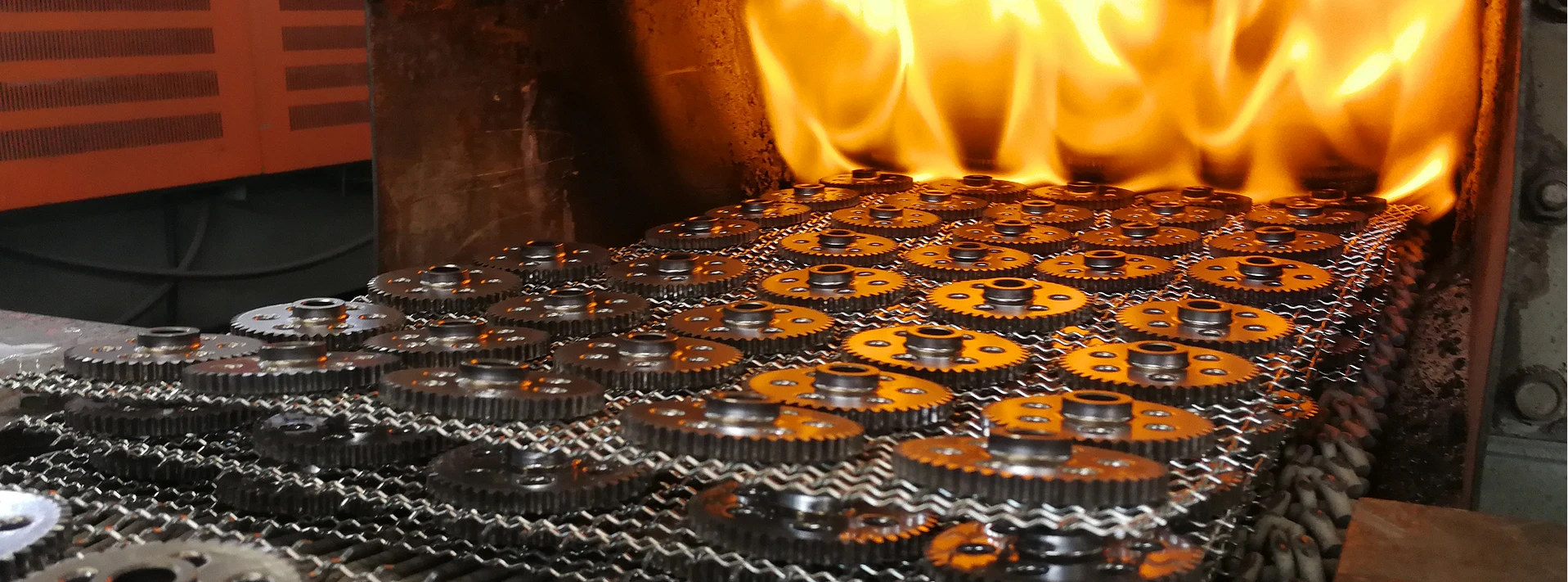
Powder metallurgy steel has revolutionized manufacturing by enabling complex geometries, superior material density, and tailored mechanical properties. Unlike traditional casting, this process involves compacting metal powders into precise shapes, followed by sintering to achieve optimal strength. Industries such as automotive, aerospace, and medical devices increasingly rely on powder metallurgy stainless steel and powder metallurgy high-speed steel for components requiring high wear resistance, thermal stability, and corrosion tolerance. For instance, the global market for these materials is projected to grow at a CAGR of 6.8% through 2030, driven by demand for lightweight, durable parts.
Technical Advantages of Powder Metallurgy Alloys
The unique microstructure of powder metallurgy steel
ensures uniform grain distribution, minimizing voids and enhancing tensile strength. Key benefits include:
- 98%+ density for components subjected to high-stress environments.
- Reduced material waste (less than 3% vs. 20% in machining).
- Ability to alloy metals like chromium or vanadium for specialized applications.
For example, powder metallurgy high-speed steel achieves Rockwell C hardness of 64–68, outperforming conventional equivalents by 15% in tool life.
Performance Comparison: Leading Manufacturers
| Manufacturer | Material Type | Density (g/cm³) | Tensile Strength (MPa) | Applications |
|---|---|---|---|---|
| Company A | Stainless Steel | 7.6 | 850 | Valve components |
| Company B | High-Speed Steel | 8.2 | 1,200 | Cutting tools |
| Company C | Alloy Steel | 7.8 | 980 | Gears |
Customization Strategies for Industry-Specific Needs
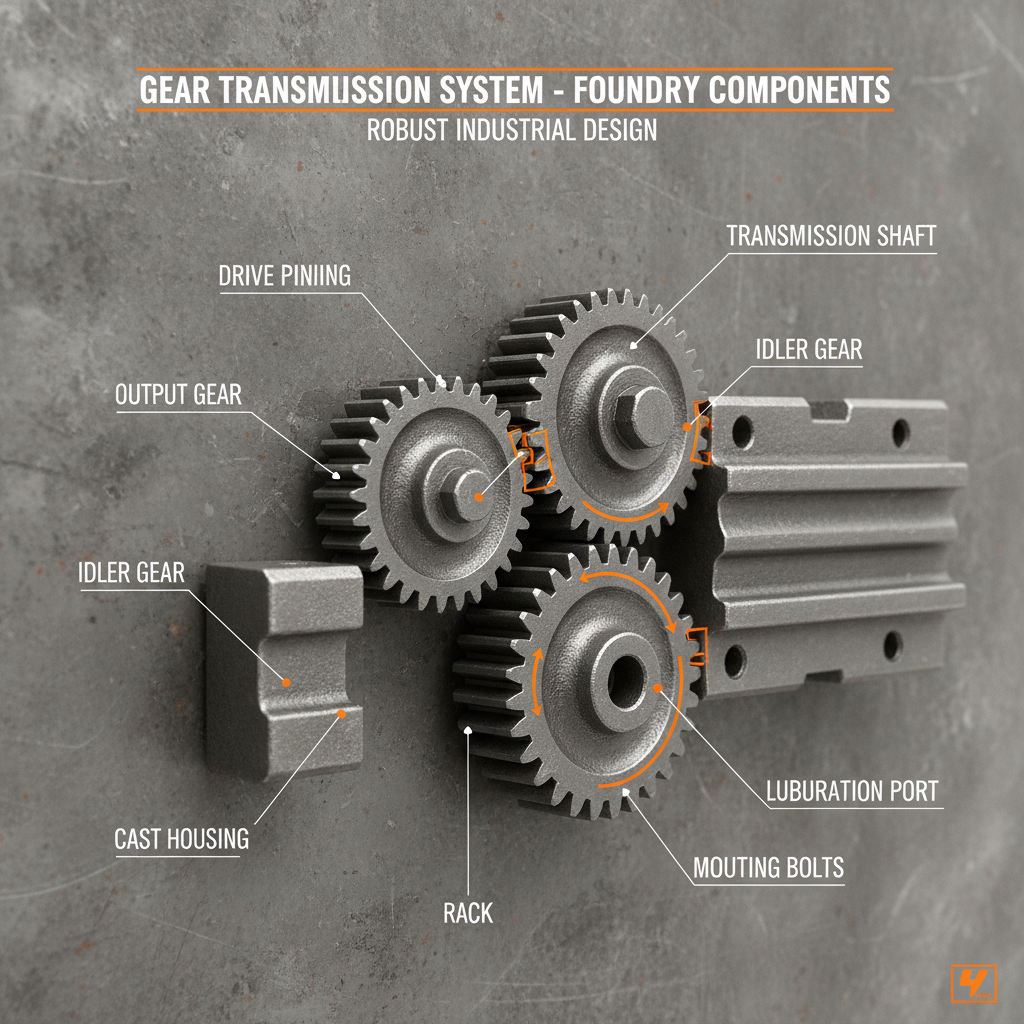
Tailoring powder metallurgy steel involves adjusting particle size, sintering temperature, and post-treatment. Automotive clients often request powder metallurgy steel with 1.5–2.0% copper infiltration for enhanced thermal conductivity, while medical sectors prioritize ISO 13485-certified stainless variants. A recent project for an EV manufacturer achieved a 22% weight reduction in transmission gears by optimizing the alloy’s nickel content.
Case Studies: Real-World Applications
Case 1: A European automaker replaced forged connecting rods with sintered powder metallurgy steel, cutting production costs by 30% and improving fatigue resistance by 18%.
Case 2: A surgical instrument manufacturer utilized powder metallurgy stainless steel to produce MRI-compatible scalpels, reducing machining time by 45% and achieving a surface roughness of Ra 0.4 μm.
Cost Efficiency and Sustainability Metrics
Adopting powder metallurgy reduces energy consumption by up to 40% compared to melting processes. Recycling rates exceed 95% for unused powders, aligning with circular economy goals. Lifecycle analyses show a 12-ton CO₂ reduction per 10,000 components manufactured.
Future Trends in Powder Metallurgy Steel Development
Innovations like binder jetting and nano-structured powders are expanding the capabilities of powder metallurgy high-speed steel. Researchers predict a 25% improvement in fracture toughness by 2026 through graphene-reinforced matrices. As industries prioritize precision and sustainability, powder metallurgy steel will remain pivotal in next-gen engineering solutions.
(powder metallurgy steel)
FAQS on powder metallurgy steel
Q: What are the advantages of powder metallurgy steel?
A: Powder metallurgy steel offers superior material uniformity, complex shape capabilities, and reduced waste. It enhances mechanical properties like strength and wear resistance compared to traditional casting methods.
Q: How does powder metallurgy stainless steel resist corrosion?
A: Powder metallurgy stainless steel retains high chromium content during processing, ensuring excellent corrosion resistance. Its fine-grained structure further improves durability in harsh environments.
Q: Why is powder metallurgy used for high-speed steel tools?
A: Powder metallurgy high-speed steel achieves exceptional hardness and heat resistance. The process minimizes carbide segregation, enabling sharper edges and longer tool life for cutting applications.
Q: Can powder metallurgy steel replace conventional steel manufacturing?
A: Yes, powder metallurgy steel is ideal for niche applications requiring precision and material efficiency. However, traditional methods remain cost-effective for large, simple components.
Q: What industries use powder metallurgy steel components?
A: Automotive, aerospace, and medical sectors rely on PM steel for gears, bearings, and implants. Its consistency and performance suit high-stress, precision-driven applications.