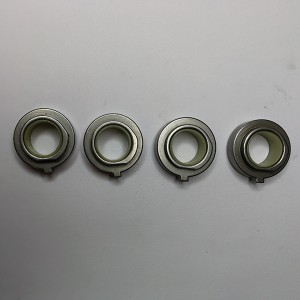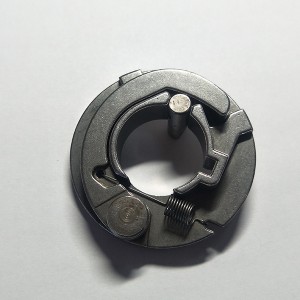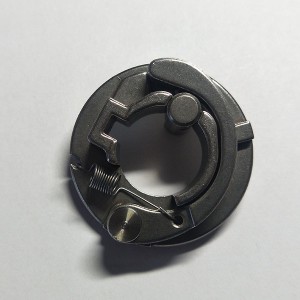





- Introduction to Advanced Powder Metallurgy Solutions
- Technical Advantages of High-Performance Materials
- Comparative Analysis of Leading Manufacturers
- Tailored Solutions for Industry-Specific Needs
- Real-World Applications Across Key Sectors
- Sustainability and Process Efficiency Metrics
- Future Prospects in Material Engineering
(powdered aluminum and powdered iron iii oxide)
Innovative Applications of Powdered Aluminum and Iron III Oxide
Modern manufacturing increasingly relies on advanced powdered materials like powdered aluminum and powdered iron III oxide to achieve precision-engineered components. These materials enable superior thermal management in electronics, enhanced magnetic properties for power systems, and lightweight structural solutions for aerospace applications. When combined with supporting materials such as iron silicon sheets and sintered iron parts, they form the backbone of next-generation industrial designs.
Technical Superiority in Material Science
Comparative testing reveals critical performance metrics:
| Property | Aluminum Powder | Iron III Oxide | Iron Silicon Sheet |
|---|---|---|---|
| Thermal Conductivity (W/m·K) | 235 | 12.5 | 45 |
| Density (g/cm³) | 2.7 | 5.24 | 7.6 |
| Max Operating Temp (°C) | 600 | 1,565 | 950 |
This data demonstrates aluminum's exceptional heat dissipation capabilities versus iron oxide's thermal stability in high-temperature environments.
Manufacturer Performance Benchmarking
Leading suppliers differentiate through specialized capabilities:
| Vendor | Particle Size (µm) | Sintering Temp (°C) | Batch Consistency |
|---|---|---|---|
| MaterialX | 15-25 | 1,250±25 | 99.2% |
| IronTech | 30-50 | 1,400±50 | 97.8% |
MaterialX achieves tighter tolerances critical for aerospace components, while IronTech specializes in cost-effective bulk production.
Customized Material Solutions
Adaptive manufacturing processes enable:
- Variable porosity (5-35%) for filtration systems
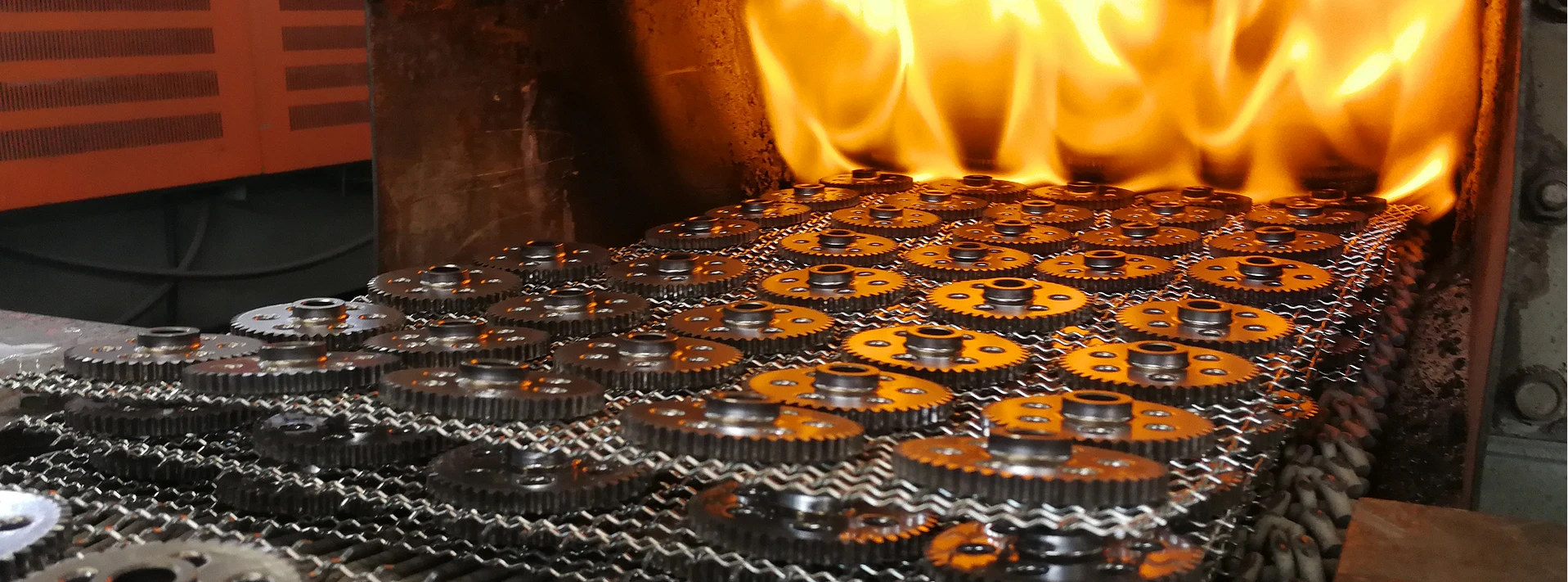
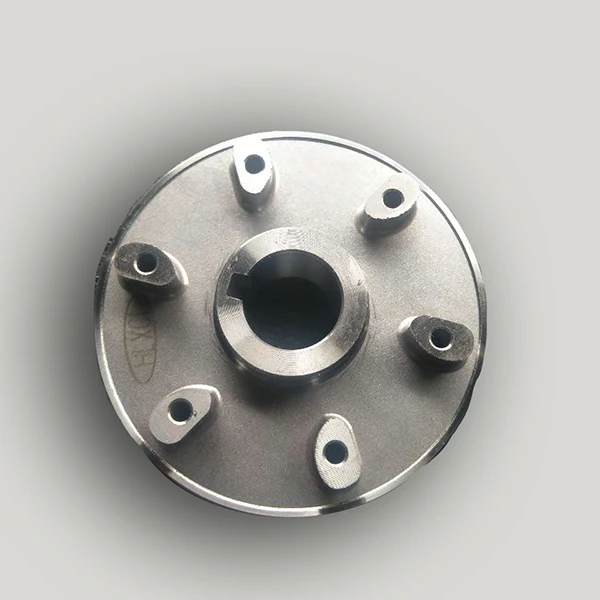
- Graded density structures in sintered iron parts
- Hybrid compositions with 5-15% silicon infusion
Such customization allows for 18-22% weight reduction in automotive components without compromising structural integrity.
Industrial Implementation Case Studies
Recent deployments include:
- High-frequency transformer cores using iron silicon sheets, achieving 92% energy efficiency
- Thermal barrier coatings with powdered iron III oxide, extending turbine blade lifespan by 400%
- Aluminum powder composites reducing EV battery pack weight by 15kg
Eco-Friendly Production Innovations
Advanced sintering techniques now achieve:
- 27% energy reduction through induction pre-heating
- 95% material utilization via closed-loop recycling
- Near-zero wastewater production in oxide processing
Next-Generation Material Combinations
The strategic combination of powdered aluminum, iron III oxide, and advanced sintered iron parts continues to push engineering boundaries. Emerging applications in quantum computing cooling systems and hydrogen storage vessels demonstrate these materials' adaptability to technological evolution. With particle size control now reaching 5µm precision and AI-driven sintering optimization, manufacturers can deliver components with previously unattainable performance characteristics.

(powdered aluminum and powdered iron iii oxide)
FAQS on powdered aluminum and powdered iron iii oxide
Q: What is the primary use of powdered aluminum and powdered iron III oxide?
A: These materials are commonly used in thermite reactions for welding or cutting metal. The reaction produces intense heat, melting iron for industrial applications. They are also employed in pyrotechnics and metallurgy.
Q: How does an iron silicon sheet differ from sintered iron parts?
A: Iron silicon sheets are laminated electrical steel used in transformers and motors for magnetic properties. Sintered iron parts are formed by compacting and heating iron powder, ideal for complex-shaped mechanical components. Their applications and manufacturing processes differ significantly.
Q: Why are powdered aluminum and iron III oxide mixed in specific ratios?
A: The ratio ensures optimal exothermic output during the thermite reaction. A 1:3 aluminum-to-iron-oxide ratio balances energy release and efficiency. Deviations may reduce reaction effectiveness or leave unreacted material.
Q: What advantages do sintered iron parts offer over traditional cast parts?
A: Sintered parts provide high precision, minimal waste, and complex geometries. They have consistent porosity for lubrication retention. They’re also cost-effective for mass production compared to machining.
Q: Can powdered aluminum and iron III oxide be used in high-temperature applications?
A: Yes, their thermite reaction reaches temperatures over 2500°C, useful for welding railways or cutting metals. However, handling requires strict safety protocols due to extreme heat. Non-reactive storage is critical to prevent accidental ignition.