




Powdered Metal Components: A Practical Look from the Field
Having spent over a decade in the industrial equipment sector, I’ve seen a lot of manufacturing methods come and go, but powdered metal components remain a particular fascination. Oddly enough, despite their prevalence, many still overlook how versatile and precise these parts can be. When you work hands-on with these materials, you start to appreciate the subtle engineering genius behind the powders, compaction, and sintering that bring components to life.
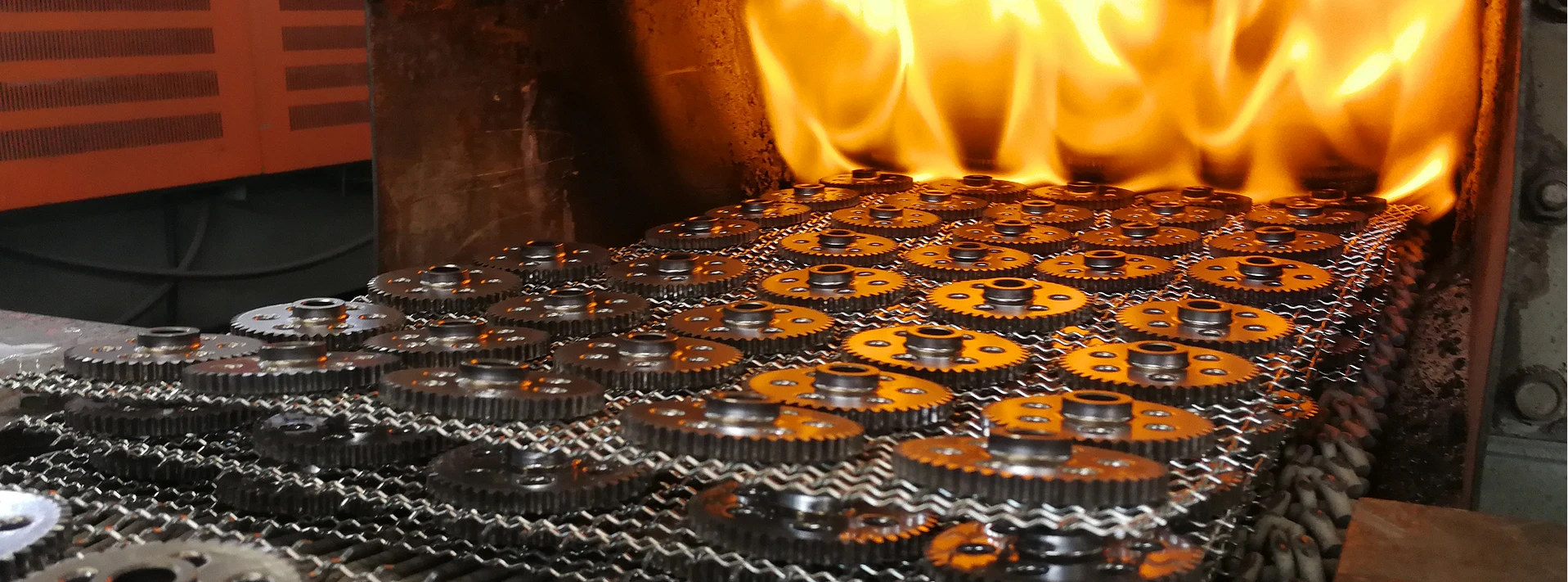
In real terms, powdered metal manufacturing involves compressing finely ground metal into a desired shape before heating it below melting point to bond the particles. This process, known as sintering, creates components that are strong yet intricate, often outperforming traditional cast or machined parts—especially when it comes to consistency and material conservation.
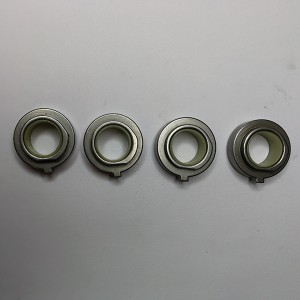
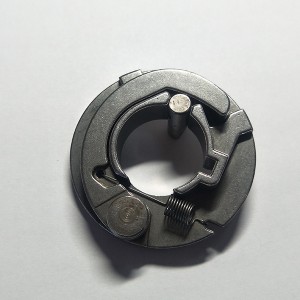
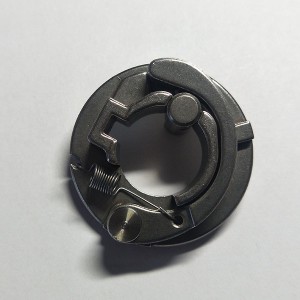
One thing I noticed early on is how much control manufacturers have over the microstructure. They can customize alloy blends and density to influence mechanical properties, wear resistance, and even porosity. For example, automotive industries heavily use powdered metal gears and bushings because they can achieve complex shapes without the need for expensive machining, which has saved countless production hours and dollars.
Now, since many engineers find themselves torn between cost, performance, and turnaround times, here’s a straightforward look at typical product specs that often come up when selecting powdered metal components:
| Specification | Typical Values | Comment |
|---|---|---|
| Material Types | Iron, Stainless Steel, Copper, Nickel Alloys | Selection depends on application |
| Density Range | 6.5 - 7.2 g/cm³ (for steel grades) | Higher density = better strength |
| Hardness (Brinell) | 180 - 250 HB | Adjustable by heat treatment |
| Dimensional Tolerance | ±0.05 mm typical | Useful for complex designs |
| Typical Applications | Gears, bushings, filters, structural parts | Widely used in automotive & industrial sectors |
You might ask: who offers these components and how do they stack up? From my experience, the key differences tend to revolve around quality consistency, customization capability, logistical support, and certification compliance. Here’s a quick vendor comparison based on those typical criteria:
| Vendor | Customization | Delivery Time | Quality Certifications | Price Competitiveness |
|---|---|---|---|---|
| JSS Sintering | High | 4-6 Weeks | ISO 9001, IATF 16949 | Moderate |
| Alpha Metallurgy | Medium | 6-8 Weeks | ISO 9001 | High |
| Global Powder Tech | Low | 3-4 Weeks | ISO 9001 | Moderate |
Working on a recent project for a local equipment manufacturer, I recall how critical powder metallurgy became when a standard machined bushing repeatedly failed in high-load conditions. Switching to a sintered bronze component from JSS Sintering not only reduced downtime but improved wear-life by nearly 30%. That’s the kind of practical win that doesn’t always get the spotlight but matters on the shop floor.
It feels like the more we push for efficiency, precision, and sustainability, the more powdered metal components will gain traction. They reduce waste, allow for near-net-shape manufacturing, and often need less secondary machining. Frankly, for anyone in industrial equipment design or maintenance, it’s worth taking a closer look at what these materials can do.
If you want to dive deeper into specifications or discuss custom solutions, the folks at JSS Sintering have always been reliable partners in my experience.
To sum it up in a line: if your application calls for durable, customizable, and cost-effective metal parts, investigating powdered metal components might just save your project.
References:
1. ASM International. Powder Metallurgy Technology.
2. Smith, J. & Lee, T. (2021). Industrial Components Made Simple.
3. Company whitepapers and practical experience from JSS Sintering partners.