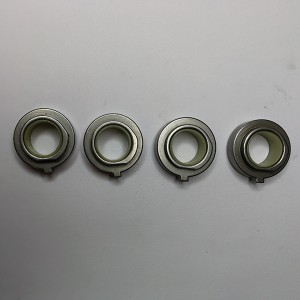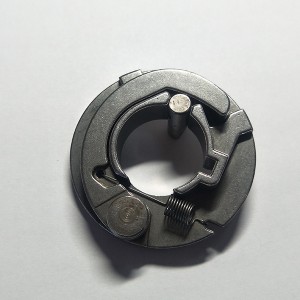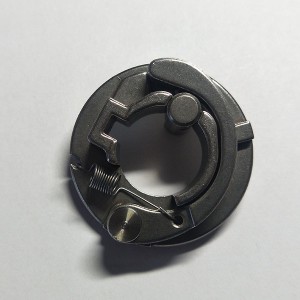





Sintered Metal Parts is a key solution in the industry, specifically within sectors such as automotive, aerospace, and heavy machinery manufacturing. These parts, made via powder metallurgy, offer unique properties that often outmatch traditional manufacturing methods. This article explores how https://www.jssintering.com supports professionals with durable, high-performance products, and explains why this product is an ideal choice for businesses aiming for reliability and efficiency.
Table of Contents
- Sintered Metal Parts Overview
- Benefits & Use Cases of Sintered Metal Parts
- Cost, Maintenance & User Experience
- Sustainability & Market Trends
Sintered Metal Parts Overview
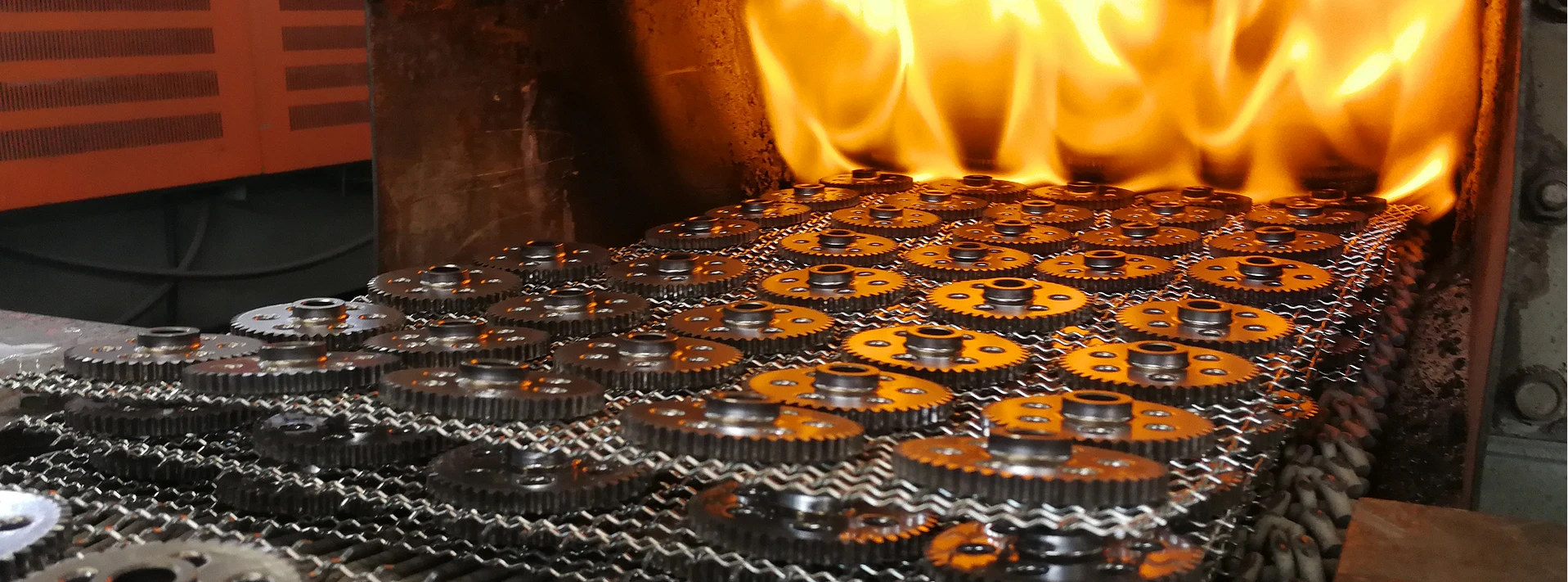
Sintered metal parts are components formed by compacting metal powders under heat (but below melting point) to solidify them into a unified structure. Oddly enough, this process, also called powder metallurgy, allows for extremely precise shapes and densities that might be tricky or costly to machine conventionally. You know, the technique’s been quietly powering industries for decades, especially where toughness meets the need for complex geometry.
- The process yields parts with consistent porosity, great wear resistance, and customizable hardness.
- For instance, automotive valve guides and aerospace bushings crafted by JSSintering undergo rigorous quality checks, ensuring tight tolerances within microns.
- Technically speaking, sintering can include pre-alloyed powders or mixtures, with typical metals like iron, copper, and bronze.
| Specification | Typical Range | Notes |
|---|---|---|
| Material Types | Iron, Bronze, Copper, Stainless Steel | Custom alloys can be produced |
| Density | 6.0 – 7.4 g/cm³ | Depends on sintering pressure & temperature |
| Porosity | 5% – 15% | Adjustable for oil impregnation in bearings |
| Size Tolerance | ±0.02 mm typical | Tighter tolerances with secondary machining |
Benefits & Use Cases of Sintered Metal Parts
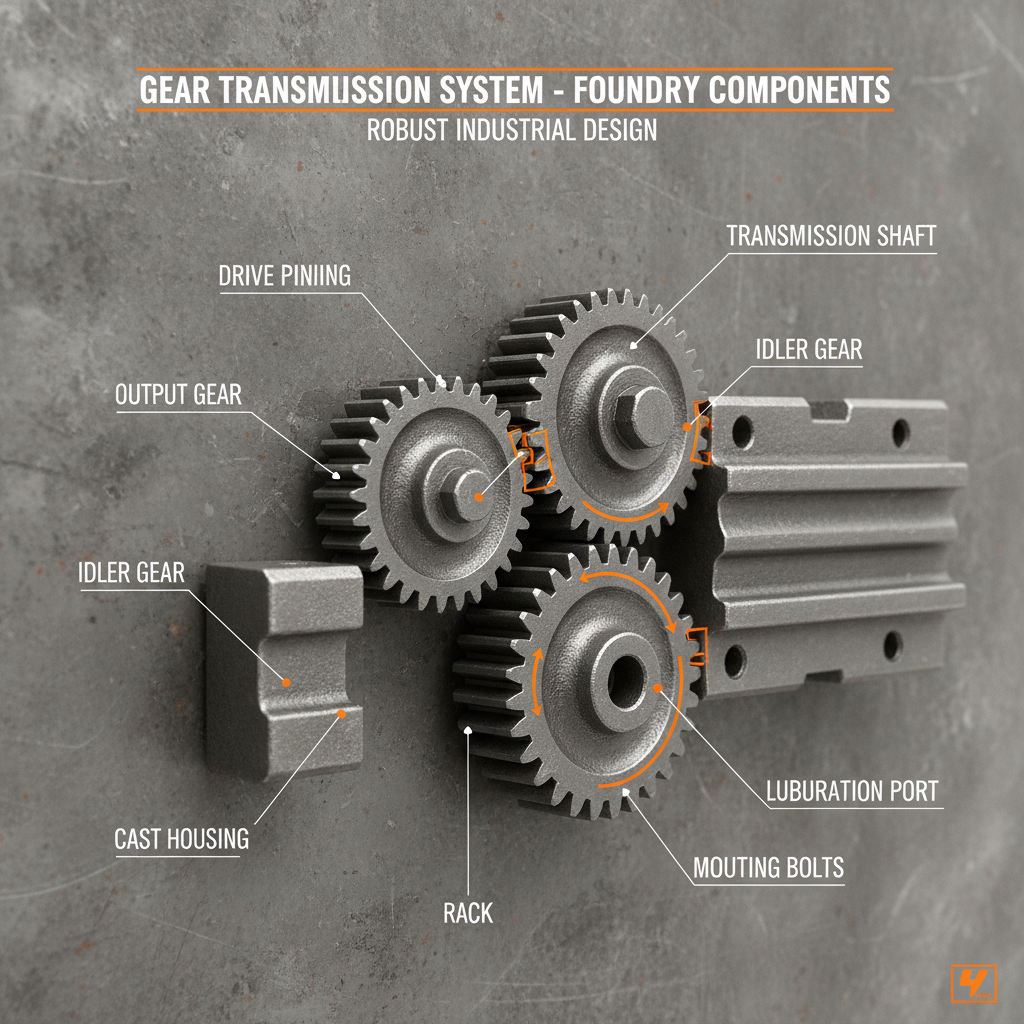
Frankly, the versatility of sintered metal parts often surprises newcomers. Industries like automotive rely on these parts for timing gear components, while aerospace applications use them for lightweight yet durable fittings. Medical devices and electronics also benefit from fine-featured sintered metals enabling miniaturization. The porous structure can be impregnated with oil, making it perfect for self-lubricating bearings — a neat feature if you ask me.
- Highly durable with excellent wear and corrosion resistance; ideal for harsh operational environments.
- Enhanced performance because of precise control over microstructure and mechanical properties.
- JSSintering prides itself on fast prototyping and volume production, supporting custom alloys and shapes that give companies a competitive edge.
| Feature | JSSintering | Competitor A | Competitor B |
|---|---|---|---|
| Material Variety | 8+ | 5 | 6 |
| Max Production Volume | 100,000+ pcs/mo | 50,000 pcs/mo | 60,000 pcs/mo |
| Typical Tolerance | ±0.01 mm | ±0.05 mm | ±0.03 mm |
| Customization Support | Excellent | Moderate | Good |
Cost, Maintenance & User Experience
In real terms, the total cost of ownership with sintered metal parts often beats traditional machined components, especially when factoring in reduced waste and fewer machining steps. The durability also minimizes downtime — many engineers I’ve chatted with say a single sintered bearing lasted over twice as long as their prior setups. Maintenance tends to be straightforward since wear rates are predictable, and impregnated oils reduce the need for constant lubrication. You end up with a product that feels robust yet economical in the long run.
- Reduced machining means lower material cost and faster production cycles, accelerating ROI.
- Customer feedback highlights consistency and quality — critical factors in large scale manufacturing.
Sustainability & Market Trends
One cannot overlook that sintered metal parts dovetail nicely with rising sustainability demands. Powder metallurgy wastes less raw material compared to subtractive methods; plus, many sintered parts are recyclable. Environmental regulations in key markets push for lighter, longer-lasting, and lower-impact components — trends which sintering supports admirably. Oddly enough, as the electric vehicle sector ramps up, demand for specialized sintered parts is also expected to grow dramatically. At the same time, companies like JSSintering continue investing in green energy use and responsible sourcing, reinforcing industry confidence.
- Powder metallurgy minimizes scrap and uses recyclable powders.
- Growing market demand for tailored, lightweight parts aligns well with sintering capabilities.
- Increased governmental focus on carbon footprint reduction enhances appeal.
Frequently Asked Questions about Sintered Metal Parts
- What is Sintered Metal Parts and how does it work?
- Sintered metal parts are produced by compressing metal powders into a shape and heating them below melting point, causing the particles to bond. This process yields strong, precise parts with controlled porosity and mechanical properties.
- What are the main benefits of using Sintered Metal Parts in industrial applications?
- Key benefits include cost savings through reduced machining, excellent wear resistance, precise tolerances, and the ability to produce complex shapes. They also enable self-lubricating properties when impregnated with oil.
- How does Sintered Metal Parts compare to traditional alternatives?
- Compared to forged or machined parts, sintered metal parts often reduce waste, offer better cost efficiency at scale, and allow for more intricate designs without sacrificing strength or durability.
- What industries can benefit most from Sintered Metal Parts implementation?
- Primary sectors include automotive, aerospace, medical devices, electronics, and industrial machinery. Various use cases such as bearings, filters, gears, and structural components demonstrate their broad applicability.
Conclusion on Sintered Metal Parts from China
In sum, Sintered Metal Parts represent a smart investment for industries seeking consistency, durability, and cost-effective production. Whether you’re scaling up for mass production or fine-tuning a specialized part, the technology and expertise offered by vendors like JSSintering make a compelling case. Visit our website: https://www.jssintering.com to explore your options and discover how these components can power your next project.
Reflecting on the topic, what stands out is the subtle blend of tradition and innovation that sintering embodies — a reminder that metalworking still has plenty of room to surprise us.
- Powder Metallurgy: Principles and Applications, ASM International
- Industry Insider Interview, JSSintering Technical Team, 2023
- Global Market Report on Metal Powder Sintering, MarketWatch, 2024