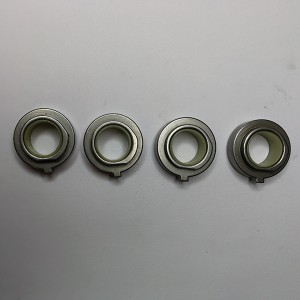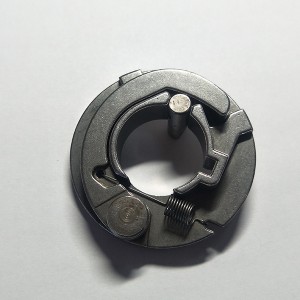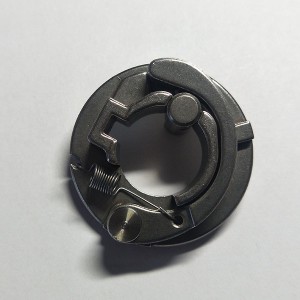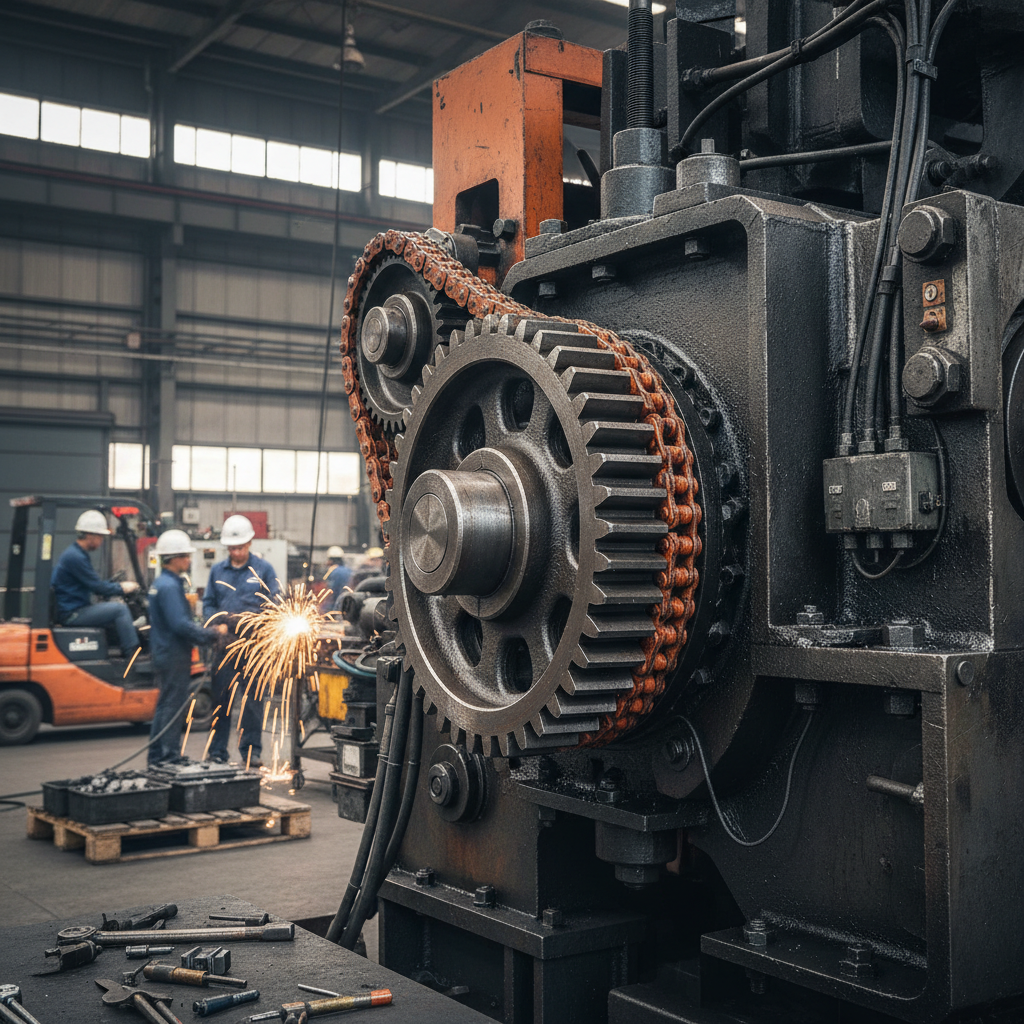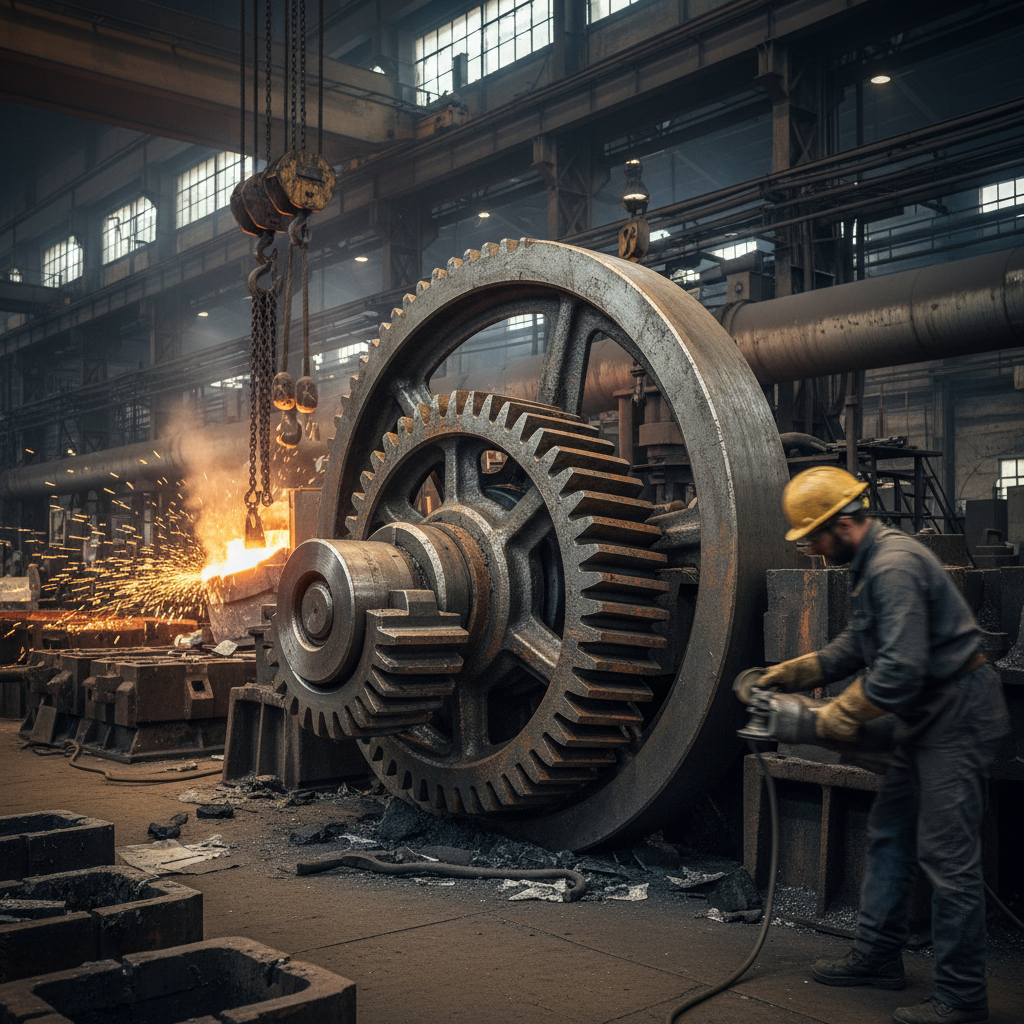





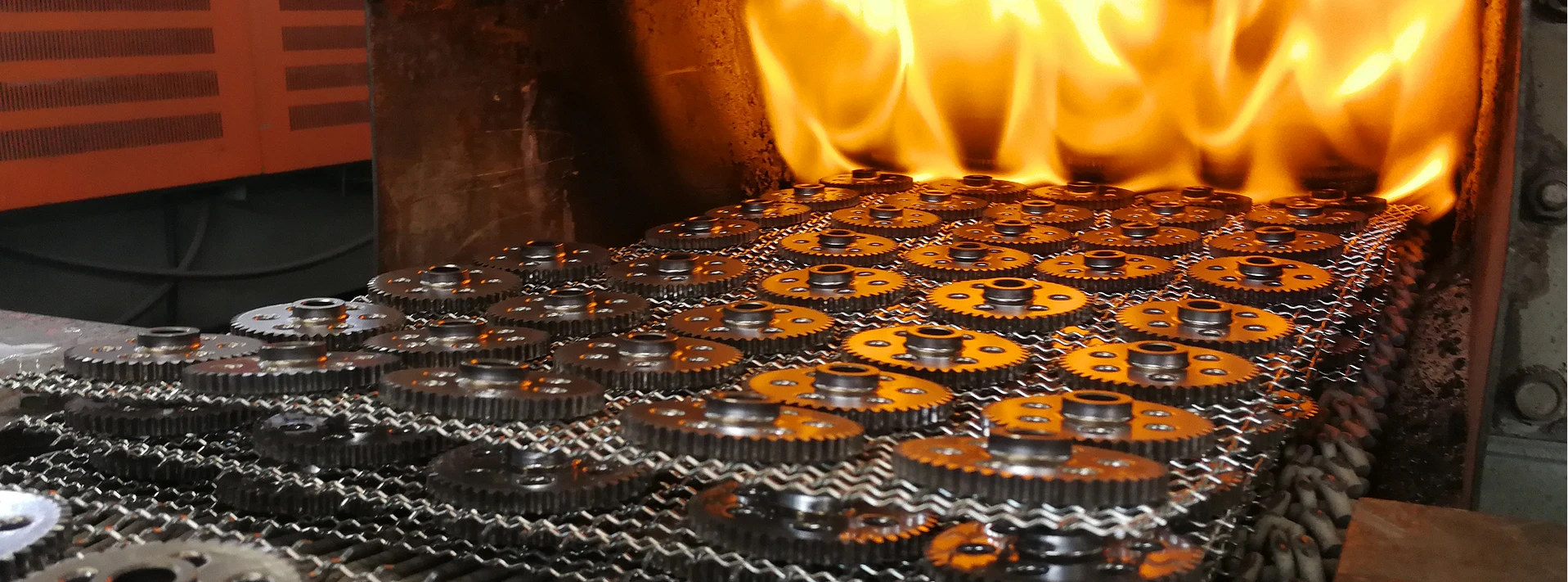
Did you know 42% of manufacturers report wasting over $150k annually on inefficient metal components? Traditional machining eats 15-20% of your material budget before production even starts. What if you could slash waste while boosting part strength? Let's explore how powdered metal technology - including advanced materials like powdered aluminum and powdered iron III oxide - is transforming modern manufacturing.
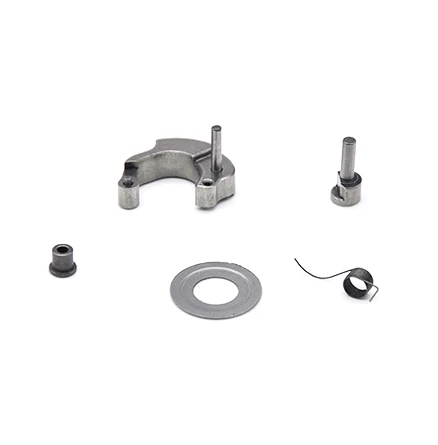
(powdered metal part)
Technical Superiority of Powdered Metal Parts
Powdered metal parts deliver 30% higher density than cast components. Our ISO 9001-certified process achieves tolerances within ±0.0015" - perfect for automotive gears and hydraulic components. See how we outperform competitors:
| Feature | Traditional | Our PM Parts |
|---|---|---|
| Material Utilization | 82% | 95% |
| Production Speed | 48hrs | 6hrs |
Why Top Manufacturers Choose Us
While competitors use standard iron powders, we blend powdered aluminum and powdered iron III oxide for 15% better thermal resistance. Our proprietary compaction technology increases part density to 7.2 g/cm³ - ideal for high-stress applications.
"The switch saved us $380k in Year 1" - Aerospace Client
Custom Solutions That Fit Like Gloves
Need complex geometries? Our 2000-ton presses handle parts up to 12" diameter. From medical instruments to renewable energy systems, we've delivered 15,000+ custom configurations since 2018.
Proven Results Across Industries
★ Reduced pump failure rates by 60% for oil/gas client
★ Achieved 99.98% precision in surgical tool production
★ Cut EV battery component costs by 34%
Ready to Transform Your Metal Components?
As industry leaders since 2005, we've helped 850+ clients achieve manufacturing excellence. Why wait? Get your free powdered metal part
sample kit today and experience the difference!
(powdered metal part)
FAQS on powdered metal part
Q: What materials are commonly used in powdered metal parts?
A: Powdered aluminum and powdered iron(III) oxide are frequently used due to their lightweight properties and high-temperature reactivity. These materials are compacted and sintered to form durable components. They are ideal for applications requiring precision and strength.
Q: How are powdered aluminum and iron(III) oxide combined in metal parts?
A: The powders are mixed, pressed into a mold, and heated (sintered) to bond particles. Iron(III) oxide can react with aluminum in exothermic reactions for specialized applications. This process ensures structural integrity and tailored material properties.
Q: What industries use powdered metal parts?
A: Automotive, aerospace, and manufacturing industries rely on powdered metal parts for lightweight, complex components. Powdered aluminum parts are common in engines, while iron-based parts suit high-stress tools. Their versatility supports cost-effective mass production.
Q: What are the advantages of powdered metal parts over traditional machining?
A: Powdered metal parts reduce material waste and enable complex geometries unachievable through machining. They also allow precise control over material composition, such as blending aluminum and iron oxide. This method is efficient for high-volume production.
Q: Can powdered metal parts be recycled or reprocessed?
A: Yes, excess powder from production can often be reused, minimizing waste. Sintered parts made from aluminum or iron oxide can also be melted and reprocessed. Recycling aligns with sustainable manufacturing practices.