




- Understanding the Fundamentals of Powdered Metal Parts
- Technical Advantages Over Traditional Manufacturing
- Performance Comparison: Leading Industry Suppliers
- Tailored Solutions for Specific Applications
- Real-World Implementation and Success Stories
- Cost Efficiency and Sustainability Metrics
- Future Trends in Powdered Aluminum and Iron III Oxide Utilization
(powdered metal parts)
Understanding the Fundamentals of Powdered Metal Parts
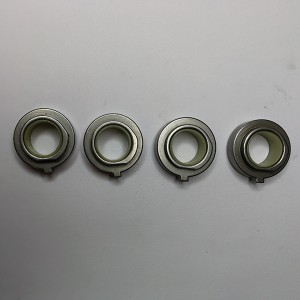
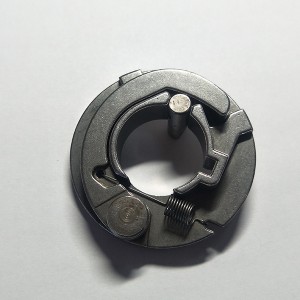
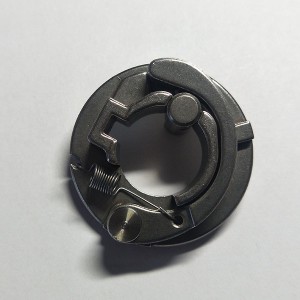
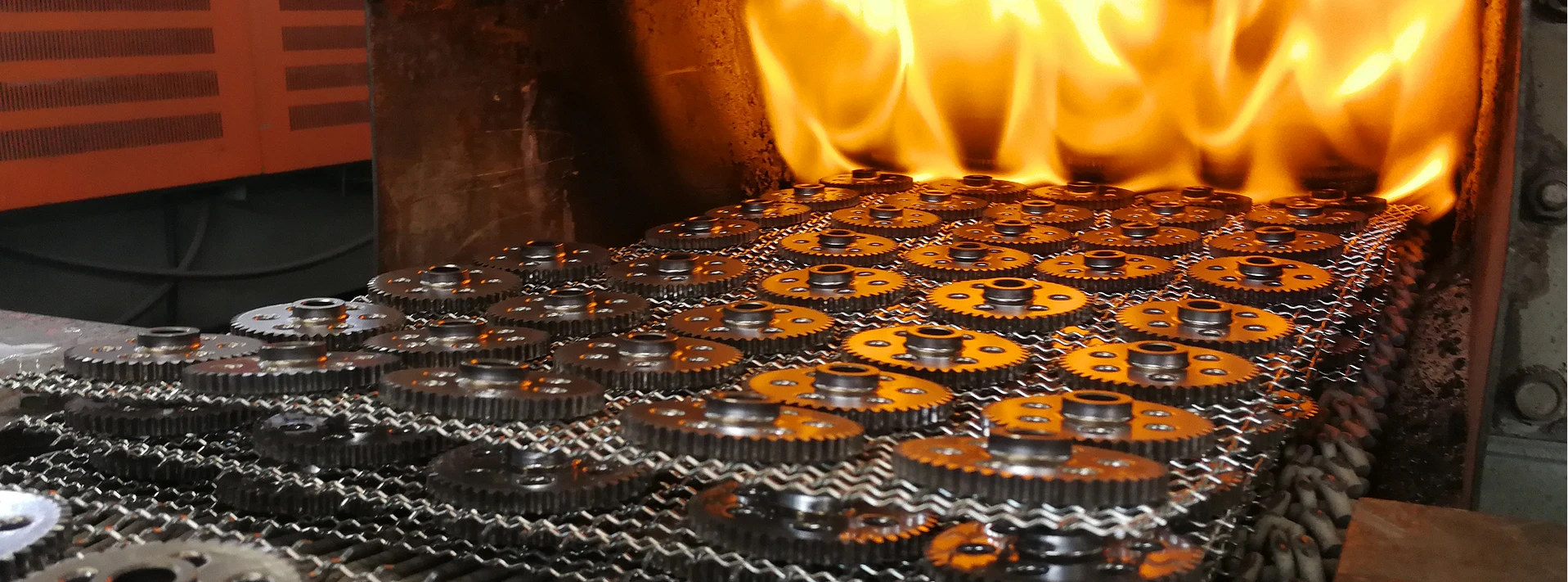
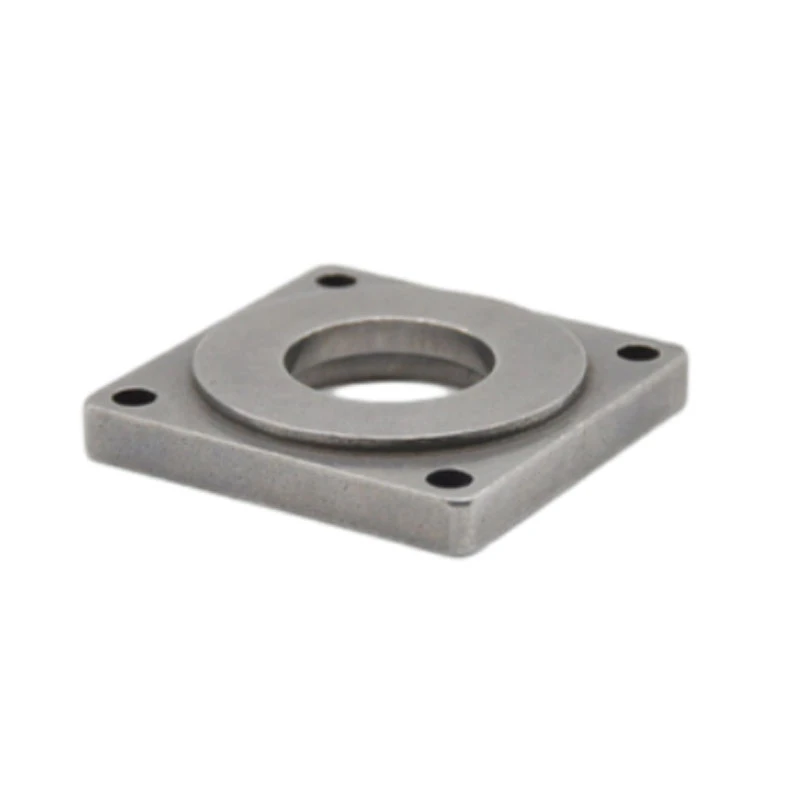
Powdered metal parts, including those made from powdered aluminum and powdered iron III oxide, are manufactured through advanced compaction and sintering processes. This method enables precise control over material density (typically 92-98% of theoretical density) and microstructure, resulting in components with enhanced mechanical properties. Industries such as automotive, aerospace, and energy rely on these parts for their high strength-to-weight ratios and corrosion resistance.
Technical Advantages Over Traditional Manufacturing
Compared to casting or machining, powdered metal technology reduces material waste by up to 40% while achieving tolerances within ±0.05 mm. Key benefits include:
- Complex geometries unattainable via conventional methods
- 98% material utilization rate vs. 60-70% in machining
- Controlled porosity for specialized applications
Performance Comparison: Leading Industry Suppliers
| Vendor | Max Part Size (mm) | Materials Supported | Production Cycle | Cost Efficiency |
|---|---|---|---|---|
| MetalTech Global | 300 × 200 × 150 | 15+ alloys | 5-7 days | $$$ |
| Precision Sintering Co. | 450 × 300 × 200 | Iron-based composites | 10-12 days | $$ |
| AluForm Industries | 200 × 150 × 100 | Aluminum variants | 3-5 days | $$$$ |
Tailored Solutions for Specific Applications
Customization parameters for powdered metal parts
include:
- Particle size distribution (20-150 microns)
- Sintering temperature profiles (1120°C to 1350°C)
- Post-treatment options (e.g., steam oxidation, resin impregnation)
Specialized blends incorporating iron III oxide demonstrate 15% higher wear resistance in high-friction environments compared to standard compositions.
Real-World Implementation and Success Stories
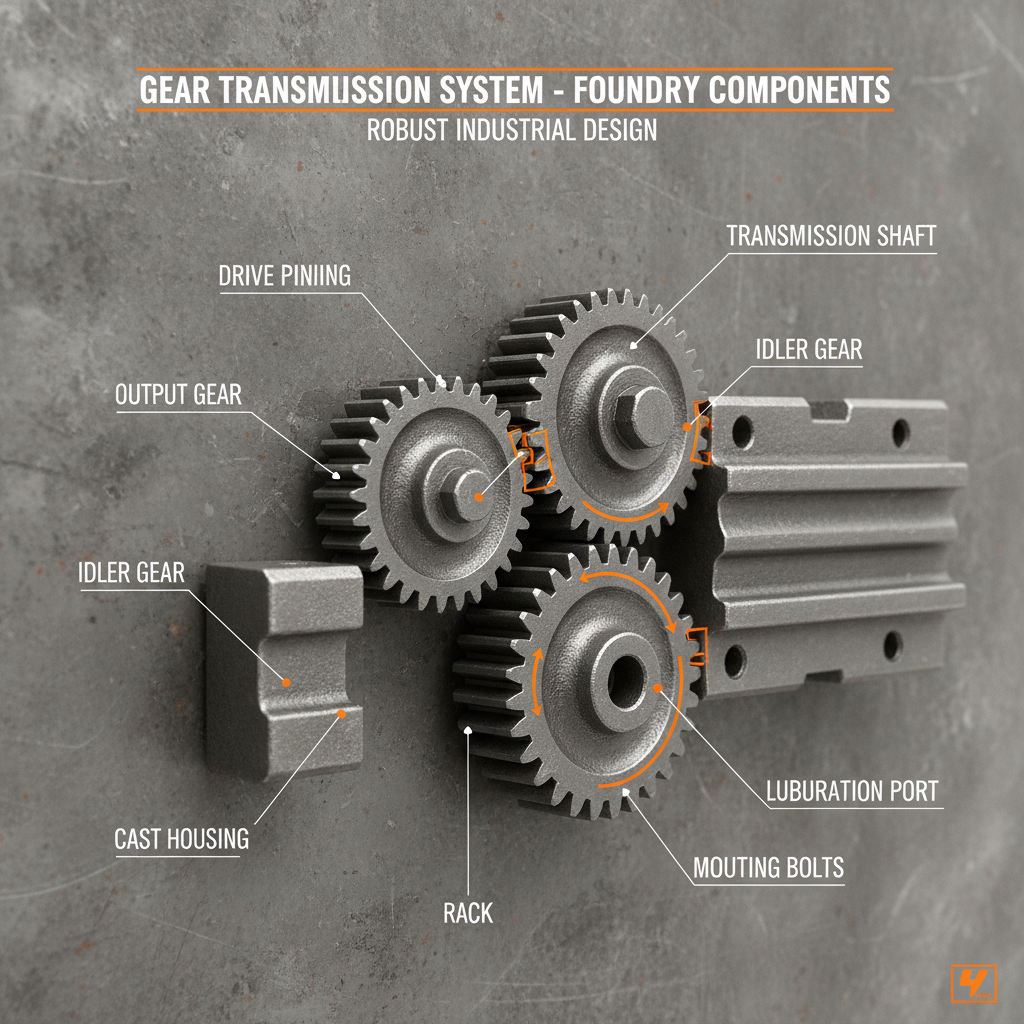
A tier-1 automotive supplier reduced transmission component weight by 22% using powdered aluminum gears, achieving ISO 6336 Grade 6 performance standards. In aerospace, turbine blade supports manufactured via metal injection molding showed 30% improvement in thermal cycle resistance during rigorous AS9100 testing.
Cost Efficiency and Sustainability Metrics
Lifecycle analysis reveals:
- Energy consumption: 50-60 kWh/kg vs. 80-100 kWh/kg for cast parts
- Scrap reduction: 3.2 tons/year per production line
- ROI timeframe: 18-24 months for medium-volume applications
Future Trends in Powdered Aluminum and Iron III Oxide Utilization
Emerging applications in hydrogen storage systems and electric vehicle powertrains are driving demand for advanced powdered metal parts. Projections indicate 7.8% CAGR through 2030, particularly for components requiring the unique magnetic properties of iron III oxide composites. Continuous improvements in binder jetting technologies promise to reduce lead times by 35% while maintaining DIN 30910-4 quality standards.

(powdered metal parts)
FAQS on powdered metal parts
What are powdered metal parts made from?
Q: What materials are commonly used to create powdered metal parts?A: Powdered metal parts are typically made from materials like powdered aluminum, iron, steel, or alloys. These powders are compacted and sintered to form durable, complex-shaped components. Additives like powdered iron III oxide may also be used for specific properties.
How are powdered aluminum and iron III oxide used together?
Q: What happens when powdered aluminum and iron III oxide are combined?A: Powdered aluminum and iron III oxide react exothermically in a thermite process, producing molten iron and aluminum oxide. This reaction is used for welding or high-temperature applications. Safety precautions are critical due to intense heat release.
What are the advantages of powdered metal parts?
Q: Why choose powdered metal parts over traditional manufacturing methods?A: Powdered metal parts offer near-net-shape production, reducing material waste and machining costs. They also enable precise control over porosity and composition, ideal for automotive or aerospace components.
Can powdered metal parts be used in high-stress environments?
Q: Are powdered metal parts suitable for heavy-duty applications?A: Yes, when properly sintered and densified, powdered metal parts exhibit high strength and wear resistance. Materials like powdered iron alloys are commonly used for gears, bearings, and engine components.
How is quality ensured in powdered metal part production?
Q: What steps ensure consistency in powdered metal part manufacturing?A: Strict control of powder particle size, compaction pressure, and sintering temperature ensures quality. Non-destructive testing and density checks are also performed to meet industry standards.