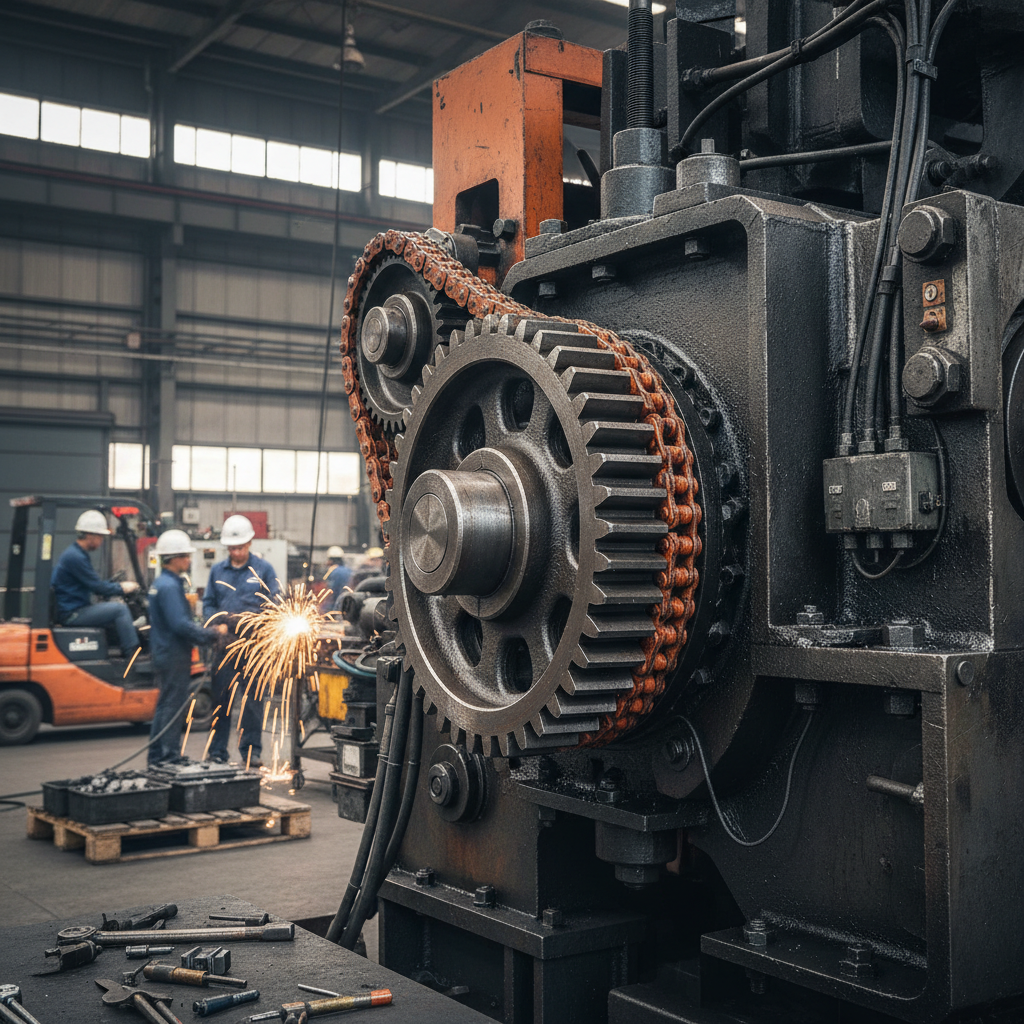





The Critical Role of Precision Bull Gears in Heavy Industry
In heavy industrial applications, the reliability and efficiency of power transmission systems are paramount. At the heart of many such systems, particularly those subjected to extreme torque and continuous operation, are bull gears. These large-diameter, high-load gears are integral components in industries ranging from mining and cement production to power generation and petrochemical processing. The selection of proficient bull gear manufacturers is crucial for ensuring the longevity, performance, and safety of capital-intensive machinery. This comprehensive guide delves into the intricate world of bull gear manufacturing, exploring industry trends, technical specifications, application advantages, and the meticulous processes that define high-quality production.
High-quality bull gears are designed to withstand immense forces, provide precise power transfer, and operate reliably over decades. Their manufacture demands specialized expertise in material science, advanced machining, and rigorous quality control, making the choice of manufacturing partner a strategic decision for B2B stakeholders.
Industry Trends Driving Bull Gear Innovation
The industrial landscape is constantly evolving, and the manufacturing of heavy-duty gears, including bull gears, is no exception. Several key trends are shaping the future of this sector:
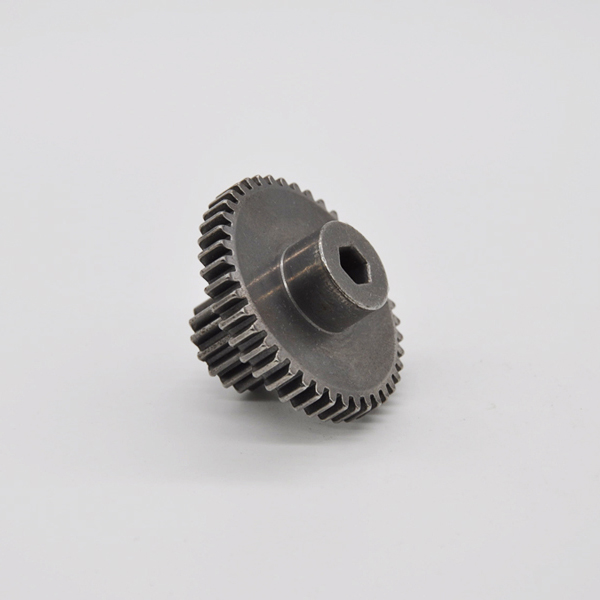
- Advanced Materials and Metallurgy: There's a growing demand for gears made from highly engineered alloys that offer superior strength-to-weight ratios, enhanced wear resistance, and improved fatigue life. This includes specialized steels, powder metallurgy advancements (like those used in a Power Metallurgy Gearbox Part), and even ceramic composites for extreme conditions.
- Precision Manufacturing and Digitalization: The adoption of CNC machining with multi-axis capabilities, laser scanning for precise measurement, and digital twins for predictive maintenance is becoming standard. This allows for tighter tolerances, reduced production errors, and optimized gear geometry.
- Energy Efficiency and Sustainability: Industries are prioritizing components that contribute to lower energy consumption. For bull gears, this means designs that minimize friction, improved surface finishes, and lighter materials. Sustainable manufacturing practices, including waste reduction and recycling, are also gaining traction.
- Integrated Supply Chains: Manufacturers are increasingly seeking partners who can provide end-to-end solutions, from raw material sourcing to final assembly and testing. This involves closer collaboration with gear hob cutters suppliers for specialized tooling and transmission gear suppliers for integrated gearbox solutions.
- Customization and Application-Specific Design: Standard off-the-shelf gears often fall short for unique industrial demands. The trend is towards highly customized bull gears designed for specific load profiles, operational environments (e.g., high temperature, corrosive), and desired service life.
The Meticulous Manufacturing Process of Bull Gears
The production of a high-quality bull gear is a complex, multi-stage process that requires precision, advanced technology, and stringent quality control. Here’s a detailed breakdown:
1. Material Selection and Preparation
The foundation of a durable bull gear lies in its material. Common selections include high-alloy steels such as 42CrMo4, 34CrNiMo6, 18CrNiMo7-6, and SAE 4140/4340, chosen for their excellent strength, toughness, and hardenability. For specific applications requiring enhanced corrosion resistance or reduced weight, stainless steels or specialized cast irons may be employed. Powder metallurgy is also gaining traction for complex, near-net-shape components. All raw materials undergo rigorous testing, including ultrasonic flaw detection and chemical composition analysis, to ensure they meet exact specifications (e.g., ASTM standards).
2. Forming Process: Casting or Forging
- Forging: For critical, high-stress applications, forging is often preferred. This process involves heating steel billets to a plastic state and shaping them under immense pressure. Forging refines the grain structure, eliminates porosity, and aligns the material's grain flow with the gear's contour, resulting in superior mechanical properties, particularly fatigue strength.
- Casting: For very large bull gears or those with intricate internal features, casting (e.g., sand casting or investment casting) is employed. Molten metal is poured into a mold. While casting offers greater design flexibility, it typically requires more extensive subsequent machining and heat treatment to achieve desired mechanical properties.
3. Heat Treatment: Annealing/Normalization
After forming, the gear blank undergoes annealing or normalization to relieve internal stresses, homogenize the microstructure, and improve machinability. This crucial step prepares the material for subsequent machining operations.
4. Rough Machining
The blank is then subjected to rough machining, including turning, milling, and boring, to remove excess material and bring the component close to its final dimensions. This stage also ensures concentricity and flatness, laying the groundwork for precision tooth cutting.
5. Hardening Heat Treatment (Quenching & Tempering)
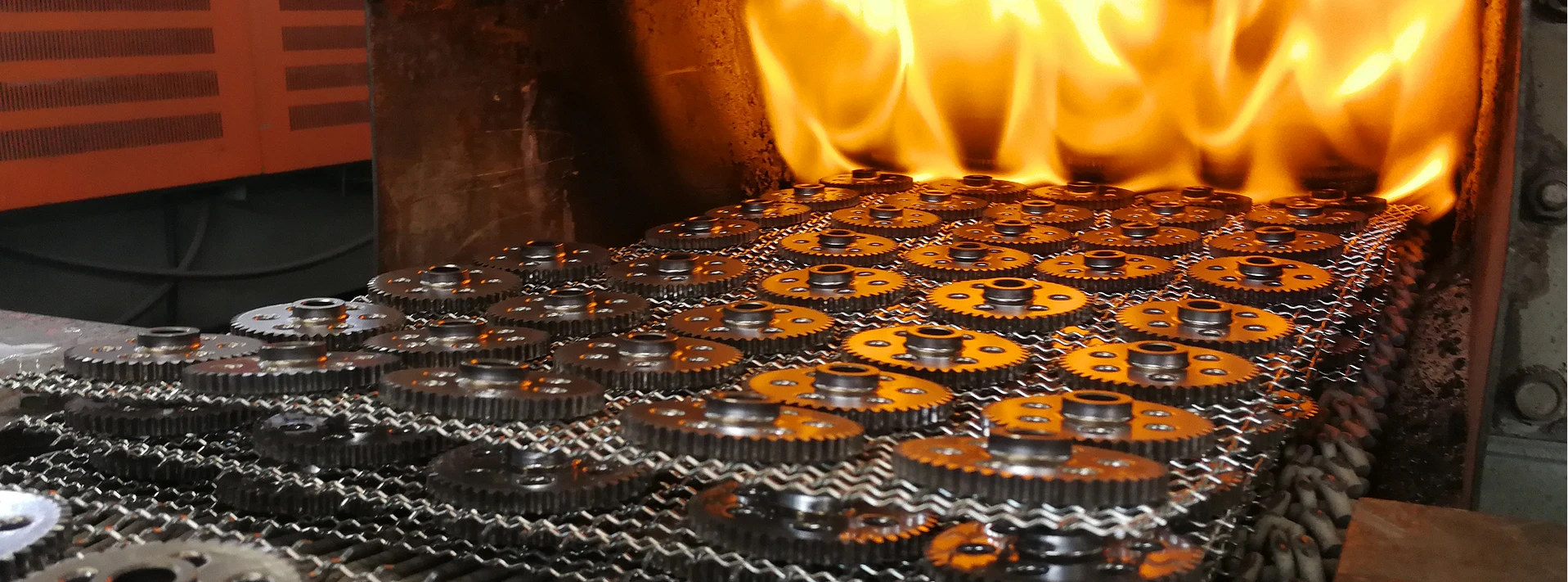
To achieve the required hardness and wear resistance, the gear undergoes quenching and tempering. Quenching involves rapid cooling from high temperatures to form a hard martensitic structure, followed by tempering to reduce brittleness and achieve optimal toughness and hardness (e.g., HRC 58-62 for case-hardened surfaces). Induction hardening and flame hardening are also common for large gears to selectively harden tooth surfaces.
6. Finish Machining and Gear Cutting
This is the most critical stage for achieving gear precision. High-precision CNC gear hobbing, gear shaping, or gear milling machines are used to cut the tooth profiles. For higher accuracy and superior surface finish, subsequent processes like gear grinding, honing, or lapping are applied, especially for gears requiring AGMA Quality 10 or higher.
7. Surface Treatment and Finishing
Depending on the application, additional surface treatments may be applied. These include carburizing (for a hard case and tough core), nitriding (for surface hardness and corrosion resistance), or specialized coatings (e.g., DLC for reduced friction). These treatments enhance service life and performance in challenging environments.
8. Rigorous Inspection and Quality Assurance
Every bull gear undergoes extensive quality control. This includes:
- Dimensional Inspection: Using Coordinate Measuring Machines (CMMs) for precise measurements of diameter, face width, bore, and keyway.
- Gear Tooth Geometry: Specialized gear metrology equipment verifies parameters like profile, lead, pitch accuracy, runout, and helix angle, ensuring compliance with standards such as ISO 1328 or ANSI/AGMA 2015.
- Non-Destructive Testing (NDT): Ultrasonic Testing (UT) and Magnetic Particle Inspection (MPI) are used to detect internal flaws or surface cracks.
- Material Testing: Hardness testing (Rockwell, Vickers, Brinell), metallurgical analysis, and sometimes destructive testing for sample pieces.
- Load Testing: For critical applications, full-scale load testing may be conducted to simulate operational conditions.
Adherence to standards like ISO 9001 (Quality Management Systems) and specific industry standards (e.g., API 671 for petrochemical applications) is non-negotiable for reputable bull gear manufacturers. The expected service life for a well-manufactured and properly maintained bull gear can exceed 20-30 years, demonstrating the long-term value of quality production.
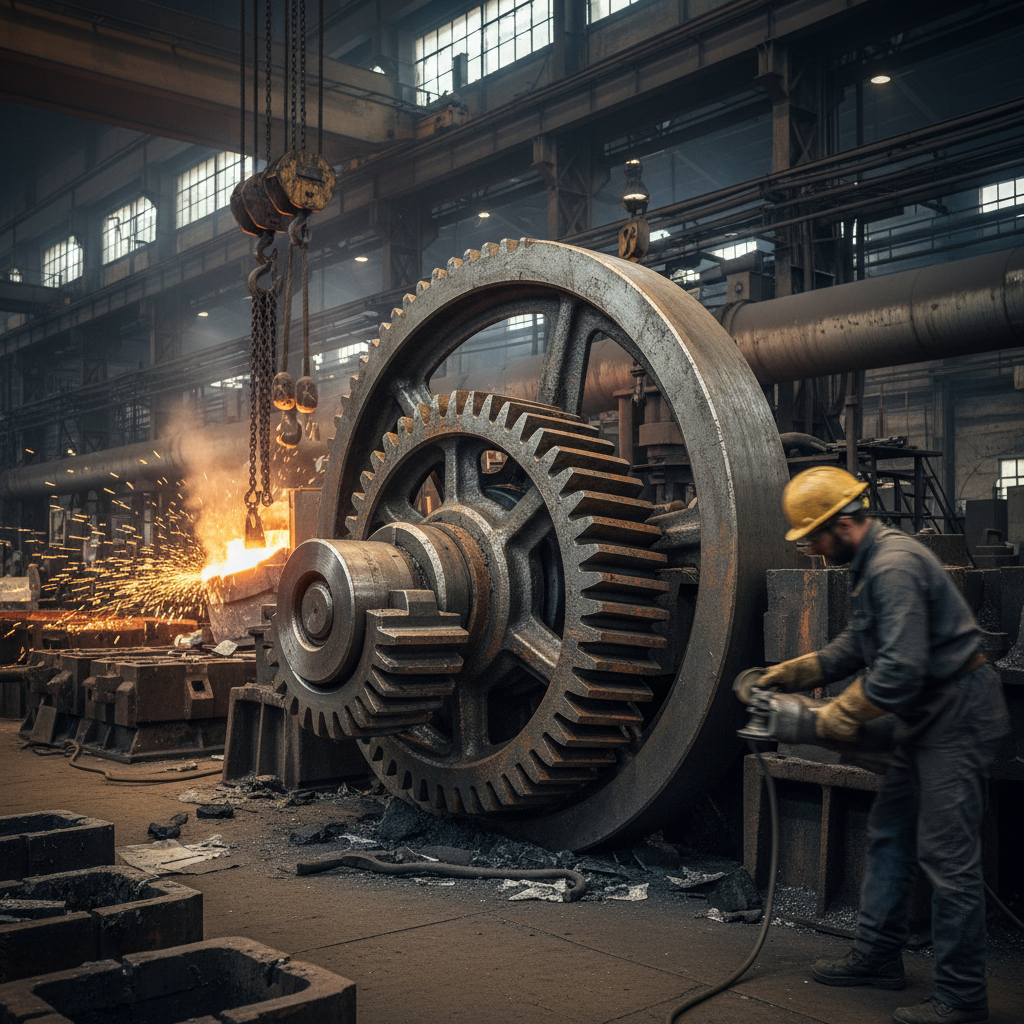
A large bull gear undergoing final inspection, showcasing the scale and precision involved in its manufacturing.
Technical Specifications and Parameters
When sourcing bull gears, understanding key technical specifications is vital. These parameters dictate the gear's suitability for a given application and ensure optimal performance. Below is an example of typical specifications, drawing on principles applicable to high-performance gears, including specialized manufacturing techniques like powder metallurgy used in a Power Metallurgy Gearbox Part.
Table 1: Typical Bull Gear Specification Parameters
These parameters are critical for specifying a bull gear that will perform reliably under the demanding conditions prevalent in heavy industries. Working with experienced bull gear manufacturers ensures that these specifications are met and validated through rigorous testing.
Application Scenarios and Target Industries
Bull gears are indispensable components across a broad spectrum of heavy industries where immense power needs to be reliably transmitted. Their robust construction and capability to handle high torque make them ideal for the most challenging operational environments.
Petrochemical Industry
- Pumps and Compressors: Bull gears are critical in the gearboxes of large industrial pumps and gas compressors, ensuring efficient and continuous operation in refineries, chemical plants, and gas processing facilities. They often operate under high pressure and temperature, requiring materials with excellent thermal stability and corrosion resistance.
- Mixers and Agitators: Used in large-scale mixing tanks for processing various chemicals, requiring high torque for viscous fluid handling.
Metallurgy Industry
- Rolling Mills: In steel and non-ferrous metal rolling mills, bull gears are at the core of heavy-duty reduction gearboxes that drive the rolls, enduring massive shock loads and continuous strain during the shaping of metals.
- Crushers and Grinding Mills: Found in primary and secondary crushing equipment for ores, slag, and other raw materials, where they provide the necessary power to break down large solids.
- Furnace Drive Systems: Used in tilt mechanisms for electric arc furnaces and other large industrial furnaces.
Mining and Cement Production
- Ball Mills and Rod Mills: The largest bull gears are often found driving these massive rotating drums, which are essential for grinding materials like ore, coal, and cement clinker. These gears can have diameters exceeding 10 meters and are subject to extreme loads and abrasive conditions.
- Kiln Drive Systems: Rotary kilns in cement plants, which are crucial for clinker production, rely on robust bull gear and pinion systems for their continuous rotation.
- Conveyor Systems: Large conveyor belts used for bulk material handling in mines and quarries often utilize bull gears in their drive units.
Water Supply & Drainage
- Large Pumping Stations: Used in the gearboxes of high-capacity pumps for municipal water treatment, flood control, and irrigation systems.
- Sludge Treatment Machinery: Drives for large agitators and conveyors in wastewater treatment plants.
The diversity of these applications underscores the need for bull gear manufacturers to offer not just standardized products but also highly customized solutions tailored to the unique operational parameters and environmental challenges of each industry.
Technical Advantages and Performance Benefits
Investing in high-quality bull gears from reputable manufacturers yields substantial technical advantages and performance benefits that translate directly into operational efficiency and cost savings for industrial clients.
- Exceptional Torque Transmission: Bull gears are engineered to transfer immense rotational forces, making them ideal for heavy-duty machinery where high power density is required to drive large loads or overcome significant resistance. Their large size and robust tooth profiles are specifically designed for this purpose.
- Superior Durability and Wear Resistance: Through the meticulous selection of high-grade alloy steels and advanced heat treatment processes (e.g., carburizing, nitriding, induction hardening), bull gears achieve exceptional surface hardness while maintaining a tough core. This combination minimizes wear, pitting, and fatigue, significantly extending the operational life of the gear.
- Precision and Efficiency: High-precision manufacturing processes, including CNC hobbing, grinding, and stringent metrology, ensure that tooth profiles and geometries are perfectly optimized. This precision leads to smoother meshing, reduced backlash, lower friction, and consequently, higher power transmission efficiency. Energy saving is a direct result of these optimized designs, which can reduce power losses by several percentage points, leading to substantial operational cost reductions over the gear's lifespan.
- Corrosion Resistance: For applications in harsh environments (e.g., marine, chemical processing, mining), bull gears can be manufactured from specialized corrosion-resistant alloys (like stainless steels) or undergo advanced surface treatments and coatings (e.g., phosphating, galvanizing) to protect against chemical degradation and environmental factors. This ensures operational integrity and reduces maintenance frequency.
- Reduced Noise and Vibration: The high accuracy of tooth profiles and careful balancing of large gears contribute to significantly reduced noise levels and vibration during operation. This not only improves working conditions but also minimizes stress on surrounding machinery components, extending their service life as well.
- Long Service Life with Minimal Maintenance: Given their robust design, high-quality materials, and precise manufacturing, bull gears offer an extended service life, often measured in decades, with minimal need for unscheduled maintenance or replacement. This translates to lower total cost of ownership (TCO) and improved uptime for industrial operations.
These advantages collectively highlight why sourcing bull gears from specialized bull gear manufacturers with proven expertise and adherence to international quality standards is a critical strategic decision for any heavy industry operation.
Vendor Comparison and Selection Criteria
Choosing the right bull gear manufacturers is a decision that impacts the long-term performance and profitability of industrial operations. A thorough vendor comparison based on critical criteria is essential.
Table 2: Vendor Comparison Criteria for Bull Gear Manufacturers
A thorough evaluation based on these criteria ensures that the chosen manufacturer is a reliable partner capable of delivering high-performance, long-lasting bull gears that meet stringent industry requirements.
Customized Solutions for Unique Industrial Demands
While standard bull gears serve many applications, highly specialized industrial equipment often requires bespoke solutions. Leading bull gear manufacturers excel in providing customized gears engineered to specific, often extreme, operational parameters.
Customization can involve:
- Tailored Gear Geometry: Optimizing tooth profile, helix angle, and pressure angle for unique load distributions, speed requirements, and noise reduction targets. This includes specialized designs for planetary gear sets or complex multi-stage gearboxes.
- Material Specification: Selecting alloys based on specific environmental factors such as extreme temperatures, corrosive chemicals, abrasive particles, or vacuum conditions. For instance, using bronzes for self-lubricating properties or nickel alloys for high-temperature strength.
- Advanced Heat Treatments and Surface Coatings: Applying specialized hardening techniques (e.g., cryogenic treatment for enhanced wear resistance) or advanced coatings (e.g., PVD/CVD coatings for reduced friction or increased hardness) to meet performance demands beyond standard treatments.
- Integrated Design: Collaborating with clients to integrate bull gears seamlessly into existing or new gearbox designs, including considerations for shaft integration, bearing fits, and sealing arrangements. This is particularly relevant when working with transmission gear suppliers to build complete drive systems.
- Modular or Segmented Designs: For extremely large gears, customization may involve designing them in segments for easier transportation, installation, and maintenance, without compromising structural integrity or load-bearing capacity.
This bespoke engineering approach ensures that the bull gear precisely matches the application's requirements, maximizing efficiency, extending lifespan, and reducing the likelihood of premature failure in critical operations.
Application Case Studies
Real-world examples highlight the impact of high-quality bull gears in demanding industrial settings.
Case Study 1: Cement Mill Upgrade for Enhanced Efficiency
A major cement producer faced consistent downtime and high energy consumption from aging bull gears in their primary ball mill. They partnered with an experienced bull gear manufacturer to design and supply a replacement gear. The new bull gear featured an optimized double helical design, crafted from 34CrNiMo6 alloy steel with a case-hardened surface (HRC 60) and precision ground teeth (AGMA Quality 10). Post-installation, the mill observed a 7% reduction in energy consumption due to improved meshing efficiency and reduced friction. Furthermore, vibrations were reduced by 15%, extending the service life of associated bearings and pinions and resulting in an estimated 30% increase in mean time between failures (MTBF).
Case Study 2: Petrochemical Compressor Reliability Improvement
A large petrochemical plant required a critical bull gear for a high-speed centrifugal compressor, demanding adherence to stringent API 671 standards for reliability and vibration. The chosen bull gear manufacturers utilized aerospace-grade 18CrNiMo7-6 steel, precision forged and vacuum carburized to achieve exceptionally high surface hardness and core toughness. Each gear underwent extensive non-destructive testing, including full volumetric ultrasonic inspection and magnetic particle inspection, as well as dynamic balancing. The result was a bull gear that not only met all API vibration and noise specifications but also demonstrated superior fatigue resistance, ensuring continuous operation in a highly critical application with zero unplanned downtime attributed to gear failure over a five-year period.
These cases exemplify how strategic investment in high-quality, precision-engineered bull gears from authoritative suppliers translates into tangible benefits, including improved operational efficiency, reduced maintenance costs, and enhanced overall system reliability.
Frequently Asked Questions (FAQ) About Bull Gears
- Q1: What exactly defines a bull gear?
- A bull gear is generally characterized by its large diameter and heavy-duty construction, designed to transmit significant torque and power in large industrial machinery. It is typically the largest gear in a gear train and is often paired with a smaller pinion.
- Q2: What materials are commonly used for manufacturing bull gears?
- Common materials include high-alloy steels (e.g., 42CrMo4, 34CrNiMo6, 18CrNiMo7-6, SAE 4140/4340) for their strength and hardenability. For specific applications, cast iron, bronze, or advanced powder metallurgy alloys might be used for their particular properties.
- Q3: How do bull gear manufacturers ensure high precision and quality?
- Precision is ensured through advanced CNC machining (hobbing, grinding), precise heat treatments, and comprehensive quality control. This includes CMM inspections, gear metrology for tooth geometry, non-destructive testing (UT, MPI), and adherence to international standards like ISO 9001, ISO 1328, and ANSI/AGMA.
- Q4: What is the typical service life of a well-maintained bull gear?
- With proper material selection, manufacturing quality, and routine maintenance, bull gears are designed for an exceptionally long service life, often exceeding 20-30 years in continuous operation. This longevity is a hallmark of reputable bull gear manufacturers.
- Q5: Can bull gears be customized for specific industrial applications?
- Absolutely. Customization is a key service offered by leading manufacturers. This includes tailoring gear geometry, material selection, heat treatment, and surface finishes to meet unique load requirements, environmental conditions, and integration specifications for specific machinery.
Lead Time, Warranty, and After-Sales Support
Understanding the logistical and support aspects is as crucial as the technical specifications when engaging with bull gear manufacturers.
Lead Time and Fulfillment
The lead time for bull gear manufacturing varies significantly based on size, complexity, material availability, and the specific manufacturing processes required (e.g., forging, heat treatment cycles, precision grinding). For standard designs and materials, lead times can range from 8 to 16 weeks. For highly customized, large-diameter, or complex bull gears, lead times typically extend from 16 to 30 weeks or more. Reputable manufacturers provide detailed production schedules and regular updates to ensure transparency and reliable fulfillment. Expedited services may be available for critical, time-sensitive projects.
Warranty Commitments
Leading bull gear manufacturers typically offer comprehensive warranties, reflecting their confidence in product quality and durability. Warranty periods commonly range from 1 to 5 years, depending on the product type, application, and operating conditions. These warranties usually cover defects in material and workmanship under normal operating conditions. It is essential for clients to review warranty terms, including coverage details, conditions for claims, and support procedures, to ensure peace of mind.
Customer Support and After-Sales Service
Robust after-sales support is a hallmark of a reliable manufacturing partner. This typically includes:
- Technical Assistance: Expert advice on installation, lubrication, maintenance, and troubleshooting.
- Spare Parts Provision: Availability of replacement pinions, bearings, or other associated components.
- On-site Support: Deployment of engineers for inspection, diagnostic, or repair services, especially for large and critical installations.
- Maintenance Contracts: Offering long-term service agreements for preventive maintenance and performance optimization.
Conclusion and Authoritative References
The demand for high-performance bull gears in heavy industries underscores the critical role of specialized bull gear manufacturers. Their ability to deliver precision-engineered components, tailored to specific operational requirements and built to withstand extreme conditions, directly impacts the efficiency, reliability, and longevity of capital-intensive machinery. From meticulous material selection and advanced manufacturing processes to rigorous quality assurance and comprehensive after-sales support, every stage of production is geared towards ensuring unparalleled performance. As industries continue to evolve, the partnership with leading manufacturers capable of innovation in materials, design, and precision will remain paramount for achieving sustainable operational excellence.
References
- International Organization for Standardization. ISO 6336-1:2019, "Calculation of load capacity of spur and helical gears — Part 1: Basic principles, introduction and general influence factors."
- American Gear Manufacturers Association. ANSI/AGMA 2001-D04, "Fundamental Rating Factors and Calculation Methods for Involute Spur and Helical Gear Teeth."
- ASM International. "ASM Handbook, Volume 1: Properties and Selection: Irons, Steels, and High-Performance Alloys."
- Khaled, K. "Advances in Surface Engineering: An Overview." Journal of Materials Science and Chemical Engineering, 2017.
- API (American Petroleum Institute). API Standard 671, "Special Purpose Couplings for Petroleum, Petrochemical and Natural Gas Industries."