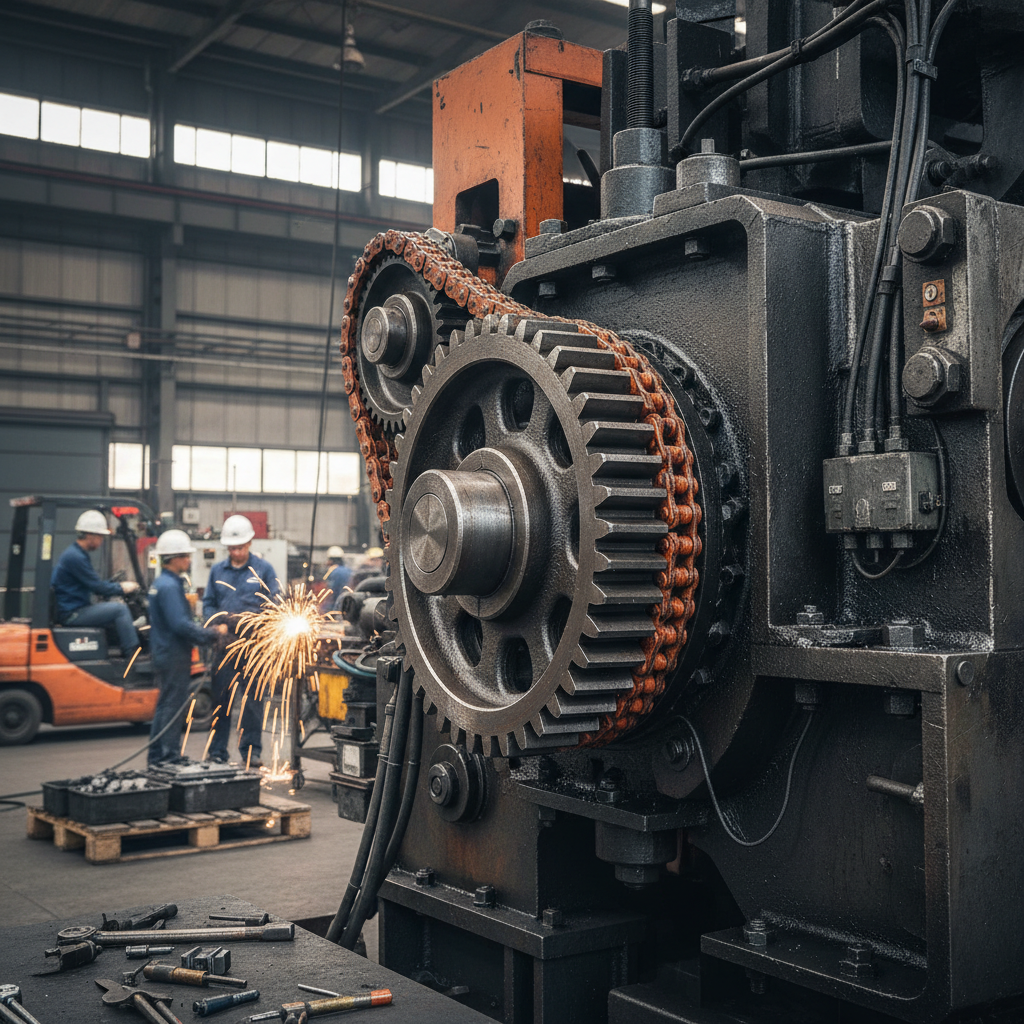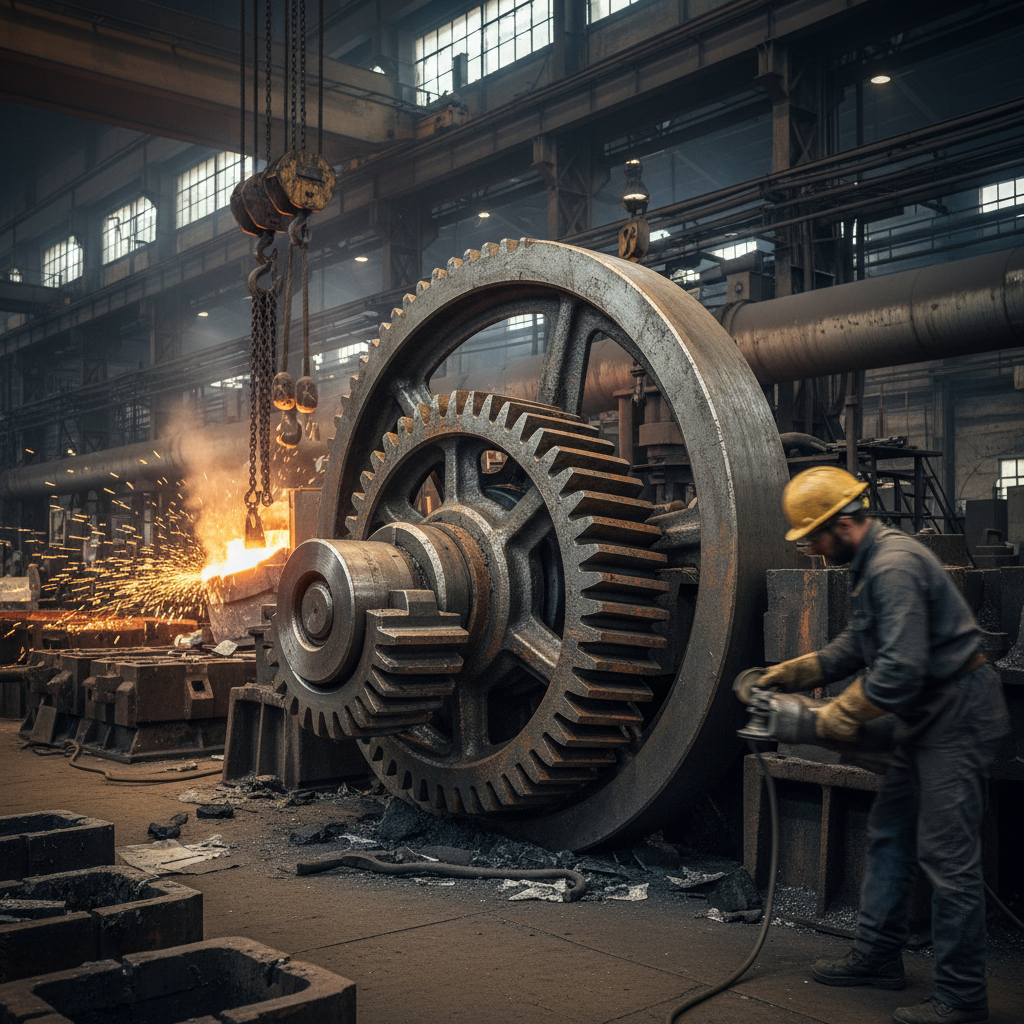





Industry Trends and the Evolving Landscape of Precision Gearing
The global industrial landscape is continuously evolving, demanding higher precision, greater durability, and enhanced efficiency from its mechanical components. Gears, as fundamental elements in power transmission systems, are at the heart of this evolution. Modern industry trends, driven by automation, electrification, and the push for sustainable operations, highlight a critical need for advanced gearing solutions. This includes a shift towards materials with superior strength-to-weight ratios, innovative manufacturing techniques that achieve tighter tolerances, and intelligent design philosophies that integrate predictive maintenance capabilities.
The demand for customized complex gears is accelerating across sectors such as aerospace, renewable energy, robotics, and heavy machinery. These applications often present unique challenges related to extreme operating conditions, specific space constraints, or bespoke performance requirements that standard off-the-shelf components cannot adequately address. Consequently, the ability of gears video demonstrations and detailed product information to showcase these intricate solutions becomes invaluable for B2B decision-makers and design engineers seeking robust, reliable, and application-specific components. Understanding the intricate process, from material selection to final testing, is paramount for ensuring optimal system performance and longevity.
The focus is not just on producing gears but on engineering comprehensive power transmission solutions that minimize energy loss, reduce noise and vibration, and extend operational lifecycles, even in the most demanding environments. This requires a deep understanding of metallurgy, mechanical engineering principles, and advanced manufacturing technologies.
The Manufacturing Process of Customized Complex Gears
The creation of a customized complex gear involves a meticulously planned and executed multi-stage manufacturing process, designed to meet the most stringent specifications for performance and reliability. Every step is critical in ensuring the final product delivers superior operational efficiency and an extended service life. The process begins with conceptualization and moves through precision manufacturing to rigorous quality assurance.
1. Design and Engineering Consultation
The journey of a customized gear starts with a detailed consultation. Engineers collaborate with clients to understand specific application requirements, load profiles, speed ratios, operating temperatures, and environmental conditions. This information is translated into CAD models (Computer-Aided Design) and CAE simulations (Computer-Aided Engineering) to optimize gear geometry, material selection, and predicted performance. Parameters such as module, pressure angle, helix angle, and face width are carefully defined.
2. Material Selection and Preparation
Material choice is paramount, impacting strength, wear resistance, and corrosion properties. Common materials for industrial gears include various grades of steel gears suppliers offering alloys such as AISI 4140, 4340, 8620, and specialized tool steels. For applications requiring extreme toughness or corrosion resistance, stainless steels or specific bronze alloys may be selected. The raw material undergoes initial inspection for defects and chemical composition verification.
3. Primary Forming Processes
- Forging: Hot or cold forging is often preferred for high-strength gears. This process refines the grain structure, enhancing mechanical properties like tensile strength and fatigue resistance. Forged blanks provide a superior foundation for subsequent machining.
- Casting: For larger, more complex geometries or specific material requirements, sand casting or investment casting can be utilized. While offering design flexibility, cast gears typically require more extensive machining and heat treatment to achieve desired properties.
- Sintering (Powder Metallurgy): For certain complex geometries and materials, especially with high-volume production, powder metallurgy offers excellent material utilization and near-net-shape capabilities.
4. Machining and Gear Cutting
- Rough Machining: CNC turning and milling operations shape the gear blank to near-final dimensions, preparing it for gear cutting.
- Gear Cutting: This is the precision stage where teeth are formed.
- Hobbing: A highly efficient method for producing spur, helical, and worm gears.
- Shaping: Ideal for internal gears, cluster gears, and gears with close shoulders.
- Milling: Used for very large gears or prototypes.
- Grinding: For the highest precision gears (e.g., AGMA 10+), gear grinding refines tooth profiles, removes distortion from heat treatment, and achieves superior surface finish and accuracy.
5. Heat Treatment
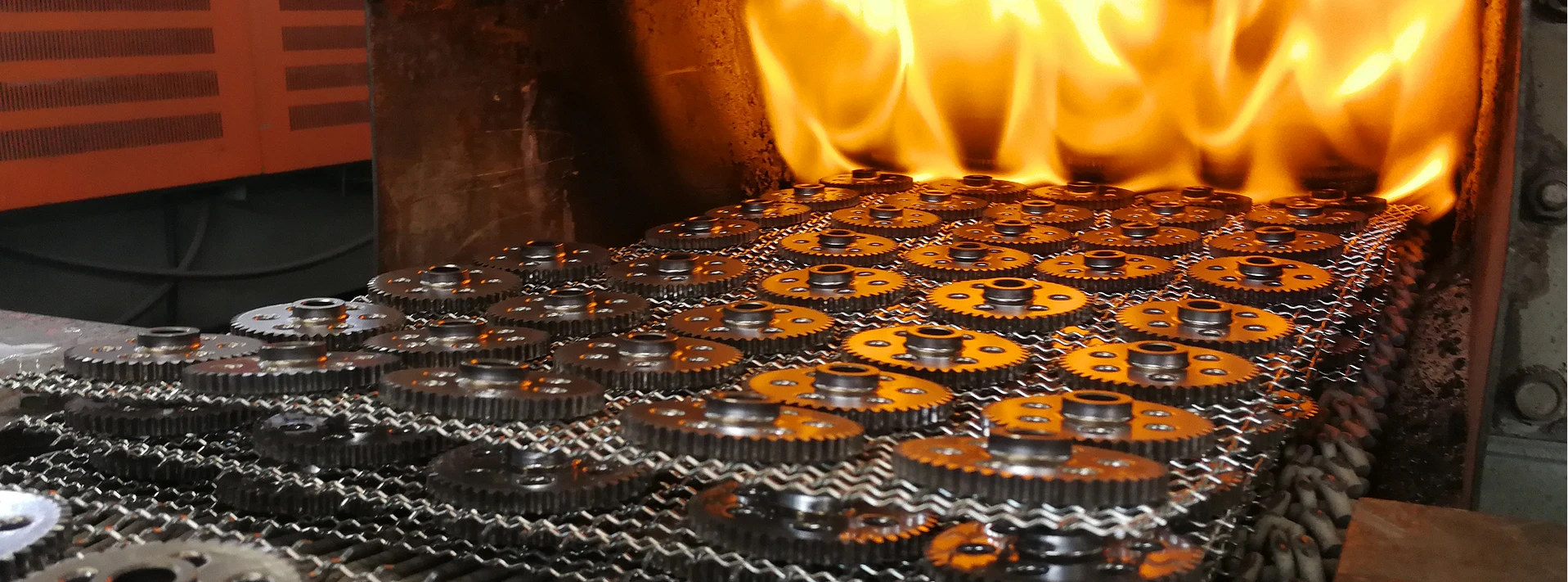
Heat treatment is crucial for enhancing the mechanical properties of the gear, such as hardness, wear resistance, and fatigue strength. Common processes include:
- Carburizing: Introduces carbon to the surface, followed by quenching and tempering, to create a hard case and a tough core. This is vital for gears subjected to heavy impact and surface wear.
- Nitriding: Hardens the surface by introducing nitrogen, resulting in excellent wear and corrosion resistance with minimal distortion.
- Induction Hardening: Selectively hardens specific areas, like tooth flanks, providing localized hardness with a relatively soft core.
- Through Hardening: Applies to materials like 4140, where the entire gear is hardened and then tempered to achieve a uniform hardness and strength.
6. Finishing and Surface Treatments
Depending on the application, additional finishing processes may be applied:
- Lapping/Honing: Fine-finishing processes for extremely precise tooth surfaces, reducing noise and improving meshing efficiency.
- Surface Coatings: For enhanced corrosion resistance, reduced friction, or specific wear properties (e.g., DLC - Diamond-like Carbon, PVD - Physical Vapor Deposition).
7. Quality Control and Testing Standards
Adherence to international standards is non-negotiable for high-performance gears. Every customized complex gear undergoes rigorous inspection to ensure compliance with design specifications and industry benchmarks such as ISO (International Organization for Standardization), AGMA (American Gear Manufacturers Association), and DIN (Deutsches Institut für Normung). Key tests include:
- CMM Inspection: Coordinate Measuring Machines verify dimensional accuracy, tooth profile, and lead.
- Gear Roll Testing: Assesses composite error, including runout, tooth-to-tooth composite error, and total composite error.
- Hardness Testing: Rockwell, Brinell, or Vickers tests verify case and core hardness.
- Non-Destructive Testing (NDT): Magnetic particle inspection or ultrasonic testing to detect surface and subsurface flaws.
- Metallurgical Analysis: Microstructure evaluation to confirm grain structure and heat treatment effectiveness.
This comprehensive process ensures that each customized complex gear meets the precise engineering requirements, delivering exceptional performance and an extended service life in its intended application.
Technical Specifications and Parameters for Customized Complex Gears
Precision and reliability are governed by adherence to specific technical parameters. For customized complex gears, these specifications are tailored to the application's unique demands. Below is an example of typical parameters that are crucial for engineering and evaluating high-performance gears.
These parameters are meticulously engineered and verified during production to ensure each gears video demonstrates superior quality and performance, contributing to the overall reliability and efficiency of critical industrial systems.
Application Scenarios and Technical Advantages
Customized complex gears are indispensable across a wide array of demanding industries, where standard components often fall short. Their tailored design and robust construction provide significant technical advantages, directly translating to improved operational efficiency, reduced maintenance, and enhanced safety.
Target Industries and Typical Applications:
- Petrochemical: Used in pumps, compressors, and agitators operating in corrosive, high-temperature, and high-pressure environments. Advantages include superior corrosion resistance through specialized materials and coatings, as well as high torque transmission capability under extreme loads.
- Metallurgy & Mining: Essential for heavy-duty reducers, rolling mills, and crushers. Gears here must withstand immense shock loads and abrasive conditions. Custom gears offer enhanced durability, extended service life, and robust designs capable of continuous operation in harsh environments.
- Water Supply & Drainage: Integrated into large-scale pump stations, valve actuation systems, and filtration equipment. Key advantages are reliable long-term performance, resistance to water and chemical exposure, and energy-efficient designs that reduce operational costs.
- Wind Energy: Critical components in wind turbine gearboxes, where they manage massive torque fluctuations and require exceptional fatigue resistance for decades of operation. Custom solutions optimize efficiency and minimize downtime.
- Aerospace & Defense: Lightweight, high-precision gears for aircraft actuation systems, engine components, and specialized defense equipment. Here, the emphasis is on stringent weight-to-power ratios, extreme reliability, and performance under varied atmospheric conditions.
- Marine & Offshore: Used in propulsion systems, winches, and drilling equipment, demanding excellent corrosion resistance against saltwater and high load-bearing capacity.
Key Technical Advantages:
- Optimized Energy Efficiency: Precision tooth profiles and superior surface finishes minimize friction and reduce power loss, leading to significant energy savings over the operational life of the equipment. For example, a well-engineered gears video showcasing efficient meshing can highlight this benefit.
- Enhanced Corrosion Resistance: Through the selection of specific alloy steels, stainless steels, or advanced surface coatings (e.g., nickel plating, specialized paints, DLC), gears can withstand aggressive chemical environments, extending life in marine or chemical processing plants.
- Superior Wear Resistance: Advanced heat treatments like carburizing, nitriding, or induction hardening create extremely hard surface layers, drastically reducing wear even under continuous heavy loads and abrasive conditions, significantly extending the service life of the components.
- Reduced Noise and Vibration: High-precision manufacturing, including grinding and honing, ensures smooth tooth engagement, minimizing backlash and vibration, which contributes to quieter operation and reduced fatigue on adjacent components.
- Increased Load-Bearing Capacity: Custom designs can optimize tooth geometry and material strength to handle higher torque and shock loads than standard gears, preventing premature failure in heavy-duty applications.
- Extended Service Life: The combination of optimized design, high-quality materials, precision manufacturing, and appropriate heat treatments results in gears with significantly longer operational lifespans, reducing maintenance cycles and total cost of ownership.
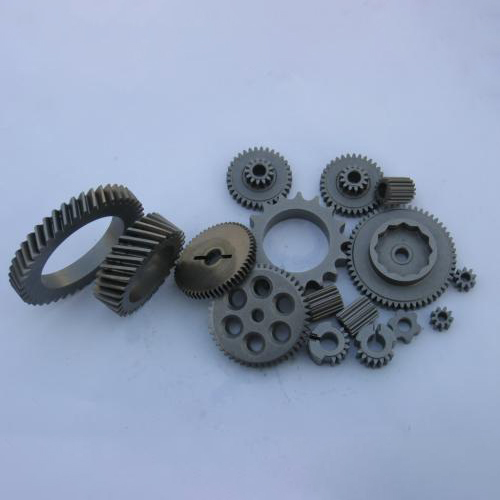
These advantages underscore why industries invest in specialized gear solutions, recognizing that the initial investment in a high-quality, customized component yields substantial long-term returns through improved performance and reliability.
Vendor Comparison for Gear Manufacturing
Choosing the right gear making company is a critical decision that impacts product performance, project timelines, and overall cost-effectiveness. The market offers a spectrum of suppliers, from high-volume general manufacturers to specialized custom gear producers. Understanding their differentiators is key for B2B procurement professionals.
For mission-critical applications where failure is not an option, the expertise and comprehensive support offered by a specialized custom gear making company providing solutions like complex gears video insights far outweigh the immediate cost savings of off-the-shelf components. The long-term reliability and performance gains are significant.
Customized Solutions and Collaborative Engineering
The essence of customized complex gears lies in their ability to precisely meet specific operational demands that standard gears cannot fulfill. This capability is born from a highly collaborative engineering process, where the client's unique challenges drive the innovation from design to delivery.
A dedicated gear making company typically operates on a principle of co-creation, engaging closely with the client's engineering team. This partnership ensures that every aspect, from initial concept to final production, is aligned with the application's performance metrics and environmental factors. This collaborative approach covers:
- Detailed Requirements Analysis: Understanding not just the gear's function but its interaction within the entire mechanical system. This includes specific load cycles, operational speeds, temperature ranges, lubrication types, and critical maintenance intervals.
- Material Engineering: Recommending and, if necessary, developing specific material compositions or heat treatment protocols to achieve desired properties like high wear resistance, impact toughness, or corrosion immunity for components like steel gears suppliers offer.
- Geometry Optimization: Fine-tuning tooth profiles, helix angles, pressure angles, and other geometric parameters to minimize backlash, reduce noise, and optimize power transmission efficiency. This often involves advanced Finite Element Analysis (FEA) to simulate stress distribution and predict performance under various load conditions.
- Prototyping and Iteration: For novel designs, rapid prototyping and thorough testing of initial samples allow for real-world validation and iterative refinement, ensuring the final product performs as expected.
- Quality Assurance Planning: Developing a tailored Quality Control Plan that includes specific inspection points, measurement techniques, and acceptance criteria relevant to the custom gear's precision requirements and intended use.
This in-depth engagement goes beyond merely manufacturing a part; it's about providing a precision-engineered solution that enhances the client's equipment performance and contributes to their competitive advantage.
Application Case Studies
Real-world applications demonstrate the tangible benefits of investing in customized complex gears. These case studies highlight how precision engineering solves critical industrial challenges.
Case Study 1: High-Torque Gearbox for a Steel Rolling Mill
A major metallurgy client operating a steel rolling mill faced recurring failures in their main drive gearbox due to immense shock loads and continuous operation at high temperatures. The original standard gears were experiencing premature tooth pitting and fatigue fractures, leading to significant downtime and production losses. Our engineering team designed and manufactured a customized large-module helical gear set from a proprietary alloy steel (equivalent to 4340 modified), incorporating a deep case carburization heat treatment. The gears were manufactured to AGMA Q12 precision. Post-installation, the new gearbox achieved a 40% increase in load capacity and has operated continuously for over five years without a single failure, a 250% improvement over the previous solution. This success was partly attributed to the meticulous design and rigorous testing processes, often documented in gears video demonstrations.
Case Study 2: Corrosion-Resistant Gears for Offshore Drilling Equipment
An offshore drilling platform operator required highly reliable, corrosion-resistant gears for a subsea valve actuation system. The gears would be constantly exposed to saltwater and extreme pressures. Standard stainless-steel gears proved inadequate over time due to pitting corrosion and crevice corrosion under stress. We engineered a custom solution utilizing a super duplex stainless steel (e.g., UNS S32750), combined with a specialized ceramic-polymer coating for enhanced surface protection. The gears were precision-machined to ISO Class 6 and underwent extensive salt spray and pressure testing. The resulting components demonstrated superior longevity, extending the system's maintenance interval by over 300% and significantly reducing the risks associated with subsea repairs.
Case Study 3: Lightweight, High-Precision Gears for Robotics
A leading robotics manufacturer sought to reduce the weight and improve the precision of robotic arm joints for enhanced agility and accuracy. The existing aluminum gears suffered from wear and insufficient stiffness. Our team developed a unique planetary gear set using a high-strength aluminum-lithium alloy, which was then hard-anodized and surface-treated for wear resistance. The tooth profiles were optimized using advanced cycloidal forms, and the gears were precision-ground to AGMA Q14 standards. This resulted in a 15% weight reduction per joint, a 25% improvement in positional accuracy, and a significant increase in the operational lifespan of the robotic arm, pushing the boundaries of what is possible with precision gearing.
Ensuring Trustworthiness: FAQ, Lead Times, Warranty, and Support
Building trust with B2B clients relies on transparency, clear commitments, and robust support systems. For complex components like customized gears, these elements are crucial for long-term partnerships.
Frequently Asked Questions (FAQ):
- Q: What information do you need to provide a quote for a customized gear?
A: We require detailed engineering drawings (CAD files preferred), material specifications, heat treatment requirements, precision class, expected annual volume, and application details (e.g., operating environment, load, speed). A clear understanding of the application context allows us to suggest optimal solutions. - Q: What types of materials can you work with for custom gears?
A: We specialize in a wide range of ferrous and non-ferrous alloys, including various grades of alloy steels (e.g., AISI 4140, 4340, 8620), stainless steels (300 and 400 series, Duplex), tool steels, bronzes, and high-performance engineering plastics for specific applications. Our metallurgy team can recommend the best material for your specific requirements. - Q: What are your typical precision capabilities?
A: We routinely manufacture gears to AGMA Quality Class 12-14 and ISO Class 4-6, suitable for aerospace, robotics, and other high-precision applications. Our state-of-the-art grinding and inspection equipment ensures these tight tolerances are met. - Q: How do you ensure the quality of your customized gears?
A: Our quality management system is certified to ISO 9001 and, for specific sectors, AS9100. We implement multi-stage inspections, including CMM, gear roll testing, metallurgical analysis, and NDT, throughout the manufacturing process. Full material and process traceability is maintained for every batch. - Q: Can you assist with reverse engineering for existing components?
A: Yes, our engineering team can perform reverse engineering using advanced scanning and measurement technologies to replicate or improve existing gear designs where original drawings are unavailable.
Lead Time and Fulfillment Details:
Lead times for customized complex gears vary significantly based on design complexity, material availability, required precision, heat treatment cycles, and order volume. Typically, initial prototypes can range from 8-16 weeks, with production orders following a more streamlined schedule once the design is validated. We provide detailed project timelines, including key milestones, after the engineering review. Our robust supply chain and in-house manufacturing capabilities for steel gears suppliers enable us to minimize lead times while maintaining quality.
Warranty Commitments:
All our customized complex gears are backed by a comprehensive warranty against defects in materials and workmanship, typically for a period of 12-24 months from the date of shipment, or based on specified operating hours, whichever comes first. Specific warranty terms are outlined in our sales agreements and may be extended for certain applications or through service contracts.
Customer Support and After-Sales Service:
Our commitment extends beyond delivery. We offer extensive after-sales support, including technical assistance, troubleshooting, and field service when required. Our engineers are available to provide guidance on installation, maintenance best practices, and performance optimization. We also maintain detailed records of each custom gear project to facilitate future reorders or design modifications efficiently. This ensures continuous operational excellence and client satisfaction, reinforced by a comprehensive gears video demonstration of our support process.
References
- AGMA. (2022). ANSI/AGMA 2004-C08, Gear Materials and Heat Treatment Manual. American Gear Manufacturers Association.
- ISO. (2019). ISO 1328-1:2019, Cylindrical gears - ISO system of accuracy - Part 1: Definitions and allowable values of deviations relevant to corresponding flanks of gear teeth. International Organization for Standardization.
- ASM Handbook, Volume 4A: Steel Heat Treating Fundamentals and Processes. (2013). ASM International.