







Motorcycle Components: Key Parts for Drivetrain, Valve Train, and Precision Repairs
Motorcycles rely on a network of specialized motorcycle components to deliver smooth power, precise shifting, and reliable performance—from the drivetrain that transfers engine force to the wheels to the valve train that controls airflow. Whether you’re maintaining critical parts like the Driven Plate and Cam Ring, replacing a worn Synchronizer Ring for smoother gear changes, or undertaking a camshaft replacement to restore engine timing, understanding these components is essential for keeping rides safe and efficient. This guide breaks down their functions, common issues, and best practices for maintenance and replacement, ensuring you can address both routine wear and unexpected repairs with confidence.
Motorcycle Components: The Backbone of Drivetrain and Valve Train Performance
Motorcycle components encompass every part that keeps a bike running, but those related to the drivetrain and valve train are 尤为 critical—they directly impact power delivery, shifting, and engine longevity. The drivetrain includes parts like the Driven Plate (a key component of the clutch system) and Synchronizer Ring (essential for smooth manual shifting), while the valve train relies on components like the Cam Ring (a subset of camshaft systems) and the camshaft itself. Each of these motorcycle components is engineered to work in harmony: for example, the Driven Plate transfers torque from the engine to the transmission, while the Synchronizer Ring ensures the transmission’s gears align seamlessly during shifts, preventing grinding and wear.
What makes these motorcycle components unique is their precision—even small defects (like a warped Driven Plate or a worn Synchronizer Ring) can lead to major issues, such as clutch slippage, difficulty shifting, or even engine damage. For instance, a damaged Cam Ring (which controls valve timing in some engine designs) can disrupt airflow into the combustion chamber, reducing power and increasing fuel consumption. This is why regular inspection and timely replacement of these motorcycle components are non-negotiable, whether you’re maintaining a daily commuter bike or a high-performance sportbike. Understanding how each part functions and interacts with others also helps diagnose problems faster: if a bike struggles to shift into third gear, the Synchronizer Ring for that gear is a likely culprit, saving time and money on unnecessary repairs.
Driven Plate: The Clutch’s Torque-Transferring Workhorse
The Driven Plate (also called the clutch disc) is a central component of a motorcycle’s clutch system, tasked with transferring torque from the engine’s flywheel to the transmission input shaft. It sits between the flywheel (connected to the engine) and the pressure plate (which applies force to engage the clutch), and its design is tailored to handle the friction and heat generated during clutch engagement and disengagement. Most Driven Plates feature a metal core with friction linings (made of organic material, ceramic, or metallic compounds) bonded to both sides—these linings create the friction needed to grip the flywheel and pressure plate, ensuring smooth torque transfer.
Common issues with Driven Plates stem from wear and overheating. Over time, the friction linings can wear thin (visible as grooves or bald spots), leading to clutch slippage—this happens when the Driven Plate can’t grip the flywheel firmly, causing the engine to rev without increasing the bike’s speed. Another problem is warping, often caused by aggressive riding (like frequent hard starts or stop-and-go traffic), which prevents the Driven Plate from making full contact with the flywheel, resulting in uneven torque transfer and clutch chatter. For high-performance bikes (like sportbikes used for track days), metallic friction linings are preferred for the Driven Plate—they handle higher temperatures better than organic linings but may be noisier.
When replacing a Driven Plate, it’s critical to match it to the bike’s make and model: a Driven Plate for a 150cc commuter bike (like a Honda CB150R) has a smaller diameter and thinner friction linings than one for a 1000cc sportbike (like a Yamaha YZF-R1). It’s also recommended to replace the pressure plate and clutch bearing at the same time—these parts wear alongside the Driven Plate, and mixing old and new components can lead to premature failure. Proper installation involves torquing the pressure plate bolts to the manufacturer’s specs (typically 10–15 Nm) and adjusting the clutch cable to ensure the Driven Plate engages and disengages smoothly, preventing unnecessary strain on the clutch system.
Cam Ring: Precision Timing for Valve and Hydraulic Systems
The Cam Ring is a specialized motorcycle component that plays two key roles, depending on the engine design: in some valve train systems (especially older or simpler engines), it acts as a stationary outer ring that guides the movement of cam followers or tappets, ensuring consistent valve timing; in hydraulic clutch or brake systems (common in modern bikes), it’s part of the master cylinder, controlling the flow of hydraulic fluid to engage the clutch or brakes. Regardless of its application, the Cam Ring is engineered for precision—even minor wear can disrupt timing or hydraulic pressure, leading to performance issues.
In valve train applications, the Cam Ring features grooves or lobes that align with the camshaft’s rotation, guiding tappets to open and close valves at the correct intervals. Over time, these grooves can wear down (caused by constant contact with metal tappets), leading to delayed valve opening or closing—this disrupts the engine’s air-fuel mixture, reducing power and increasing emissions. For example, a worn Cam Ring in a Harley-Davidson Twin Cam engine might cause the intake valve to open late, resulting in poor low-end torque and rough idling. In hydraulic systems, the Cam Ring has channels that direct fluid from the master cylinder to the slave cylinder; if these channels become clogged (from old fluid or debris) or worn (causing leaks), the clutch may feel spongy or fail to engage fully, making it difficult to shift gears.
Maintaining a Cam Ring involves regular inspection and fluid changes (for hydraulic applications). For valve train Cam Rings, checking for wear with a micrometer (measuring the depth of grooves) is recommended every 20,000 km—if wear exceeds 0.1mm, replacement is necessary. For hydraulic Cam Rings, using the manufacturer-recommended brake or clutch fluid (e.g., DOT 4 for most bikes) and changing it every 2 years prevents clogging and corrosion. When replacing a Cam Ring, it’s important to clean the surrounding components thoroughly—debris in the valve train or hydraulic system can damage the new Cam Ring within weeks, negating the repair.
Synchronizer Ring: Ensuring Smooth, Grind-Free Shifting
The Synchronizer Ring (also called a sync ring) is a small but vital component of a motorcycle’s manual transmission, responsible for aligning the speed of the transmission’s gears during shifts to prevent grinding. It sits between the gear hub and the sliding gear, and its inner surface is lined with a friction material (often brass or molybdenum) that creates resistance—this slows down or speeds up the sliding gear to match the hub’s speed, allowing for smooth engagement. Without a functioning Synchronizer Ring, shifting gears would require precise timing (like double-clutching in older cars), which is impractical for motorcycle riding.
Wear on the Synchronizer Ring is the most common cause of rough shifting. The friction lining can wear thin over time (from frequent shifting, especially in stop-and-go traffic), reducing its ability to sync gear speeds—this leads to grinding when shifting, especially into higher gears (like second or third). Another issue is warping or bending of the Synchronizer Ring, often caused by aggressive shifting (like forcing the gear lever into place), which prevents it from making full contact with the sliding gear. For example, a worn Synchronizer Ring in a Yamaha MT-07’s transmission might cause grinding when shifting from first to second gear, making the ride uncomfortable and increasing wear on other transmission parts.
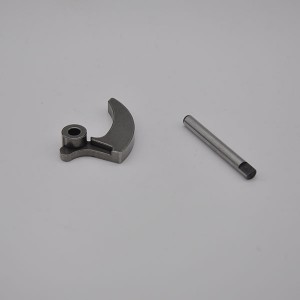
Replacing a Synchronizer Ring requires disassembling the transmission, which is a more complex task than replacing a Driven Plate or Cam Ring. It’s crucial to identify which gear’s Synchronizer Ring is faulty—grinding when shifting into a specific gear (e.g., third) indicates the Synchronizer Ring for that gear is worn. When installing a new Synchronizer Ring, applying a thin layer of transmission fluid to the friction lining helps reduce initial wear, and ensuring the ring is properly aligned with the gear hub prevents binding. It’s also a good idea to inspect the sliding gear and gear hub for wear—if these parts are damaged, replacing only the Synchronizer Ring will not fix the shifting issue, leading to repeated repairs.
Camshaft Replacement: Restoring Valve Timing and Engine Performance
Camshaft replacement is a major repair that becomes necessary when the camshaft (the component that controls valve opening and closing) is worn, damaged, or upgraded for performance. The camshaft’s lobes can wear down over time (from low oil pressure or poor-quality oil), causing reduced valve lift and duration—this leads to decreased power, rough idling, and increased fuel consumption. In some cases, the camshaft may break (rare but possible in high-mileage bikes or those with oil starvation), which can cause catastrophic engine damage (like bent valves or piston damage) if not addressed immediately.
The process of camshaft replacement begins with removing the engine’s valve cover, timing chain or belt, and any components blocking access to the camshaft (like the intake manifold or water pump). Once the old camshaft is removed, the new camshaft must be installed with precise timing—this involves aligning timing marks on the camshaft sprocket with marks on the crankshaft sprocket, ensuring valves open and close at the correct piston positions. For example, in a Honda CBR600RR engine, the camshaft’s timing marks must line up with the cylinder head’s reference marks to avoid valve-piston contact, which could destroy the engine.
After installing the new camshaft, camshaft replacement requires adjusting the valve clearance (the gap between the camshaft lobes and tappets or rocker arms). Incorrect valve clearance can cause premature camshaft wear or valve damage—most manufacturers recommend a clearance of 0.05–0.08mm for intake valves and 0.07–0.10mm for exhaust valves, measured with a feeler gauge. It’s also important to use the correct oil during and after camshaft replacement: high-quality, viscosity-matched oil (e.g., 10W-40 for most bikes) ensures proper lubrication of the new camshaft’s lobes and bearings, preventing initial wear. For performance builds, upgrading to a high-lift camshaft during camshaft replacement can increase horsepower by 10–15%, but this requires matching other components (like high-flow intake and exhaust systems) to fully realize the gains.
Motorcycle Components FAQs
1. How do I know if my Driven Plate needs replacement?
Signs include clutch slippage (engine revs but bike doesn’t accelerate), clutch chatter (vibration when engaging the clutch), or visible wear on the friction linings (bald spots or grooves). If you notice any of these, inspect the Driven Plate immediately—delayed replacement can damage the flywheel or pressure plate.
2. Can a worn Cam Ring cause engine overheating?
Yes—if the Cam Ring is part of the valve train, worn grooves can disrupt valve timing, leading to incomplete combustion. This causes unburned fuel to enter the exhaust system, increasing heat; in hydraulic systems, a leaking Cam Ring can reduce clutch or brake efficiency, leading to aggressive riding (e.g., overusing the brakes) that increases engine load and heat.
3. Is it possible to repair a Synchronizer Ring instead of replacing it?
No—Synchronizer Ring wear (especially on the friction lining) is irreversible. Attempting to sand or resurface the lining reduces its effectiveness, leading to faster re-wear and rough shifting. Always replace a worn Synchronizer Ring with a manufacturer-approved part.
4. How often should I inspect components like the Cam Ring or Synchronizer Ring?
Inspect the Cam Ring (valve train) every 20,000 km and the Synchronizer Ring every 30,000 km, or sooner if you notice symptoms (e.g., rough shifting, poor power). For hydraulic Cam Rings, include fluid checks in your regular maintenance (every 5,000 km).
5. Do I need special tools for camshaft replacement?
Yes—you’ll need a torque wrench (to secure the camshaft bearings and valve cover), a feeler gauge (to adjust valve clearance), and timing tools (to align the camshaft and crankshaft marks). For some bikes, you may also need a camshaft puller to remove the old camshaft without damaging the bearings.
From the torque-transferring Driven Plate to the precision-timing Cam Ring, the shift-smoothing Synchronizer Ring, and the engine-restoring camshaft replacement, these motorcycle components are the unsung heroes of reliable riding. By understanding their functions, recognizing wear signs, and following best practices for maintenance and replacement, you can keep your motorcycle running smoothly for years—whether you’re commuting to work or hitting the open road.









