




2025.07.31
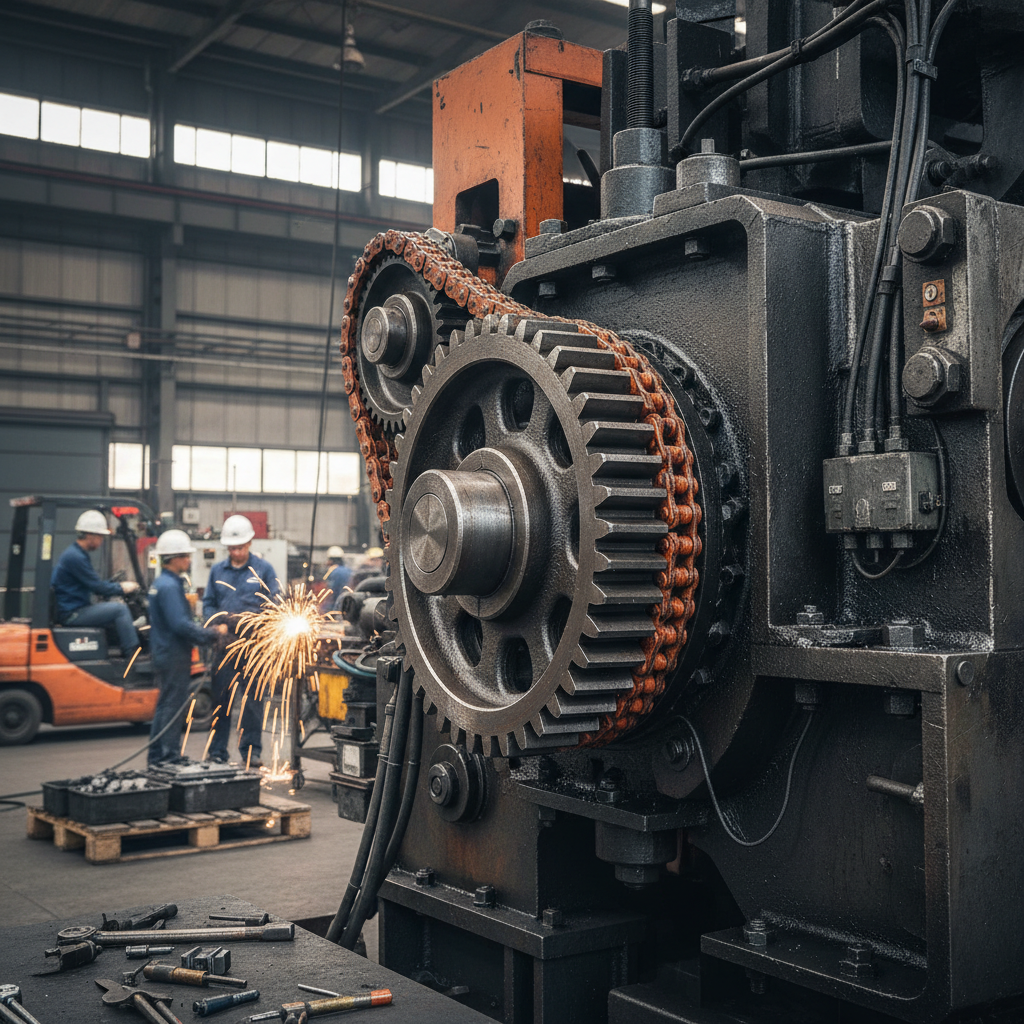
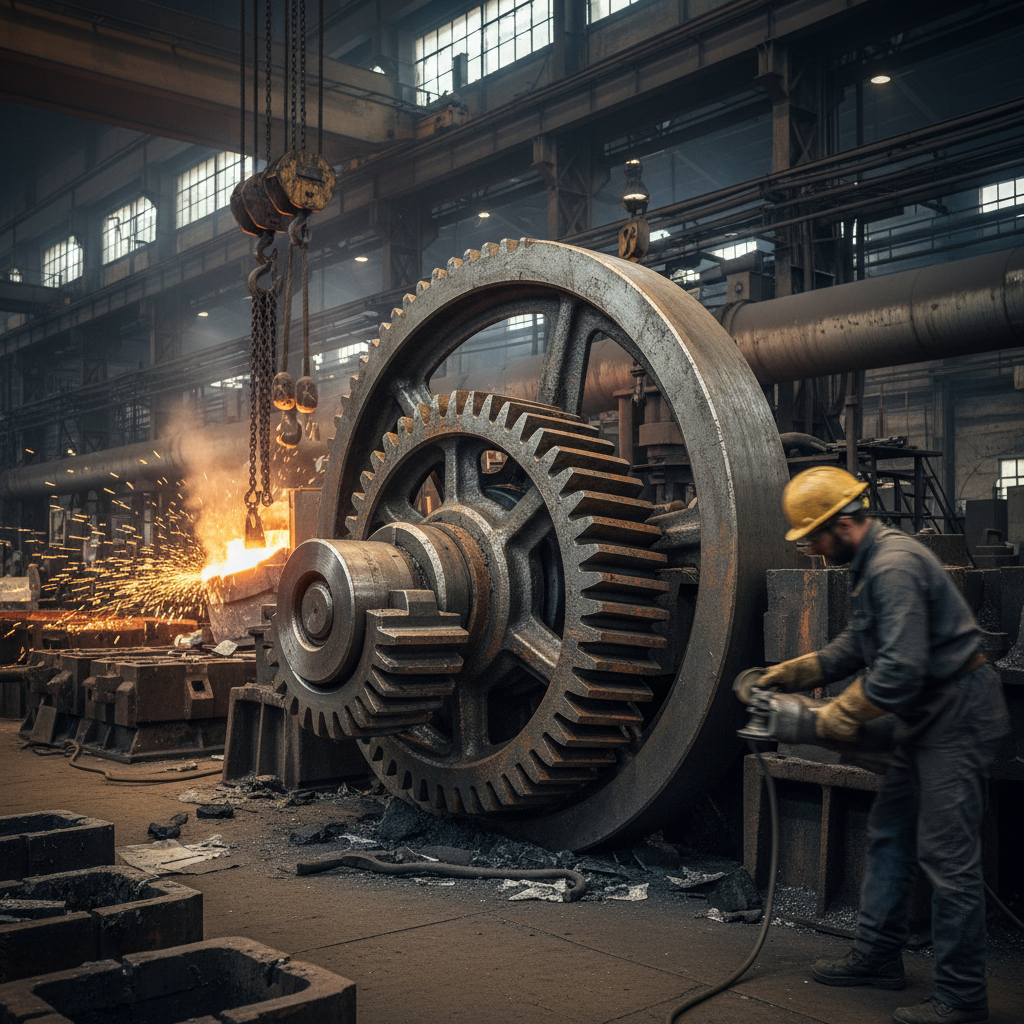
The demand for transmission gear manufacturers is surging as industrial automation, electric vehicles, and green energy solutions expand globally. This in-depth guide explores technical parameters, advanced manufacturing processes, and real-world applications, with a focus on transmission gear manufacturers and related providers such as gear blanks manufacturers and large gear manufacturers.
1. Global Industry Trends: Shaping the Future of Transmission Gear Manufacturing
- Automation: Integration of AI, IoT, and robotics in production lines boosts efficiency and reliability, with global industrial gear demand projected to reach $92.3 billion by 2028 (CAGR 7.1%, MarketsandMarkets 2023).
- Eco-friendly Materials: Powder metallurgy and sintered gears lower energy consumption by up to 20% compared to classic forging.
- Precision & Miniaturization: As industries require more compact, high-precision mechanisms (esp. EVs, robotics), demand for top-tier transmission gear manufacturers surges.
The shift from traditional forging to powder metallurgy underpins a new era of high-efficiency, low-emission transmission systems.
2. Comprehensive Comparison: Transmission Gear Manufacturers & Products
This comparative table highlights how transmission gear manufacturers differ in technology, process, and industry scope—serving both niche and large-scale applications.
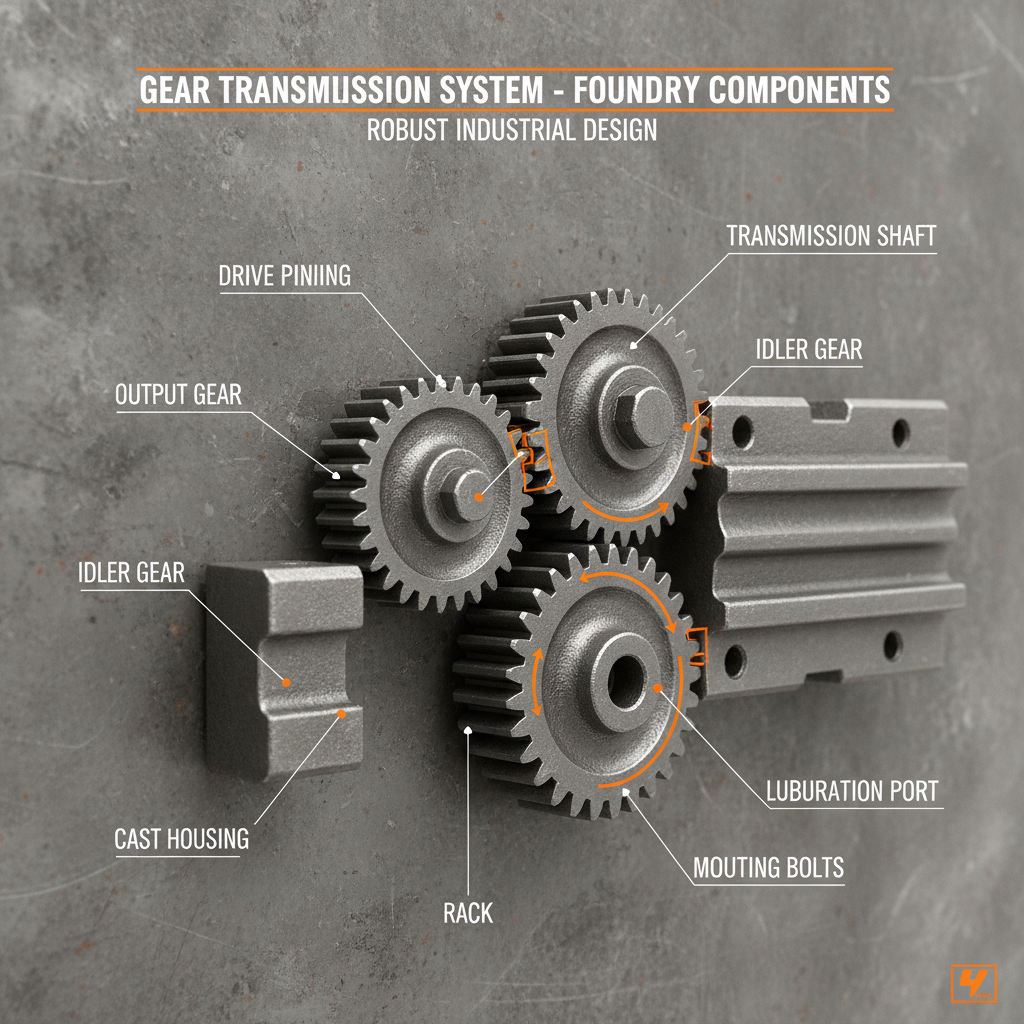
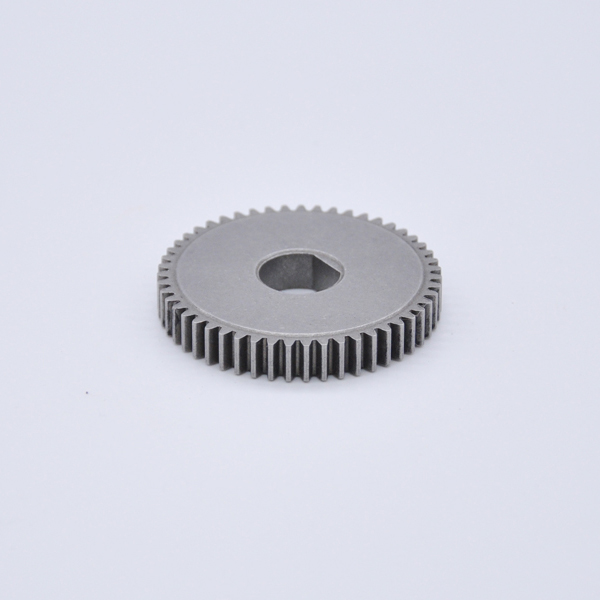
3. Manufacturer Spotlight: OEM High Precision Powder Metallurgy/Sintered Spur Gear
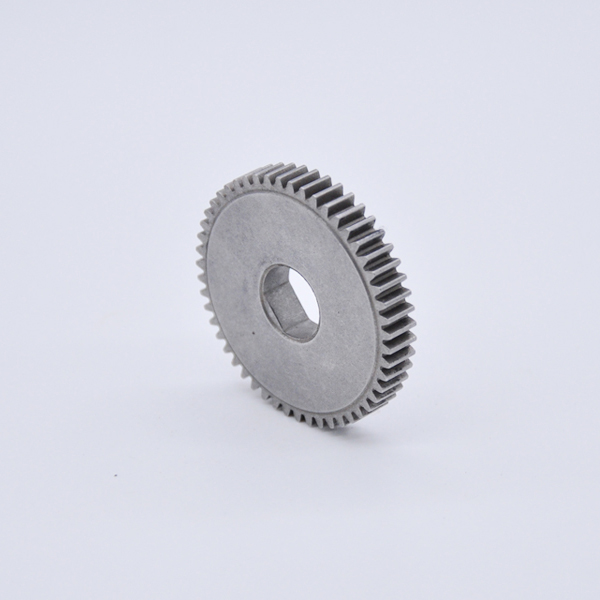
Product Overview & Highlights
- Name: Manufacturer OEM high precision powder metallurgy/sintered spur gear
- Website: Visit Product Page
- Materials: Iron-Copper alloys, 20CrMnTi, Stainless Steels
- Technology: Advanced Powder Metallurgy—high densification ratio, 45+ HRc surface hardness, and optimal wear resistance.
- Key Certifications: ISO 9001:2015, IATF 16949, SGS Audits (downloadable reports online).
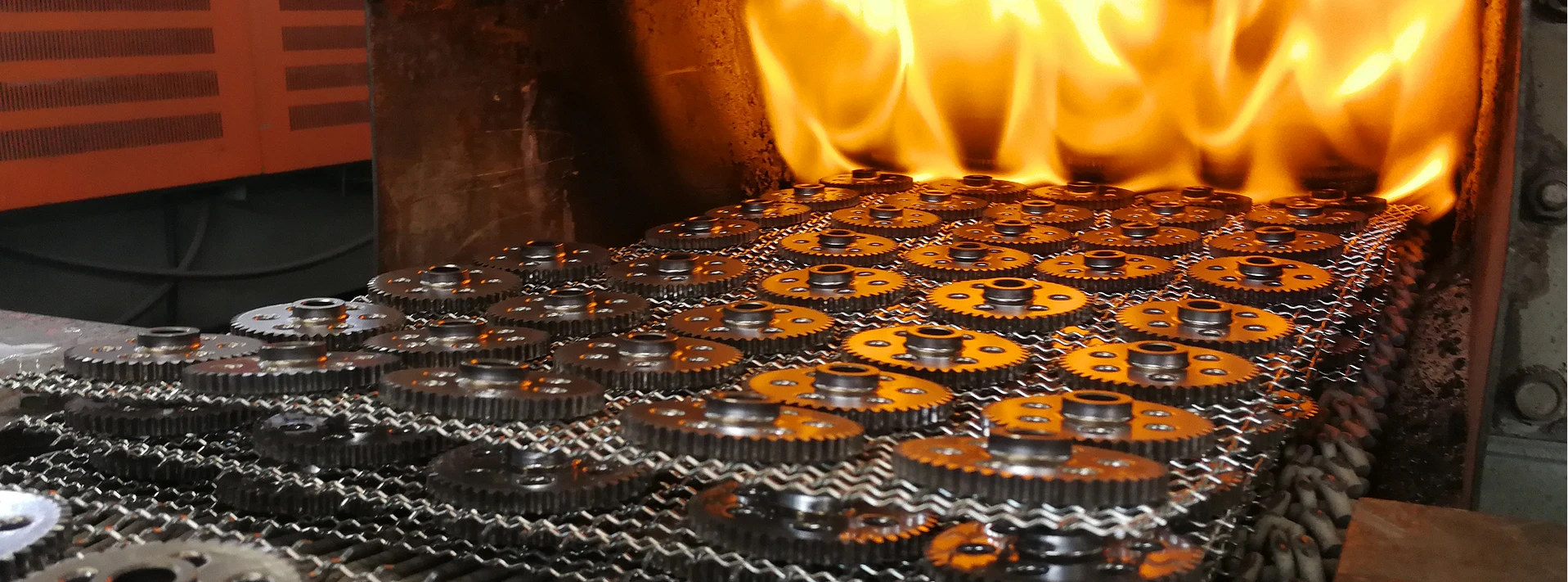
Detailed Manufacturing Process (Video Demo)
Process Flow:
- Raw Material Blending (ISO/TS quality checks)
- Powder Compaction (Under 600-950 MPa pressure)
- Sintering (Controlled-atmosphere, 1120-1150°C, 1–2 h)
- Precision Machining (CNC finishing, hobbing for gear profile)
- Heat Treatment (Carburizing, hardening for long life & strength)
- Quality Inspection (Dimensional, Metallurgical, Hardness—per ISO/ANSI/AGMA)
- Packaging & Logistics (Traceability, anti-corrosion packaging, RFID tags if needed)
Each major step achieves ISO 9001 compliance with in-situ testing before next process entry.
Advantages: Shorter lead times, highly uniform microstructure, excellent anti-corrosion performance, and custom gear shapes at scale.
Application Sectors: Chemical processing, metallurgy, automotive transmissions, energy, water supply, smart logistics.
4. Technical Specification Visualization
Key Technical Parameters
| Module Range | m0.5–m6 |
| Outer Diameter | 10–250 mm |
| Material Density | > 7.1 g/cm³ |
| Surface Hardness | 45-60 HRc |
| Dimensional Accuracy | ≤ ±0.03 mm |
| Pitch Accuracy | Grade 7 or better (ISO 1328) |
| Max Load | Up to 1200 Nm |
Material Composition Breakdown
- Iron: 60%
- Copper: 20%
- 20CrMnTi/SS: 20%
Life Cycle Test (Million Cycles)
Tested to over 2 million cycles at 85% rated load
Data proven through SGS laboratory and IATF automotive standards.
5. Technology Edge: From Gear Blanks to Large Gears
Gear blanks manufacturers provide pre-forms suitable for high-speed final machining, while large gear manufacturers deliver fully finished gears for heavy industries (energy, mining, marine drive chains).
- Powder Metallurgy enables superior consistency and low-noise performance, making it the go-to process for modern transmission gear manufacturers.
- Forged/CNC-Cut Gears are favored for ultra-large diameters and custom tooth forms.
- All products conform to ISO/ANSI/AGMA specifications, with surface treatments offering up to 5x corrosion resistance over basic carbon steels (per ASTM B117).
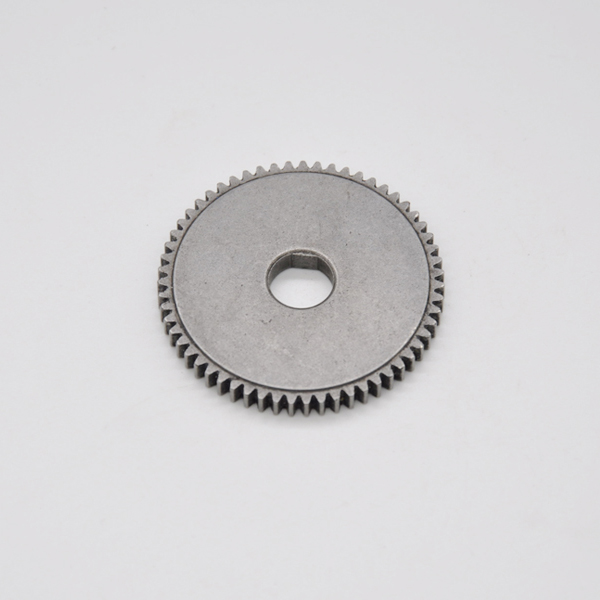
Manufacturer OEM high precision powder metallurgy/sintered spur gear achieves pitch error < 7μm at scale, outperforming typical cast gears (pitch error 12–24μm).
6. Tailored Solutions, Delivery, and Support
- Customization: Module, gear size, hub holes, surface finish, and unique tooth topology; 2D/3D drawings accepted (STP, DWG, PDF).
- Lead Times: Typical samples ready in 15–28 days; batch production 25–40 days.
- Guarantee: 18–36 months manufacturer warranty; 100% in-process inspection; batch traceability.
- Technical Support: Rapid response within 8 hours; direct expert access; custom material/heat-treatment advisory.
- After-sales: Spare parts, installation guides, on-site third-party test reports (by SGS, TUV, or local agencies available).
7. Application Cases: Proven Gear Performance
Case 1: Petrochemical Pump Drives
- Challenge: High-temperature, acid-resistant requirements
- Solution: High-density powder metallurgy sintered gear (20CrMnTi)
- Result: 42% reduction in wear, >32,000 hours MTBF.
Case 2: Metallurgy Hoisting Gears
- Challenge: Heavy-load shock, continuous operation
- Solution: Custom sintered spur gear (thermal treatment, anti-fatigue)
- Result: 30% increase in service life, zero gear breakage incidents (3 years, 24/7).
Case 3: Water Supply Valve Actuators
- Challenge: Corrosion from exposure, noise reduction needs
- Solution: Sintered gear, PTFE lubrication coating
- Result: 5x anti-corrosion life, 18dB sound reduction vs. classic gears.
Users include top-10 OEMs in automotive, listed Energy Group users, and leaders in urban water supply.
8. Industry Authority, Certification, and Partners
- Certifications: ISO 9001:2015, IATF 16949 (Auto Industry), CE, RoHS, and SGS batch test reports. (Global acceptance in North America, EU, and Asia-Pacific)
- OEM Partners: Bosch, ZF, SANY, CRRC, State Water Group
- Service Time: Over 20 years of export history; continuous product performance improvements based on AGMA and ISO research findings
- Cited by: AGMA Journal, ResearchGate in mass-production advances
References to standards: ISO 1328 (gear accuracy), ANSI B6.1 (gear tooth), ASTM B117 (corrosion resistance), AGMA 9005 (industrial gear oils).
9. Professional FAQ: Deep-Dive Gear Terminology
- Q1: What is powder metallurgy (PM), and why is it revolutionizing transmission gear manufacturing?
- PM is a technique of compressing metal powders into molds and sintering them at high temperatures. It yields strong, precisely-shaped gears (such as sintered spur gears) with less material waste and superior microstructure, widely used by top transmission gear manufacturers.
- Q2: What are "gear blanks", and how do gear blanks manufacturers ensure seamless integration?
- A gear blank is an unfinished gear—without teeth or splines—providing the basic geometry for further processing. Leading gear blanks manufacturers ensure tight material consistency and machinability (usually m0.5-m8 module, ≤ ±0.02 mm tolerance) for downstream customizations.
- Q3: What is the significance of "module" in gear design?
- Module (m) is a key parameter in metric gear systems: it is the ratio of pitch diameter to teeth number (m = d/z), directly affecting gear size and strength. OEM powder metallurgy gears typically support m0.5–m6 for wide industry use.
- Q4: How do large gear manufacturers handle surface durability?
- They deploy advanced heat treatment (case hardening, nitrocarburizing), specialized coatings (phosphate, PVD), and surface grinding to meet heavy-load, anti-corrosion requirements—aligned with AGMA 2000 standards for large-dimension gears.
- Q5: What are the typical product specifications available for OEM sintered gears?
- Module: m0.5–m6, diameter: 10–250 mm, surface hardness: 45–60 HRc, density: ≥7.1 g/cm³, accuracy: ±0.03 mm, lifespan: >2 million cycles under 85% load.
- Q6: What installation standards apply for these gears?
- ISO 1328 for accuracy, AGMA 6013 for mounting, and ANSI B6.1 for tooth form guarantee easy drop-in replacement in global machinery.
- Q7: How is quality verified before shipping?
- Every batch undergoes 3D scanning (CMM), microstructure analysis, hardness testing, and noise-vibration measurement, accompanied by traceable quality certificates (ISO/IATF/Supplier QMS).
10. Summary & Industry Citation
As the transmission gear and sintered gear sector enters a new phase of high-precision, eco-efficient growth, leading transmission gear manufacturers are setting new benchmarks in product reliability and performance.
- OEM powder metallurgical gears offer modular design flexibility, rapid scale-up, and versatility across petrochemical, metallurgical, and smart infrastructure markets.
- High certification standards, full-process quality checks, and strong industry partnerships position these manufacturers at the vanguard of global gear production.
- Third-party tests (SGS, AGMA, ISO, and more) and authoritative peer-reviewed studies confirm the technical and business advantages of advanced transmission gear manufacturers solutions.