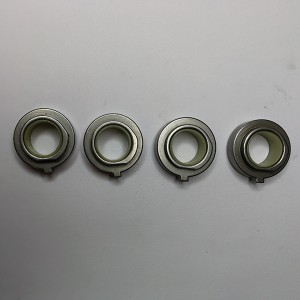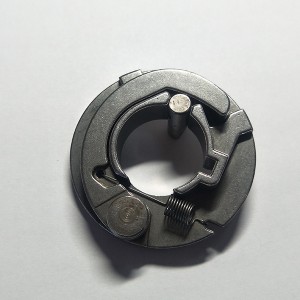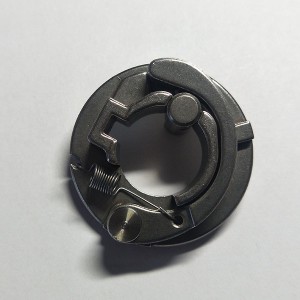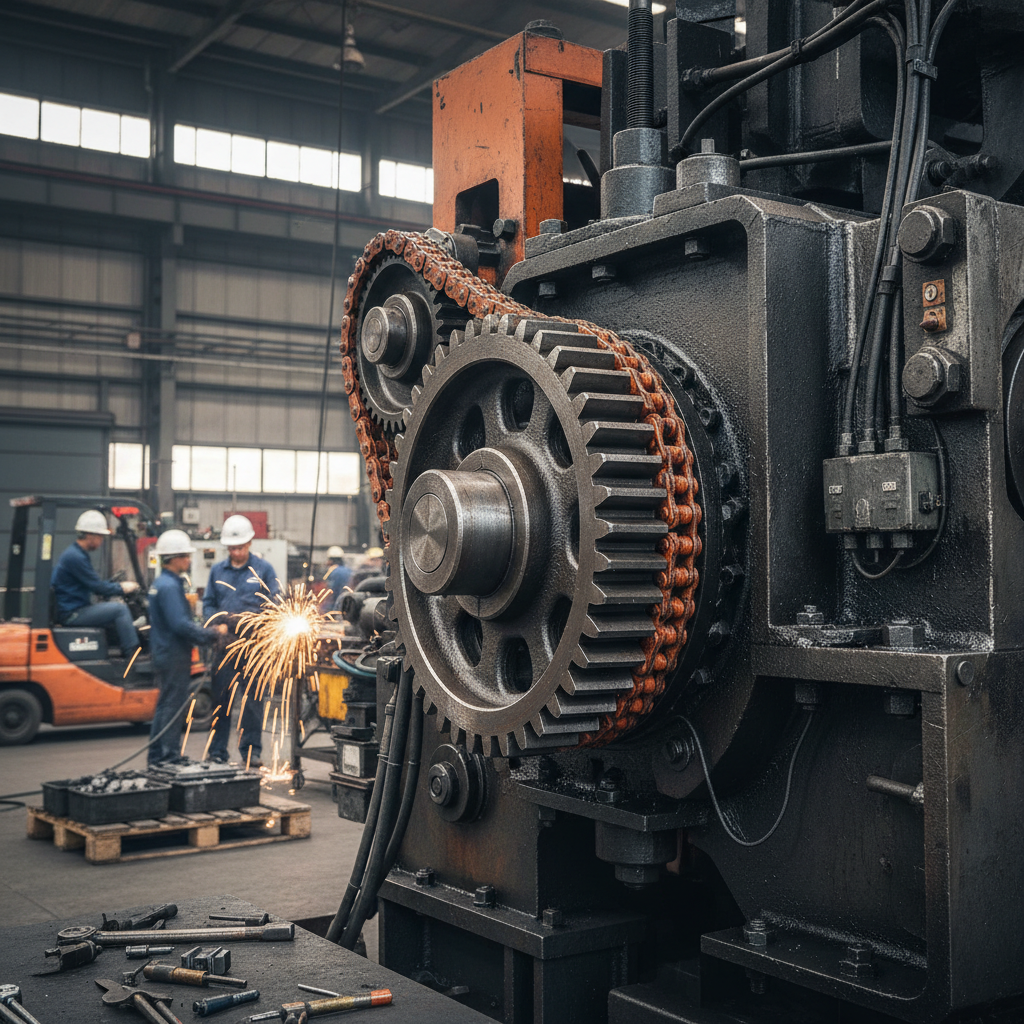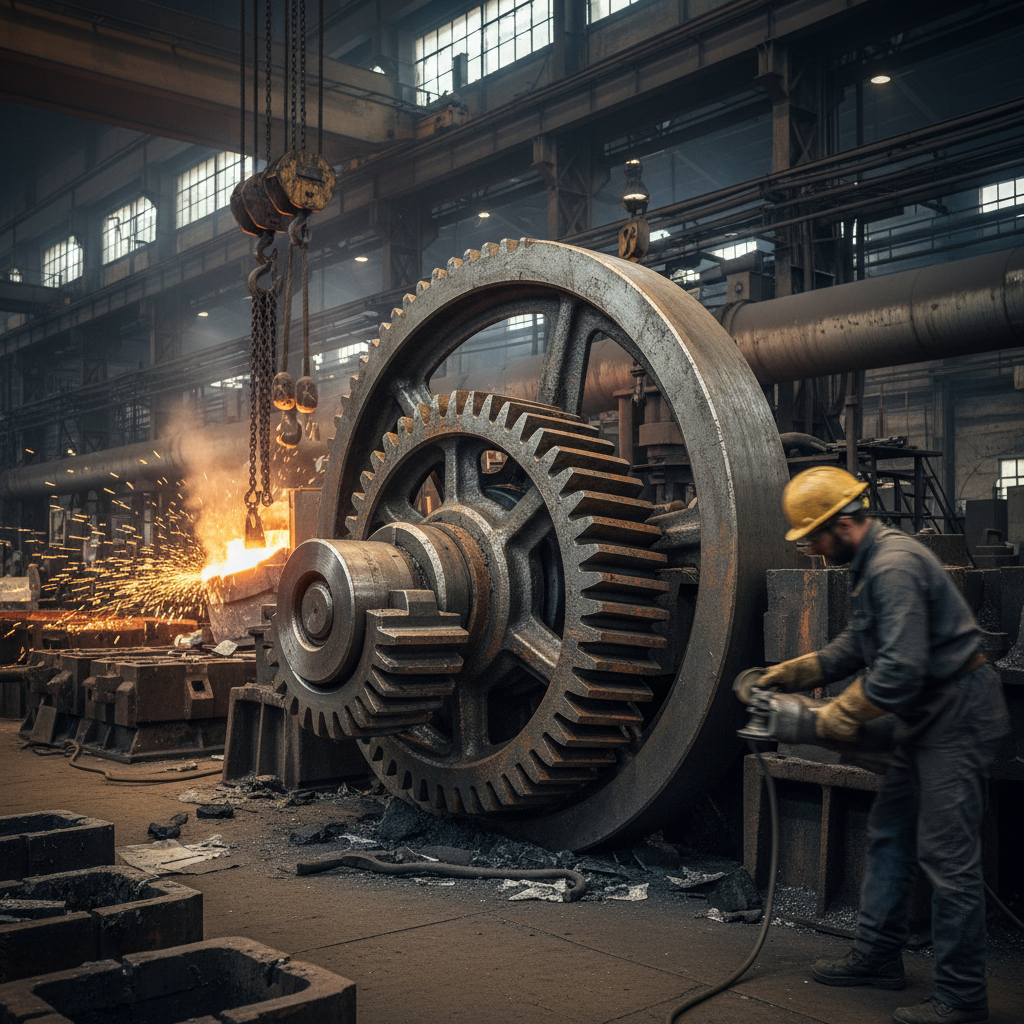





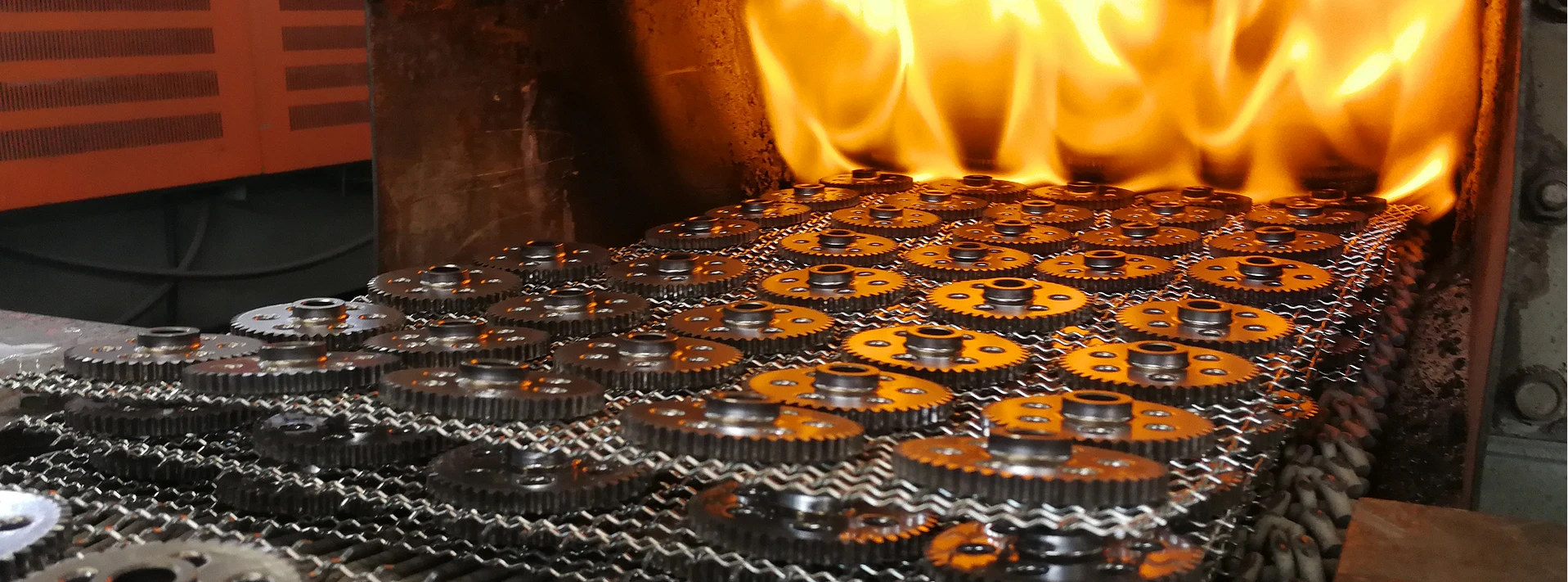
Did you know 42% of manufacturers waste over $250k yearly on inefficient metal part production? Traditional methods drain time, money, and precision. But what if you could slash production costs by 35% while achieving zero material waste? Enter powder metallurgy - the game-changer your supply chain needs.

(production of powder metallurgy)
Why Powder Metallurgy Outshines Conventional Methods
Our ISO-certified powder metallurgy process delivers:
- ✅ 99.95% material utilization rate
- ✅ 50% faster production vs. machining
- ✅ ±0.02mm precision for complex gears
Head-to-Head: Traditional vs. Powder Metallurgy
| Factor | Traditional | Our Solution |
|---|---|---|
| Cost per 1k units | $8,200 | $5,450 |
| Lead Time | 6-8 weeks | 2 weeks |
Your Custom Solution for Precision Gears
Need spiral bevel gears for automotive applications? Complex planetary gear systems? Our 3-step customization process ensures perfect fit:
- Digital twin simulation
- Prototype in 72 hours
- Mass production scaling
Proven Success in Automotive & Aerospace
See how we helped a Tier-1 supplier:
- ⚡ Reduced transmission gear defects by 89%
- ⚡ Achieved 150% production capacity increase
- ⚡ Saved $1.2M annual tooling costs
Ready to Transform Your Production?
Get your free feasibility analysis and discover how our powder metallurgy expertise can:
Join 500+ industry leaders who trust us for precision metal components. Limited 2024 production slots available!

(production of powder metallurgy)
FAQS on production of powder metallurgy
What is the powder metallurgy process?
Q: What is the powder metallurgy process?
A: Powder metallurgy is a manufacturing process where fine metal powders are compacted into a shape and sintered at high temperatures to create solid, complex components with minimal material waste.
How is powder metallurgy used in gear production?
Q: How is powder metallurgy used in gear production?
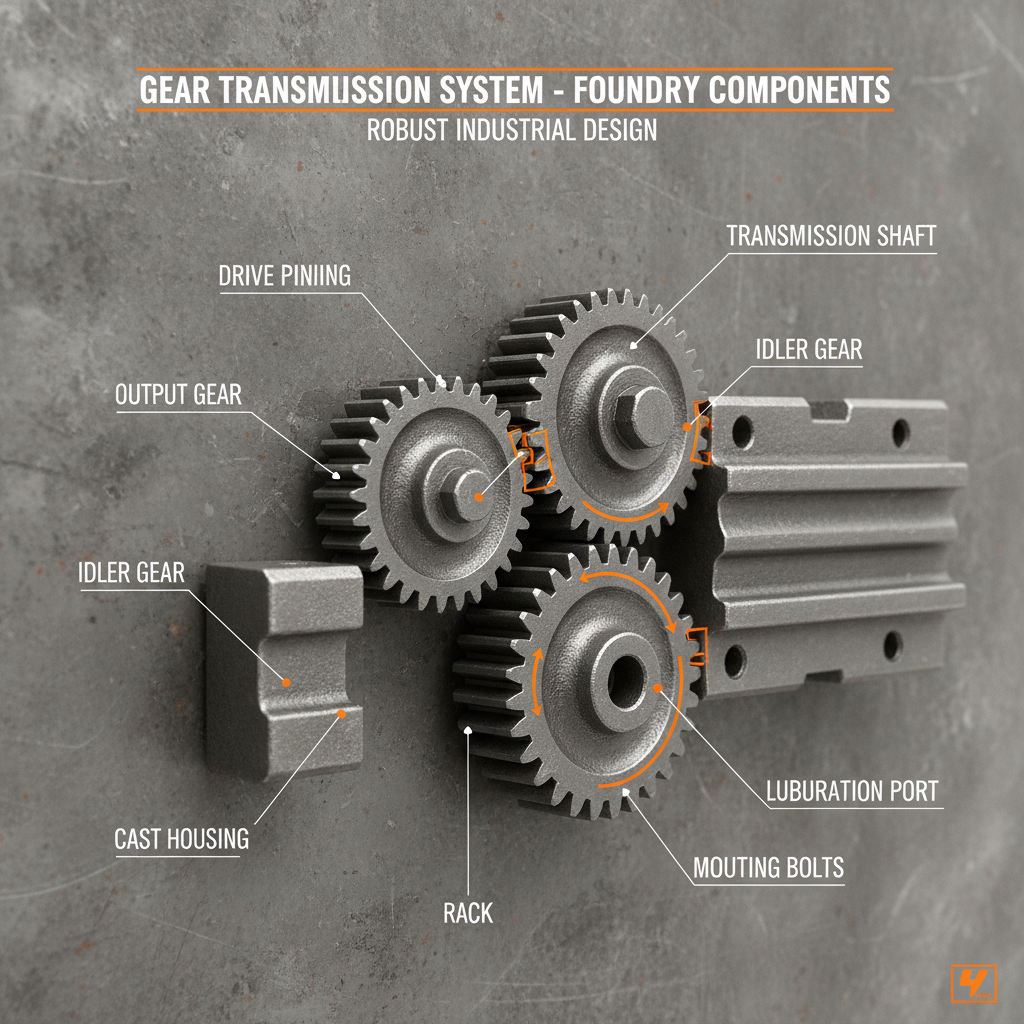
A: Powder metallurgy enables high-precision gear production by forming near-net-shape parts, reducing machining needs, and offering excellent control over porosity and material properties for durability.
What are the key steps in powder metallurgy production?
Q: What are the key steps in powder metallurgy production?
A: The main steps include powder blending, compaction in a die, sintering to bond particles, and optional secondary operations like machining or heat treatment for enhanced performance.
What are the advantages of powder metallurgy over traditional manufacturing?
Q: What are the advantages of powder metallurgy over traditional manufacturing?
A: Benefits include material efficiency, cost-effective mass production, ability to create complex geometries, and consistent mechanical properties due to controlled porosity.
Can powder metallurgy produce high-strength gears?
Q: Can powder metallurgy produce high-strength gears?
A: Yes, through optimized sintering, alloy selection, and post-treatments like surface densification, powder metallurgy gears achieve high strength and wear resistance for automotive and industrial applications.