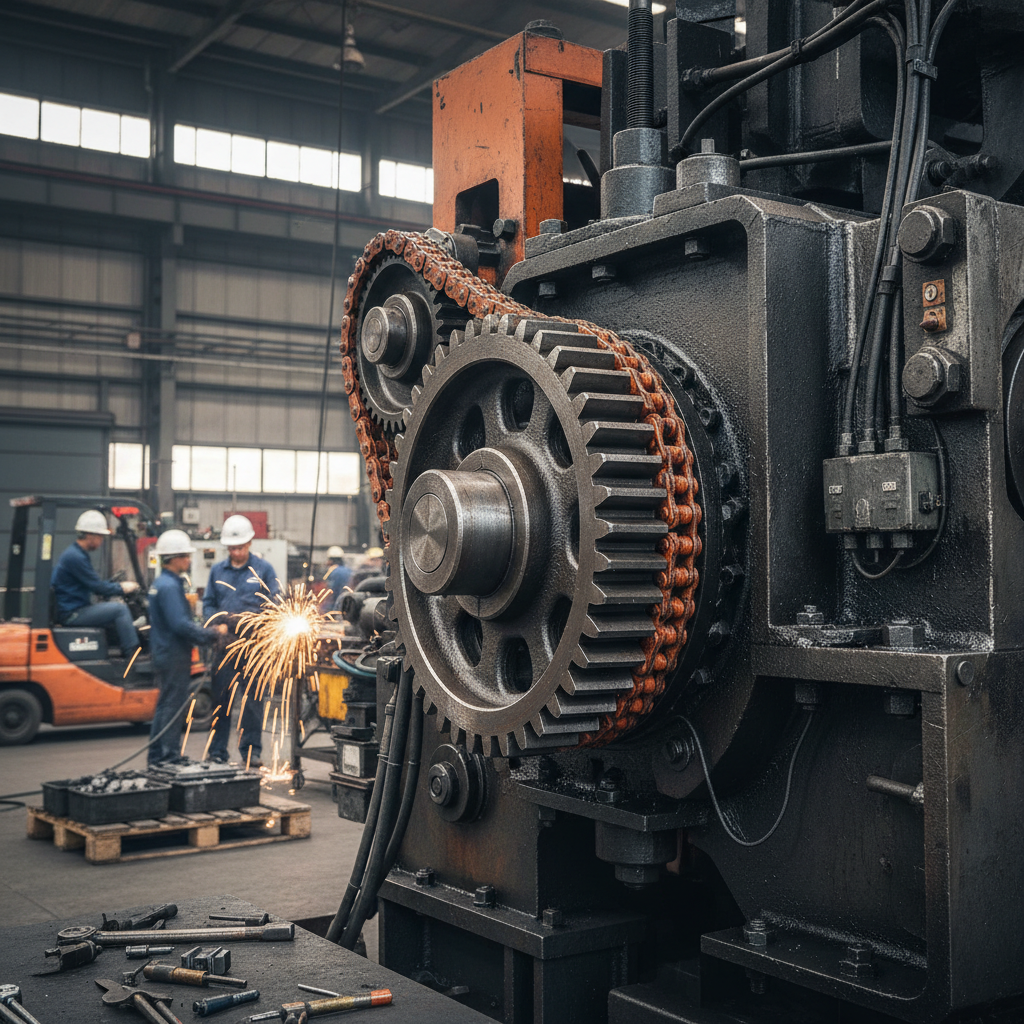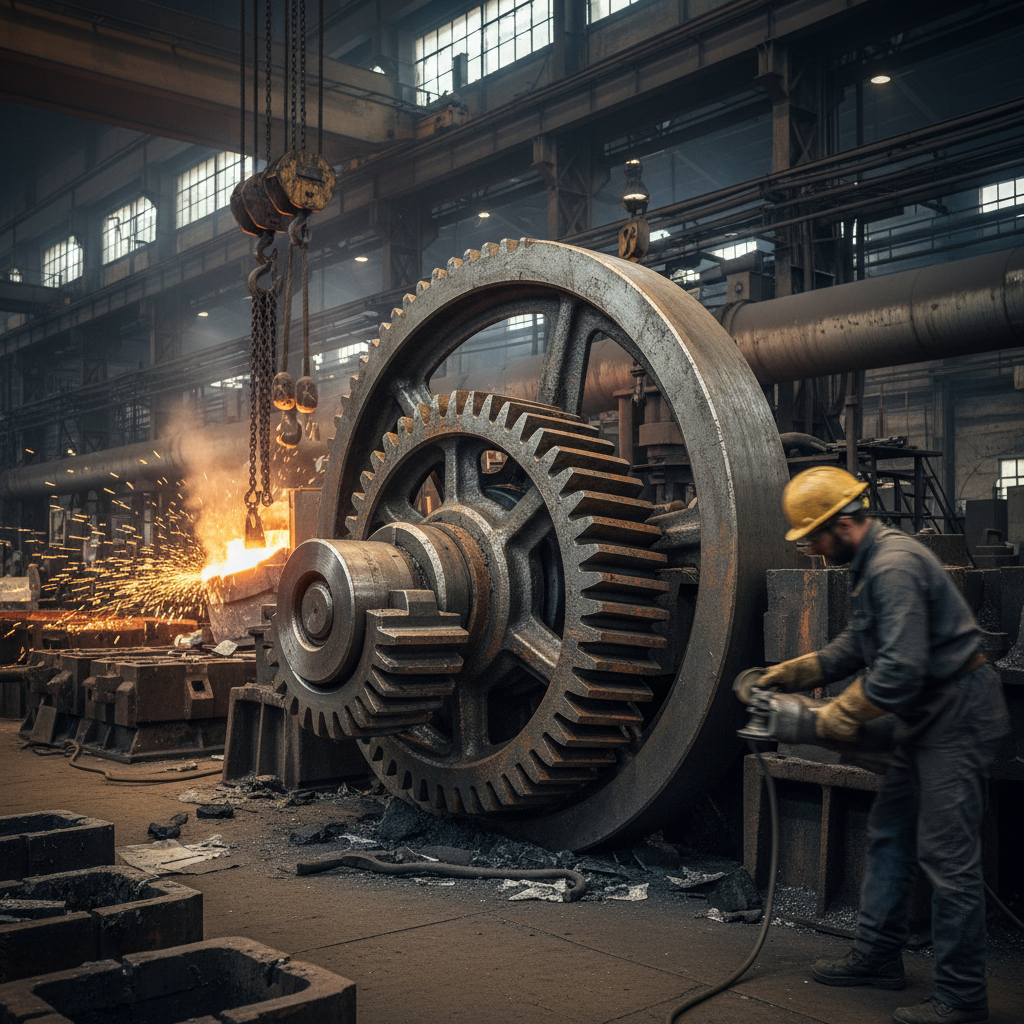





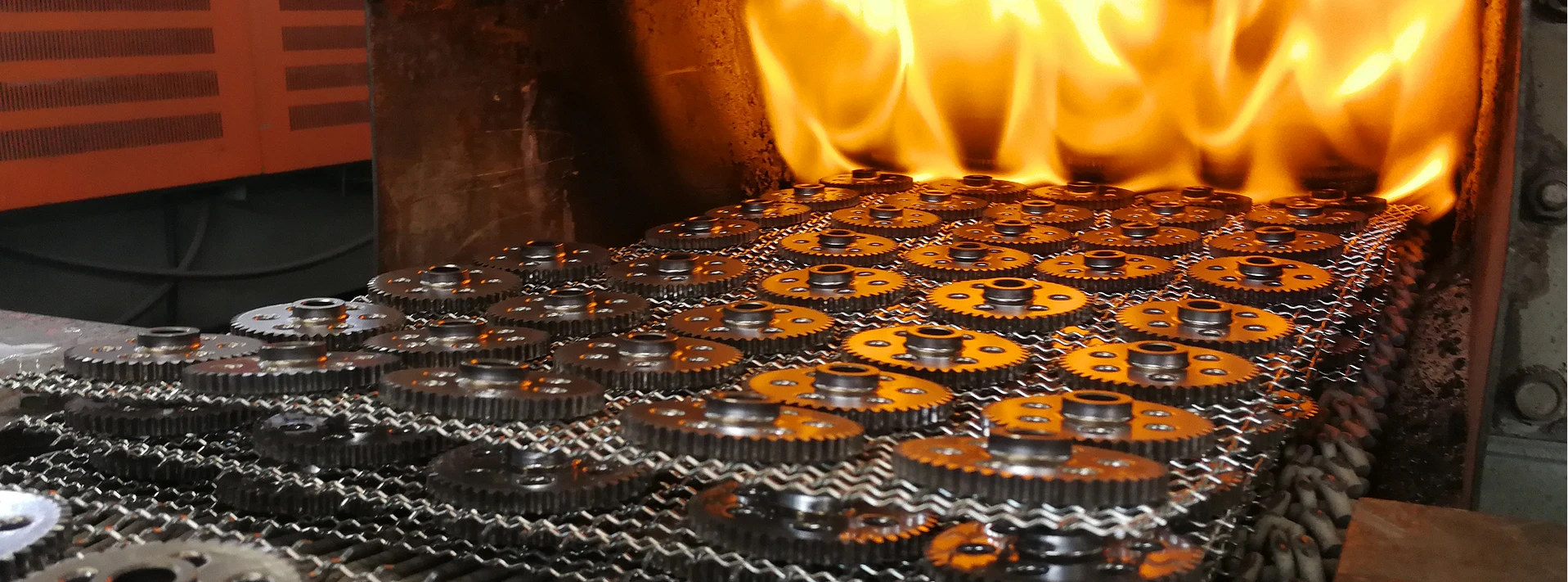
Ring Gear: The Unsung Hero of Mechanical Power Transmission
Ring gears might not be the flashiest component in engineering discussions, but they quietly make a huge difference across industries worldwide. These circular gears, toothed on their inner or outer edge, form the backbone of many drivetrain and heavy machinery assemblies. Understanding ring gear's role isn't just about satisfying the curiosity of gearheads — it directly informs how we build efficient, reliable machines that power everything from vehicles to industrial plants.
Globally, industries depend on components like ring gears to ensure smooth operation, durability, and energy efficiency. Knowing their design and applications offers engineers and procurement experts an edge in selecting and maintaining crucial mechanical parts, saving costs and downtime in the long run.
Why Ring Gear Matters on the Global Stage
The global mechanical power transmission market was valued at over $22 billion in 2023, with gears — particularly ring gears — representing a significant share. According to ISO standards, gear quality and tolerance directly influence machine reliability and energy consumption, crucial in today’s cost-conscious and environmentally aware context.
One of the pressing challenges here is balancing performance versus material cost and production time. Ring gears, often found in differential systems, turbines, and industrial gearboxes, must be produced with precision to avoid premature failures that ripple into global supply chain disruptions. Oddly enough, a tiny flaw in a ring gear can ground a huge fleet of machinery — so their design and production have massive implications worldwide.
What Exactly Is a Ring Gear?
Put simply, a ring gear is a large circular gear with teeth on its inner or outer circumference, designed to mesh with smaller pinion gears or other components. In automotive differentials, for example, the ring gear transmits torque from the driveshaft to the wheels, allowing smooth turns and power distribution.
Beyond vehicles, ring gears show up in wind turbines, heavy construction equipment, and even robotics. Their ability to handle high torque loads with minimal slippage makes them indispensable in industries pushing for more robust machines and greener operations.
Core Components and Key Factors of Ring Gear Design
1. Material Durability
Most ring gears are crafted from hardened steel alloys, balancing toughness and wear resistance. Durability ensures that the gear withstands high cyclic loads without deforming — which would otherwise lead to failure in the field.
2. Precision Manufacturing
Achieving the right tooth profile and surface finish is crucial. Slight imperfections can cause noise, vibrations, or power losses. Technologies like CNC machining and heat treatment have become industry standards to ensure consistency.
3. Scalability and Customization
Depending on the application — whether a small electric vehicle or massive mining equipment — ring gears come in various sizes. Custom fabrication allows precise specifications tailored to torque, speed, and environmental conditions.
4. Cost Efficiency
With increasing competitive pressures, manufacturers strive to produce ring gears that meet quality standards without inflating costs. Optimizing production methods, material sourcing, and design can reduce expenditures without sacrificing performance.
5. Resistance to Environmental Factors
Exposure to moisture, dust, or extreme temperatures can affect gear integrity. Protective coatings and sealed assemblies help extend operational life in harsh conditions — a big deal for gearboxes in desert mining or marine settings.
Mini takeaway: The craftsmanship behind ring gears combines metallurgy, precision engineering, and practical cost considerations, creating components that must withstand both mechanical and environmental stressors.
Global Applications and Industry Use Cases
Ring gears star in numerous sectors, often behind the scenes but absolutely vital. For example:
- Automotive: In car differentials, ring gears distribute power to wheels, enabling smooth turns and safer driving.
- Wind Energy: Large ring gears in turbine gearboxes convert slow rotor speeds to higher speeds for electricity generation.
- Heavy Machinery: Construction and mining equipment rely on robust ring gears to transfer massive torque loads during operations.
- Aerospace and Robotics: Precision ring gears help manage movement in satellite control systems or industrial robots.
Ring gear components also find particular importance in remote industrial zones, where reliability can make or break operations. In post-disaster relief, heavy equipment demands resilient ring gear assemblies that won’t fail — because downtime means delayed aid deliveries.
Advantages & Long-Term Value of Ring Gears
I’ve spoken to many engineers and manufacturers who praise the combination of durability and efficiency ring gears offer. These components not only save money by reducing replacements but also improve energy transmission efficiency, lowering carbon footprints — a win-win for sustainability-minded companies.
There’s also a subtle emotional aspect for operators: knowing that their machinery can be trusted builds confidence and trust across supply chains and field teams. For companies investing heavily in innovation, ring gears represent an anchor point, a critical interface between design and real-world performance.
Upcoming Trends & Innovations in Ring Gear Technology
The future of ring gears is exciting. Materials science is pushing boundaries with advanced alloys and composite coatings that increase lifespan while cutting weight. Digital manufacturing aids like additive manufacturing (3D printing) are enabling custom, low-volume productions that were hard to do before.
Automation, sensor integration, and predictive maintenance promise to transform ring gear applications. Imagine a gearbox self-monitoring tooth wear or lubrication needs, preemptively avoiding failure — that’s where the industry is headed.
Common Challenges & How the Industry is Addressing Them
While ring gears are robust, they’re not perfect. Challenges include:
- Noise and Vibration: Gear whine can be a problem — better design and surface finishes help.
- Manufacturing Tolerances: Even small errors compound in large assemblies, requiring rigorous quality control.
- Material Fatigue: Continuous loading stresses must be managed via improved alloys and heat treatments.
Industry experts emphasize continuous R&D and standardization (e.g., ISO 1328 for gear accuracy) as keys to overcoming these issues — alongside embracing newer technologies like AI for predictive maintenance.
Ring Gear Product Specification Table
| Specification | Details |
|---|---|
| Material | Hardened Alloy Steel (e.g., 8620, 4140) |
| Tooth Profile | Involute Gear Teeth |
| Hardness | 60-62 HRC typical surface hardness |
| Diameter Range | 50mm - 2000mm (customizable) |
| Typical Applications | Automotive, Wind Turbines, Heavy Machinery |
| Coating Options | Phosphate, Black Oxide, Ceramic Coatings |
Vendor Comparison: Leading Ring Gear Manufacturers
| Vendor | Product Range | Custom Capabilities | Lead Time | Price Level |
|---|---|---|---|---|
| GearCo Industries | Standard & Custom Gears (50-1500mm) | High (Engineering Support Available) | 4-6 Weeks | Mid-Range |
| Precision RingGear Inc. | Large Diameter (>1000mm), Aerospace Specs | Medium (Serialized Orders) | 6-8 Weeks | Premium |
| JSS Gearing Solutions | Broad Range, Including Custom Ring Gears | Very High (Global Support) | 3-5 Weeks | Competitive |
FAQ: Frequently Asked Questions About Ring Gear
Q1: How do I know if a ring gear suits my machinery’s torque requirements?
A1: You should match the ring gear’s material strength, diameter, and tooth profile with your machinery’s torque specs. Consulting with manufacturers like ring gear suppliers who offer customization can help tailor the ring gear to your exact needs.
Q2: Can ring gears be repaired if tooth damage occurs?
A2: Minor tooth damage can sometimes be repaired via welding or machining, but this depends on the gear’s size and application. For critical machinery, replacement is often safer and more reliable.
Q3: Are coated ring gears really worth the extra cost?
A3: Yes, coating options like black oxide or ceramic reduce wear and corrosion, extending gear life—especially in harsh environments. The upfront cost may be higher but often pays off through reduced downtime.
Q4: What quality standards should I look for when buying ring gears?
A4: Look for compliance with ISO 1328 or AGMA standards, which ensure precision in tooth profiles and gear quality, guaranteeing performance and longevity.
Conclusion and Next Steps
Ring gears might seem like modest components, but they carry enormous responsibility in the machinery world. Their efficient design, durability, and customizability offer long-term cost savings, enhanced reliability, and support sustainability goals. As machinery evolves, so too do ring gears — embracing better materials, smarter production, and digital monitoring.
Interested in learning how the right ring gear can upgrade your systems? Visit our website for expert guidance and tailored solutions.
Final thought: A well-engineered ring gear isn’t just a gear — it’s a small marvel of mechanical finesse that quietly holds complex systems together, sometimes for decades.