






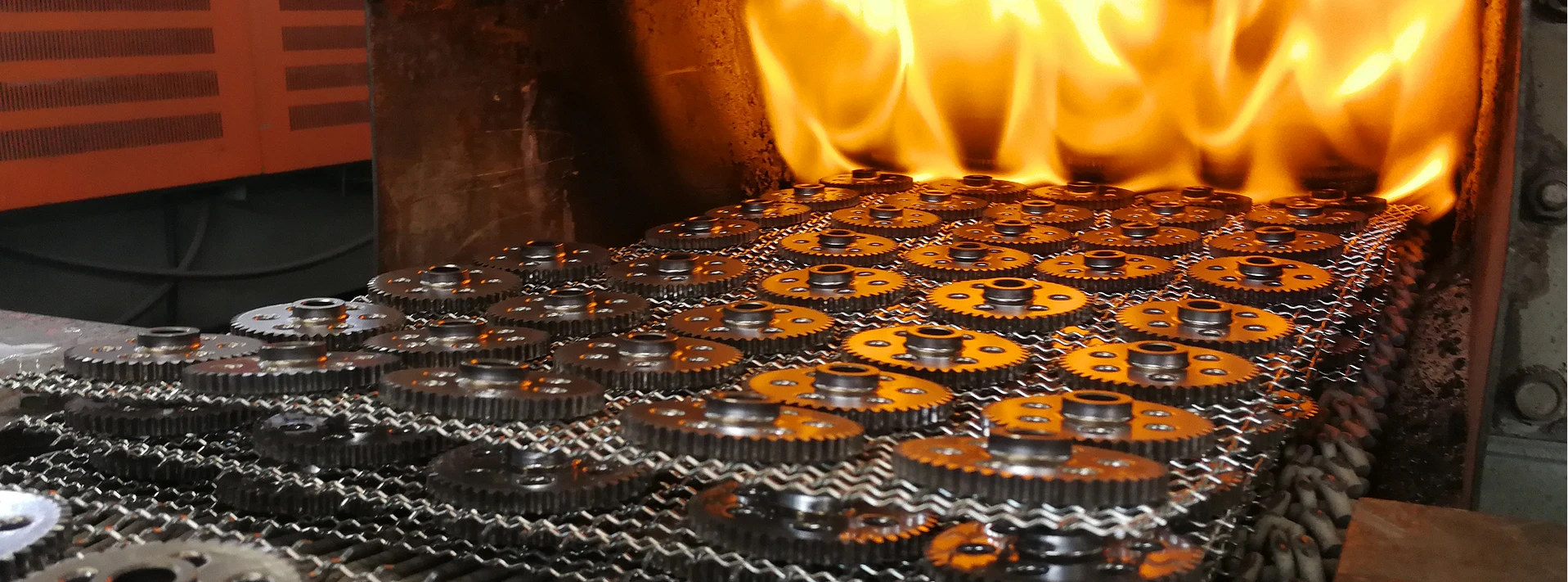
Did you know 23% of industrial equipment failures stem from bearing lubrication issues? While you battle unexpected shutdowns and soaring maintenance costs, competitors using self-lubricating bushings
operate 18% longer between service cycles. What if your machines could work smarter, not harder?
(self-lubricating bushings)
Why Self-Lubricating Bushings Outperform Traditional Solutions
Our bronze-based self-lubricating bushings deliver 3X longer service life than standard oil-impregnated versions. The secret? Embedded solid lubricants that:
- Reduce friction coefficients to 0.08-0.12
- Withstand temperatures up to 350°C (662°F)
- Eliminate relubrication for 10,000+ operating hours
Head-to-Head: How We Beat Competitors
| Feature | Standard Bushings | Our Solution |
|---|---|---|
| Maintenance Interval | 500-800 hours | 10,000+ hours |
| Cost/Year | $2,400 | $680 |
Custom Solutions for Your Exact Needs
Whether you need parallel axis self-locking gears for robotics or heavy-duty bearings and bushings for construction equipment, our engineers deliver:
- 15+ material composites (Bronze, PTFE, Graphite blends)
- 0.5mm to 500mm diameter ranges
- 72-hour prototype turnaround
Proven Success: Automotive Assembly Case Study
When a Tier-1 auto manufacturer replaced 6,000 traditional bushings with our solution:
- 92% reduction in lubrication-related downtime
- $280,000 annual savings on maintenance
- 0.3% defect rate vs. industry-average 2.1%
Ready to Transform Your Machinery?
Join 450+ satisfied manufacturers who upgraded to frictionless performance. Get your FREE engineering consultation and custom quote within 24 hours.
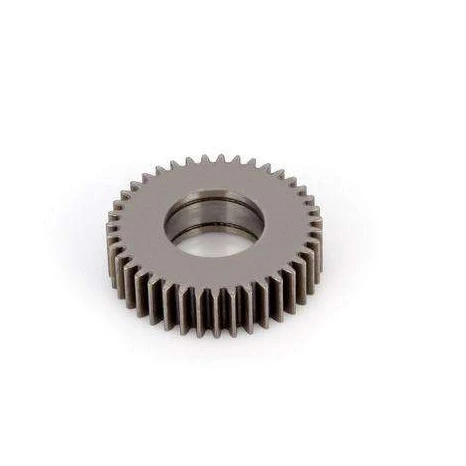
(self-lubricating bushings)
FAQS on self-lubricating bushings
Q: What are the main applications of self-lubricating bushings?
A: Self-lubricating bushings are ideal for high-load, low-maintenance environments like automotive suspensions, industrial machinery, and aerospace systems. They reduce friction and eliminate the need for external lubrication. Their durability makes them suitable for extreme temperatures and harsh conditions.
Q: How do bearings and bushings differ in functionality?
A: Bearings support rotational motion with minimal friction, while bushings act as sleeves to reduce wear between sliding parts. Self-lubricating bushings require no added grease, unlike many bearings. Bushings are simpler in design and often used where maintenance access is limited.
Q: Can parallel axis self-locking gears be paired with self-lubricating bushings?
A: Yes, parallel axis self-locking gears often integrate self-lubricating bushings to minimize wear and maintenance. This combination ensures smooth operation in systems requiring precise motion control. Applications include robotics, conveyor systems, and heavy machinery.
Q: What materials are commonly used in self-lubricating bushings?
A: Common materials include bronze composites, polymer-based layers, and graphite-embedded metals. These materials embed solid lubricants like PTFE or molybdenum disulfide. This design ensures consistent lubrication without external grease.
Q: Are self-lubricating bushings maintenance-free?
A: While designed for minimal maintenance, periodic inspection for wear or damage is recommended. Contaminants like dirt may require occasional cleaning. Proper installation ensures optimal performance and longevity without regular lubrication.









