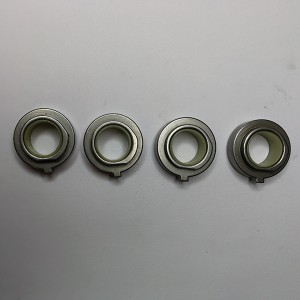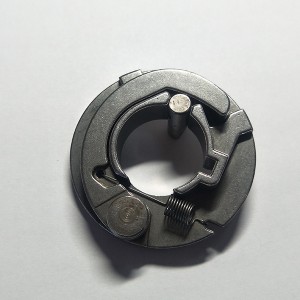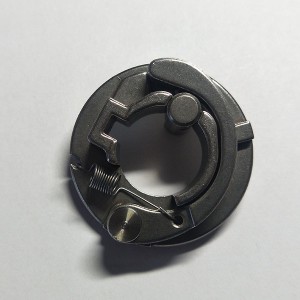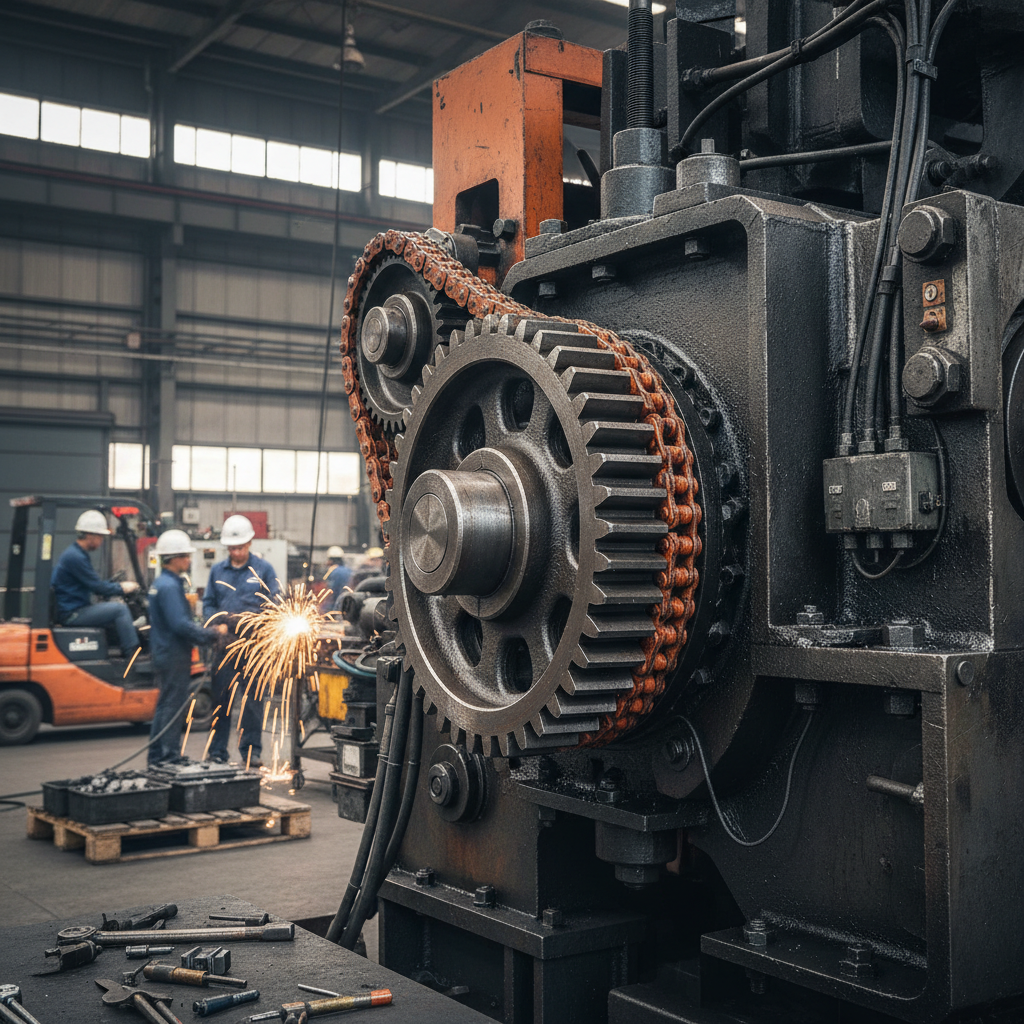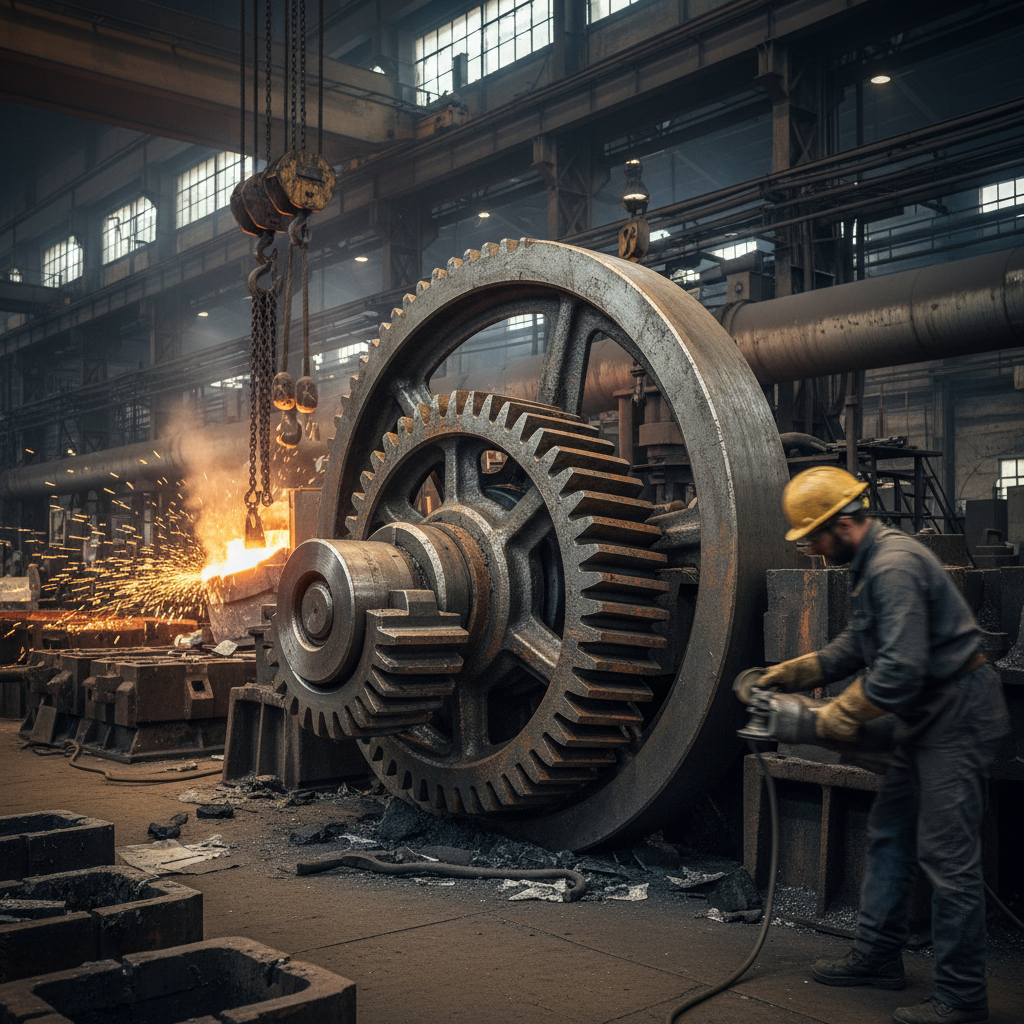





Sintered Gears: The Backbone of Efficient and Sustainable Machinery
If you ever stopped to marvel at how countless machines—from your car's transmission to complex industrial robots—manage power transmission so precisely and quietly, chances are sintered gears play a starring role. These unassuming workhorses have quietly conquered manufacturing floors and product lines worldwide.
Understanding sintered gears isn’t only a niche mechanical engineering curiosity; it’s about appreciating a technology that underpins global industrial efficiency, cost savings, and sustainability efforts. Especially as industries squeeze every last bit of value from materials and energy, sintered gears stand out by delivering performance without extravagant waste.
The Global Pulse: Why Sintered Gears Matter Today
The International Organization for Standardization (ISO) estimates that the global gear market is growing steadily—driven mainly by automotive, aerospace, and industrial machinery demands. Sintered gears contribute heavily to this growth. According to a recent World Bank study, emerging economies are adding tremendous industrial capacity, where efficient, affordable gearing systems make a difference.
Frankly, a major challenge for manufacturers is balancing cost and durability under drastic production pressures. Traditional machining might offer stronger gears but at a cost of hours of labor and increased material wastage. Sintered gears present a compelling alternative—reducing lead times and environmental impact without sacrificing quality.
What Exactly Are Sintered Gears?
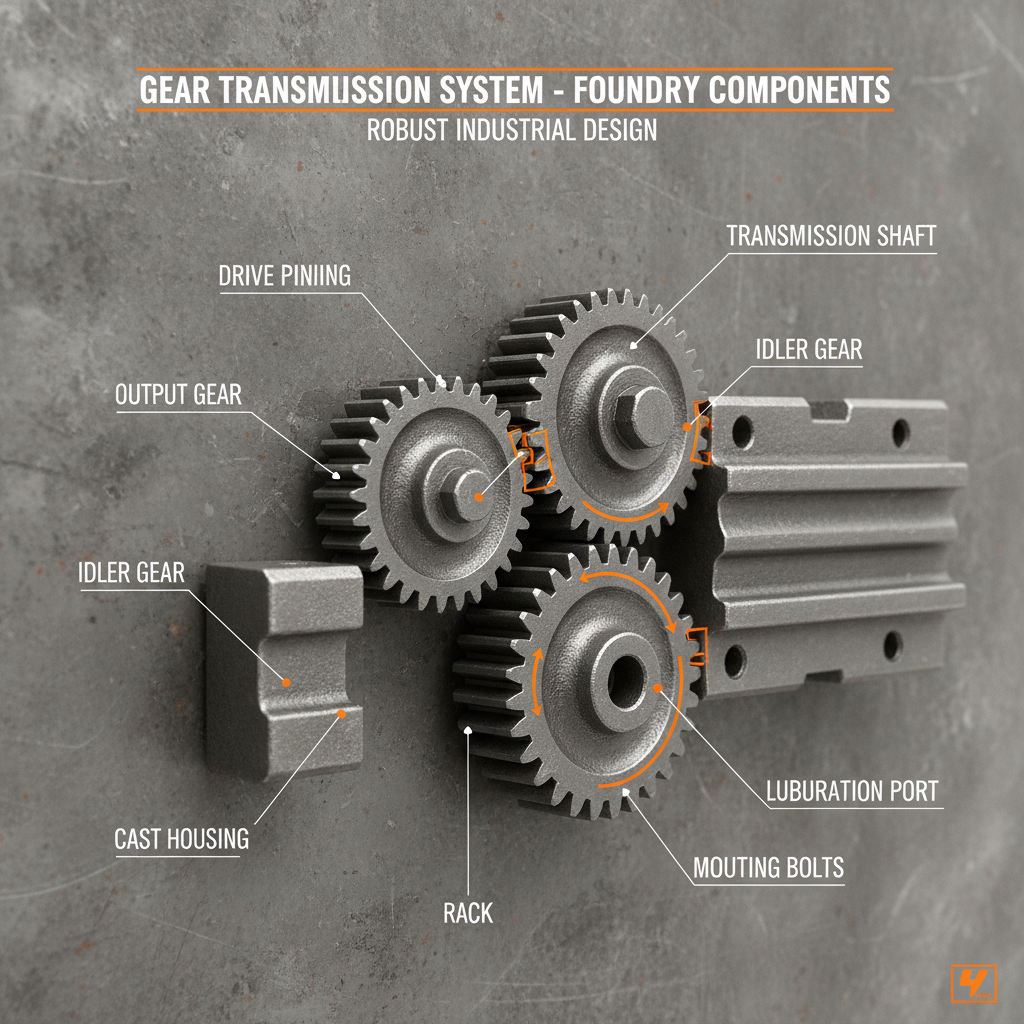
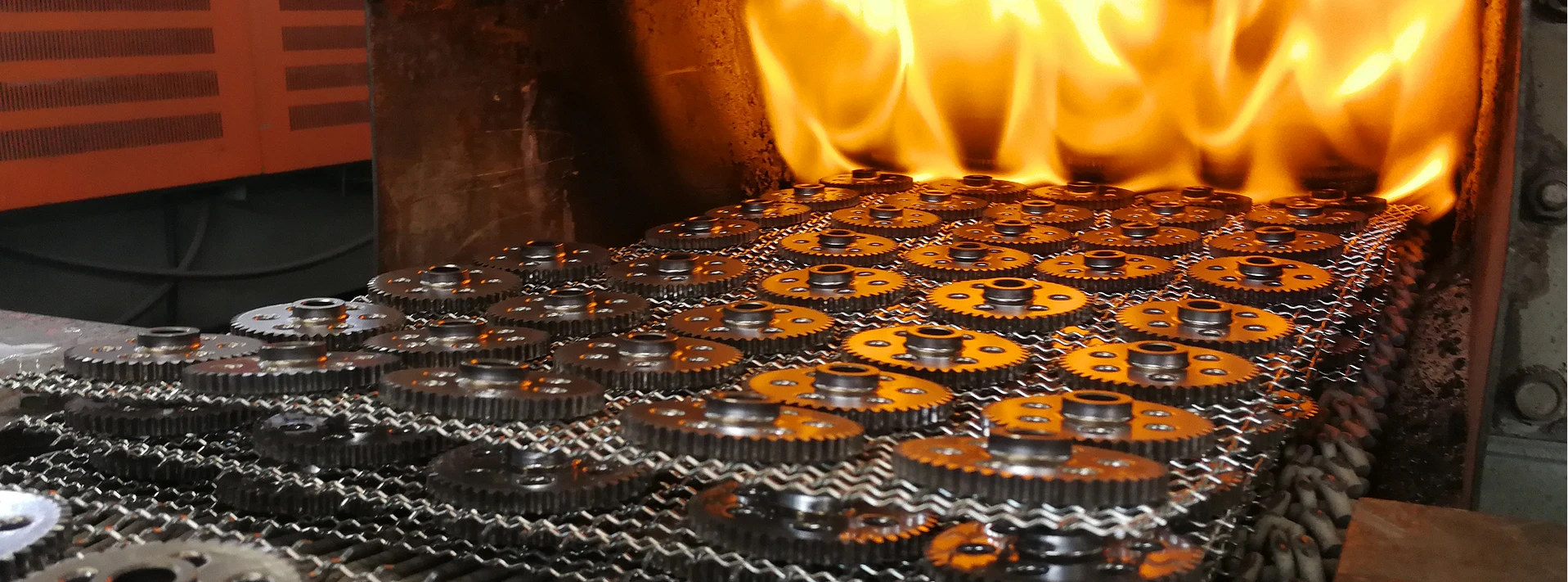
To put it simply, sintered gears are gears made by compressing and heating metal powders just below their melting point to form a solid piece. This process—called powder metallurgy—creates complex gear shapes efficiently and with great precision.
Why does that matter? Well, sintered gears are lighter, sometimes even more uniform, and can embed lubricants or composites that improve lifetime performance. They’re not just parts of machines; they embody modern manufacturing’s shift towards smarter material use and adaptability to demanding applications, from humanitarian robotics to automotive powertrains.
Mini Takeaway:
- Sintered gears combine cost-effective manufacturing with modern material science.
- They support growing global industrial demands sustainably.
Core Features That Define Sintered Gears
1. Durability Without the Drag
Despite often being lighter and cheaper, sintered gears can withstand hefty wear and tear thanks to tailored material blends and heat treatments. Many engineers say they rival traditionally machined gears in lifespan under real-world conditions.
2. Cost Efficiency and Material Savings
Imagine producing a dozen gears per hour with near-net shape, minimizing machining waste. Sintered gears cut costs by slashing raw material use and shortening manufacturing cycles—huge wins in industries running on razor-thin margins.
3. Customization and Scalability
The powder metallurgy process allows near-limitless shapes, sizes, and material combinations, supporting everything from micro-precision gears in medical devices to robust components in heavy vehicles. Plus, once set up, it scales—small batches or huge volumes, your choice.
4. Environmental Sustainability
Besides material efficiency, powder metallurgy processes usually consume less energy and reduce emissions compared to subtractive methods. It aligns perfectly with current regulatory pushes for greener manufacturing practices worldwide.
Mini Takeaway:
- Durability meets cost savings without compromise.
- Design flexibility supports myriad applications.
- Environmental impact is lower, aiding corporate sustainability goals.
Specifications Snapshot of Sintered Gears
| Specification | Typical Range | Notes |
|---|---|---|
| Material | Iron-based alloys, bronze, stainless steel | Depends on application and load |
| Density | ~6.8–7.4 g/cm³ | Around 90-98% of full density |
| Hardness | 50-65 HRC (Rockwell C) | After heat treatment |
| Precision | DIN 6–8 (ISO grade) | Depends on tooling and process |
| Typical Size Range | 1 mm to 300 mm diameter | Catering to micro to large-scale gears |
Global Industries Harnessing Sintered Gears
From bustling factories in East Asia to automotive hubs in Europe and tech startups in North America, sintered gears have found their place. Oddly enough, even humanitarian tech ventures sometimes depend on lightweight, dependable gears to power remote equipment.
- Automotive: Most mass-produced vehicles now use sintered gears in transmissions and fuel systems to trim weight and manufacturing costs.
- Aerospace: Specialized sintered gears crafted for demanding conditions help keep aircraft parts lighter with uncompromised reliability.
- Consumer Electronics: Tiny sintered gears spin inside printers, cameras, and robotics—applications calling for micro-precision.
- Industrial Machinery: Heavy equipment in mining and agriculture benefits from cost-efficient gear replacements without downtime.
For a deeper dive, check out our range of sintered gears designed to meet today’s demanding requirements.
Mini Takeaway:
- Sintered gears power key sectors from cars to drones.
- They facilitate lightweight designs and reliable mechanics globally.
Advantages & Long-Term Value of Sintered Gears
The most obvious advantage? Cost savings. Lower waste, reduced machine time, minimized secondary operations—all add up to significant bottom-line benefits. But, beyond numbers, these gears offer trust. When a farmer in Sub-Saharan Africa runs a water pump powered by sintered components, or an electric vehicle crosses an urban landscape quietly and efficiently, that trust translates into pride and safety.
Environmental benefits go hand in hand with economic ones. Less scrap metal means less landfill and fewer upstream emissions—important in industries striving to meet UN Sustainable Development Goals (SDGs).
And then there’s innovation—using sintered gears can jumpstart entire new design approaches, like embedding sensors or creating hybrid materials, pushing the boundaries of what mechanical components can do.
Emerging Trends Shaping the Future of Sintered Gears
Digital manufacturing techniques combined with advanced sintering processes are beginning to revolutionize the production line. Additive manufacturing (3D printing) integrated with powder metallurgy is enabling previously impossible geometries and faster prototyping.
Materials innovation also looms large—high-performance alloys and nano-infused powders promise gears that are tougher, lighter, and self-lubricating. Plus, as the green energy sector accelerates, sintered gears for wind turbines and electric drivetrains will become even more critical.
Vendor Comparison: Selecting the Right Partner for Sintered Gears
| Vendor | Material Options | Customization Level | Lead Time | Sustainability Commitment |
|---|---|---|---|---|
| JSS Sintering | Steel alloys, Bronze, Stainless | High (custom shapes & compounds) | 2-4 weeks | ISO 14001 certified, low-waste production |
| Global Gear Co. | Primarily steel | Medium | 4-6 weeks | Management-led environmental program |
| Precision Powders | Alloy diversity, additive enabled | High | 3-5 weeks | Focus on sustainable raw sourcing |
Common Questions About Sintered Gears
- Q: How do sintered gears compare to machined gears in strength?
- A: While traditionally machined gears may exhibit slightly higher strength, modern sintered gears, especially with heat treatment and alloying, approach similar durability levels. For many applications, sintered gears provide a reliable and cost-effective alternative with reduced manufacturing time.
- Q: Are sintered gears suitable for high-speed applications?
- A: Yes, when properly designed and heat-treated, sintered gears can function well in high-speed environments, such as automotive transmissions. However, specific material choices and precision grades are essential to meet the demands of such use cases.
- Q: What are the environmental benefits of using sintered gears?
- A: Sintered gears minimize material waste by using powder metallurgy, which reduces scrap. Moreover, the process often consumes less energy than traditional machining, supporting manufacturers’ sustainability goals and reducing overall carbon footprints.
- Q: Can sintered gears be customized for specialized industries?
- A: Absolutely. Powder metallurgy allows for customized shapes, sizes, and composite materials, making sintered gears ideal for highly specialized sectors like aerospace, medical devices, and robotics.
Final Thoughts on the Future of Sintered Gears
Sintered gears keep proving their worth not just as mechanical parts, but as enablers of smarter, greener, and more affordable manufacturing worldwide. Whether you're managing a factory line or simply fascinated by how things work, the story of sintered gears speaks to innovation meeting real-world needs head-on.
Curious to explore top-tier sintered gears? Dive in and discover how they can transform your product designs or streamline your supply chain.