




Why Sintered Metal Gears Keep Turning the Industrial Wheels
If you've spent any time around industrial equipment, you’ve definitely encountered sintered metal gears—those workhorse components quietly but reliably transferring torque and motion behind the scenes. Even after all these years working with industrial parts, the quiet strength of sintered gears still impresses me. It’s kind of humbling: the whole process starts with simple metal powders that end up as some of the toughest little cogs you’ll find.
What Makes Sintered Metal Gears Stand Out?
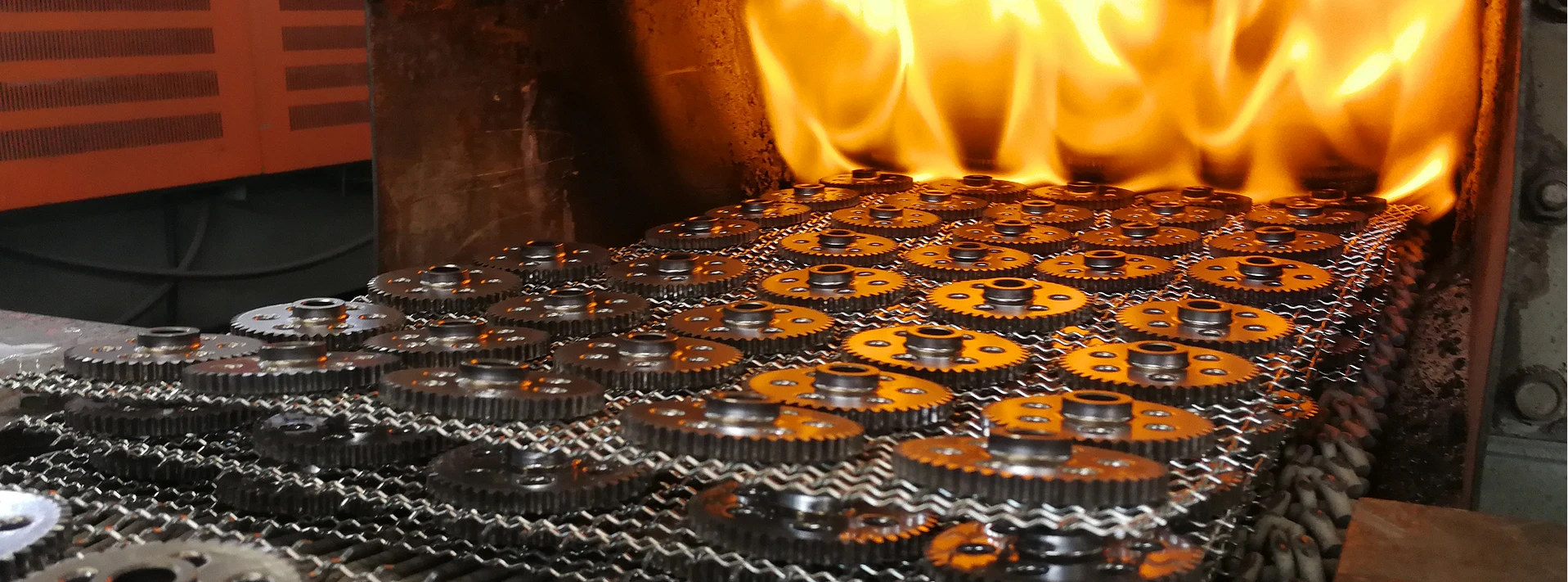
At its core, sintered metal gear production is a powder metallurgy marvel. Metal powders are compressed in a mold, then heated below their melting point—a process that fuses particles into a dense solid without liquefying the whole mass. This careful dance of heat and pressure creates gears that are finely detailed yet incredibly durable.
One thing I often notice in the field: these gears handle surprisingly complex shapes and intricate teeth profiles with minimal machining afterward. That’s crucial for keeping costs down and manufacturing speeds up. Plus, sintered gears can be impregnated or heat-treated to boost wear resistance or even self-lubricate in some cases. It really feels like a tailored solution.
Product Specifications at a Glance
| Specification | Typical Range / Value |
|---|---|
| Material | Iron-based powders, Alloyed steels, Bronze |
| Density After Sintering | 6.8 - 7.3 g/cm³ |
| Hardness | ~55 HRC (after heat treatment) |
| Dimensional Tolerance | ±0.02 mm (standard) |
| Max Module | Up to 10 mm |
| Typical Applications | Automotive, conveyors, pumps, actuators |
It's worth noting the tolerances achieved these days—roughly ±0.02 mm—that’s quite tight given the raw powder’s starting form. Such precision means less finishing work and a smoother assembly process, saving some precious time on the shop floor.
How Does One Vendor Stack Up Against Another?
Having dealt with several suppliers over the years, I can say it’s not just the specs that matter; the whole package counts. Delivery reliability. Customer support. Production flexibility. Here’s a straightforward comparison of three well-known players in the sintered gear market:
| Vendor | Customization Options | Lead Time | Quality Certification | Typical Order Qty |
|---|---|---|---|---|
| JSSintering | Wide (materials, heat treatment, sizes) | 3-5 weeks | ISO 9001, IATF 16949 | From hundreds to large-scale runs |
| Vendor B | Limited (mostly standard alloys) | 4-6 weeks | ISO 9001 | Minimum 1000 pcs |
| Vendor C | Moderate (material and size variations) | 2-4 weeks | ISO 9001 | From 500 pcs |
Looking back, one particular client I worked with appreciated the flexibility from JSSintering. They needed a specific alloy mix and smaller batch runs to test a conveyor system concept. Not many vendors can handle that without jacking up costs or production times, but that’s exactly where sintered components shine. Customization meets efficiency.
Final Thoughts on Sintered Metal Gears
Honestly, sintered metal gears feel like a little secret weapon for industries needing reliable, customizable gearing solutions without the hassle or cost of traditional machining. They might not be flashy, but their performance is often the difference between smooth operations and unexpected downtime.
Next time you peer inside a conveyor gearbox or any industrial actuator, spare a moment for the humble sintered gear doing its job, wearing its powder metallurgy origin like a badge of honor.
References and thoughts:
1. Personal experience working alongside sintered gear suppliers.
2. Industry sources on powder metallurgy and gear manufacturing.
3. Customer feedback from conveyor integrators and equipment OEMs.