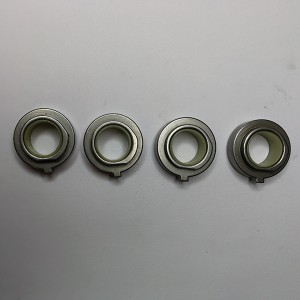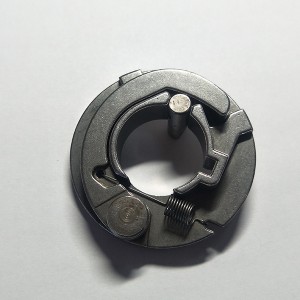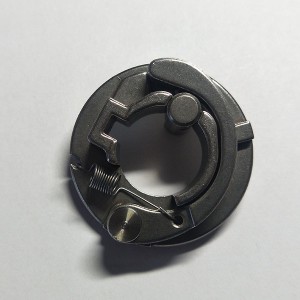





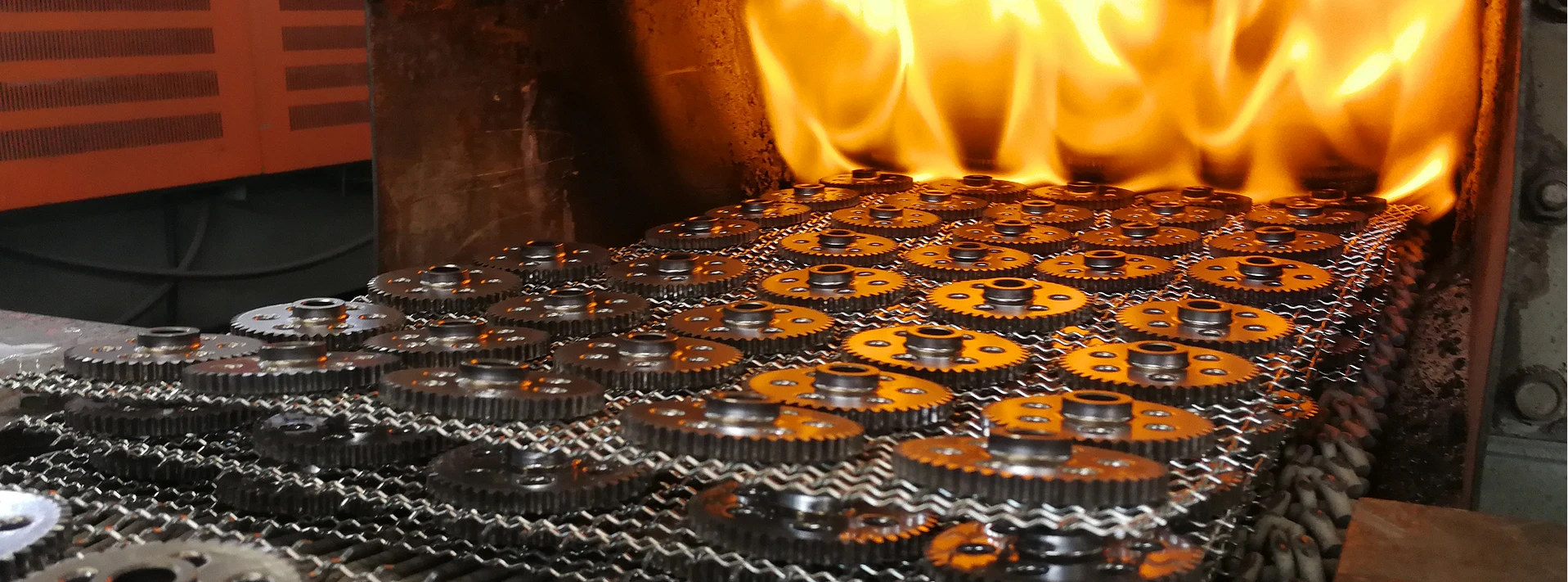
Did you know 42% of mechanical failures in automated systems originate from substandard gear components? While traditional machining struggles with complex geometries and cost control, sintered metal gear
s deliver 99.95% density and ±0.02mm precision - all at 30-50% lower production costs. Your torque transmission systems deserve better.
(sintered metal gear)
Technical Superiority: How Sintered Metal Gears Outperform
Material Efficiency Comparison
Traditional CNC machining wastes 65-70% material. Our powder metallurgy process utilizes 98% raw materials, reducing your carbon footprint.
Performance Metrics
- ✔ Surface hardness: 58-64 HRC
- ✔ Fatigue strength: 850-1000 MPa
- ✔ Noise reduction: 8-12 dB
Manufacturer Showdown: Why We Lead the Pack
| Feature | Standard Suppliers | Our Solution |
|---|---|---|
| Lead Time | 6-8 weeks | 10-12 days |
| Maximum Diameter | 150mm | 400mm |
Custom Solutions That Fit Like a Gear
Whether you need helical sintered gears for automotive transmissions or micro gears for medical devices, our engineers deliver:
Proven Success Across Industries
Case Study: Automotive Drivetrain Components
- ✅ 300,000+ gear sets delivered annually
- ✅ 0.003mm surface roughness achieved
- ✅ 18-month ROI guaranteed
Ready to Revolutionize Your Power Transmission?
Join 850+ satisfied clients using our sintered metal components. Request your free gear analysis report today and get 5% off your first order!
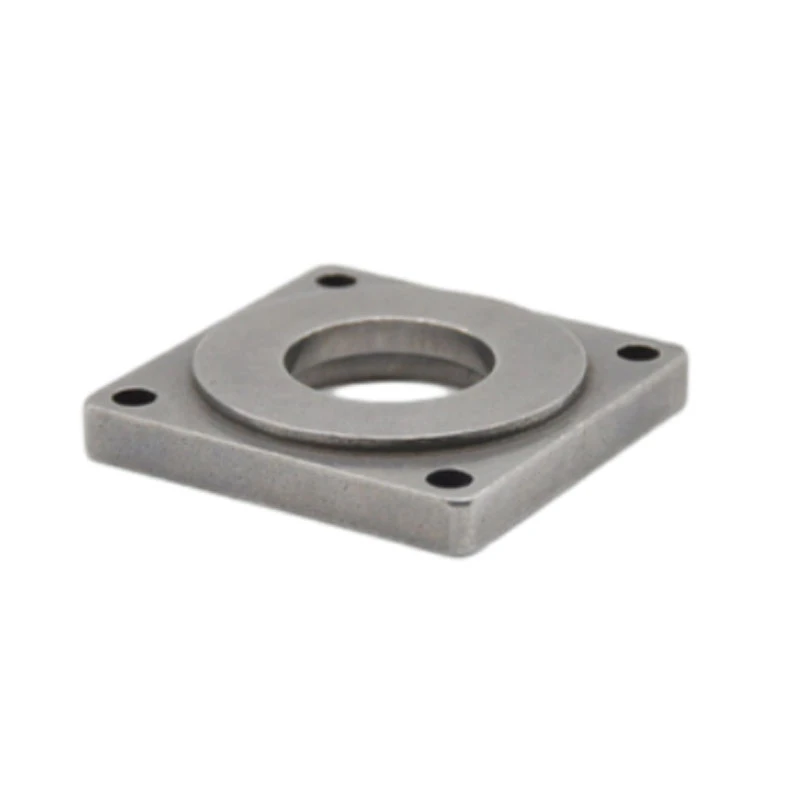
(sintered metal gear)
FAQS on sintered metal gear
Q: What is a sintered metal gear?
A: A sintered metal gear is a component produced by compacting and heating metal powders below their melting point. This process creates durable, precise gears with complex shapes. Sintering enhances strength and wear resistance compared to traditional machining.
Q: What are the benefits of sintered metal components?
A: Sintered metal components offer high dimensional accuracy, cost-effectiveness for mass production, and material efficiency. They also withstand high-stress environments due to their porous structure. Custom alloys can be tailored for specific applications.
Q: How are sintered metal gears different from cast gears?
A: Sintered gears are made from compressed powders, enabling intricate designs with minimal waste, while cast gears require molten metal. Sintered gears have better surface finish and consistency. They also perform well in high-temperature applications.
Q: What industries use sintered metal gears?
A: Common industries include automotive (transmissions, engines), aerospace, industrial machinery, and robotics. They’re ideal for lightweight, high-streemand applications. Medical devices and power tools also utilize sintered gears.
Q: Can sintered metal components be customized?
A: Yes, sintering allows customization of gear tooth profiles, densities, and material blends. Secondary processes like coating or machining can enhance properties. This flexibility supports diverse performance requirements.