






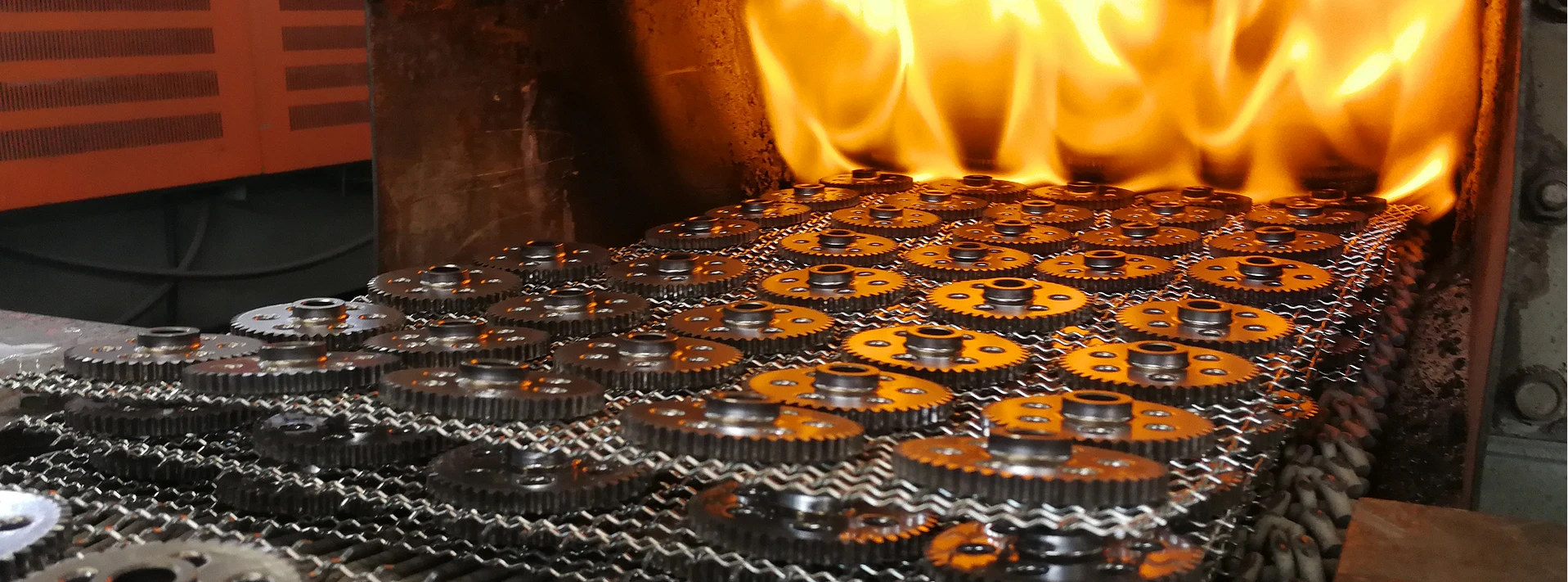
Understanding the Speed Reducer Gear: A Veteran’s Viewpoint
Having spent over two decades in the industrial equipment sector, I can say that the humble speed reducer gear is one of those components that you first glance over—and then grow to appreciate quite a lot. It’s not flashy. It doesn’t grab headlines like robotics or AI does. But, honestly, it’s been quietly making complex machines run smoother and last longer for decades.
You might be wondering: what makes a speed reducer gear such an essential part? Well, in real terms, it’s all about torque and speed adjustment. In many industrial applications, electric motors run at speeds that are simply too high or too inconsistent for the gear-driven machinery parts. That’s where the speed reducer steps in—delivering that vital torque boost at a slower, more usable speed.
Oddly enough, choosing the right speed reducer gear isn’t just about the specs on paper. Materials matter—a lot. Over the years, I’ve noticed that gears made from sintered steel alloys really outshine the rest for durability and precision. The reference supplier I keep leaning on is JSS Intering, who specialize in sintered metal parts tailored for longevity and performance.
Now, I won’t sugarcoat it: testing is rigorous. It has to be. These components operate under considerable stress, sometimes in harsh environments—think chemical plants or automotive assembly lines—conditions that would quickly wear out subpar gears. I remember a particular case from a client in manufacturing who praised how switching to a customized speed reducer solution cut their downtime by nearly 20%. That kind of real-world impact is what keeps us veteran engineers animated about these “unsung heroes.”
Key Specifications of a Typical Speed Reducer Gear
| Specification | Parameter |
|---|---|
| Gear Type | Helical / Spur / Worm |
| Material | Sintered Steel Alloy |
| Reduction Ratio | 5:1 to 100:1 (customizable) |
| Max Torque | Up to 500 Nm |
| Efficiency | Up to 95% |
| Operating Temperature | -20°C to 120°C |
It’s also worth noting that customization options have expanded tremendously. Many vendors allow tailoring reduction ratios, materials, even shaft configurations. This flexibility is crucial because every machine has its quirks, and a one-size-fits-all approach rarely cuts it.
Comparing Leading Speed Reducer Gear Vendors (2024)
| Vendor | Material Quality | Customization | Price Range | Lead Time |
|---|---|---|---|---|
| JSS Intering | Premium Sintered Steel | Extensive | Moderate | 3-4 weeks |
| Vendor B | Standard Steel | Limited | Low | 2-3 weeks |
| Vendor C | Alloy Steel | Moderate | High | 4-6 weeks |
When I advise new engineers or procurement specialists, I often emphasize balancing quality with delivery time and price. You can find cheaper speed reducers, sure, but they usually cost more in downtime or replacements. And frankly, long-term reliability often makes purchasing decisions easier.
There’s also something satisfying about seeing a perfectly meshed gear set working flawlessly, the sound it makes—low hum, no clatter. It’s a silent proof of precise engineering and quality manufacturing. I suppose that’s why, despite advances in machine design, the speed reducer gear remains irreplaceable. It’s not just a part; it’s a critical piece of the puzzle.
If you want to explore quality options, I recommend checking out JSS Intering. Their expertise in sintered components is, frankly, hard to beat in this niche.
In the end, these gears exemplify how precision engineering and thoughtful design work quietly behind the scenes. It feels good knowing that no matter how complex machines get, the basics still hold strong.
References & Resources
- JSS Intering Official Site
- “Sintered Metal Gears in Industrial Applications” - Industrial Journal, 2022
- Case Study: Manufacturing Plant Downtime Reduction, Tech Review, 2023









