




Transmission Gears: Reliability at the Heart of Industrial Performance
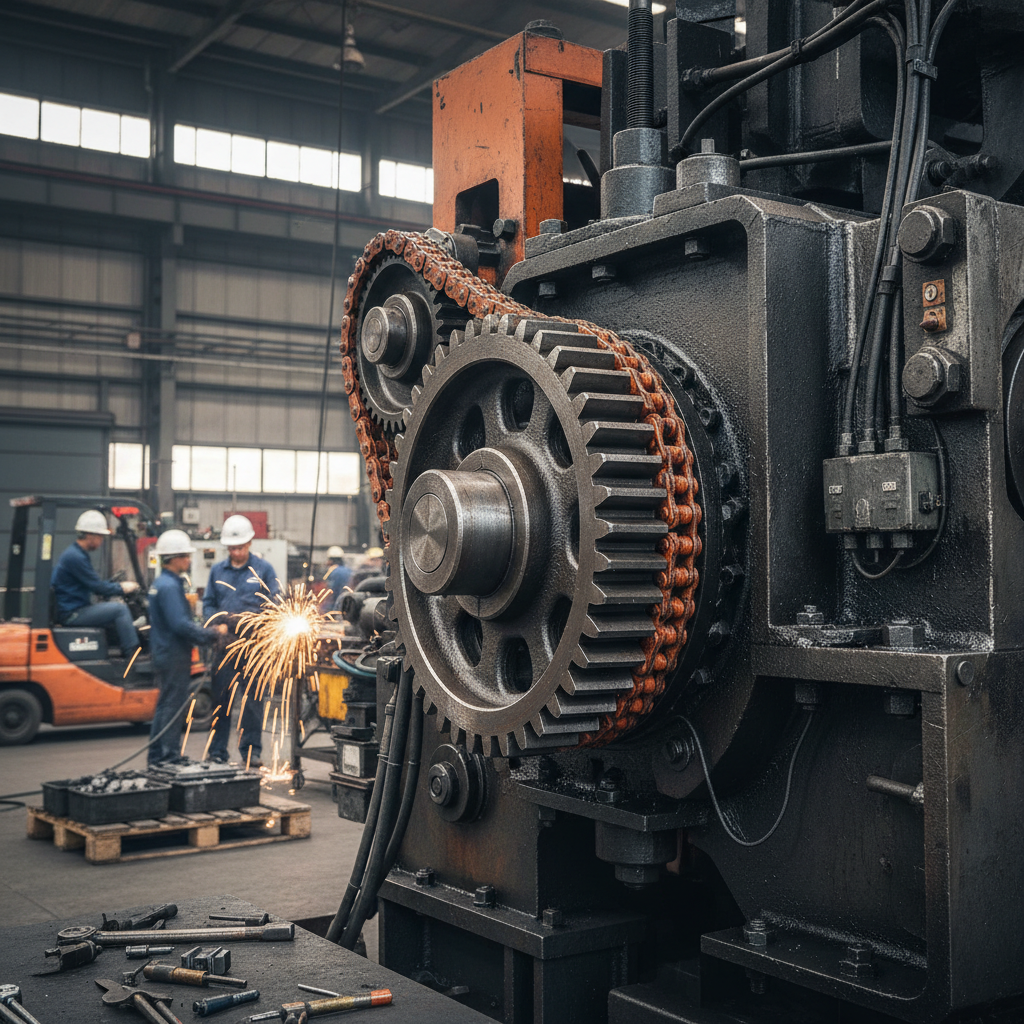
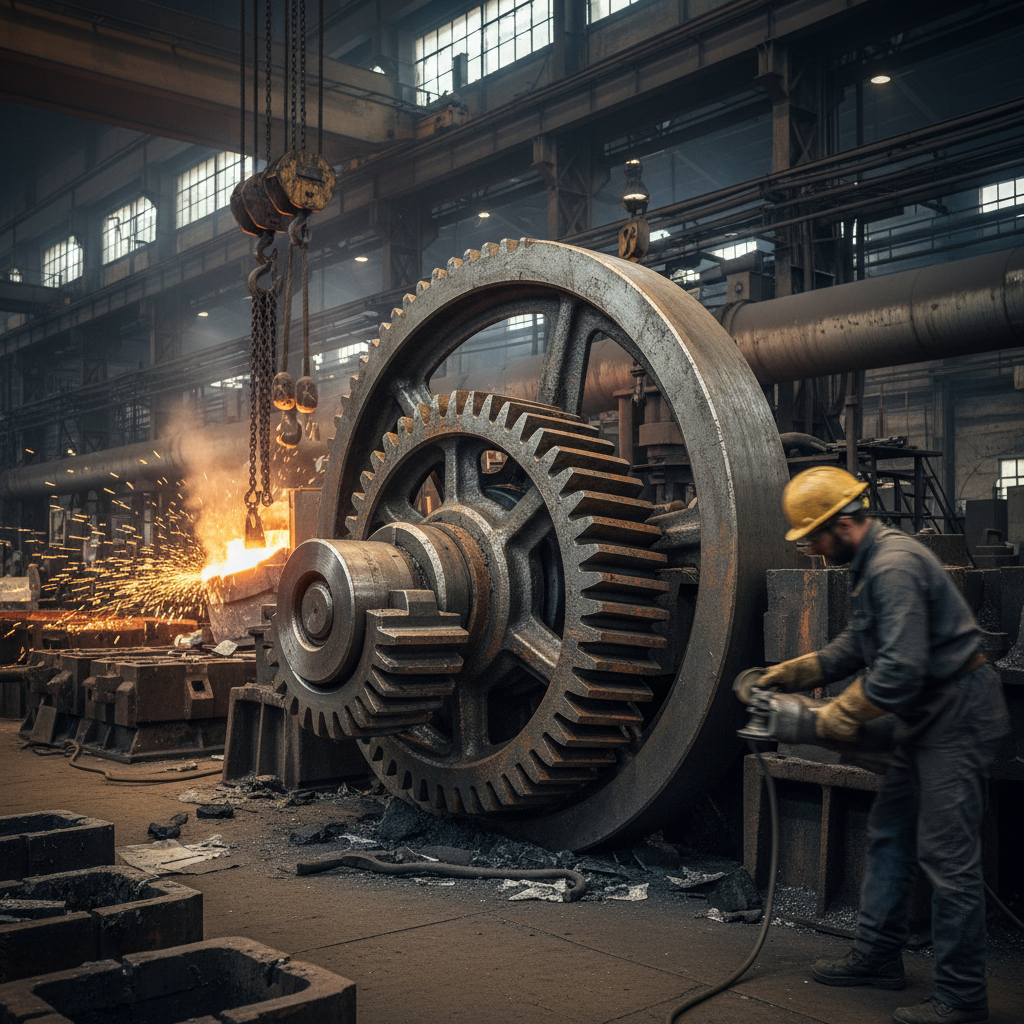
Having spent well over a decade in the industrial equipment sector, I’ve seen firsthand how vital transmission gears really are. These components aren’t just metal wheels – they’re the unsung heroes that dictate performance, efficiency, and ultimately, machine longevity. If you’ve ever worked around heavy machinery or complex systems, you know there’s a kind of quiet trust placed in these gears. Or at least, there should be.
Transmission gears precisely transfer power and torque from one part of a machine to another. Frankly, the margins for error are small. A slight misalignment or subpar material can lead to early wear, noisy operation, or catastrophic failure. I recall a client’s crushing machine that kept overheating because a supplier substituted a cheaper alloy gear — a costly lesson on why quality truly matters.
Material Choices and Design Nuances
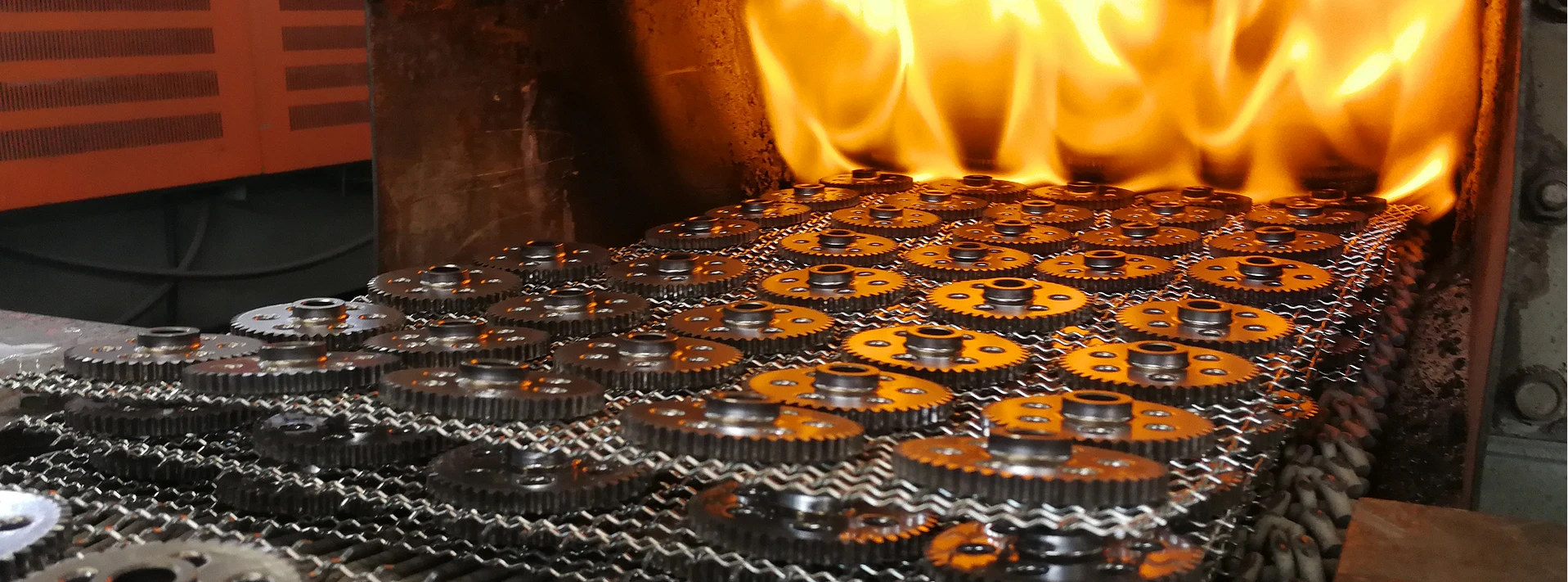
One constant pondered by engineers: which materials best match the application? Steel alloys, often with heat treatments or surface hardening, dominate because they offer strength and fatigue resistance. Sometimes, depending on the use case, powder metallurgy and sintering processes create gears with impressive tensile strength and dimensional accuracy. Oddly enough, these advanced methods are becoming more popular in custom or high-precision applications.
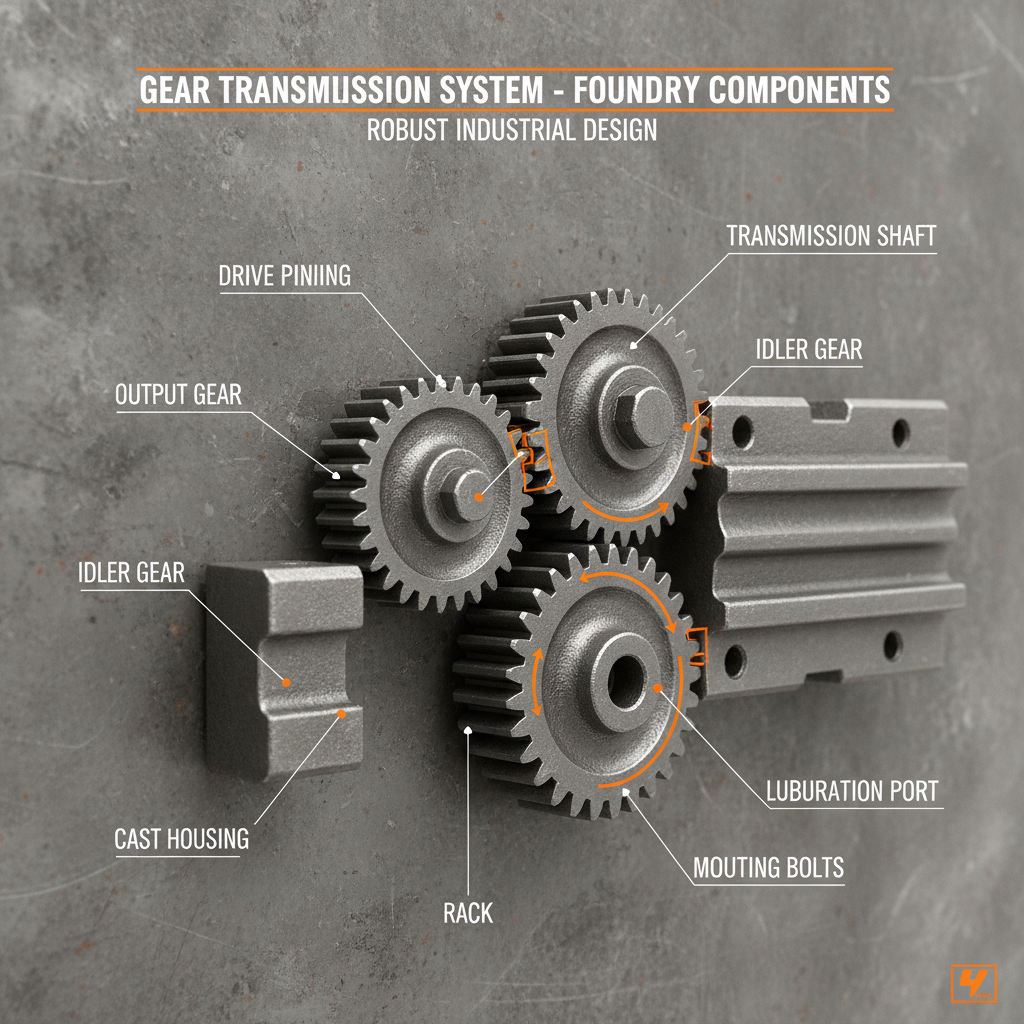
Design-wise, gear teeth profiles (spur, helical, bevel, worm) impact load distribution and noise. Helical gears, for example, provide smoother operation but require careful axial load management. I've noticed many engineers swear by helical designs for medium-to-high speed transmissions, though spur gears are still king in simpler, low-speed setups.
Product Specifications Snapshot
| Specification | Typical Values |
|---|---|
| Material | Alloy Steel (e.g., 20MnCr5) |
| Manufacturing Method | Sintered Powder Metallurgy or CNC Machining |
| Surface Treatment | Carburizing, Nitriding, or Induction Hardening |
| Tooth Profile | Spur, Helical, Bevel |
| Operating Temperature Range | -40°C to 150°C (typical industrial) |
| Typical Lifespan | 10,000+ operational hours with proper maintenance |
Comparing Leading Transmission Gear Vendors
| Feature | Vendor A | Vendor B | Vendor C |
|---|---|---|---|
| Material Quality | High-grade alloy steel | Medium-grade steel | Advanced sintered composites |
| Customization Options | Extensive (design + coatings) | Limited to standard sizes | Moderate (focus on prototypes) |
| Typical Lead Time | 4-6 weeks | 2-3 weeks | 6-8 weeks |
| Pricing | Premium | Economical | Mid-range |
| Known For | Durability and precision | Speedy deliveries | Innovative materials |
Insights from the Field
Over the years, what’s become clear is that there's no one-size-fits-all when it comes to transmission gears. I’ve noticed that companies focused heavily on reliability will choose vendors offering custom coatings and heat treatments – it’s sort of a testament to how even small tweaks can extend gear life significantly. One memorable case involved a client who switched to sintered gears with nitriding treatment, halving their downtime from gearbox repairs.
It’s also common to underestimate the value of proper maintenance and lubrication protocols. Many engineers say that even the best-made gear won’t last without the right environment and care.
In real terms, the future is leaning towards smarter materials and manufacturing techniques. Sintering, powder metallurgy, and even additive manufacturing techniques are becoming mainstream, especially for bespoke or high-performance industrial uses.
Oddly enough, despite all the tech advances, simple communication between machine builders, gear suppliers, and service crews remains critically important. I suppose it never hurts to ask questions, clarify specs, and even perform trial runs where possible.
So, if you’re evaluating transmission gears for your next project, keep in mind the complex balance between material quality, manufacturing, and application-specific demands. You won’t regret investing time here – gears truly are foundational.
References:
1. JSS Intering – Technical Overview
2. “Industrial Gear Materials and Heat Treatment” by S. K. Wilson, Industrial Press, 2019.
3. “Powder Metallurgy in Gear Manufacturing,” Gear Technology Journal, Vol. 24, 2021.