




2025.11.19
What Are Worm Gears and Why Should You Care?
If you've ever fiddled with mechanical devices or worked around heavy machinery, chances are you’ve encountered worm gears — those intriguing angled gears that quietly do the hard work behind the scenes. They're everywhere, from conveyor belts to elevators, and they play a vital—and often overlooked—role in global industry. Understanding worm gears isn’t just a niche engineering sideline. These compact, efficient components can impact global manufacturing efficiency, energy consumption, and even humanitarian engineering projects. By getting a solid grasp on how they work, why they matter, and where they're headed, you unlock insights useful to engineers, manufacturers, and sustainability advocates alike. ---The Global Landscape: Why Worm Gears Matter in Today’s Industry
From the massive factories of Asia to remote mining operations in South America, worm gears keep the wheels turning literally and figuratively. According to ISO standards on gear efficiency, worm drives offer unique advantages in torque transmission and space-saving design. The global industrial gear market, estimated to exceed $14 billion as of 2023, attributes a significant share to worm gears thanks to their durability and high gear reduction ratios. Yet, challenges remain. As industries face increased pressure to reduce waste, improve energy efficiency, and create safer machinery, worm gears have to evolve. The problem? Traditional worm gear setups sometimes suffer from sliding friction losses, leading to energy inefficiencies and wear. How we innovate and select worm gears affects not just machines, but entire supply chains and environmental footprints worldwide. Mini takeaway: Worm gears may be small parts, but they wield enormous influence on global mechanical performance and sustainability. ---So, What Exactly Are Worm Gears?
Picture a screw (the worm) meshing with a toothed gear wheel. That’s the gist of worm gears in simple terms. The “worm” is usually a cylindrical gear wrapped with a spiral thread, while the “worm wheel” looks like a regular gear. Their interaction converts rotational motion perpendicular to the input axis into slower output rotations, offering significant torque increase and precise speed control. This layout means worm gears can achieve very high gear ratios in limited space, perfect for applications where compactness and load capacity matter. Beyond industrial use, worm gears quietly support humanitarian needs, like powering water pumps in remote regions or conveyor systems that deliver essential supplies after natural disasters. Their reliability means machinery can keep running where repair options are scarce. ---Key Components That Put Worm Gears to Work
1. Durability and Material Choice
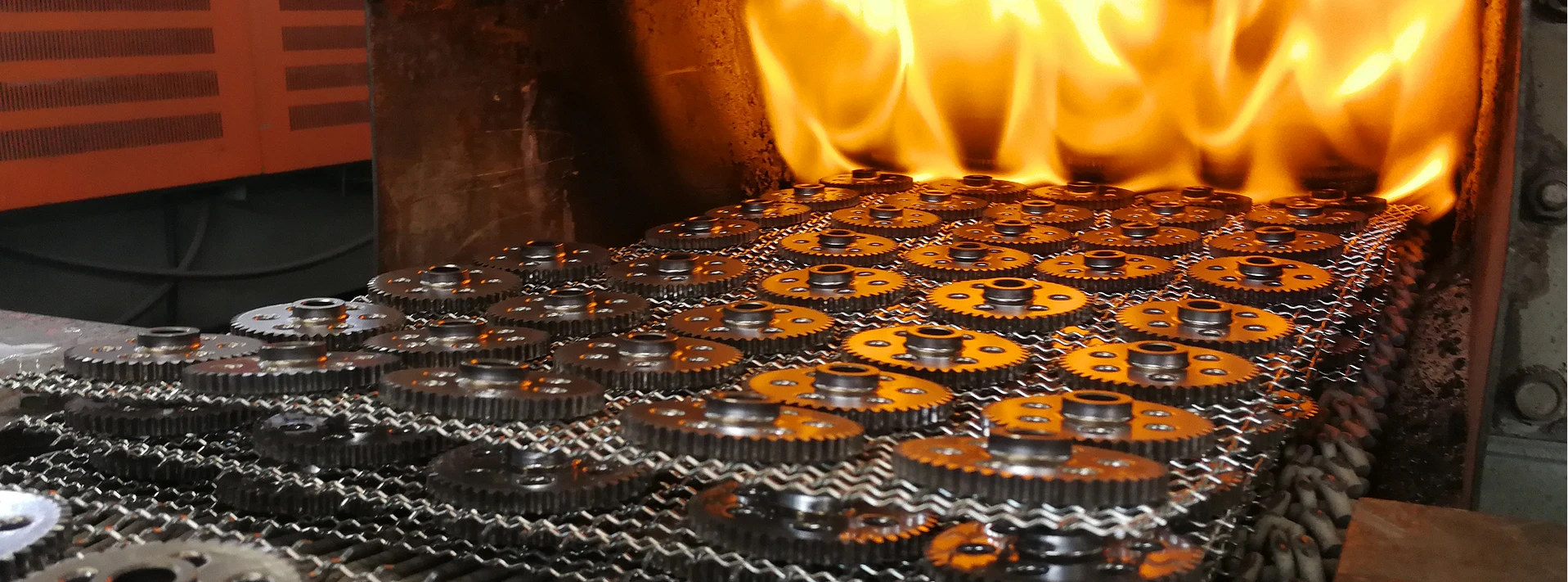
Worm gears often use hardened steel or bronze alloys for their wheels, balancing wear resistance with quiet operation. Using advanced sintered materials (like those from worm gears specialists) can further extend lifespan while reducing lubrication needs.2. Efficiency and Torque Transmission
While worm gears excel at torque multiplication, their sliding action introduces frictional losses. Modern designs optimize tooth profiles and surface finishes to squeeze better efficiency without sacrificing durability.3. Space Efficiency
Worm gears allow large speed changes in one compact step — crucial in tight packaging machinery or robotics apps where every millimeter counts.4. Noise Reduction
Because of their sliding contact, worm gears naturally dampen vibration, making them quieter compared to spur gears in certain contexts.5. Cost-effectiveness
They often trump more complex gear trains by offering simplicity with fewer moving parts, which translates into lower maintenance and reduced downtime. Mini takeaway: These core characteristics help worm gears solve specific engineering puzzles, marrying strength with finesse. ---Real-Life Applications: Where Worm Gears Shine Globally
Worm gears show up in some fascinating places worldwide. In Europe, automotive assembly lines rely on them for fine movement control in robotic arms. In mining-heavy regions of Africa and Australia, heavy-duty worm gearboxes help move conveyor belts laden with ore—often in harsh climates where equipment reliability is critical. Post-disaster relief programs in Southeast Asia use worm gear-driven water pumps to restore irrigation quickly after floods, underscoring their humanitarian importance. Even entertainment industries use large worm gear systems in stage automation for smooth platform lifts. Overall, roughly 40% of worm gear usage happens in manufacturing sectors, while the rest supports infrastructure, energy, and transport systems. ---Worm Gears’ Advantages: More Than Just Mechanics
- Reliability: When downtime costs millions, worm gears provide the steady, predictable operation industries crave. - Safety: The self-locking nature of some worm gear sets prevents back-driving, making machines safer to operate. - Sustainability: Thanks to their compact design and high torque, worm gears reduce the need for multiple complicated gear stages—lowering material consumption. - Cost savings: Less maintenance, fewer failures, and simpler housing reduce long-term operational costs. - Innovation enabler: Miniaturized worm gear components help power the latest automation tech, from drones to medical devices. On a personal note, hearing how engineers praise their “set-it-and-forget-it” reliability probably reflects just how much trust is quietly placed in these components. ---Looking Ahead: Emerging Trends in Worm Gear Technology
The future is bright and a bit shiny for worm gears. The rise of greener manufacturing demands lower friction, pushing research into new coatings and lubricants—think nano-layer films that significantly reduce wear. Digital twins and AI-driven design optimize tooth profiles faster than ever, delivering tailored worm gear sets for niche applications. Additive manufacturing now allows intricate internal cooling channels in gearboxes, crucial for sustainable energy projects, like wind turbines where worm gears regulate blade pitch. Furthermore, regulations on energy efficiency (think ISO 14000 family) drive innovation, encouraging manufacturers to benchmark and improve worm gear systems continuously. ---Challenges and How Industry Innovators Are Tackling Them
Friction losses remain the biggest hurdle for worm gears, impacting overall system efficiency. Some manufacturers experiment with composite materials or polymer-based worm wheels to reduce weight and noise, albeit with trade-offs in strength. Precision manufacturing and improved heat treatment processes help address premature wear. For large-scale systems, modular worm gear assemblies simplify repairs and spare parts logistics—key in remote industrial operations where downtime is a costly luxury. ---Quick FAQ: Worm Gears in a Nutshell
Q1: How do worm gears differ from other gear types?A: Worm gears use a worm (similar to a screw) engaging with a gear wheel at a right angle, enabling large speed reductions in a compact setup, unlike spur or helical gears that run parallel. Q2: Are worm gears suitable for high-speed applications?
A: Typically not. Their sliding action causes heat buildup and energy loss at very high speeds. They’re better suited for moderate to low-speed, high-torque tasks. Q3: How can I improve worm gear longevity?
A: Proper lubrication, regular inspection for wear, and choosing materials suited to your load and environmental conditions are key. Q4: Can worm gears be customized?
A: Absolutely! Industry leaders often offer tailored worm gear solutions to optimize efficiency, size, and durability for specialized operations. ---
A Glance at Worm Gear Specifications
| Specification | Standard Range | Typical Use |
|---|---|---|
| Gear Ratio | 5:1 to 100:1+ | Speed reduction with torque increase |
| Material | Steel worm, bronze or sintered wheel | Optimized for wear resistance & noise |
| Max Torque | Up to 10,000 Nm | Heavy industrial applications |
| Efficiency | 40–90% depending on design | Lower friction variants for energy savings |
| Lubrication | Oil or grease-based | Minimizes friction and wear |
Comparing Leading Worm Gear Providers
| Vendor | Material Options | Customization | Lead Times | Price Range |
|---|---|---|---|---|
| JSS Sintering Co. | Steel, bronze, sintered alloys | Highly customizable batch orders | 4–6 weeks | Mid-range |
| GearTech Solutions | Standard steel/bronze combos | Limited customization | 2–3 weeks | Budget-friendly |
| Precision Gearworks | Specialized alloys and polymers | Custom design services | 6–8 weeks | Premium |