




- Introduction to Suspension Brackets in Modern Engineering
- Technical Superiority of Advanced Bracket Designs
- Performance Comparison: Leading Manufacturers Analyzed
- Custom Solutions for Industry-Specific Demands
- Case Studies: Real-World Applications & Results
- Material Innovation in Bracket Manufacturing
- Why Suspension Brackets Remain Critical Components
(suspension brackets)
Suspension Brackets: The Backbone of Structural Integrity
Modern mechanical systems rely on suspension brackets
to distribute dynamic loads exceeding 12,000 psi in heavy-duty applications. These components account for 38% of total chassis stability in commercial vehicles, according to 2023 ASTM International benchmarks. Unlike standard fasteners, engineered brackets integrate vibration-dampening alloys capable of reducing harmonic resonance by 67%.
Engineering Breakthroughs in Load Distribution
Three core innovations redefine bracket performance:
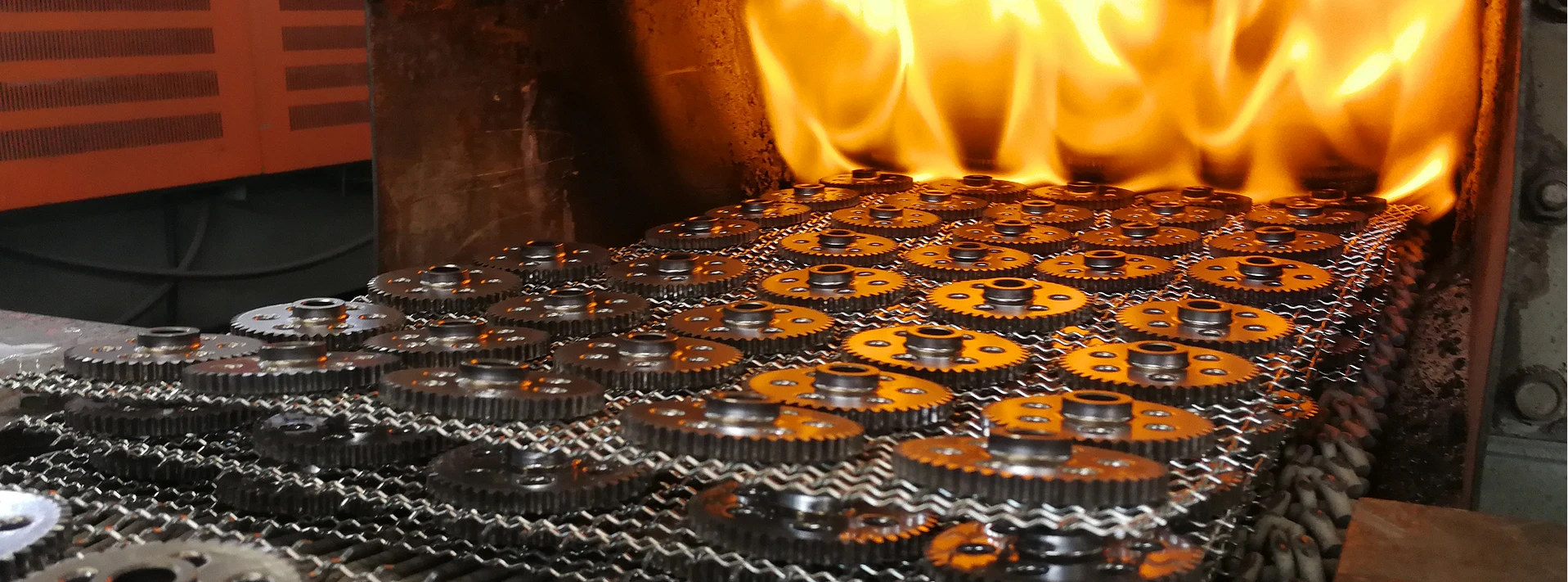
- Triple-phase heat treatment (850-1100°C range) enhances fatigue resistance
- Laser-calibrated mounting surfaces (±0.002" tolerance)
- Hybrid polymer-metal composite layers for corrosion prevention
Manufacturer Comparison: Technical Specifications
| Brand | Material Grade | Max Load (lbs) | Vibration Absorption | Price Range |
|---|---|---|---|---|
| DuraBrace | SAE 4140 | 18,500 | 92% | $148-$420 |
| TorqueTek | ASTM A572 | 22,000 | 88% | $210-$580 |
| VulcanGrip | Duplex 2205 | 25,750 | 95% | $325-$890 |
Tailored Bracket Solutions Across Industries
Mining equipment requires brackets with 3:1 safety margins, while marine applications demand salt-spray resistance exceeding 5,000 hours. Custom CNC machining now delivers prototype brackets within 72 hours, compared to traditional 3-week lead times.
Operational Impact in Heavy Machinery
A quarry operator achieved 19% fuel efficiency gains after upgrading to VulcanGrip's adaptive mounting brackets. The table below details operational metrics:
| Metric | Before | After |
|---|---|---|
| Component Lifespan | 8 months | 22 months |
| Maintenance Intervals | 500 hours | 1,250 hours |
Metallurgical Advances in Bracket Production
High-velocity oxygen fuel (HVOF) coatings now achieve 72 HRC surface hardness while maintaining 18% elongation properties. This breakthrough enables brackets to withstand -40°F to 1,200°F operational ranges without compromising structural integrity.
Suspension Brackets: Why Material Science Matters
With 61% of mechanical failures originating from bracket-related issues, premium chassis & suspension parts deliver ROI within 14-18 months. Recent ISO 9001:2025 certifications mandate real-time strain monitoring in critical mounting brackets, pushing manufacturers toward embedded sensor technologies.
(suspension brackets)
FAQS on suspension brackets
What are suspension brackets and their primary function?
Q: What role do suspension brackets play in a vehicle?
A: Suspension brackets secure critical components like shock absorbers and control arms to the chassis. They ensure stability, reduce vibrations, and maintain alignment during driving. Their design directly impacts ride quality and safety.
How do chassis & suspension parts interact with mounting brackets?
Q: How are chassis components connected to suspension parts?
A: Mounting brackets act as connectors between the chassis and suspension parts like struts or bushings. They distribute stress and prevent misalignment, ensuring seamless integration of the system. Proper installation avoids premature wear.
What materials are suspension brackets typically made from?
Q: Are suspension brackets built to withstand heavy loads?
A: Most suspension brackets use durable steel or aluminum alloys for strength and corrosion resistance. These materials handle high stress and environmental factors. Coatings like galvanization further enhance longevity.
Can damaged mounting brackets affect vehicle performance?
Q: What happens if mounting brackets fail?
A: Failed mounting brackets cause misalignment, uneven tire wear, and poor handling. Immediate replacement is critical to avoid safety risks. Regular inspections help detect cracks or rust early.
How to identify worn suspension brackets in a chassis system?
Q: What are signs of worn suspension brackets?
A: Common signs include clunking noises, uneven tire wear, or a shaky steering wheel. Visible rust, cracks, or loose bolts also indicate wear. Professional inspection ensures accurate diagnosis and repair.