






Understanding the Role of a Metal Gear Manufacturer in Modern Industry
When you hear “metal gear manufacturer,” you might picture a highly specialized factory churning out components for automotive or aerospace applications. But honestly, this niche is far more critical to global industry than most realize. Metal gears—those intricate, sturdy parts—are the backbone of countless machines that keep economies moving. From factory assembly lines to wind turbines, understanding how metal gears are made, and the key players behind this, packs a surprising amount of insight about modern manufacturing and engineering sustainability.
Why Metal Gear Manufacturing Matters Globally
Worldwide, industries depend on reliable mechanical power transmission, often delivered by metal gear systems. According to the International Organization for Standardization (ISO), metal gears must adhere to stringent dimensional and material standards to ensure safety and interoperability. The global metal gear market was valued near $20 billion in recent years, reflecting the vast demand across automotive, aerospace, renewable energy, and heavy machinery sectors.
Yet, a real challenge remains: how do manufacturers balance quality, scalability, and sustainability, particularly under increasing pressure to reduce environmental footprints and increase machine longevity? This is where competent metal gear manufacturers step in, solving complex puzzles every day.
Defining a Metal Gear Manufacturer
Put simply, a metal gear manufacturer is a company that designs, fabricates, and tests durable gears made primarily of metal. These gears convert rotational motion and torque between machine parts. Unlike plastic or composite gears, metal gears offer toughness, heat resistance, and longer service life—critical for harsh industrial environments.
Modern metal gear manufacturers don’t just produce generic parts; their work supports essential infrastructure, from humanitarian aid equipment to sustainable energy farms. In other words, they’re quietly engineering reliability and efficiency that ripple out globally.
Core Components and Key Factors in Metal Gear Manufacturing
Durability and Material Selection
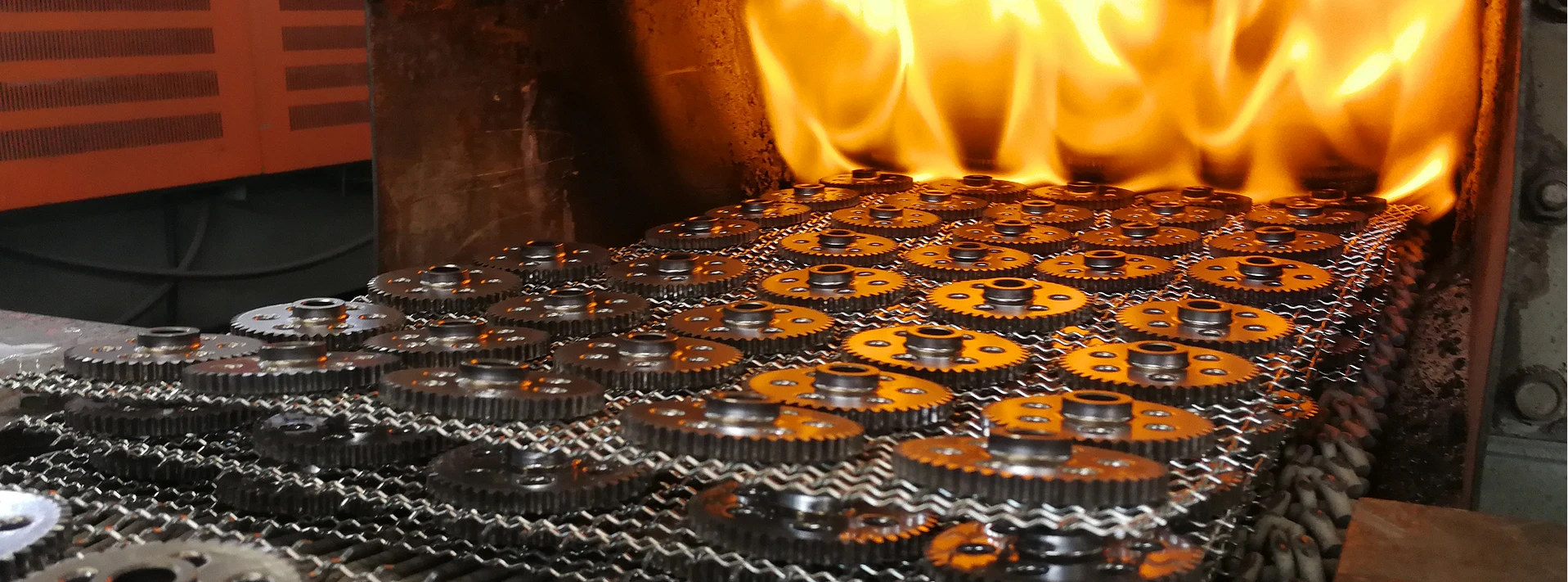
Longevity is king here. Choosing appropriate alloys—like hardened steel, brass, or specialized stainless steels—affects how a gear withstands wear, corrosion, or temperature extremes. Many manufacturers use carburizing or nitriding processes to harden surfaces while preserving core toughness.
Precision and Standards Compliance
In this line of work, tolerances are microscopic, sometimes in microns. Precision machining and grinding are critical to meet ISO accuracy classes (for instance, ISO 1328). This guarantees gears mesh smoothly, minimizing noise and failure risks.
Cost Efficiency Without Compromise
Frankly, manufacturing metal gears isn’t cheap. Balancing production costs with material quality and machining complexity is a tricky tightrope walk. Experienced vendors optimize batch sizes and automation to reduce unit prices without skimping on performance.
Scalability and Customization
Clients range from tiny workshops to massive OEMs (Original Equipment Manufacturers). A versatile metal gear manufacturer can handle short prototype runs as smoothly as mass production, often customizing gear profiles, sizes, and finishes to exact specifications.
Testing & Quality Assurance
No cutting corners here. Testing includes hardness measurements, runout checks, and even real-world load simulations. Rigorous QA ensures every gear meets or exceeds expected operational lifetimes.
Popular Metal Gear Specifications (Example Model)
| Specification | Value |
|---|---|
| Material | Alloy Steel (AISI 8620) |
| Surface Hardness | 58 HRC (Carburized) |
| Module | 2.5 mm |
| Pressure Angle | 20° |
| Tooth Count | 40 Teeth |
| Finish | Ground and Polished |
Mini Takeaway: Metal gear manufacturing hinges on exacting material selection, precision, and quality testing to serve diverse applications reliably.
Global Applications & Use Cases of Metal Gears
- Automotive Industry: Metal gears drive transmissions, steering systems, and more, especially where durability is non-negotiable.
- Renewable Energy: Wind turbines employ precision gears to transfer mechanical energy under extreme conditions.
- Industrial Machinery: Factory equipment with metal gears maintains relentless productivity in sectors like mining, textile, and food processing.
- Aerospace and Defense: Here, metal gear manufacturers support mission-critical systems demanding peak reliability.
- Humanitarian Relief: Oddly enough, in disaster zones, rugged equipment powered by metal gears assists urgently needed rescue and infrastructure rebuilds.
Regions from South Korea to Germany lead in advanced gear design, while emerging economies ramp up production capacity to meet local industrial demands. The diversity of uses across industries and continents underscores just how vital well-manufactured metal gears are worldwide.
Vendor Comparison Table: Selecting a Metal Gear Manufacturer
| Feature | JSS Sintering | GearWorks Ltd. | Precision Gears Inc. |
|---|---|---|---|
| Material Variety | High (Steel, Stainless, Alloy) | Moderate (Steel Focused) | High (Specialty Alloys) |
| Production Scale | Small to Medium Batches | Large Scale Mass Production | Prototype & Custom Runs |
| Quality Certifications | ISO 9001, TS 16949 | ISO 9001 | AS9100, ISO 9001 |
| Customization Level | High | Low | Very High |
| Lead Time | 2-4 Weeks | 4-8 Weeks | 1-3 Weeks |
Advantages & Long-Term Value of Quality Metal Gears
The benefits of investing in quality metal gears go beyond immediate machine performance. There’s a strong sustainability angle here—the durability reduces the need for frequent replacements, cutting down waste. Reliability lowers downtime risks, which saves money and safeguards safety. On a human level, well-made gears keep critical machinery running smoothly, whether in hospitals, transit systems, or food production, thus preserving dignity and community wellbeing.
Innovative manufacturers also now prioritize designs that reduce friction and energy loss, contributing to greener, more efficient machines. So, the advantages are not just technical but visceral: dependability builds trust, and when engineers know their metal gears will hold up, it fosters a kind of peace of mind that, frankly, every industry should crave.
Future Trends & Innovations in Metal Gear Manufacturing
As green energy becomes a priority, metal gear manufacturers are developing new alloys and coatings that extend gear life in renewable energy applications, like offshore wind farms. Digital transformation also means manufacturers employ AI-driven precision machining and real-time quality monitoring, cutting defects drastically.
3D metal printing is another exciting innovation — while still limited for large batch runs, it offers rapid prototyping and custom complex geometries previously impossible with traditional methods. Automation and IoT-enabled factories promise scalability without sacrificing customization or speed.
Challenges & Solutions in the Industry
One persistent issue is balancing cost and performance, especially when global material prices fluctuate unpredictably. Moreover, environmental regulations increasingly restrict traditional heat treatment methods due to emissions.
To tackle these, some manufacturers, including metal gear manufacturer specialists, are adopting eco-friendlier carburizing techniques and recycling scrap metal efficiently. Collaborative R&D with material scientists also yields alloys that require less energy to treat yet perform equally well.
Frequently Asked Questions About Metal Gear Manufacturers
- What distinguishes a metal gear manufacturer from other gear producers?
- Metal gear manufacturers specialize in producing gears made from metal alloys with precise dimensional and material standards, typically offering higher durability and load capacity compared to plastic or composite gear producers.
- How does customization impact lead times in metal gear manufacturing?
- Greater customization often means longer lead times because specialized tooling or machining setups are required. However, experienced manufacturers optimize workflows to keep delays minimal while ensuring quality.
- Are metal gears recyclable and eco-friendly?
- Yes, metal gears are typically recyclable, which contributes to sustainability. Additionally, manufacturers increasingly focus on eco-friendly processes to reduce waste and energy consumption throughout production.
- Can metal gear manufacturers handle international orders efficiently?
- Many experienced metal gear manufacturers work internationally, managing export documentation and logistics smoothly. Choosing vendors with established global shipment experience simplifies the process significantly.
Conclusion
Ultimately, the role of a reliable metal gear manufacturer cannot be overstated. These specialists provide the mechanical heart to sectors critical to daily life, innovation, and sustainability worldwide. Understanding the nuances—in materials, precision, and future trends—helps industries make wiser choices, reducing risk and boosting trust.
If you’re looking to partner with a company at the forefront of metal gear innovation, visit our website to learn how advanced manufacturing processes and tailored solutions can support your project’s success.
It sometimes feels like metal gears are unnoticed heroes—silent, steadfast, and absolutely essential.









