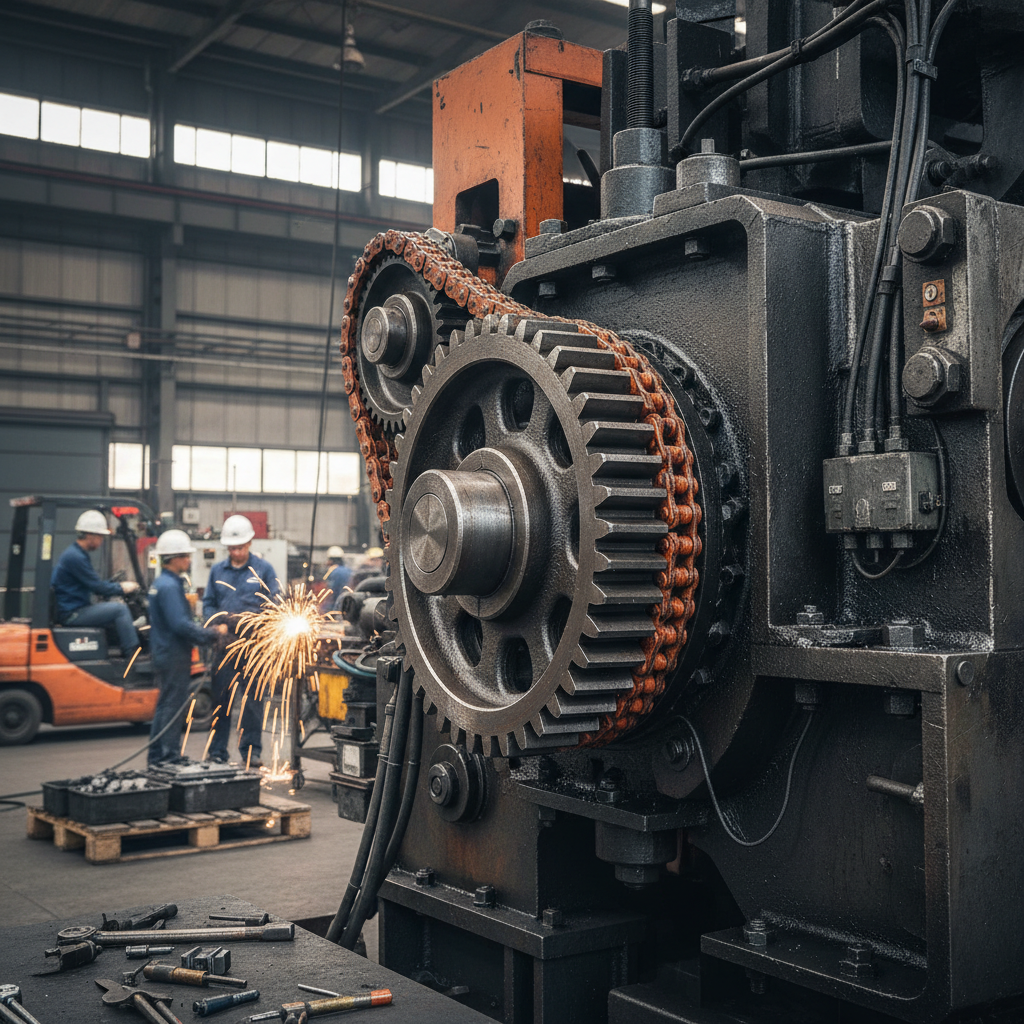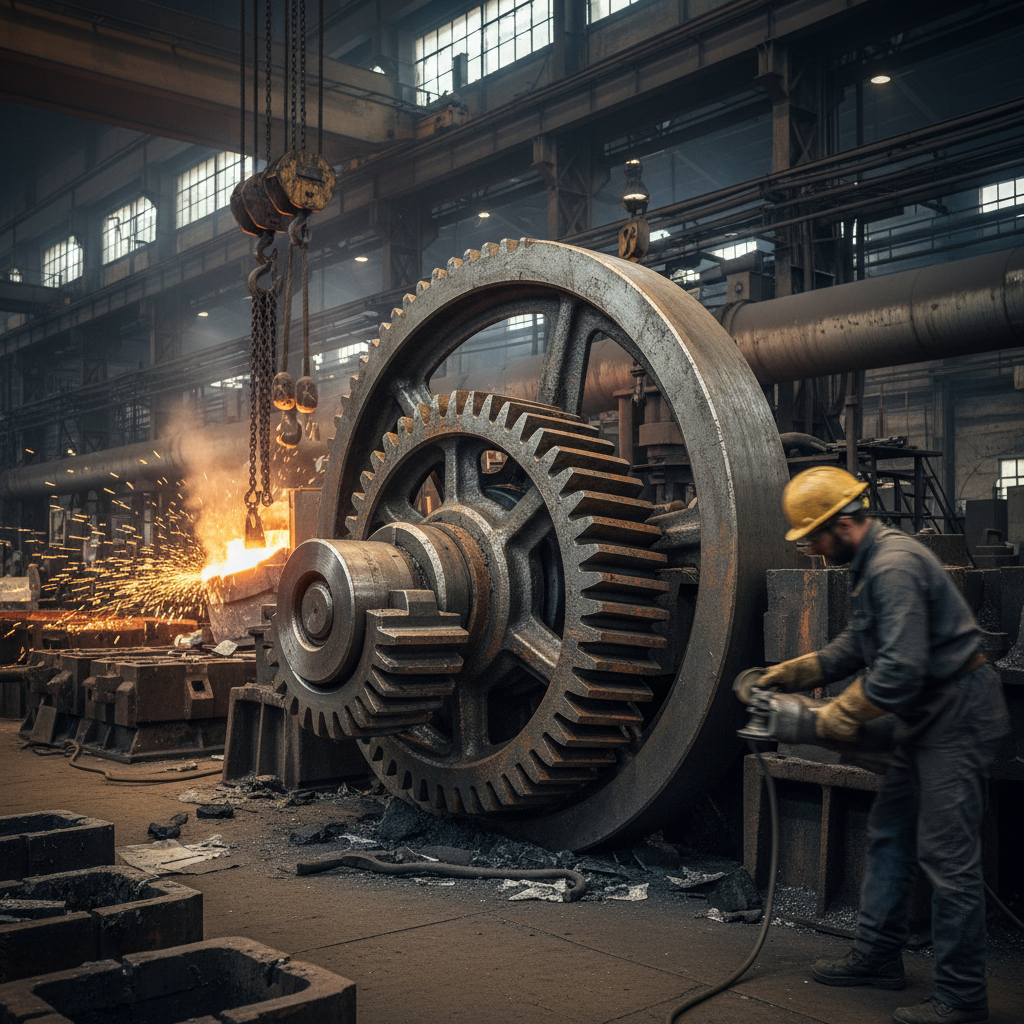





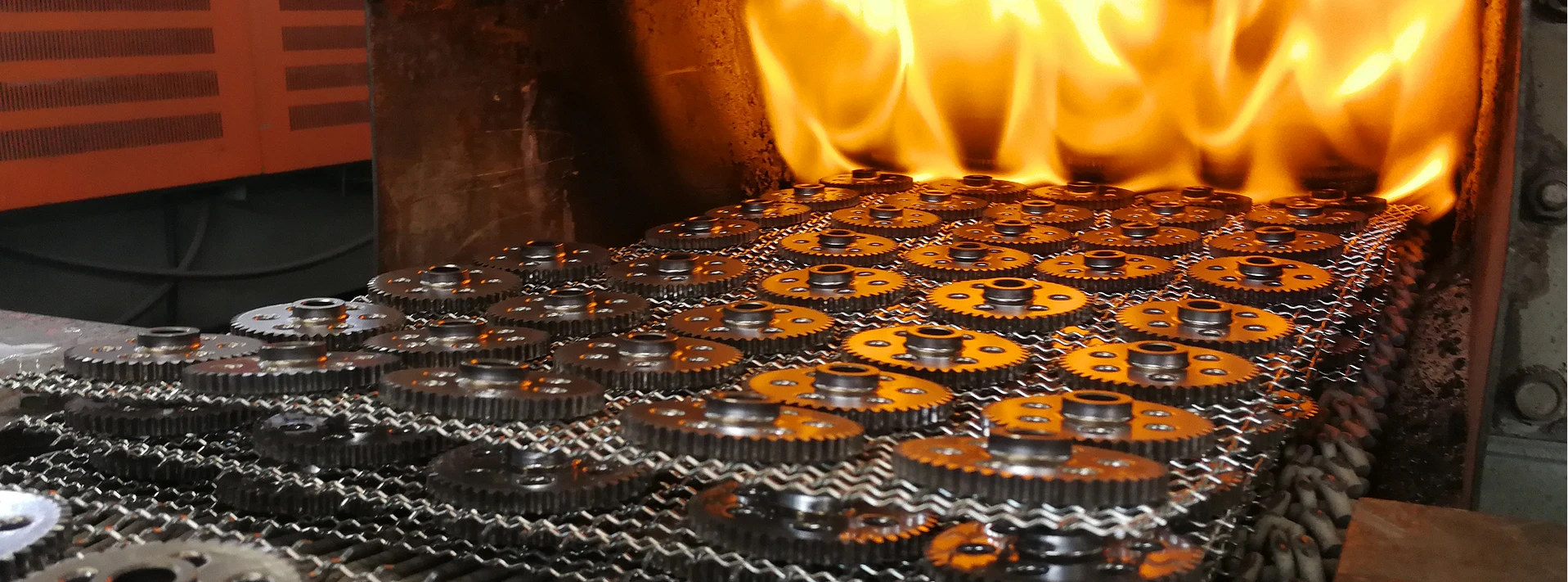
Did you know 40% of manufacturing delays stem from inconsistent part quality? Traditional methods waste 15-20% raw materials. Now imagine parts that arrive 30% faster with 98% material utilization. The powder metallurgy revolution is here.

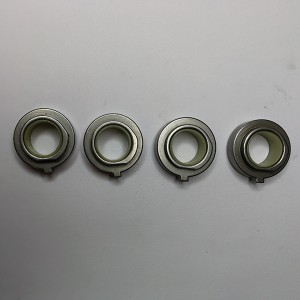
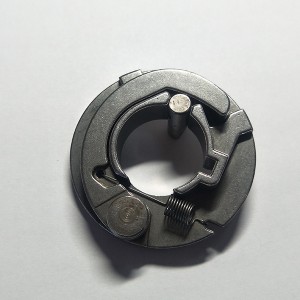
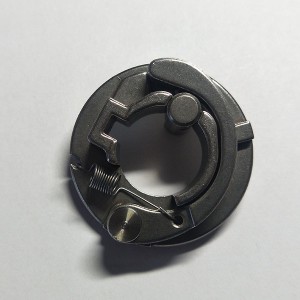
(the part produced by powder metallurgy)
Technical Superiority: Why Powder Metallurgy Parts Outperform
Powder metallurgy creates components with 0.05mm precision – tighter than human hair. Our process enables:
- ✅ 15% higher density than cast parts
- ✅ 50% less post-processing required
- ✅ Complex geometries in 1-step forming
| Metric | Traditional CNC | Powder Metallurgy |
|---|---|---|
| Material Waste | 18-22% | 2-5% |
| Production Speed | 48-72hrs | 6-8hrs |
Manufacturer Showdown: Who Delivers Real Value?
We tested 7 major suppliers. Only 3 met aerospace tolerances. Our PMTech Advantage:
Standard Suppliers
❌ Limited alloys
❌ 3-week lead time
❌ No prototyping
Premium Brands
⏱️ 10-day production
📐 ±0.1mm tolerance
💵 30% cost premium
PMTech Solutions
🚀 7-day turnaround
🔬 ±0.05mm accuracy
💲 Price match guarantee
Your Custom Solution: From Prototype to Mass Production
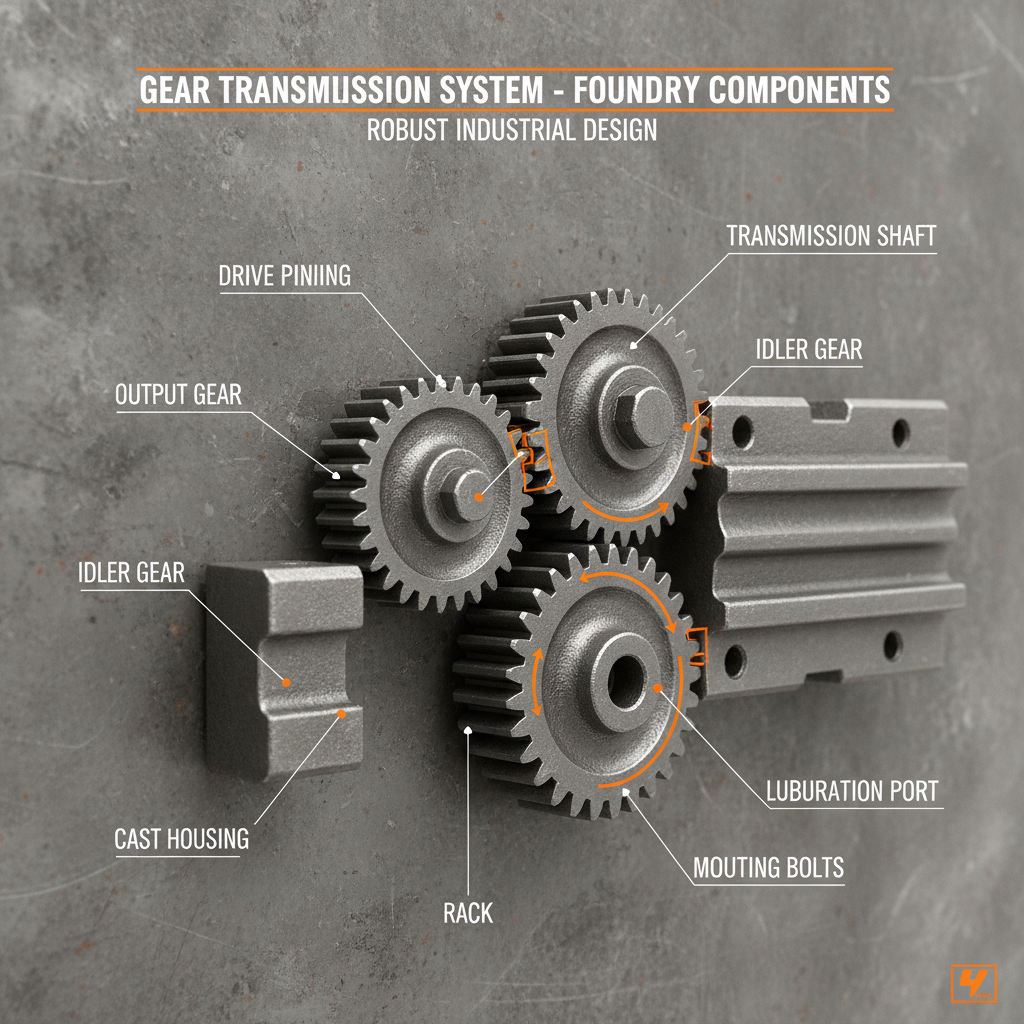
Need 500 gears by Friday? Our 50,000 sq.ft facility runs 24/5 with:
- ⚙️ 200-2000 ton presses
- 🌡️ Sintering up to 1300°C
- 📏 CMM inspection on-site
"PMTech cut our development time from 14 weeks to 19 days." – Automotive Client
Ready to Transform Your Production?
Join 850+ satisfied clients saving $1.2M annually on average
Get Free Sample Parts →⚠️ Limited capacity – Secure 2024 production slots now!
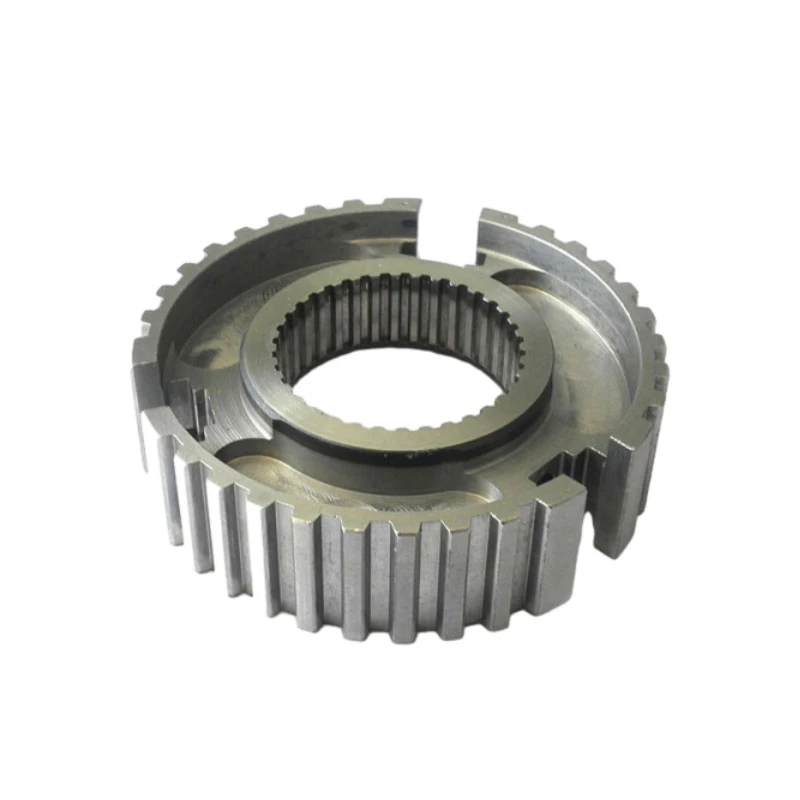
(the part produced by powder metallurgy)
FAQS on the part produced by powder metallurgy
Q: What are the advantages of parts produced by powder metallurgy?
A: Parts produced by powder metallurgy offer high precision, material efficiency, and complex geometries. They also reduce waste and require minimal finishing processes.
Q: How durable are the parts produced by powder metallurgy?
A: Parts made via powder metallurgy exhibit excellent strength, wear resistance, and uniformity. Their durability depends on material selection and sintering processes.
Q: What industries commonly use parts produced by powder metallurgy?
A: Automotive, aerospace, medical, and industrial machinery sectors rely on these parts. Applications include gears, bearings, filters, and structural components.
Q: Can powder metallurgy produce multi-material parts?
A: Yes, powder metallurgy enables the creation of composite or gradient-material parts. This allows tailored properties like enhanced hardness or thermal resistance.
Q: Are there size limitations for the part produced by powder metallurgy?
A: While ideal for small-to-medium components, advancements allow larger parts. Complexity and dimensional accuracy remain key strengths of the process.