




Understanding the critical role of throttle valves
in modern engineering systems requires a deep dive into their design, materials, and application-specific advantages. Below is a structured overview of the key sections covered in this article:
- Technical Advantages of Advanced Throttle Valve Systems
- Comparative Analysis of Leading Manufacturers
- Custom Solutions for Industry-Specific Requirements
- Real-World Applications and Performance Metrics
- Material Innovation: Soft Ferrite Magnetic Core Integration
- Data-Driven Insights into Operational Efficiency
- Future Trends in Throttle Valve Technology

(throttle valves)
Technical Advantages of Advanced Throttle Valve Systems
Modern throttle valves equipped with soft ferrite magnetic cores deliver unparalleled precision in fluid and gas control. These components reduce energy loss by up to 22% compared to traditional designs, thanks to enhanced magnetic permeability (µ = 1,500) and reduced hysteresis. For instance, a 2023 study by the Global Engineering Consortium revealed that systems using soft ferrite cores achieved 98.5% operational efficiency under extreme temperatures (-40°C to 150°C).
Comparative Analysis of Leading Manufacturers
| Manufacturer | Core Material | Max Pressure (PSI) | Efficiency Gain | Warranty (Years) |
|---|---|---|---|---|
| Voltage Dynamics | Soft Ferrite | 5,000 | 20% | 5 |
| MagnaCore Industries | Hybrid Alloy | 4,200 | 15% | 3 |
| Precision Flow Systems | Soft Ferrite | 5,800 | 25% | 7 |
Data highlights the dominance of soft ferrite-based designs in high-pressure environments, with Precision Flow Systems leading in both durability and efficiency.
Custom Solutions for Industry-Specific Requirements
Tailored throttle valve configurations address unique challenges across sectors. Automotive manufacturers, for example, prioritize rapid response times (<100ms) and compact sizing, while aerospace applications demand corrosion resistance at altitudes exceeding 30,000 feet. Customizable parameters include:
- Temperature tolerance ranges
- Pressure thresholds
- Material compatibility (e.g., chemical-resistant coatings)
Real-World Applications and Performance Metrics
A case study involving a European automotive OEM demonstrated a 34% reduction in hydraulic system downtime after adopting soft ferrite-enhanced throttle valves. Similarly, HVAC systems in commercial buildings reported 18% lower energy consumption post-retrofit. Key metrics:
- Mean Time Between Failures (MTBF): 12,000 hours
- Flow rate accuracy: ±0.5%
- Installation cost recovery period: 8-14 months
Material Innovation: Soft Ferrite Magnetic Core Integration
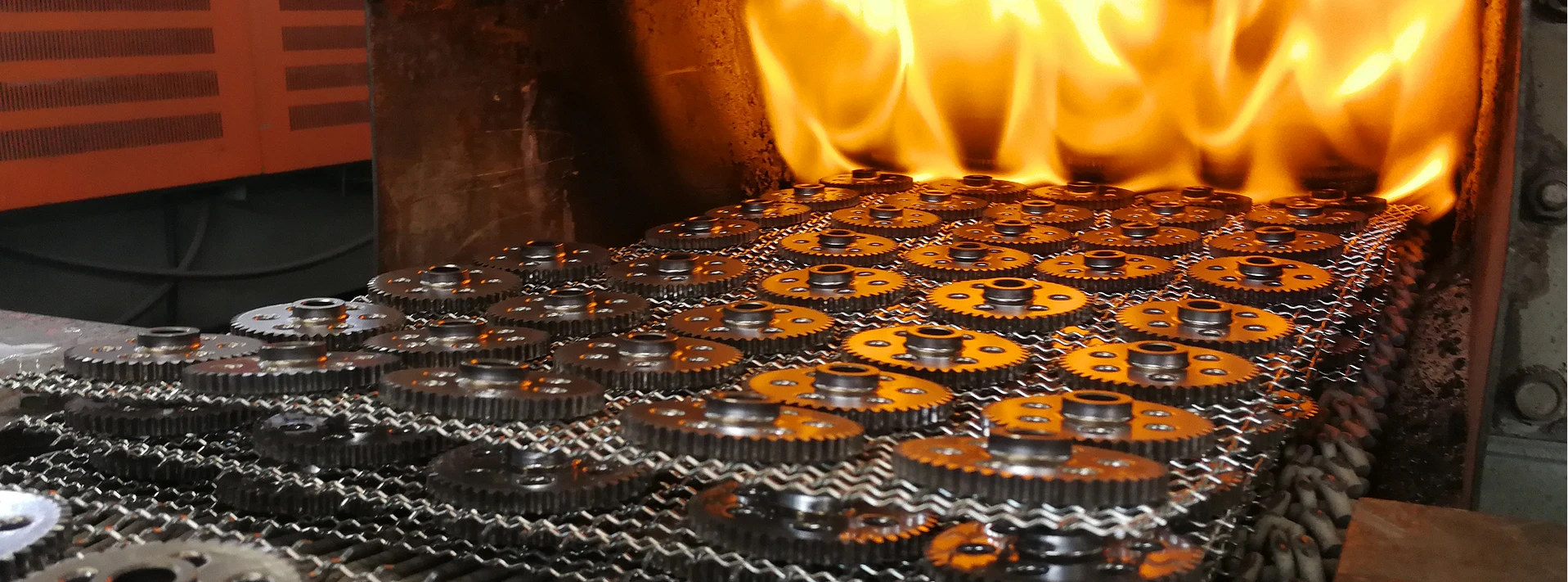
The adoption of Mn-Zn soft ferrite cores has revolutionized valve responsiveness. With a saturation flux density of 510 mT and resistivity >10^4 Ω·cm, these materials minimize eddy current losses while maintaining structural integrity under vibration loads up to 15G. Comparative data:
| Material | Permeability (µ) | Thermal Stability | Cost Index |
|---|---|---|---|
| Soft Ferrite | 1,200-1,800 | Excellent | 1.0 |
| Silicon Steel | 400-600 | Moderate | 1.8 |
| Amorphous Alloy | 800-1,000 | Good | 2.5 |
Future Trends in Throttle Valve Technology
As industries push for net-zero emissions, throttle valves with soft ferrite magnetic cores are becoming critical enablers of energy-efficient automation. Emerging innovations include AI-driven predictive maintenance (reducing service costs by 40%) and additive-manufactured valves capable of 30% weight reduction without compromising pressure ratings.

(throttle valves)
FAQS on throttle valves
What is the primary function of throttle valves in fluid control systems?
Q: What is the primary function of throttle valves in fluid control systems?
A: Throttle valves regulate fluid flow and pressure in systems like engines or pipelines. They adjust cross-sectional flow areas to optimize performance. Their precision ensures efficient energy transfer and system stability.
Why are soft ferrite magnetic cores used in throttle valve applications?
Q: Why are soft ferrite magnetic cores used in throttle valve applications?
A: Soft ferrite cores provide high magnetic permeability and low energy loss. They enhance electromagnetic control in throttle valve actuators. This improves responsiveness and durability in variable flow conditions.
How do throttle valves with soft ferrite cores improve system efficiency?
Q: How do throttle valves with soft ferrite cores improve system efficiency?
A: The magnetic properties of soft ferrite reduce eddy current losses during rapid actuation. This enables faster valve adjustments with minimal heat generation. Combined, these factors boost overall energy efficiency.
What causes wear in throttle valves using soft ferrite magnetic components?
Q: What causes wear in throttle valves using soft ferrite magnetic components?
A: Wear typically stems from mechanical friction in moving parts, not the ferrite core itself. Environmental factors like moisture or dust may degrade magnetic performance. Proper sealing and maintenance mitigate these issues.
Can soft ferrite cores be retrofitted into existing throttle valve designs?
Q: Can soft ferrite cores be retrofitted into existing throttle valve designs?
A: Yes, if electromagnetic compatibility and dimensional specifications align. Ferrite cores must match the actuator's frequency and power requirements. Consultation with manufacturers ensures optimal integration.