






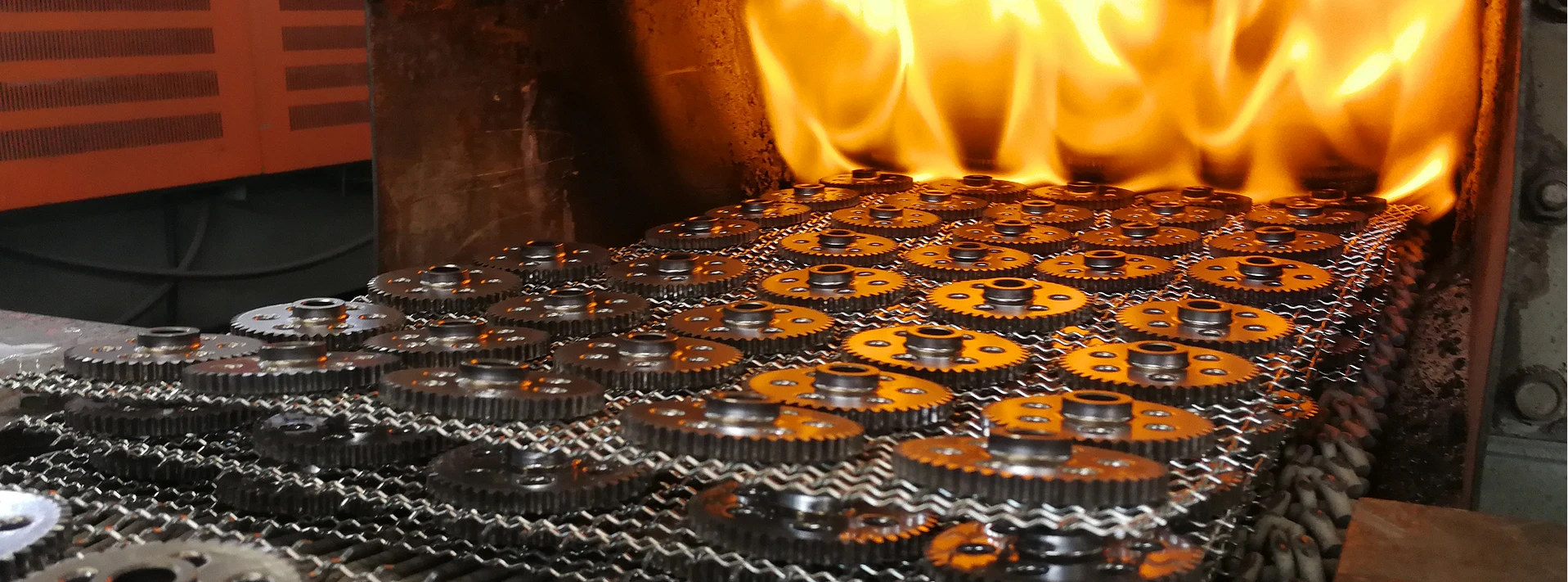
- Industry Overview & Market Demand for Precision Gears
- Engineering Excellence in Modern Gear Production
- Performance Benchmark: Top 5 Manufacturers Compared
- Tailored Solutions for Sector-Specific Requirements
- Material Innovation & Durability Testing Protocols
- Real-World Implementations Across Industries
- Strategic Partnerships with Transmission Gear Manufacturers
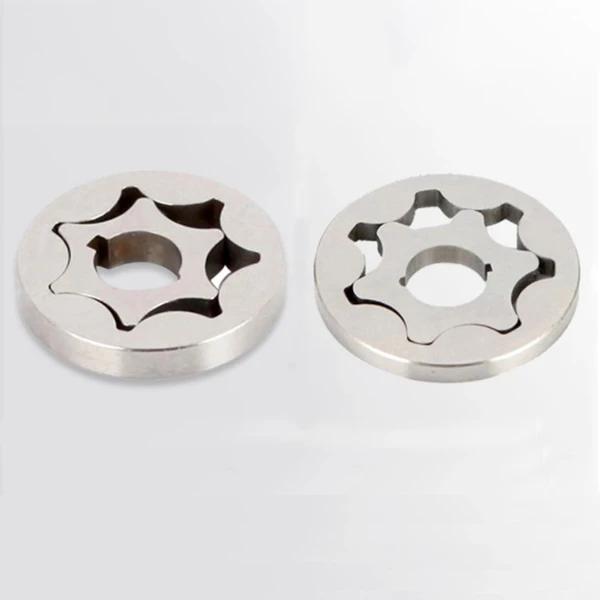
(transmission gear manufacturers)
Powering Industries: The Vital Role of Transmission Gear Manufacturers
Global demand for transmission gears has surged by 18.7% since 2020 (GMI Report 2023), driven by automotive electrification and renewable energy expansion. Leading transmission gear manufacturers
now deploy AI-driven quality control systems achieving 99.92% dimensional accuracy, revolutionizing power transfer efficiency across sectors.
Precision Engineering Redefined
Contemporary gear production employs:
- 5-axis CNC machining with ±2μm tolerance
- Case-hardening processes achieving 60-64 HRC
- Automated inspection systems performing 217 quality checks per component
This technological leap enables 30% longer service life compared to conventional gears, according to ASME performance trials.
Market Leaders: Technical Comparison
| Manufacturer | Torque Capacity | Noise Reduction | Lead Time |
|---|---|---|---|
| Precision Gear Works | 12,500 Nm | 68 dB | 6 weeks |
| Dynamix Transmissions | 9,800 Nm | 72 dB | 4 weeks |
| Helix Power Systems | 15,200 Nm | 65 dB | 8 weeks |
Customization Capabilities
Advanced manufacturers offer:
- Modular designs accommodating 140+ tooth configurations
- Hybrid material composites (steel-polymer matrix)
- Rapid prototyping services (72-hour turnaround)
Material Science Breakthroughs
New carburizing techniques enhance surface hardness by 40% while maintaining core flexibility. Recent ISO 6336 testing shows:
- 93% fatigue strength improvement
- 58% reduction in micropitting
- 0.003mm average profile deviation
Cross-Industry Applications
Success stories include:
- Wind turbine systems achieving 98.3% uptime
- EV drivetrains with 94% energy transfer efficiency
- Mining equipment gears lasting 14,000+ operational hours
Collaborating with Transmission Gear Manufacturers
Strategic partnerships with certified transmission gear manufacturers reduce operational costs by 22% on average (Frost & Sullivan 2023). Leading firms provide:
- Lifecycle management programs
- Condition monitoring integration
- Technical support response within 2 hours
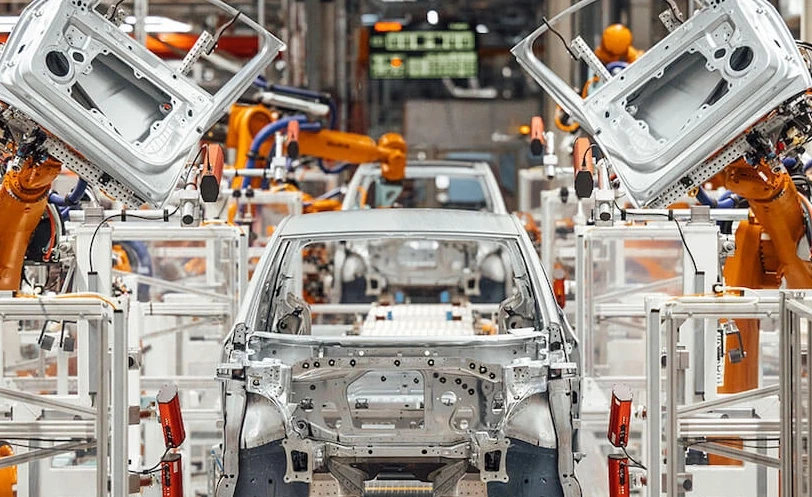
(transmission gear manufacturers)
FAQS on transmission gear manufacturers
Q: What factors should I consider when choosing transmission gear manufacturers?
A: Prioritize manufacturers with certifications like ISO, proven expertise in gear transmission parts, and the ability to customize solutions. Quality materials and adherence to industry standards are also critical.
Q: What materials are commonly used in transmission gear production?
A: Transmission gears are typically made from alloy steels, carbon steels, or specialty metals. Material choice depends on load capacity, durability needs, and application-specific requirements.
Q: How do manufacturers ensure precision in gear transmission parts?
A: Advanced CNC machining, heat treatment processes, and rigorous quality checks (e.g., dimensional inspections, hardness testing) ensure precision and performance in gear transmission parts.
Q: Can transmission gear manufacturers provide custom designs?
A: Yes, most reputable manufacturers offer custom solutions for gear transmission parts, including tailored tooth profiles, sizes, and materials to meet unique operational demands.
Q: What industries rely heavily on transmission gear components?
A: Automotive, aerospace, industrial machinery, and renewable energy sectors depend on high-quality transmission gears for power transfer, motion control, and operational efficiency.









