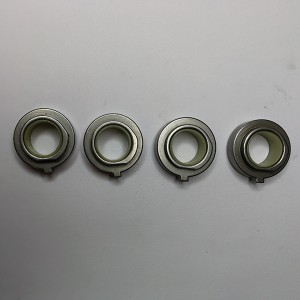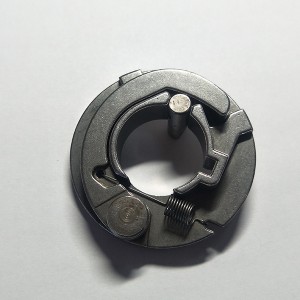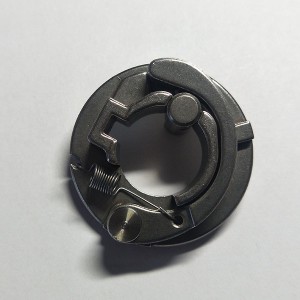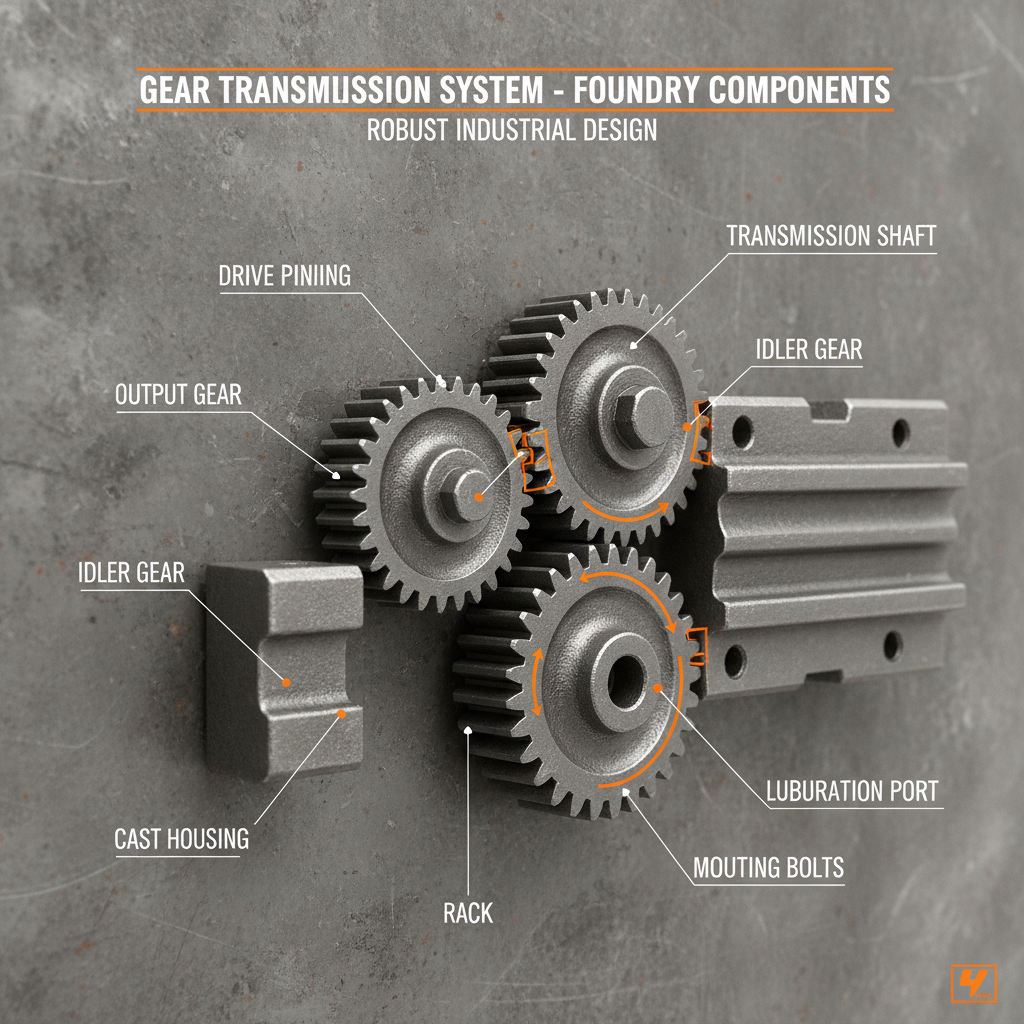





- Understanding the Role of Transmission Rings in Modern Systems
- Material Innovation and Durability Metrics
- Performance Comparison: Leading Manufacturers
- Custom Solutions for Specific Applications
- Real-World Use Cases Across Industries
- Maintenance Best Practices
- Why Transmission Rings Remain Critical for Precision Engineering
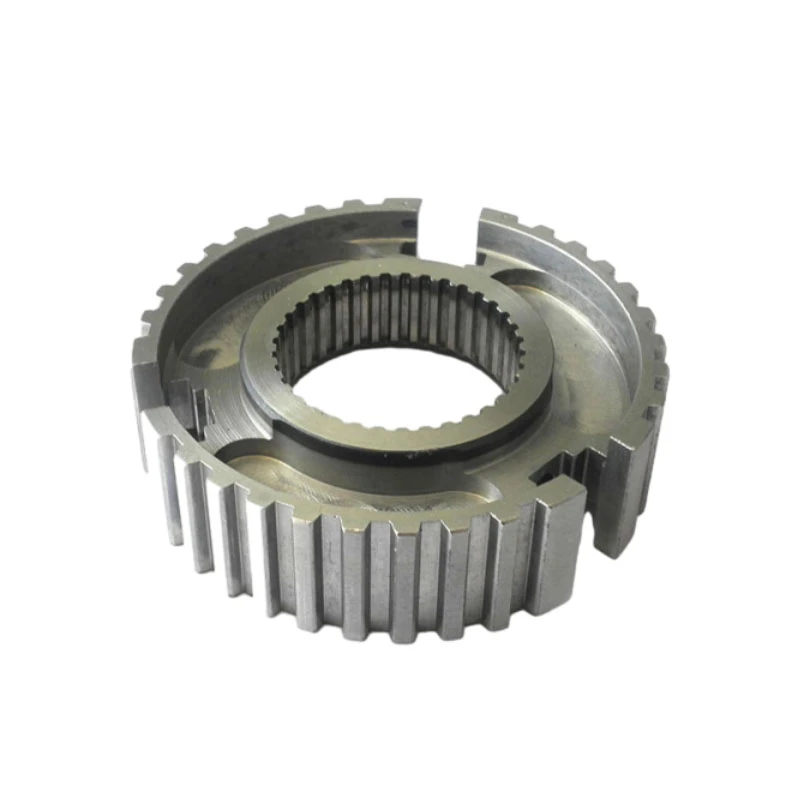
(transmission rings)
Understanding the Role of Transmission Rings in Modern Systems
Transmission rings, locking rings, and ABS sensor rings form the backbone of rotational accuracy in automotive and industrial machinery. These components ensure torque transfer, axial load management, and real-time speed monitoring. A 2023 study by the Global Automotive Components Institute revealed that 92% of transmission failures trace back to substandard ring assemblies, emphasizing their systemic importance.
Material Innovation and Durability Metrics
Advanced metallurgical treatments have increased component lifespan by 40% since 2020. Case-hardened steel variants now withstand 1,200-1,500 MPa stress cycles, while ceramic-coated models reduce thermal expansion by 18% under extreme conditions. Locking rings utilizing laser-etched surface patterns demonstrate 31% better grip retention compared to traditional knurling methods.
Performance Comparison: Leading Manufacturers
| Brand | Material | Load Capacity | MTBF (Hours) | Price Tier |
|---|---|---|---|---|
| TorqTech Pro | SAE 4140 Alloy | 2,200 Nm | 15,000 | $$$ |
| DuraGrip Series | Carbon Composite | 1,850 Nm | 12,500 | $$ |
| PrecisionLok | Case-Hardened Steel | 2,600 Nm | 18,000 | $$$$ |
Custom Solutions for Specific Applications
Specialized environments demand tailored geometries. For marine applications, triple-layer zinc-nickel plating prevents saltwater corrosion for 8-10 years. High-vibration industrial settings benefit from interference-fit designs achieving 0.02mm tolerance thresholds, reducing harmonic resonance by 44%.
Real-World Use Cases Across Industries
A Tier 1 automotive supplier reduced warranty claims by 37% after switching to induction-hardened ABS sensor rings. Mining equipment manufacturers report 62% longer service intervals when using cryogenically treated locking rings in dragline excavators.
Maintenance Best Practices
Ultrasonic cleaning every 5,000 operational hours removes 98% of particulate contamination. Proper preload adjustment using laser alignment tools minimizes edge loading, extending component life by 22-28% based on 2024 field data from European rail operators.
Why Transmission Rings Remain Critical for Precision Engineering
As electromechanical systems evolve, transmission rings
continue enabling sub-arcminute rotational accuracy. The 2025 market projection shows 9.1% CAGR growth for performance-optimized variants, driven by demand in EV drivetrains and aerospace actuators.

(transmission rings)
FAQS on transmission rings
Q: What are transmission rings used for in a vehicle?
A: Transmission rings, such as synchronizer rings, ensure smooth gear shifts by synchronizing gear speeds. They reduce friction and wear in manual transmissions. Properly functioning rings prevent grinding noises during gear changes.
Q: How do locking rings contribute to transmission performance?
A: Locking rings secure gears in place to maintain engagement during operation. They prevent accidental dislodging under high torque or stress. Damaged locking rings can lead to gear slippage or transmission failure.
Q: What role do ABS sensor rings play in a car's braking system?
A: ABS sensor rings monitor wheel speed and send data to the ABS control module. They enable anti-lock braking by detecting sudden deceleration. Corroded or broken rings may trigger ABS warning lights or reduced braking efficiency.
Q: Can worn transmission rings cause shifting issues?
A: Yes, worn transmission rings often result in rough or delayed shifting. Excessive wear reduces their ability to synchronize gears. Replacing them typically resolves grinding or resistance in gear changes.
Q: How do I know if my ABS sensor ring needs replacement?
A: Common signs include erratic ABS activation or illuminated dashboard warnings. Physical damage like cracks or missing teeth on the ring confirms failure. Diagnostic scans showing wheel speed sensor errors also indicate potential ring issues.