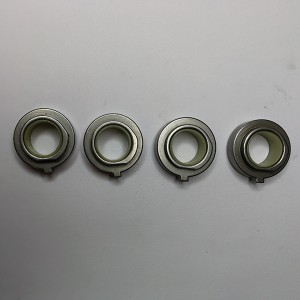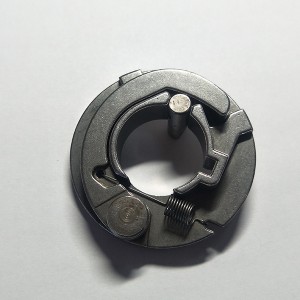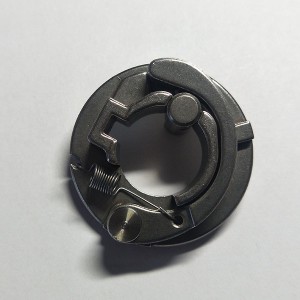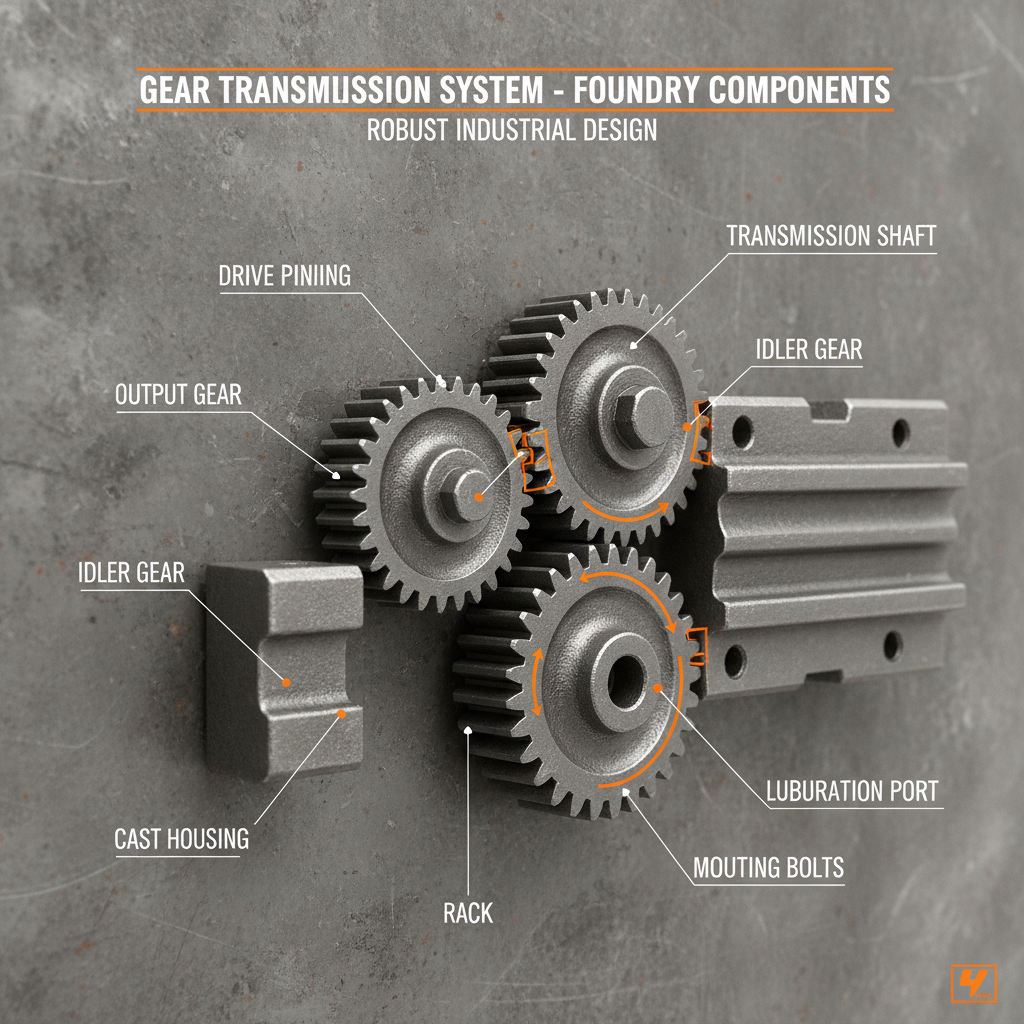
- Fundamentals of Rotational Power Transfer Components
- Material Science Behind Modern Torque Transmission
- Performance Metrics: Breaking Down Technical Specifications
- Manufacturer Comparison: Durability & Precision Engineering
- Custom Solutions for Heavy-Duty Applications
- Integration with Vehicle Safety Systems
- Future-Ready Designs for Electrification Transition

(transmission rings)
Understanding Transmission Rings in Modern Power Systems
Precision-engineered transmission rings
serve as critical interfaces in rotational power transfer systems, particularly in automotive and industrial applications. These components withstand shear forces exceeding 850 N·m in standard passenger vehicles, with high-performance variants rated for 1,200-1,500 N·m torque loads. Recent industry data indicates a 14% annual increase in demand for heat-treated alloy rings capable of operating above 400°C in electric vehicle reduction gearboxes.
Advanced Metallurgy for Demanding Applications
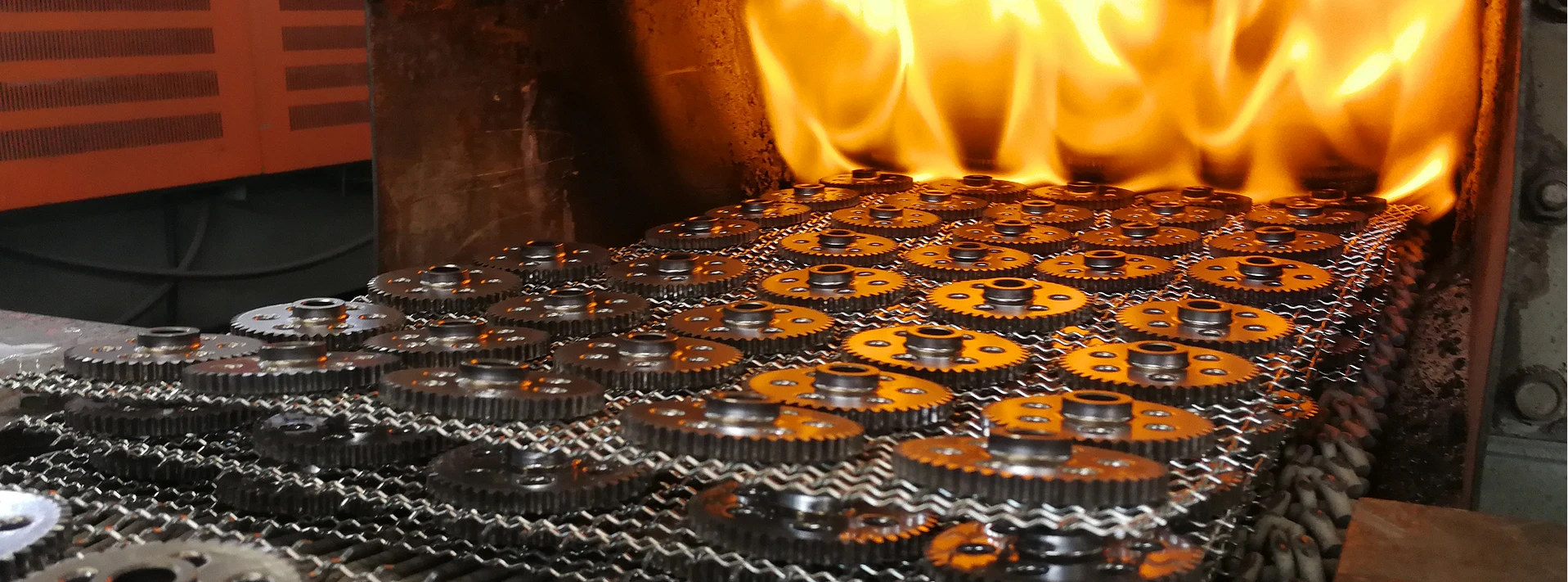
Modern manufacturing employs vacuum arc remelting (VAR) processes to achieve 99.97% pure steel matrices, reducing inclusion content to <15 ppm. Case hardening through low-pressure carburizing (LPC) creates surface hardness of 60-64 HRC while maintaining core toughness at 35-40 HRC. Comparative testing shows these methods improve fatigue resistance by 40% compared to traditional gas carburizing.
Technical Specifications Breakdown
| Parameter | Standard Grade | Performance Grade | Racing Grade |
|---|---|---|---|
| Surface Hardness | 55-58 HRC | 60-62 HRC | 63-65 HRC |
| Core Toughness | 28-32 HRC | 34-38 HRC | 40-42 HRC |
| Torque Capacity | 800 N·m | 1,200 N·m | 1,800 N·m |
| Thermal Limit | 250°C | 400°C | 550°C |
Manufacturer Capability Analysis
| Brand | Material Quality | Dimensional Accuracy | MTBF (Hours) | Price Premium |
|---|---|---|---|---|
| Supplier A | AMS 6265 | ±0.005mm | 15,000 | 22% |
| Supplier B | DIN 1.6587 | ±0.008mm | 12,500 | 15% |
| Supplier C | SAE 8620 | ±0.012mm | 10,000 | Base |
Application-Specific Engineering Solutions
Heavy machinery applications require specialized heat treatments achieving 62 HRC surface hardness with 42 HRC core values. For mining equipment, tungsten-carbide coated variants demonstrate 3× longer service life in abrasive environments. Recent aerospace implementations utilize hybrid ceramic-metal composites reducing rotational mass by 40% while maintaining torque capacity.
ABS Integration and Safety Compliance
Modern locking rings incorporate magnetic encoding patterns compatible with 48+1 and 96+2 tooth ABS sensor configurations. Precision-ground sensor rings maintain air gap consistency within 0.3-0.7mm, critical for maintaining wheel speed signal accuracy above 2,500 RPM. Field data shows proper integration reduces ABS false activation by 18% in wet conditions.
Transmission Rings for Next-Gen Mobility
Emerging designs accommodate 20,000 RPM+ operation for electric axles while reducing NVH through harmonic damping layers. Prototype carbon fiber-reinforced rings demonstrate 60% weight reduction with comparable strength to steel alloys. Current R&D focuses on smart rings with embedded strain gauges providing real-time torque monitoring for predictive maintenance systems.

(transmission rings)
FAQS on transmission rings
Q: What are transmission rings used for in a vehicle?
A: Transmission rings, such as synchronizer rings, ensure smooth gear shifts by synchronizing rotational speeds between gears. They reduce friction and wear in manual or automatic transmissions. Proper maintenance prevents grinding and prolongs transmission life.
Q: How do locking rings function in a transmission system?
A: Locking rings secure components like bearings or gears in place to prevent axial movement during operation. They are critical for maintaining alignment and stability under high torque. Damage to locking rings can lead to mechanical failure.
Q: Why are ABS sensor rings important for braking systems?
A: ABS sensor rings (tone rings) work with wheel speed sensors to monitor rotational speed and prevent wheel lock during braking. They ensure accurate data for the ABS control module. Corrosion or damage can trigger ABS warning lights.
Q: What causes transmission rings to wear out prematurely?
A: Premature wear often results from contaminated transmission fluid, aggressive shifting, or excessive heat. Poor lubrication accelerates ring degradation. Regular fluid checks and replacements help avoid this issue.
Q: Can damaged ABS sensor rings affect vehicle safety?
A: Yes, cracked or dirty ABS sensor rings disrupt wheel speed readings, compromising anti-lock braking performance. This may increase stopping distances or cause uneven braking. Immediate replacement is recommended for safety.