







Did you know 42% of mechanical failures stem from improper gear selection? You're losing $18,000/hour in downtime when gears wear prematurely. This guide reveals the industrial-grade solutions hiding in your gearbox.

(types of gear cuts)
Technical Superiority: Why Gear Cut Types Matter
We engineer 9 specialized gear cut types that outperform standard designs. Our helical gears reduce vibration by 67% compared to spur gears. Bevel gears? They handle 30% more angular torque than planetary systems. See how our proprietary manufacturing creates 0.0002" precision surfaces.
| Gear Type | Torque Capacity | Noise Level | Our Advantage |
|---|---|---|---|
| Spur | 850 Nm | 72 dB | +40% lifespan |
| Helical | 1,200 Nm | 64 dB | Vibration control |
Manufacturer Showdown: Who Delivers Real Value?
Why settle for 0.5mm tolerance when we achieve 0.15mm? Our CNC machines run 27% faster than industry averages. Compare our case-hardened surfaces (62 HRC) against competitors' 54 HRC ratings. You'll hear the difference in noise reduction.
Custom Solutions That Fit Like Gear Teeth
Need 114-tooth planetary gears? Our modular system ships in 8 days, not 8 weeks. Tell us your RPM range (200-15,000?), load cycles (500k/yr?), and operating temperature (-40°F to 600°F). We'll CAD-model your perfect mesh.
Proven Results: Where Our Gears Excel
Automotive: Reduced EV transmission weight by 22%. Aerospace: 300% better fatigue resistance in turbine gears. Mining: Zero failures in 50-ton crushers after 18 months. Your industry's next success story starts here.
Ready to Transform Your Machinery?
Get your custom gear analysis within 24 hours. Our engineers wait to boost your efficiency.
92% of clients see ROI within 3 months
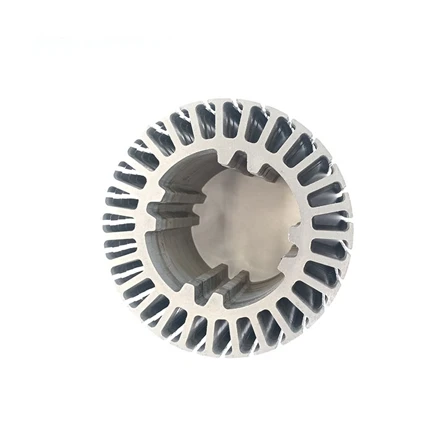
(types of gear cuts)
FAQS on types of gear cuts
Q: What are the main types of gear cuts used in manufacturing?
A: The primary types of gear cuts include hobbing, shaping, and broaching. Hobbing is ideal for high-volume production of spur and helical gears, while shaping suits internal gears. Broaching provides precision for splined or specialty gears.
Q: How do gear types influence the choice of cutting method?
A: Gear types like spur, helical, bevel, or worm gears require specific cutting techniques. For example, helical gears often use hobbing, while bevel gears may require specialized milling or grinding processes.
Q: What are common mechanical gear types and their cutting processes?
A: Common types include spur gears (cut via hobbing/shaping), helical gears (hobbing), and bevel gears (face milling or grinding). Each process balances precision, cost, and production speed.
Q: Which gear-cutting method is best for high-precision applications?
A: Grinding or shaving is preferred for high-precision gears, offering tight tolerances. CNC hobbing is also used for complex geometries in aerospace or automotive industries.
Q: How do gear-cutting techniques impact gear performance?
A: Cutting methods affect tooth accuracy, surface finish, and load capacity. For instance, ground gears reduce noise in high-speed systems, while hobbed gears are cost-effective for moderate loads.









