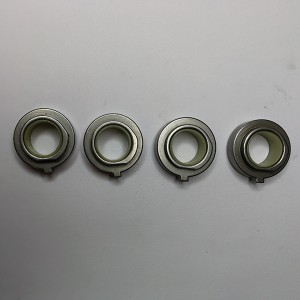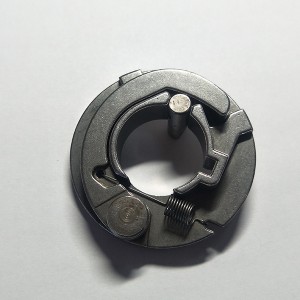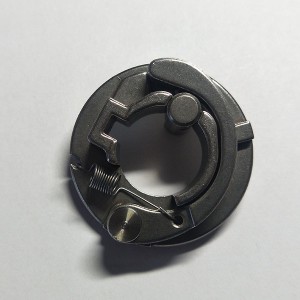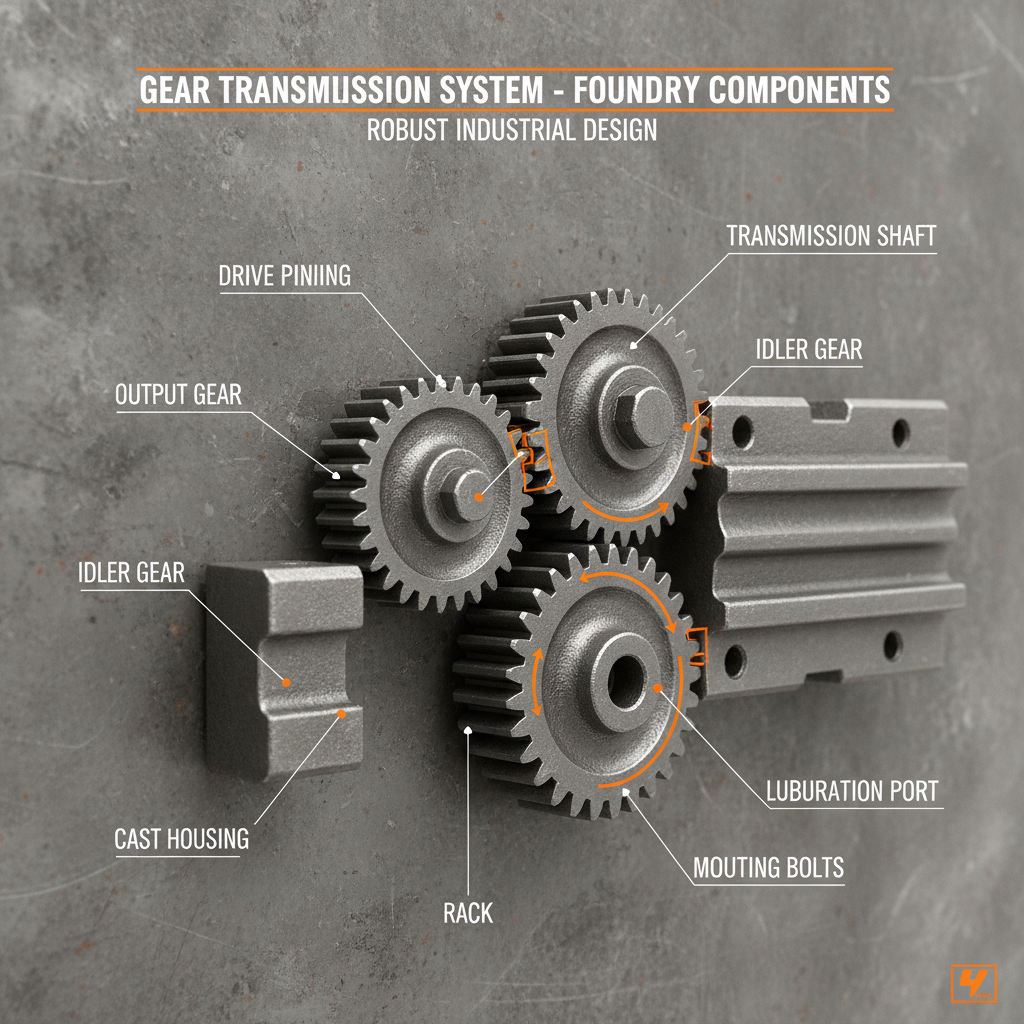





Helical Gears is a key solution in the industry, specifically within mechanical power transmission and heavy machinery sectors. This article explores how https://www.jssintering.com supports professionals with durable, high-performance products, and explains why this product is an ideal choice for businesses in these sectors.
Table of Contents
- Helical Gears Overview
- Benefits & Use Cases of Helical Gears
- Cost, Maintenance & User Experience
- Sustainability & Market Trends
Helical Gears Overview
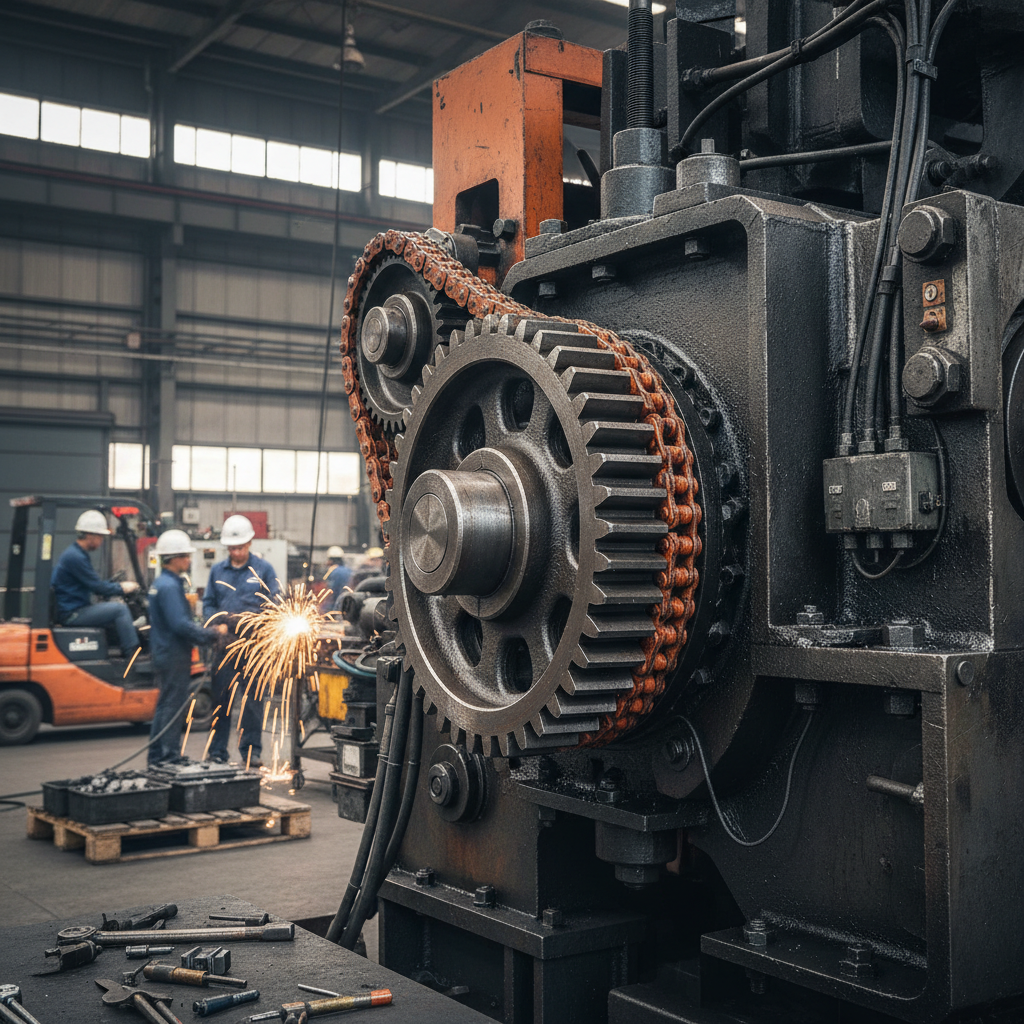
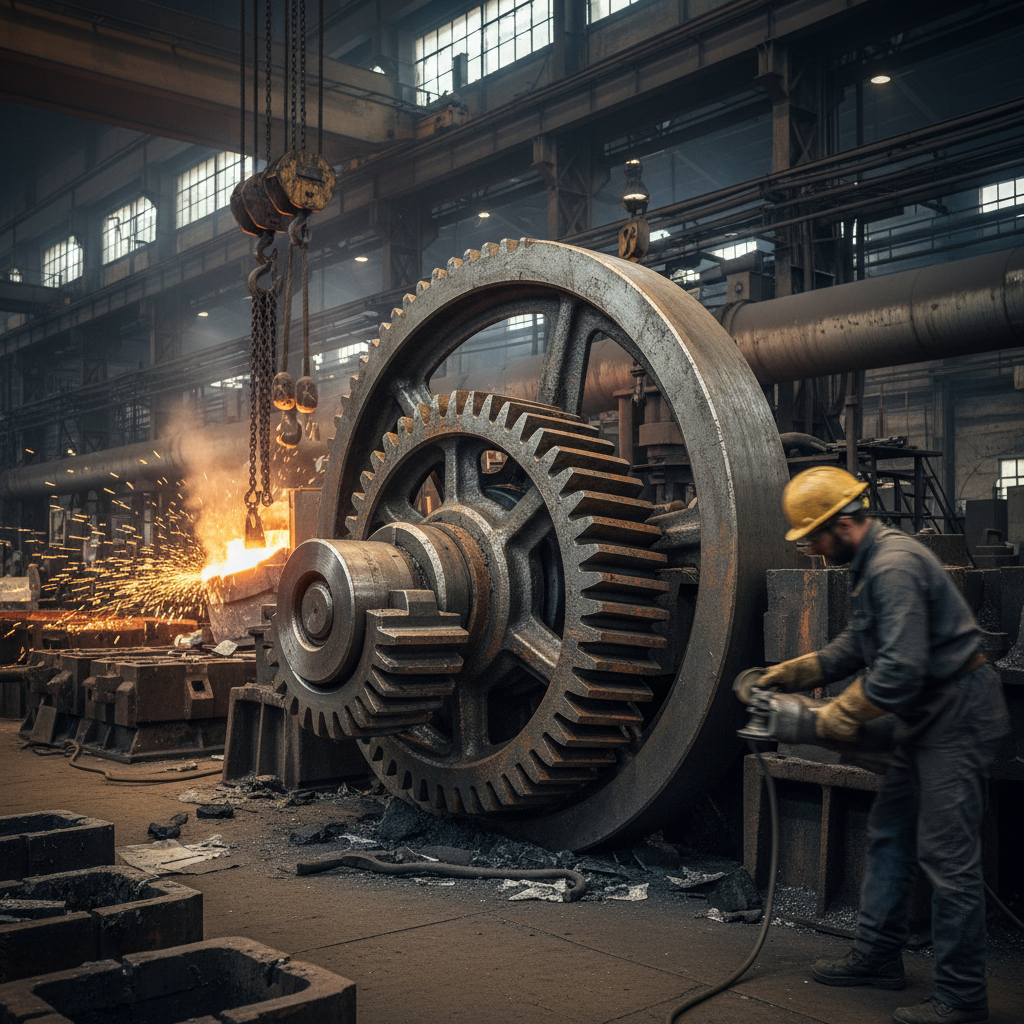
Helical gears are a type of cylindrical gear distinguished by their angled teeth, which are cut at an oblique angle to the gear axis. This seemingly simple design change results in smoother, quieter operation and greater load capacity compared to straight-cut spur gears. Frankly, if you’re working with mechanical systems that demand durability and precise power transfer, helical gears are often the unsung heroes.
Technically speaking, the angled teeth engage gradually and continuously, which reduces vibration and noise—a huge advantage in high-speed environments. For example, in automotive transmissions or industrial machinery, you’ll often find helical gears because they can handle both radial and axial forces. A quick glance at a case study from JSSintering confirms their products consistently feature tooth angles ranging from 15° to 30°, optimized for different torque requirements and rotational speeds.
| Specification | Details |
|---|---|
| Material | Alloy steel, sintered metal |
| Module | 0.5 – 8 mm |
| Helix Angle | 15° – 30° |
| Pitch Diameter | 20 – 200 mm |
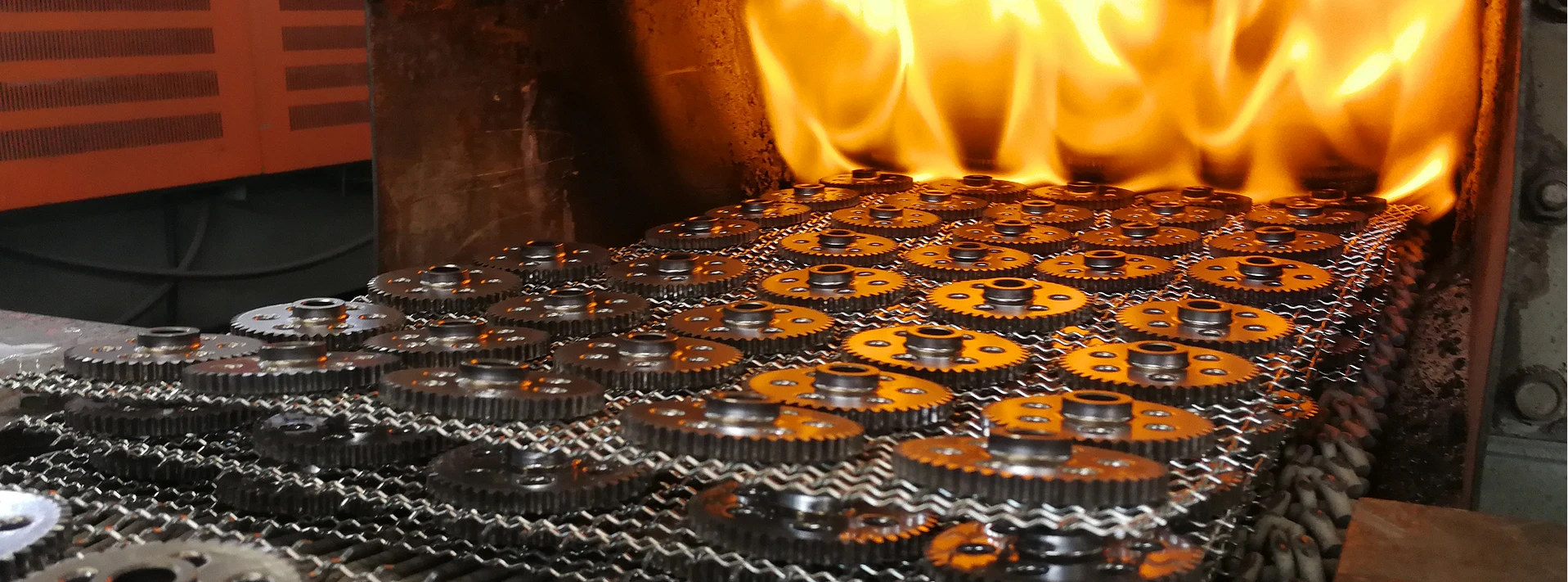
| Surface Treatment | Heat treatment, carburizing |
Benefits & Use Cases of Helical Gears
Beyond the technical specs, the core advantages of helical gears boil down to durability and smooth operation. They’re less prone to tooth breakage thanks to the load being distributed across several teeth at once. It’s sort of like having a small team working together rather than a single person carrying the entire weight—makes a difference, right?
Industries using heavy machinery—like construction, mining, and automotive manufacturing—rely heavily on helical gears. In conveyor systems, these gears help keep the movement continuous and quiet, while in aerospace, their precision aids in reliability. Oddly enough, even wind turbines benefit from them because these gears minimize stress on shafts during variable wind conditions.
Cost, Maintenance & User Experience
The total cost of ownership when opting for helical gears through suppliers like JSSintering makes sound economic sense for businesses looking at long-term ROI. While the initial purchase price might be slightly higher compared to simple spur gears, many operators notice lower maintenance burdens thanks to reduced wear and tear. This, in turn, cuts downtime—a critical factor in any production line.
Feedback from engineers who’ve integrated these gears often mentions how quietly their machinery runs post-installation, a small but meaningful quality-of-life improvement in loud factory environments. Plus, customized surface treatments extend lifespan further, meaning fewer replacements over time.
Sustainability & Market Trends
Sustainability has become more than a buzzword in mechanical component manufacturing. With shifting regulations and a global push towards greener industry, companies like JSSintering innovate to produce helical gears with materials that reduce waste and energy consumption. Lighter yet durable alloys and optimized manufacturing processes keep material usage efficient.
Market trends show a steady growth in sectors embracing automation and electric machinery, where helical gears play an increasingly vital role. In real terms, this means demand for precision and reliability is pushing manufacturers to upgrade their gear lineup continually — something JSSintering seems well-positioned to do.
| Feature | JSSintering | Competitor A | Competitor B |
|---|---|---|---|
| Material Quality | High-grade alloy steel | Standard steel | Medium-grade steel |
| Customization Options | Extensive (helix angle, heat treatments) | Limited | Moderate |
| Lead Time | 2-4 weeks | 3-6 weeks | 4-8 weeks |
| Price | Competitive | Lower | Higher |
| After-sales Support | Comprehensive | Basic | Moderate |
Frequently Asked Questions about Helical Gears
- What is Helical Gears and how does it work?
- Helical gears are gears with teeth cut at an angle to the gear’s axis, allowing teeth to engage more gradually compared to straight-cut gears. This results in quieter, smoother operation with better load distribution.
- What are the main benefits of using Helical Gears in industrial applications?
- Key benefits include reduced noise and vibration, higher load capacity, increased durability, and improved efficiency—all of which contribute to lower operational costs over time.
- How does Helical Gears compare to traditional alternatives?
- Compared to spur gears, helical gears operate more smoothly and quietly, support higher speeds, and distribute forces better. This makes them preferable where noise reduction and longevity are priorities.
- What industries can benefit most from Helical Gears implementation?
- Industries such as automotive, aerospace, manufacturing, power generation, and heavy equipment manufacturing benefit the most, particularly where high performance and reliability are mandatory.
Conclusion on Helical Gears from china
In summary, helical gears stand out as vital components in industrial applications demanding durability and efficiency. Their engineered tooth design and material variety make them a go-to solution for companies striving to optimize power transmission while minimizing noise and wear. If you’re considering upgrading your machinery or specifying new equipment, taking a close look at what companies like JSSintering offer could be well worth your while.
- Reliable performance with customization options for unique applications.
- Visit our website: https://www.jssintering.com
Quick reflection: The evolution of helical gears really shows how small design shifts can have big impacts in mechanical reliability and sustainability. The industry’s steady push for quieter, longer-lasting components suggests these gears will remain central players for a good while.
References:
1. Mechanical Engineering Handbook, 4th Edition.
2. JSSintering Product Catalog 2024.
3. Industrial Gear Market Trends Report, 2023.