






The Enduring Relevance of bevel gears in Industrial Applications
After spending over a decade in the industrial equipment sector, I’ve come to appreciate just how pivotal bevel gears remain. They’re not the flashy new kids on the block, but their design and reliability quietly underpin countless machines we often take for granted. Frankly, when you think about transmitting power at an angle, few mechanisms work quite as elegantly or efficiently as bevel gears.
Now, I suppose what fascinates many engineers, including myself, is how versatile bevel gears are. Whether in heavy machinery, automotive differentials, or even in some precision instruments, these conical wonders convert rotational motion between intersecting shafts — usually at 90 degrees. And oddly enough, it’s the way their teeth mesh that can make or break performance. It feels like there’s this perfect balance between material strength, tooth geometry, and overall durability that manufacturers have been refining for decades.
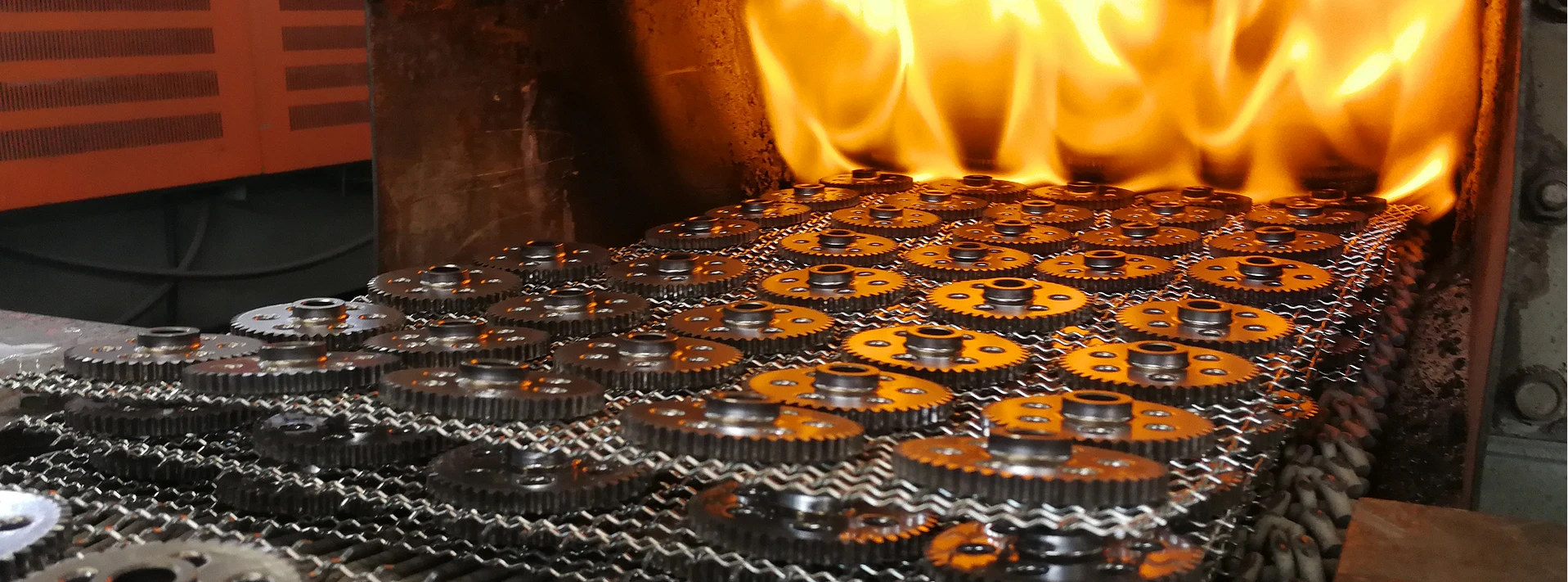
Oddly enough, I’ve noticed that while many industrial folks focus on the material composition—often high-grade alloy steels—there’s an art to the heat treatment and finishing processes, such as case hardening or nitriding. These ensure that gears not only last but maintain efficiency under heavy load. The interplay between hardness and toughness is a tricky one to optimize, but when done correctly, you get gearboxes that run smoother, quieter, and require far less maintenance.
Here’s a snapshot of typical bevel gear specs I’ve encountered while working with suppliers. It gives a rough idea of what factors weigh into choosing the right gear:
| Specification | Details |
|---|---|
| Material | Alloy Steel (e.g., 8620, 4140); sometimes stainless steel for corrosion resistance |
| Teeth Profile | Straight, Spiral, or Zerol (zero spiral angle) |
| Pressure Angle | Typically 20° or 25° |
| Hardness | Case hardened to 55-62 HRC |
| Typical Application | Right-angle drives in conveyors, automotive differentials, heavy equipment |
When talking to clients over the years, customization often comes up. In real terms, no two applications are exactly alike, so many suppliers offer bespoke bevel gear solutions—adjusting face width, pitch diameter, or tooth modifications to mitigate vibration or noise. I remember one particularly challenging project where a customer wanted a super-quiet bevel gear set for a food processing line. The solution? Spiral bevel gears with a slightly reduced pressure angle and precision grinding to tighten backlash tolerances. The result was noticeably smoother operation and less equipment downtime. Little things like that really stick with me.
But selecting the right vendor can be a challenge — you want someone who understands the nuances. Below is a quick comparison of some typical suppliers for bevel gears I’ve dealt with – to give a sense of what to prioritize:
| Vendor | Customization Options | Lead Time | Quality Certifications | Approximate Price Level |
|---|---|---|---|---|
| JSS Sintering | High (custom face width, teeth shapes, coatings) | 4-6 weeks | ISO 9001, TS 16949 | $$$ (mid to high range) |
| GearTec Inc. | Moderate (stock sizes with minor tweaks) | 3-4 weeks | ISO 9001 | $$ (budget-friendly) |
| Precision Gears Ltd. | Very High (complex geometry, quick prototyping) | 6-8 weeks | ISO 9001, AS9100 | $$$$ (premium pricing) |
Oddly enough, the variety in pricing and lead times often reflects the tradeoff between quick stock solutions and exact, precision-engineered parts. I tend to advise clients that investing a bit more upfront for tailored bevel gears can pay off over equipment lifetime—in terms of efficiency and reduced maintenance headaches.
To round things out, testing these gears is no joke. Many manufacturers perform rigorous checks: from destructive testing on samples to computerized gear tooth contact analysis. It’s reassuring, frankly, because when you’re talking about multi-ton machines or critical automotive components, quality isn’t optional.
In the end, bevel gears remain a perfect blend of tradition and precision technology. For anyone searching for reliable transmission of power at an angle, they’re a cornerstone component—and there’s a reason why vendors like JSS Sintering have built reputations around getting the details just right.
So next time you hear the whirr of gears in a machine, there’s a good chance those bevel gears are quietly doing the heavy lifting.
— Your friendly industrial gearhead
References:
1. AGMA – American Gear Manufacturers Association, Gear Technical Data.
2. “Gear Materials and Heat Treatment” by E. Oberg et al.
3. JSS Sintering Product Catalog, 2024 Edition.









