




2025.12.07
Understanding Gear and Its Types: A Global Perspective
Gear and its types, frankly, might seem like just mechanical jargon—something tucked away in engineering manuals or factory floors. But its impact? Enormous. Globally speaking, gears are the unsung heroes or the “muscle” behind so much of modern machinery—whether in automobiles, renewable energy turbines, medical devices, or even humanitarian aid logistics. Knowing about gear and its types has benefits reaching from improved industrial efficiency to supporting disaster relief operations. It’s that backbone of power transmission that quietly but effectively drives progress.Introduction: Why Gear and Its Types Matter Worldwide
Industrial growth, technological advances, and infrastructure development rely deeply on mechanical components like gears. According to the International Organization for Standardization (ISO), standardized gears help ensure interoperability and quality across borders, bolstering global manufacturing. The World Bank reports that manufacturing accounts for about 16% of global GDP; gears underpin a large chunk of that by enabling machines to function efficiently. However, challenges persist—gear failure can halt production lines or medical devices, sometimes with severe consequences. Understanding diverse gear types—spur, helical, bevel, worm gears, and beyond—helps engineers select the right solution, improving reliability and reducing expensive downtime.What Is Gear and Its Types? A Simplified Approach
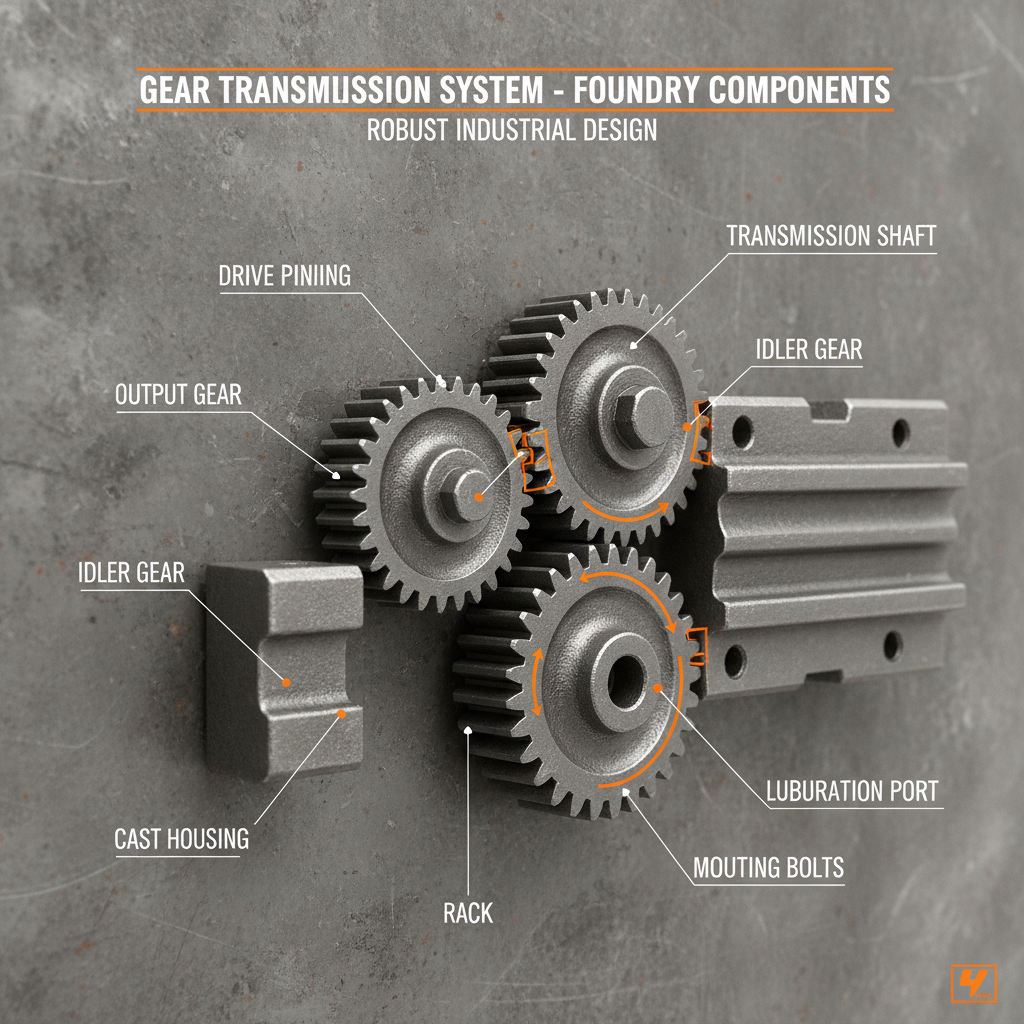
Simply put, a gear is a rotating machine part with cut teeth that mesh with another toothed part to transmit torque. This basic mechanism translates rotational speed and force efficiently from one part of a machine to another. Gear types differ primarily in tooth shape, alignment, and intended use. For example: - Spur gears have straight teeth parallel to the axis. - Helical gears feature angled teeth, allowing smoother and quieter operation. - Bevel gears transfer motion at an angle, often 90 degrees. - Worm gears involve a screw-like gear meshing with a wheel — ideal for high reduction ratios. These distinctions, while technical, are essential for fitting gears to industry needs—from precision robotics to heavy-duty mining.Key Factors in Selecting Gear and Its Types
1. Durability
Gears endure substantial stress, especially in industrial environments. Selecting suitable materials—like hardened steel or specialized alloys—extends lifespan. For instance, automotive gears must resist wear under high heat and load.2. Efficiency
Efficiency determines energy losses. Helical gears, with their gradual tooth engagement, tend to be more efficient and quieter than spur gears, impacting overall system performance.3. Size & Scalability
Gear solutions vary from tiny watch gears to massive wind turbine gearboxes. The chosen gear must scale with operational demands without compromising on strength or precision.4. Cost Efficiency
Material choice, manufacturing complexity, and lifespan define cost-effectiveness. Sometimes investing more upfront on specialized gears reduces maintenance and downtime costs long term.5. Noise & Vibration
In medical or office equipment, low noise is critical. Helical and worm gears excel here, making them preferable in noise-sensitive applications.Global Applications & Use Cases
Looking around, gear and its types find homes everywhere. - Automotive Industry: Nearly every vehicle depends on multi-type gearboxes for speed and torque control. - Renewable Energy: Wind turbines rely on high-precision gears to convert wind energy efficiently. - Aerospace: Aircraft engines have specialized gears designed to cope with extreme conditions. - Humanitarian Aid: In remote zones, durable gear-driven machinery assists water pumping and power generation to improve living conditions. - Manufacturing: Factories worldwide employ varied gears for assembly lines, robotic arms, and packaging. In post-disaster relief, for example, portable generators with efficient gearboxes help restore power faster, aiding recovery efforts with more dignity and speed. Oddly enough, the choice of gear type could influence how fast aid reaches those in need.Product Specification Table: Common Gear Types
| Gear Type | Typical Applications | Advantages | Limitations |
|---|---|---|---|
| Spur | Simple machinery, clocks, conveyors | Easy to manufacture, high efficiency | Noisy at high speeds, axial thrust absent |
| Helical | Automobiles, elevators, compressors | Quiet, smooth operation, load capacity | Axial thrust requires bearing support |
| Bevel | Power tools, differential drives | Changes shaft direction, versatile | Complex manufacturing, limited speed |
| Worm | Lifts, conveyor systems | High reduction ratios, self-locking | Lower efficiency due to sliding contact |
Vendor Comparison Table: Leading Gear Manufacturers
| Vendor | Specializations | Global Reach | Innovations |
|---|---|---|---|
| KHK Gears | Precision spur & helical gears | Asia, Europe, Americas | Advanced heat treatment, modular kits |
| Siemens Gears | Heavy-duty industrial gears | Worldwide | Digital design & monitoring, materials R&D |
| Brooks Gear | Custom bevel & worm gears | North America | 3D modeling, eco-friendly coatings |
| Renold | Modular, scalable gear drives | Europe, Asia | Low-noise gearboxes, sustainable materials |
Advantages and Long-Term Value of Gear and its Types
The clear upside to getting gear selection right? Cost savings through reliability and reduced maintenance. A well-chosen gear can last decades, lowering replacement expenses. Beyond logic, there’s a safety factor—machines that fail less often keep workers safer. Socially, using sustainable gear materials and efficient designs contributes subtly but meaningfully to environmental stewardship. For industries oriented toward innovation, the right gear solution even embodies trust and performance excellence, building brand reputations.Emerging Trends and Innovations in Gears
Gear technology is far from static. Digital transformation means engineers increasingly deploy AI and IoT sensors to monitor gear health in real-time, predicting wear before failure. New composite materials, sometimes incorporating carbon fiber or ceramics, promise lighter, more durable components. Interest in green energy gears—for turbines, electric vehicles—is pushing innovations toward quieter, more efficient designs. Plus, additive manufacturing (3D printing) allows rapid prototyping and complex tooth geometries previously impossible.Challenges & Modern Solutions
Yet, it’s not all smooth. Manufacturing precision for high-performance gears remains costly. Material fatigue, especially in harsh environments, challenges durability. Misalignment during installation can cause early failures. Enter expert systems for gear design and precision machining, plus better lubricants that extend service life. Training operators on correct gear maintenance also plays a huge role in overcoming longevity issues.FAQ: Frequently Asked Questions About Gear and Its Types
- Q: What makes helical gears preferable in automotive transmissions?
A: Helical gears operate more quietly and smoothly due to angled teeth engagement, which distributes load gradually. This reduces noise and wear, crucial in vehicle comfort and durability. - Q: How do worm gears provide self-locking features?
A: Worm gears feature a screw-like worm that meshes with a gear wheel, creating friction that prevents back-driving. This mechanism is beneficial in lifts and hoists where safety is paramount. - Q: Are all gears suitable for high-speed applications?
A: Not really. Spur gears can be noisy and less efficient at high speeds. Helical gears or specialized high-precision gears are preferred for those scenarios due to smoother engagement. - Q: Can gear systems be customized for remote industrial use?
A: Absolutely. Many manufacturers provide modular gear solutions customizable for various load, size, and environmental requirements, ideal for remote mining, agriculture, or disaster zones.
Conclusion: Gear and Its Types—Driving Progress Forward
Ultimately, gear and its types form the mechanical language that powers modern life and industrial progress. Whether boosting efficiency, enabling safety, or nurturing sustainable innovation, gears quietly shape our global future. If you’re curious to deepen your understanding or source quality gear solutions, I invite you to visit our website: https://www.jssintering.com. It’s a great place to explore further. Sometimes, it feels like gears are the unsung storytellers of human ingenuity—spinning quietly but never stopping.Mini takeaway: Understanding gear and its types isn’t just for engineers; it’s for anyone curious about how our world moves efficiently and innovates sustainably.