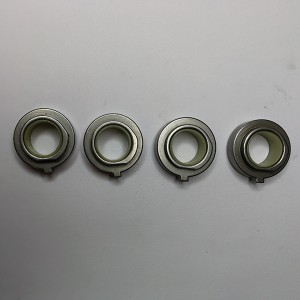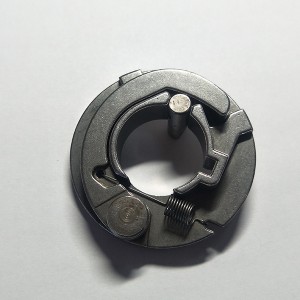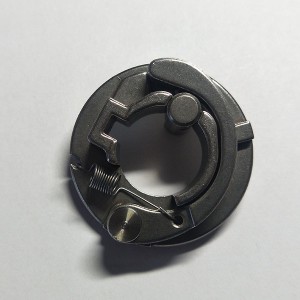
Gear And Types Of Gear is a key solution in the industry, specifically within precision machinery, automotive, and energy sectors. This article explores how https://www.jssintering.com supports professionals with durable, high-performance products, and explains why this product is an ideal choice for businesses in these sectors.
Table of Contents
- Gear And Types Of Gear Overview
- Benefits & Use Cases of Gear And Types Of Gear
- Cost, Maintenance & User Experience
- Sustainability & Market Trends
Gear And Types Of Gear Overview
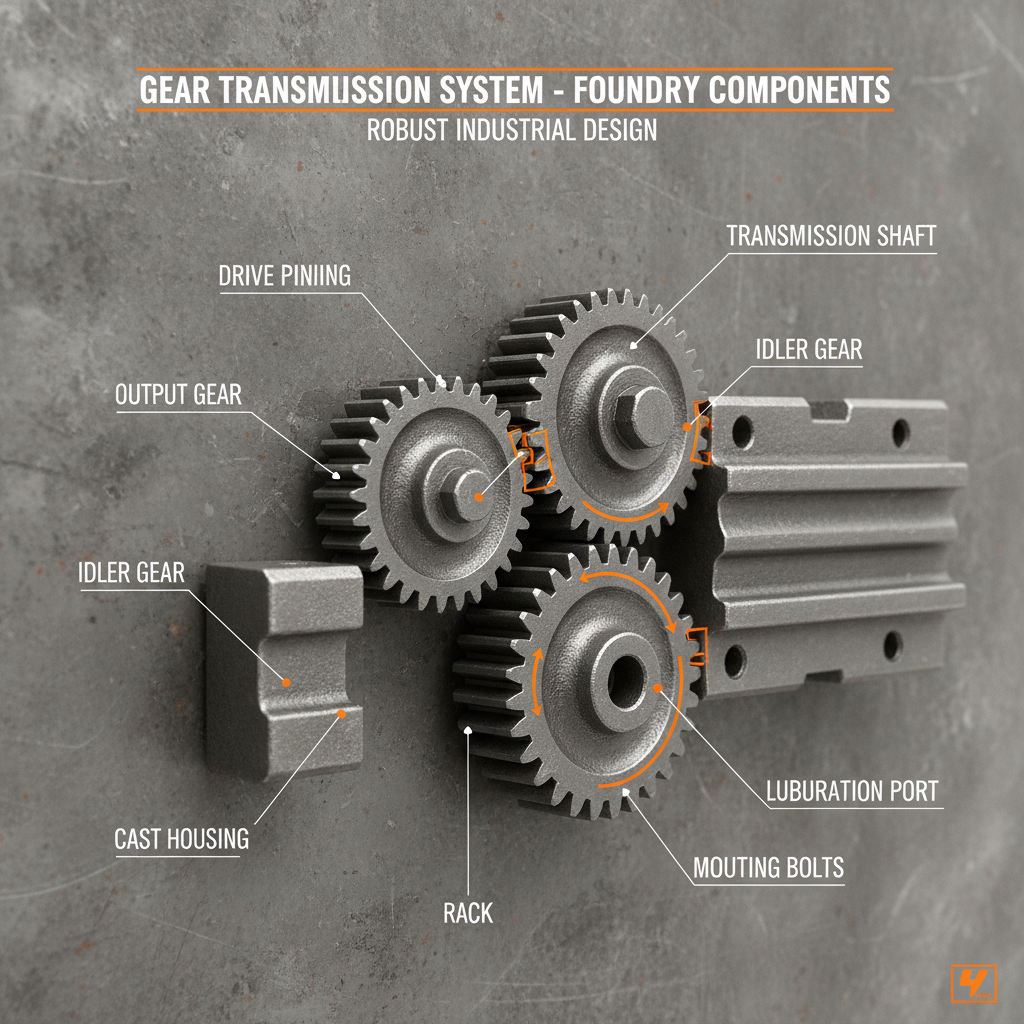
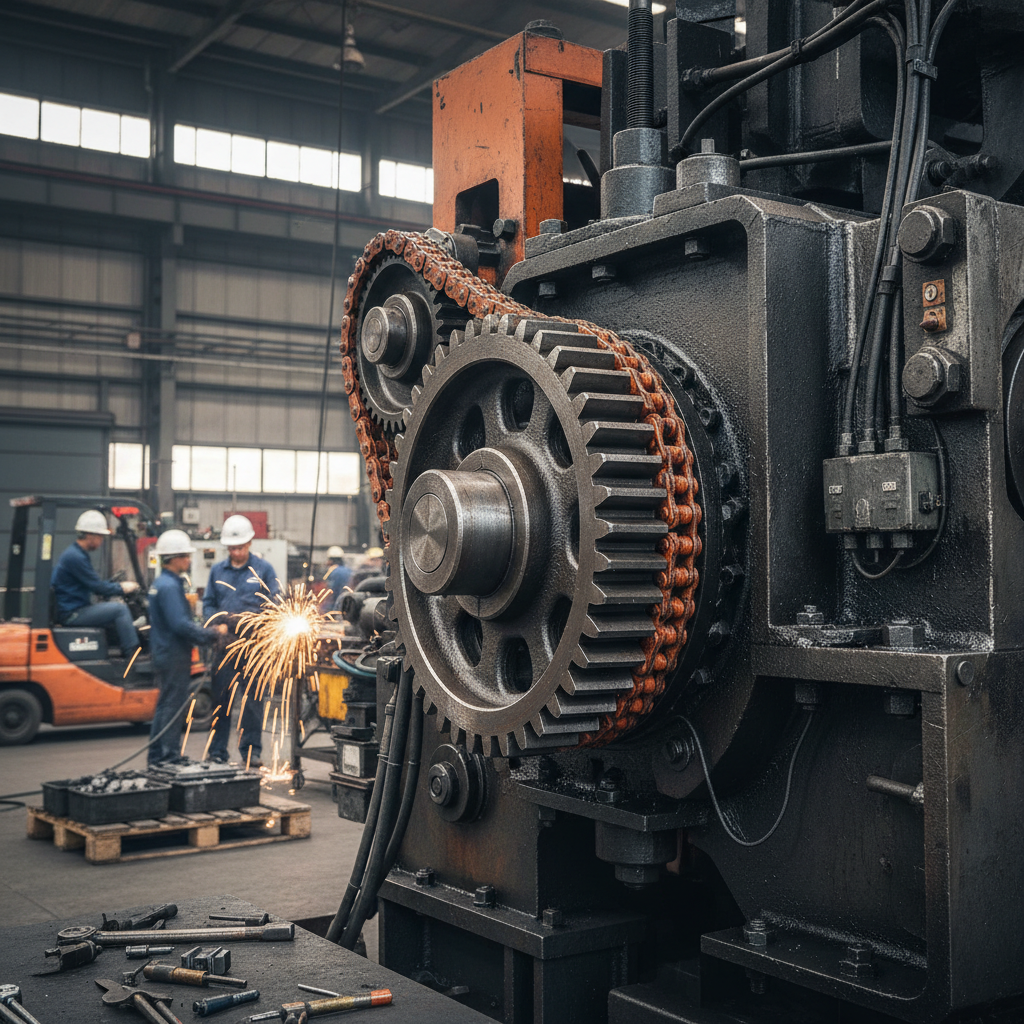
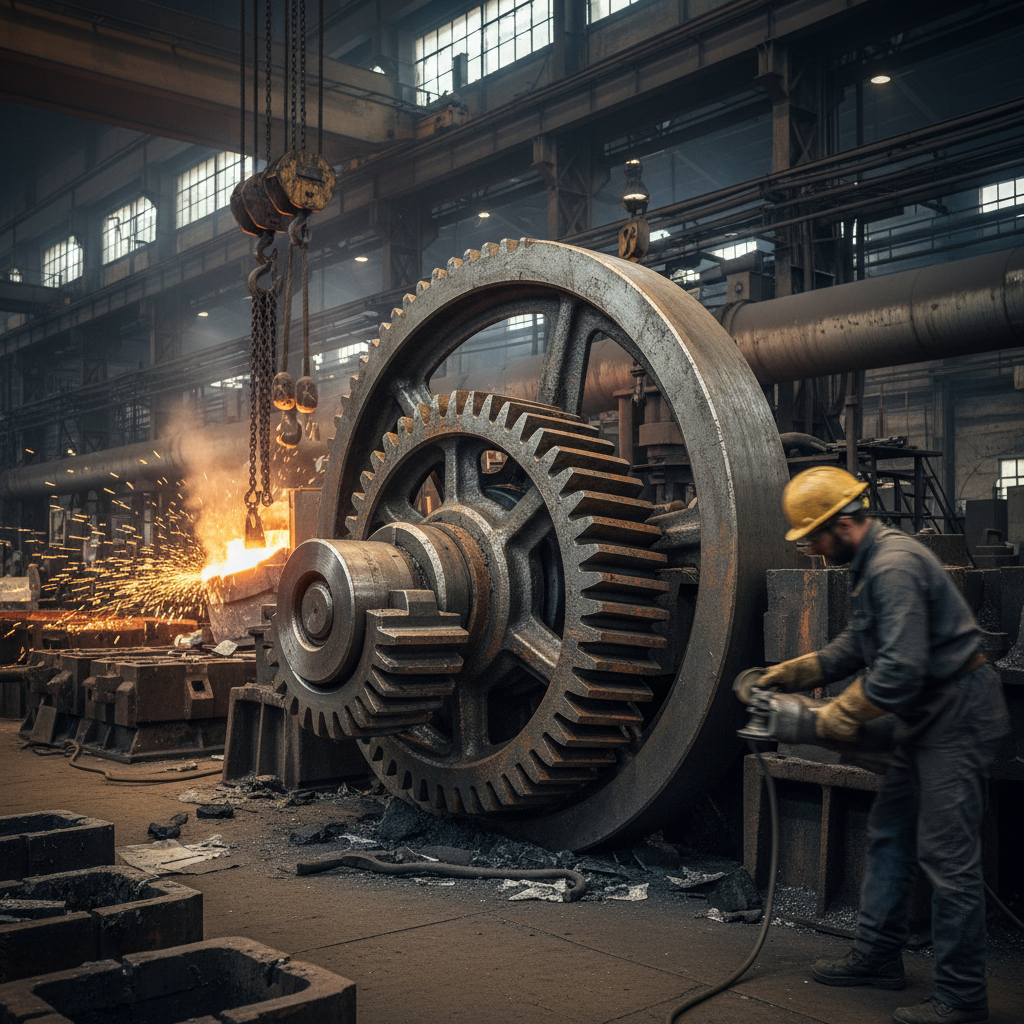
When it comes to mechanical power transmission, the term Gear And Types Of Gear covers a broad range of components designed to control speed, torque, and direction of moving parts. It might seem a bit dry at first, but honestly, gears are the unsung heroes behind everything from your car’s engine to industrial automation lines. Different kinds of gears — spur, helical, bevel, worm, and planetary, to name a few — each have unique profiles that suit specific engineering challenges. For instance, helical gears provide smoother and quieter operation, which is kind of important in automotive or aerospace applications.
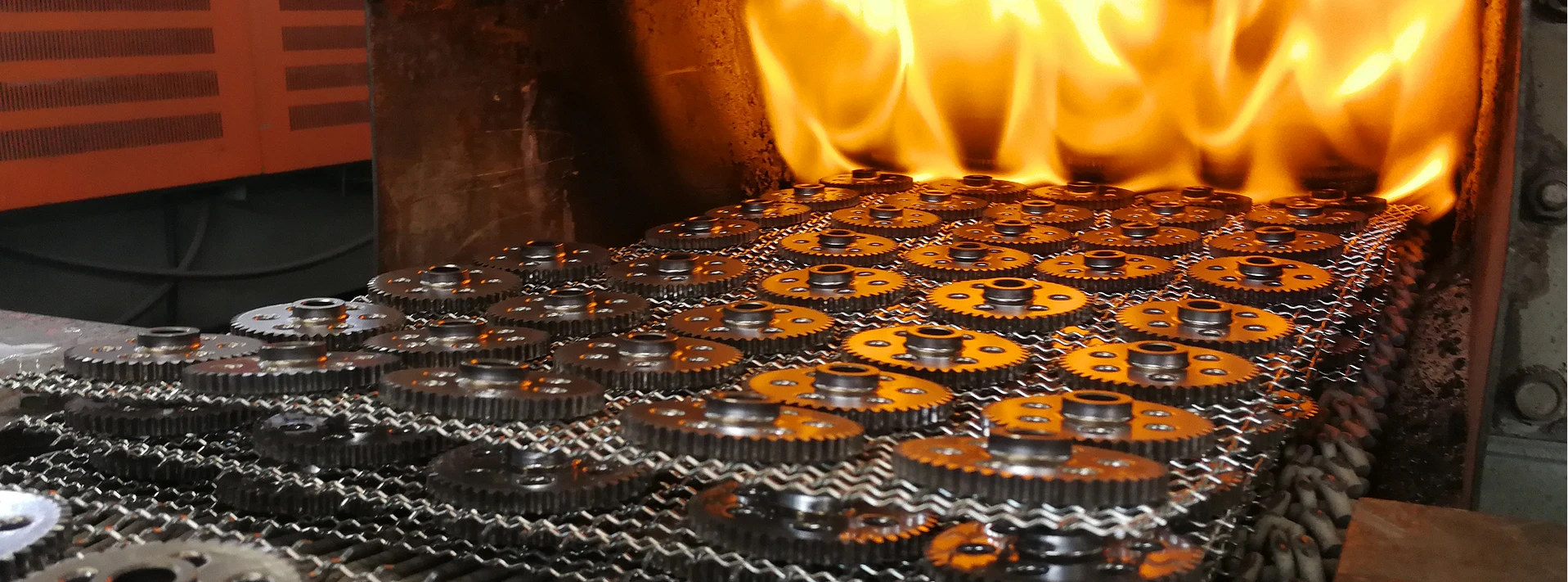
JSSintering specializes in sintered metal gears — that is, gears formed by compressing metal powder and heating it below melting point to achieve a dense, strong structure. This process ensures consistent material microstructure and dimensional accuracy. A recent case study from the energy sector showed replacing cast gears with sintered ones from JSSintering boosted machine uptime by over 15%, thanks to better wear resistance and lower weight.
| Specification | Details |
|---|---|
| Material | Sintered iron / alloy steel |
| Pressure Angle | 20° or 25° |
| Module Range | 0.5 to 10 |
| Operating Temperature | -40°C to 180°C |
| Typical Hardness | 55-65 HRC after heat treatment |
Benefits & Use Cases of Gear And Types Of Gear
You might wonder, with all those gear types, why JSSintering’s products stand out. Frankly, it's the blend of customizability and consistency. Different applications pose varied demands — automotive transmissions demand fatigue resistance, while construction machinery might prioritize impact toughness. JSSintering caters to these through tailored alloy compositions and heat treatments. That’s a major competitive advantage in sectors where downtime equals lost revenue.
In real terms, their gears find home in industries like automotive, where lightweight yet robust gears contribute to fuel economy. Plus, in heavy machinery, sintered gears’ porosity can be impregnated with lubricants, extending maintenance intervals. A logistics company recently reported fewer gearbox failures after switching to JSSintering parts, noting less vibration and noise — which oddly enough, often goes unreported but matters a lot on the factory floor.
| Vendor | Material Options | Typical Lead Time | Customization Level | Price Range |
|---|---|---|---|---|
| JSSintering | Sintered alloys, heat treated | 4-6 weeks | High (material & geometry) | Medium |
| Traditional Casting Supplier | Cast iron, steel | 8-12 weeks | Medium | Low to Medium |
| Machined Forgings Vendor | Alloy steel | 6-10 weeks | Medium to High | High |
Cost, Maintenance & User Experience
Sure, cost is often the first thing decision-makers eyeball, and rightly so. Oddly enough, while sintered gears might have a slightly higher upfront cost compared to cast ones, their total cost of ownership frequently turns out lower. Why? Reduced downtime and maintenance. The porous structure allows self-lubrication options that extend gear life and reduce service interruptions. I’ve noticed many engineers remark on how this changes maintenance schedules from monthly to biannual — that’s no small win in real operational terms.
Customer feedback collected from heavy industry suggests return on investment is visible within just one year, thanks to less frequent replacements. Plus, JSSintering’s strict quality control ensures minimal variability, meaning fewer surprises. One mining equipment operator noted the robustness of the gears held up even under extreme shock loads, which frankly, is reassuring when you’re miles away from the nearest workshop.
Sustainability & Market Trends
Sustainability may still feel like a buzzword at times, but in the gear manufacturing world, it’s steadily becoming a core value. Sintered gears benefit from reduced material waste thanks to the powder metallurgy process, which precisely uses only the metal required, unlike traditional machining that carves away a lot. Plus, lighter gears contribute to energy savings in vehicles and machinery — little efficiencies that add up industry-wide.
Regulatory frameworks globally are nudging manufacturers toward greener practices, encouraging suppliers like JSSintering to innovate continuously. Market trends indicate an increasing shift towards more complex gear geometries and materials, enabling smarter, more efficient machines. It’s fascinating to watch how this field morphs, subtly but surely, nudged by both tech advances and consumer expectations.
Frequently Asked Questions about Gear And Types Of Gear
- What is Gear And Types Of Gear and how does it work?
- Put simply, gears are rotating machine elements with teeth that mesh to transmit torque and speed between shafts. Different types have distinct tooth profiles and arrangements suited for specific mechanical functions — from straight-cut to angled teeth, or even complex planetary systems.
- What are the main benefits of using Gear And Types Of Gear in industrial applications?
- Durability, precision, and efficiency top the list. Quality gears reduce wear, improve performance, and can significantly cut maintenance costs through extended lifespans and less downtime.
- How does Gear And Types Of Gear compare to traditional alternatives?
- When manufactured using modern processes like sintering, gears often show better material consistency, lower weight, and improved lubrication capabilities compared to cast or forged counterparts — translating to better performance and lower total costs.
- What industries can benefit most from Gear And Types Of Gear implementation?
- Major users include automotive manufacturers, heavy machinery, energy production, and increasingly in robotics and aerospace. Each relies on robust, customizable gears to ensure operational reliability and efficiency.
Conclusion on Gear And Types Of Gear from china
To wrap it up, Gear And Types Of Gear from JSSintering offer a compelling blend of reliability, innovation, and sustainability suited to today’s demanding industries. For B2B decision-makers looking to optimize performance and cost, these gears provide not just components, but solutions that matter. Feel free to visit our website to explore how these products can fit into your operations.
Reflecting on this, it’s clear that gears aren’t just mechanical parts — they’re precision tools that power progress quietly but intensely behind the scenes.
- Case studies from energy and automotive sectors by JSSintering (2023)
- Industry reports on powder metallurgy processes, ASM International (2022)
- Market trends analysis in gear manufacturing, Global Industry Analysts Inc. (2023)