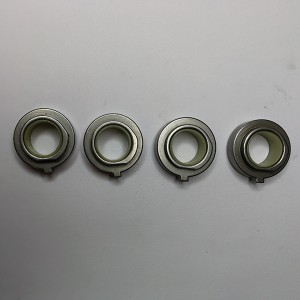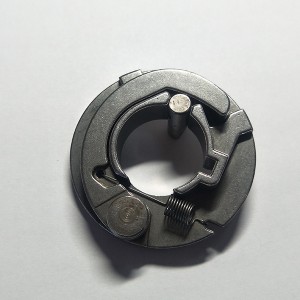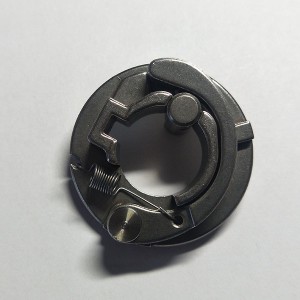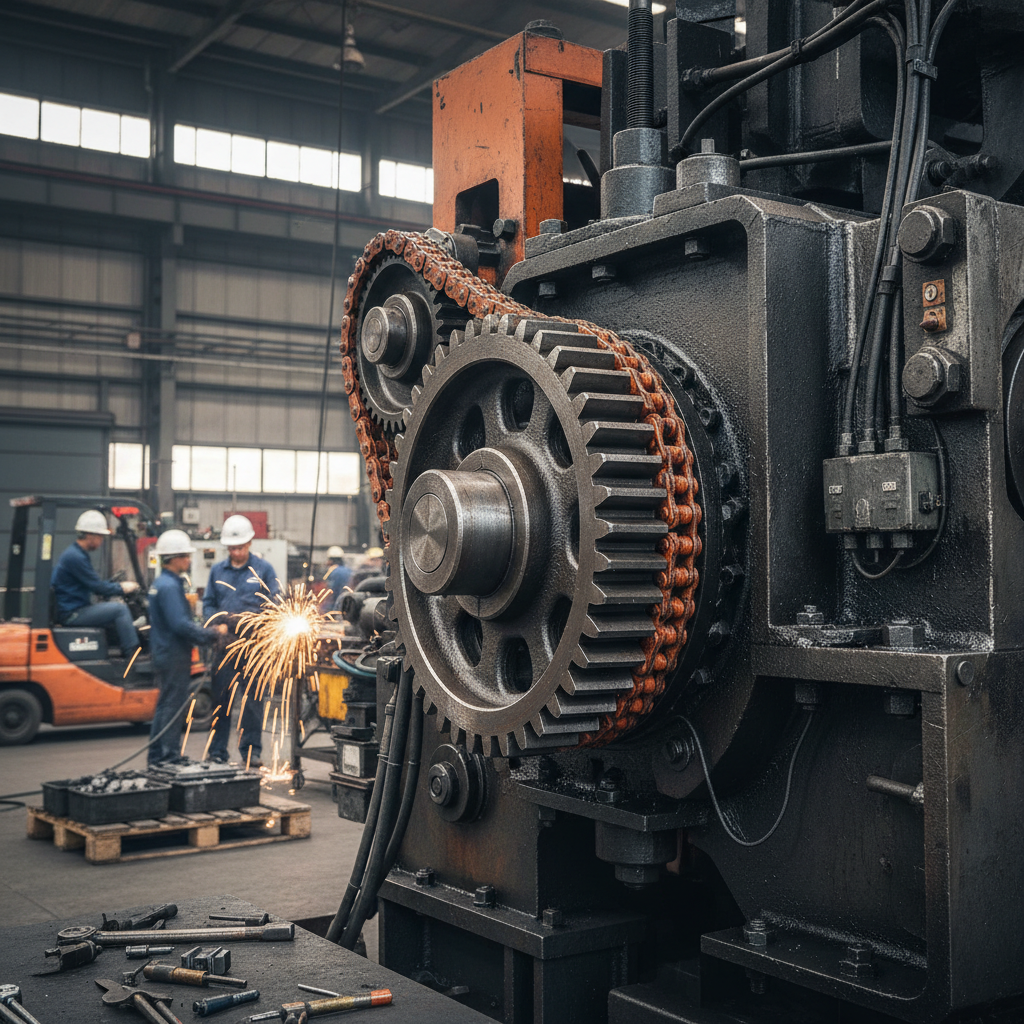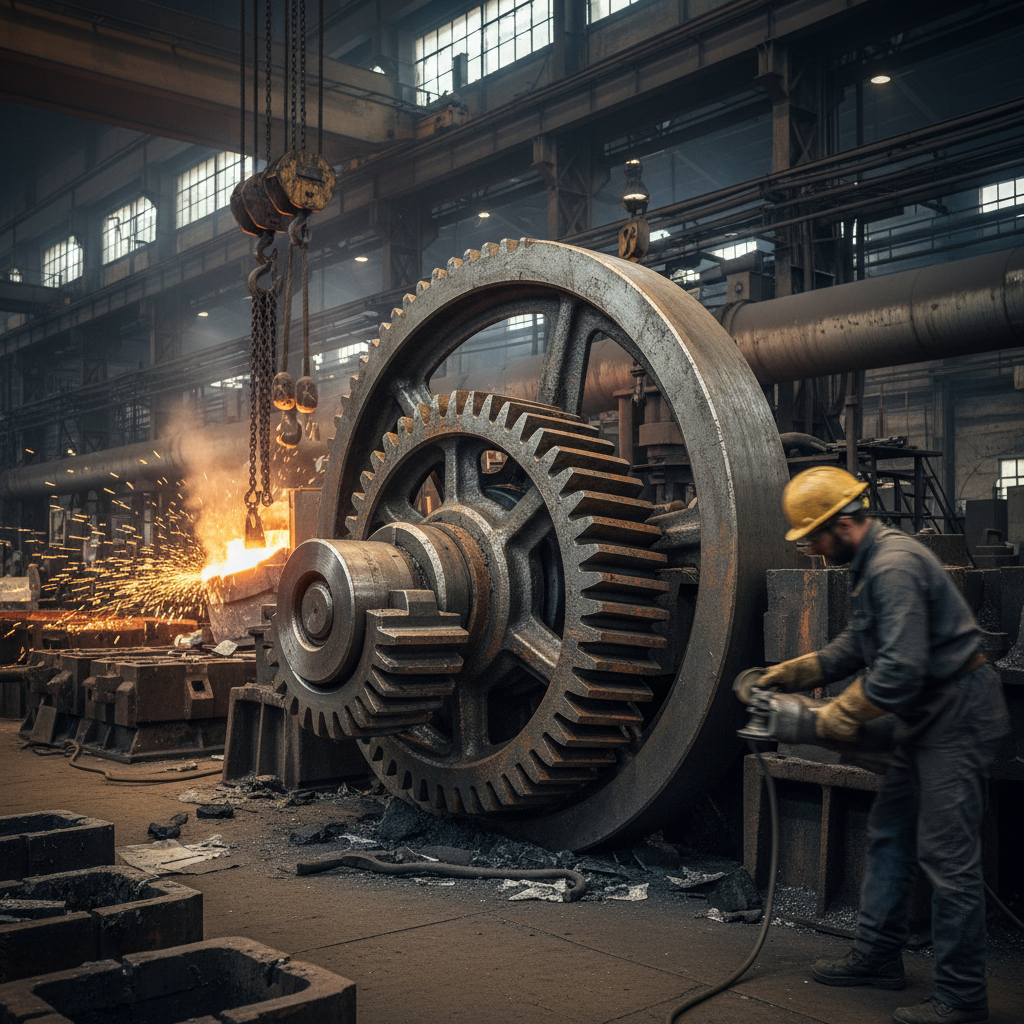





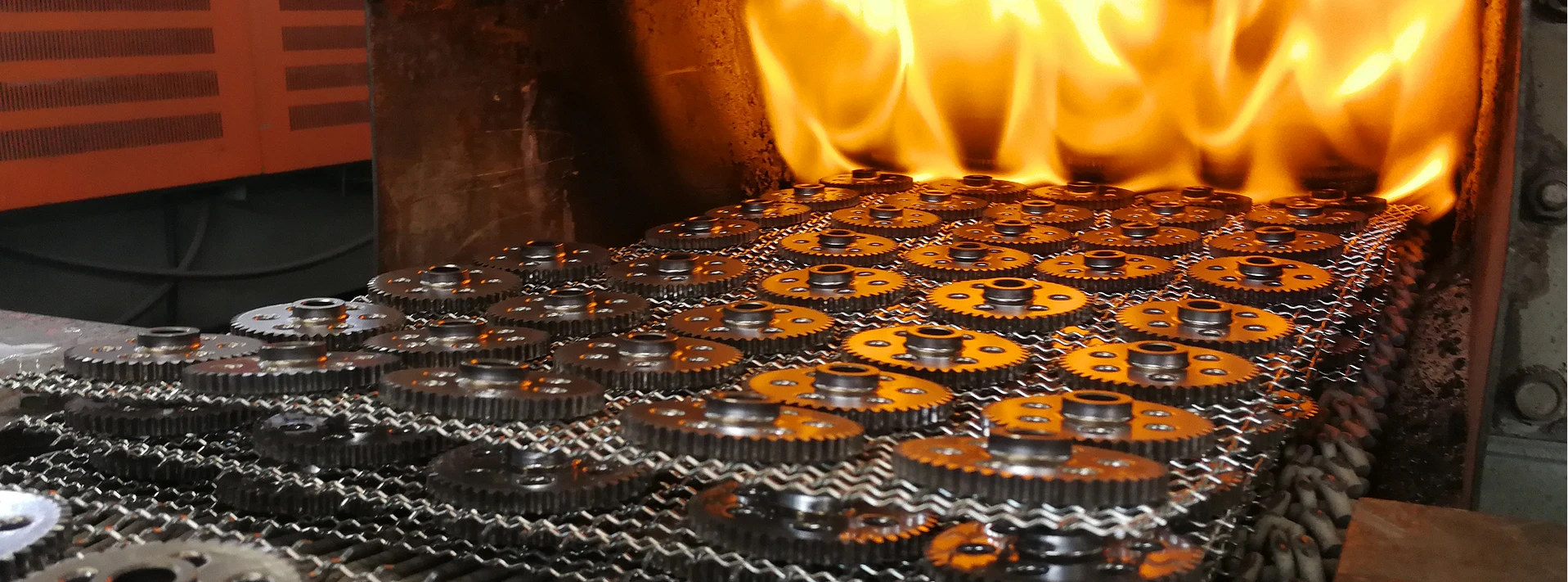
4 Types Of Gears are fundamental components in many industrial sectors. These gears form the backbone of countless mechanical systems, transmitting power and motion reliably and efficiently. This article dives into how JSS Sintering Technology helps professionals access durable, high-performance gears, perfect for applications requiring precision and longevity.
Table of Contents
- 4 Types Of Gears Overview
- Benefits & Use Cases of 4 Types Of Gears
- Cost, Maintenance & User Experience
- Sustainability & Market Trends
4 Types Of Gears Overview
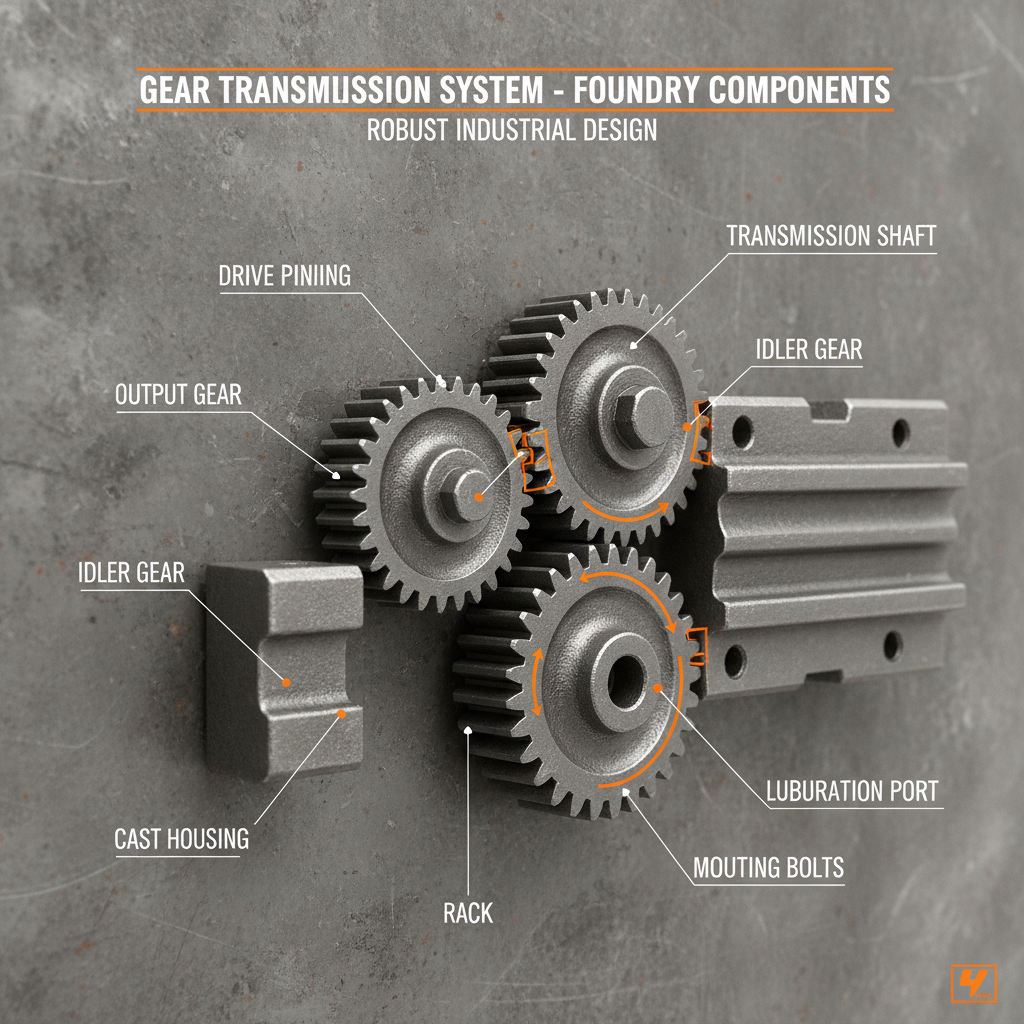
When we talk about 4 Types Of Gears, we’re referring to the classic mechanical powerhouses: spur gears, helical gears, bevel gears, and worm gears. Each has its own unique form and function in the machinery ecosystem, tailored for specific torque, speed, and directional needs. It’s fascinating how something as seemingly simple as a gear can dramatically shape the efficiency of a machine.
For example, spur gears, the straight-toothed stalwarts, excel in low-speed, high-torque applications, while helical gears, with their angled teeth, provide smoother, quieter operation—ideal for automotive transmissions. Bevel gears change the axis of rotation typically by 90 degrees, which is indispensable in many drives, and worm gears, the kinked partners, allow significant speed reduction and heavy load handling in compact spaces.
| Gear Type | Typical Module (mm) | Applications | Key Material |
|---|---|---|---|
| Spur Gear | 1 - 10 | Conveyors, pumps | Steel, sintered metal |
| Helical Gear | 2 - 12 | Automotive, turbines | Hardened steel, sintered alloys |
| Bevel Gear | 3 - 15 | Gearboxes, all-wheel drives | Steel, bronze composites |
| Worm Gear | 4 - 14 | Elevators, conveyors | Steel, phosphor bronze |
Benefits & Use Cases of 4 Types Of Gears
Now, what really sets these four gear types apart? Frankly, it’s their versatility and efficiency. For instance, helical gears, due to their angled teeth, help reduce noise and vibration, a huge selling point in automotive and aerospace where user comfort and equipment longevity matter. Worm gears offer excellent reduction ratios, compact design, and inherent locking capabilities that make them favorites in conveyors and lifts.
I suppose many engineers will tell you the durability aspect is what makes gears from trusted suppliers like JSS Sintering stand out. Their sintered metal gears combine precision, wear resistance, and cost-effectiveness, especially in medium-load applications. Plus, customization options mean industries can get exactly what they need—whether it’s a tricky tooth profile or special material treatment.
Cost, Maintenance & User Experience
When it comes down to the nitty-gritty of expense, the total cost of ownership for quality gears is more than just the purchase price. Durability and low maintenance are where you really see the return on investment. I've noted, from feedback shared by B2B customers, that sintered gears from JSS reduce downtime and maintenance intervals significantly — less grease, less squeaks, fewer replacements.
The user experience, in real terms, means smoother operations and less unexpected failures. One customer in the packaging machinery sector mentioned how switching to JSS Sintering’s helical gears improved their line efficiency by upwards of 12%. That may not sound huge, but in mass production, every second saved counts.
| Vendor | Material Quality | Customization | Lead Time | Pricing |
|---|---|---|---|---|
| JSS Sintering | High-grade sintered alloys | Full custom tooth profiles | 4-6 weeks | Competitive |
| Vendor B | Standard steel | Limited options | 6-8 weeks | Moderate |
| Vendor C | Cast iron | No customization | 3-4 weeks | Low price |
Sustainability & Market Trends
Sustainability is not just a buzzword anymore; it’s reshaping how industries approach gear manufacturing. Sintered gears, like those from JSS Sintering, are gaining traction because they reduce waste during production and often use recyclable materials. Plus, the energy savings from their efficient power transmission ripple through entire systems, which aligns with tightening global regulations on emissions and energy use.
Market trends show increased demand for lightweight but robust components, especially with the rise of electric vehicles and automated machinery. This means advanced metallurgy and sintering techniques—exactly where JSS shines—are becoming essential. Oddly enough, even traditional industries like agriculture are leaning into these innovations to cut fuel costs and boost uptime.
Frequently Asked Questions about 4 Types Of Gears
- What is 4 Types Of Gears and how does it work?
- Simply put, 4 Types Of Gears refers to spur, helical, bevel, and worm gears used to transfer motion and torque. Each type uses teeth arranged differently to meet varying speed, load, and direction requirements in machinery.
- What are the main benefits of using 4 Types Of Gears in industrial applications?
- Their main perks are durability, efficiency, and adaptability across industries. They improve machine performance, reduce noise and wear, and help customize powertrains to specific needs.
- How does 4 Types Of Gears compare to traditional alternatives?
- Compared to older designs like cast gears, sintered and precision-engineered gears offer tighter tolerances, better material properties, and longer life — all translating to better ROI.
- What industries can benefit most from 4 Types Of Gears implementation?
- Primarily automotive, aerospace, packaging, agriculture, and heavy machinery sectors. Each has leveraged specialized gear types from suppliers like JSS to optimize their operations and cut maintenance costs.
Conclusion on 4 Types Of Gears from china
To wrap it up, the value of 4 Types Of Gears lies not just in their diverse functionality but in the precision and durability that modern production techniques bring. With suppliers like JSS Sintering offering tailored solutions, businesses can trust these gears to boost efficiency, lower maintenance, and meet evolving market demands.
- Reliable, cost-effective power transmission components for diverse industries.
- Visit our website: https://www.jssintering.com
It feels like gears are small, humble parts, but they truly are the heartbeat of mechanical progress—silent, steadfast, and endlessly adaptable.
References:
1. Machinery & Manufacturing Quarterly, 2023
2. JSS Sintering Technical Whitepaper, 2024
3. Global Industrial Gear Market Report, 2023