




3 Types of Gears You Should Know About
After spending years knee-deep in the industrial equipment sector, I still find myself returning to one humble yet fascinating component: the gear. You’d be surprised how much these mechanical marvels shape everything from factory automation to heavy machinery. Today, let’s chat about three types of gears that I’ve often seen on shop floors, their distinct personalities, and why choosing the right one really matters for your application.
First off, there are countless gear variations, but if I had to distill things into manageable chunks, I’d say spur, helical, and bevel gears are the most common players. Each has its quirks and sweet spots. Oddly enough, engineers and operators alike often underestimate how a slight shift in gear type can impact noise, wear, and efficiency – and frankly, that’s where the magic (or trouble) happens.
1. Spur Gears: The Straight Shooter
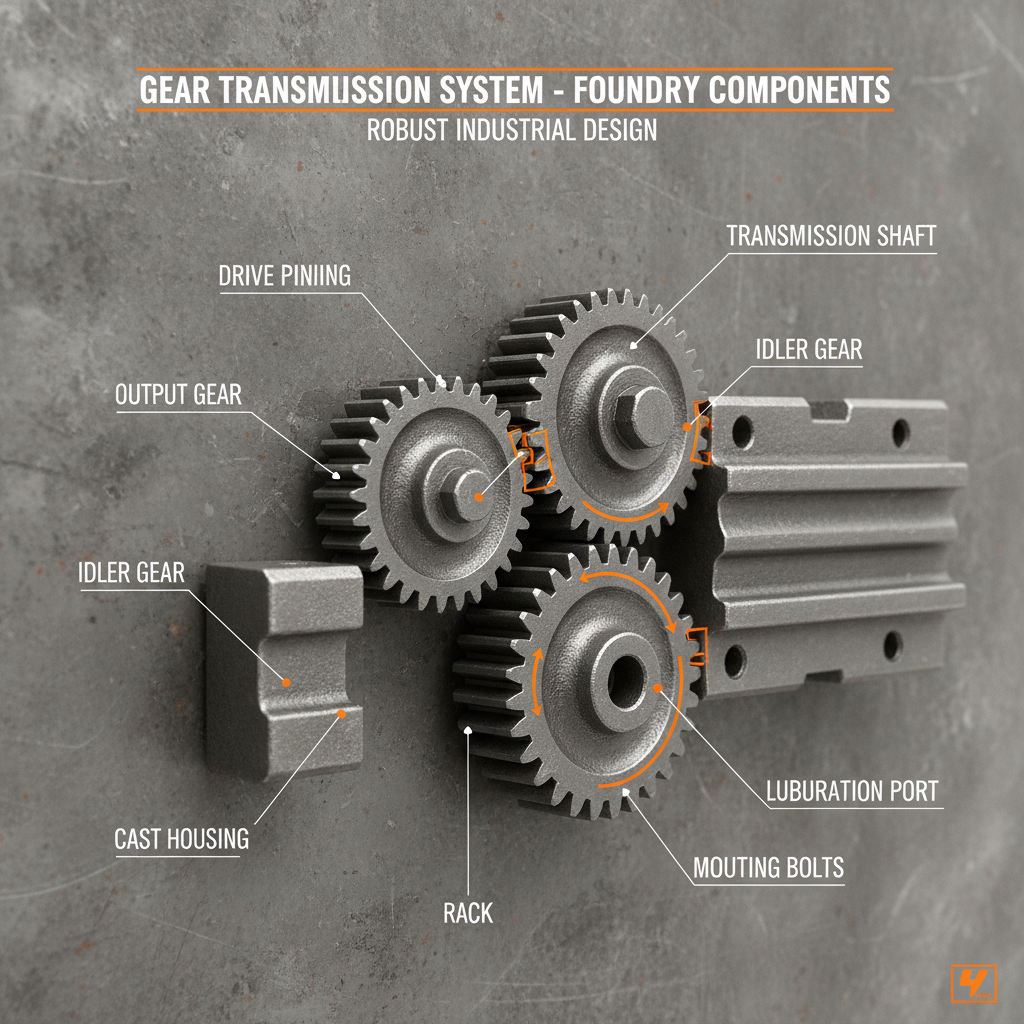
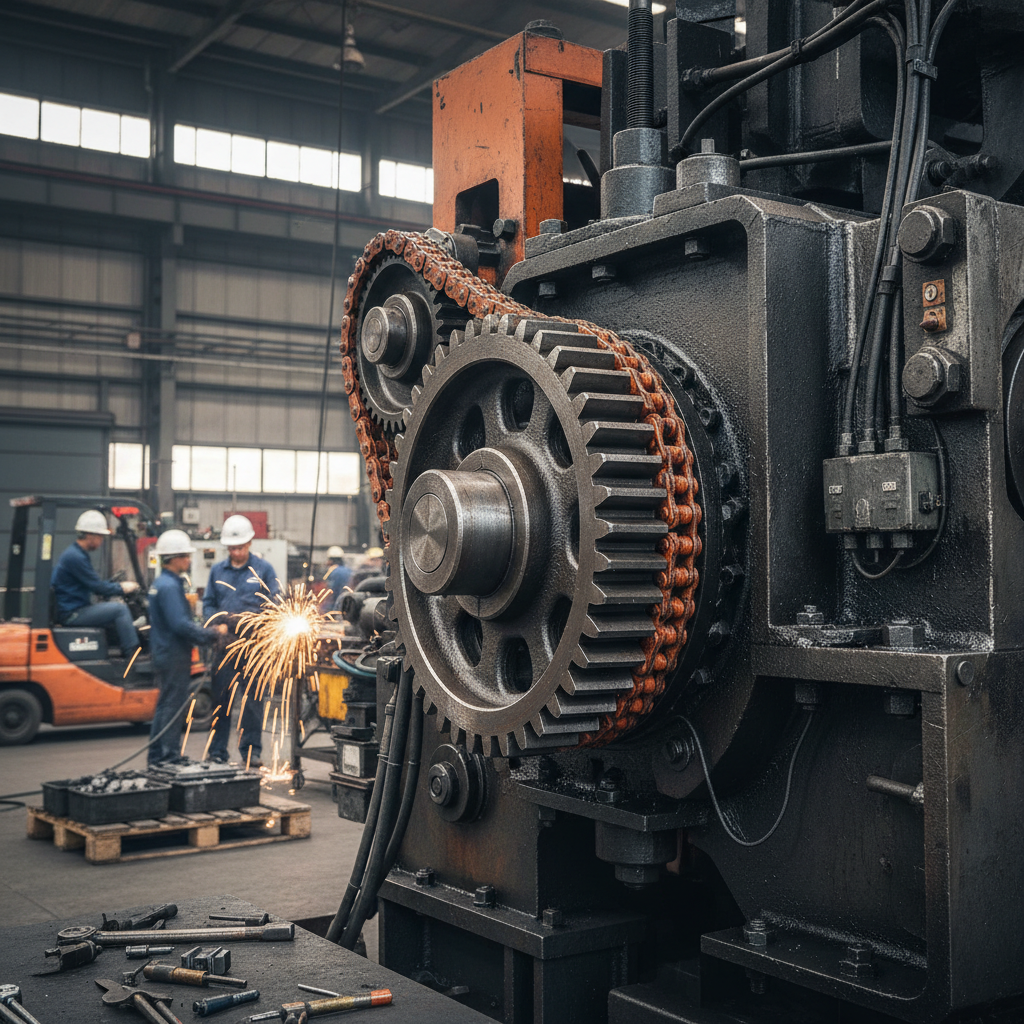
Spur gears are the simplest - their teeth run straight and parallel to the axis. They’re kind of like the “no-nonsense” members of the gear family: straightforward design, easy to manufacture, and pretty cost-effective. You’ll see spur gears in everything from conveyor belts to basic mechanical timers. One thing I noticed is their noisiness at high speeds; they aren’t shy about making their presence known.
2. Helical Gears: The Smooth Operators
Helical gears have slanted teeth that mesh gradually, which reduces noise and vibration — a big bonus for many applications. I remember working on a packaging line where switching from spur to helical cut noise by half and increased lifespan due to smoother engagement. They can handle higher loads and run faster, but, honestly, they’re a bit trickier to manufacture and generally cost more. Worth it? Usually.
3. Bevel Gears: The Directional Specialists
When it comes to changing the axis of rotation — say from horizontal to vertical — bevel gears are your go-to. These come with conical shapes and angled teeth, which can be straight, spiral, or hypoid. It feels like they’re the “turning point” of the gear world in more ways than one. I recall a client who needed a custom bevel gear to fit a confined space; with some precise specs, we got a solution that operates quietly and efficiently even under tough loads.
| Gear Type | Typical Applications | Load Handling | Noise Level | Cost |
|---|---|---|---|---|
| Spur | Conveyors, clocks, pumps | Moderate | High at speed | Low |
| Helical | Automotive, packaging | High | Low | Medium to High |
| Bevel | Differentials, mills | Varies with type | Medium | Medium to High |
Now, when it comes to suppliers — not all gears are created equal, and sometimes the devil’s in the details, especially with materials and precision. I’ve had good experience with vendors that offer quality steel alloys and tight manufacturing tolerances, which really matters when durability and noise reduction are priorities.
| Vendor | Material Options | Customization | Lead Time | Price Range |
|---|---|---|---|---|
| JSSintering | Steel Alloys, Sintered Metals | High – Custom specs supported | 2-4 weeks typical | Competitive |
| GearCo | Carbon Steel, Brass | Medium | 3-5 weeks | Moderate |
| PrimeGears | Alloy Steel, Plastic | Low to Medium | 1-3 weeks | Higher |
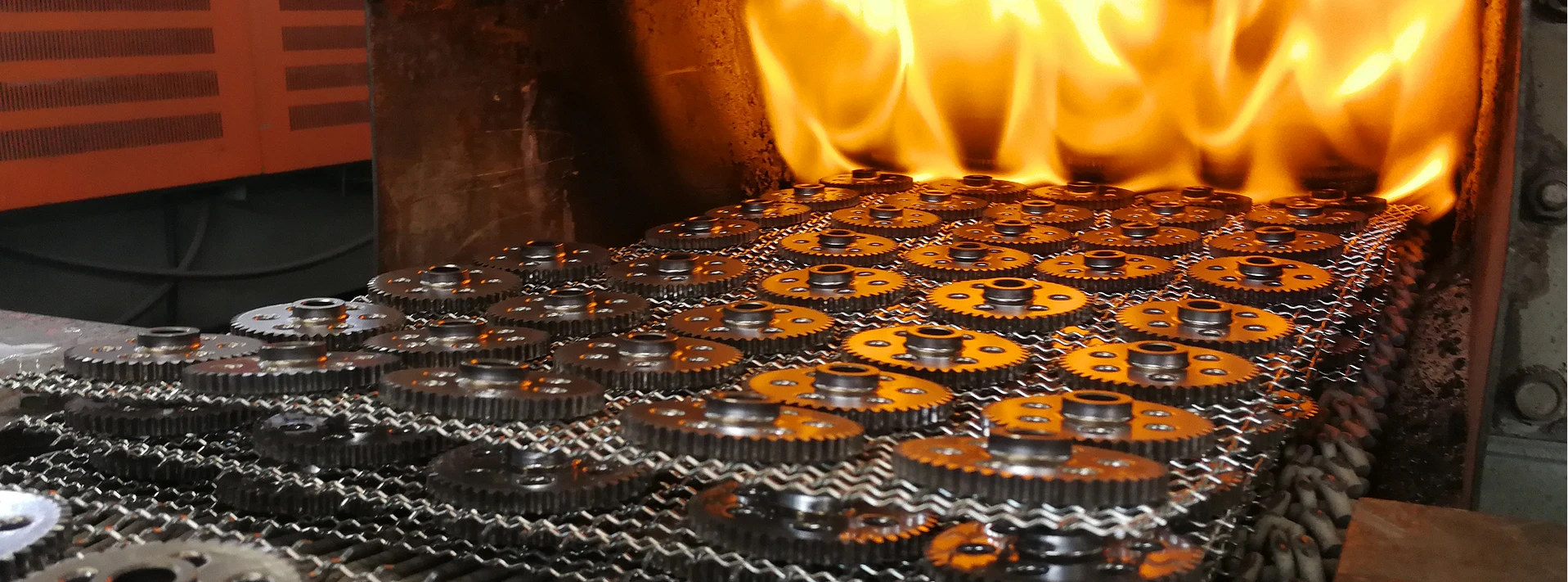
Just a quick anecdote — once a customer came looking for a sintered gear solution for a prototype conveyor. They had tight space constraints, and noise was a real concern. After collaborating with JSSintering to customize a helical gear with some special alloy blends, the result was practically silent and outperformed initial specs. Little wins like that remind me why partnering with the right vendor is key.
In real terms, understanding these three common types of gears—spur, helical, and bevel—isn't just academic. It’s about getting the best fit for your machinery, reducing downtime, and yes, keeping the noise down so your operators aren’t constantly cranking up the volume on their headsets.
References:
- Shigley’s Mechanical Engineering Design, 10th Ed.
- AGMA (American Gear Manufacturers Association) Standards
- Industry experience and customer feedback (anonymized)
Written by an industry insider with 15+ years in industrial gear manufacturing and design.