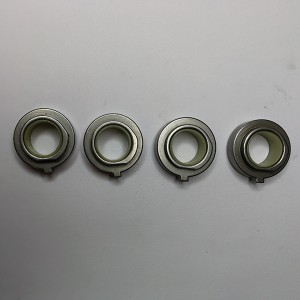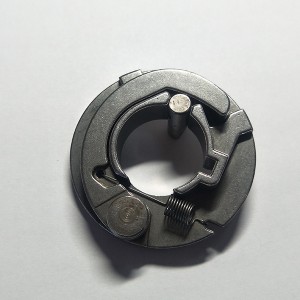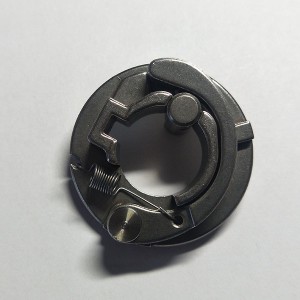





Understanding Slip Gear Mechanism: Why It Matters Today
If you've ever wondered how heavy machinery or intricate mechanical systems manage unexpected loads or sudden shifts, you're midway to appreciating the slip gear mechanism. This deceptively simple yet highly effective system is central to industries ranging from manufacturing to humanitarian relief logistics. As global supply chains innovate and automation deepens, understanding how slip gear mechanisms operate isn't just for engineers but anyone interested in resilient, adaptable machine design.
On a global scale, the slip gear mechanism supports everything from conveyor belts in sprawling factories to emergency equipment deployed worldwide. Its efficiency helps avoid costly downtime, reduce wear and tear, and improve safety—the trifecta of modern industrial needs.
The Global Context: Why the Slip Gear Mechanism is Everywhere
Look around: according to the International Organization for Standardization (ISO), industrial machinery downtime costs billions annually worldwide. Add to that the increasing demand for sustainable, reliable operations noted by the UN Industrial Development Organization (UNIDO), and swift mechanical fail-safes become crucial.
Slip gear mechanisms answer this challenge by providing controlled movement that allows gears to slip under overload conditions instead of seizing or breaking. This means less expensive repairs and safer workplaces globally. Notably, in regions where technical servicing is sparse—think remote mines or developing economies—these systems extend machine life significantly.
What Exactly is a Slip Gear Mechanism?
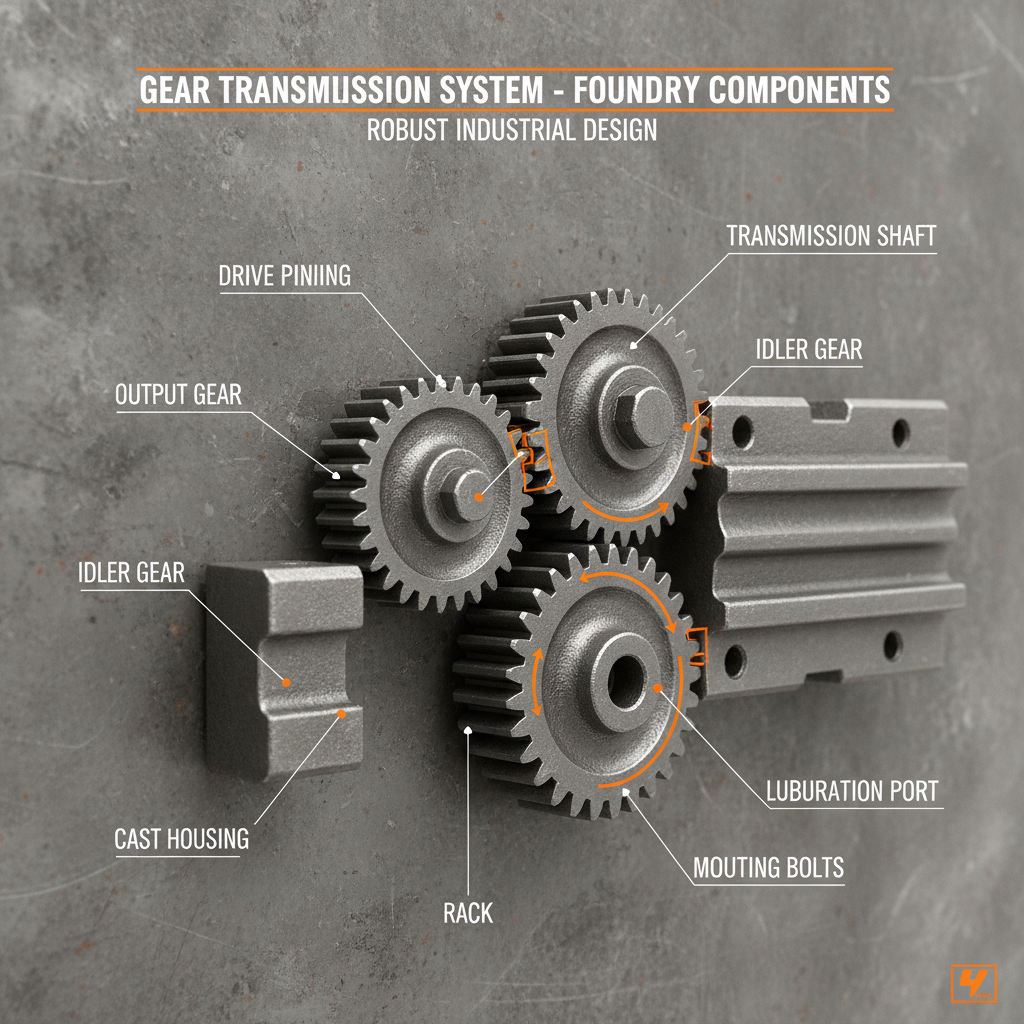
Simply put, a slip gear mechanism is a safety device built into a gear train allowing a gear to "slip" or disengage temporarily when a load exceeds a predetermined torque limit. Instead of jamming or damaging critical parts, this controlled slip protects the entire drivetrain. It’s like a graceful "I’ve had enough" moment where the system opts to give a little instead of breaking hard.
In humanitarian and industrial contexts, this means equipment like conveyor belts, cranes, or even disaster relief vehicles can keep functioning despite uneven loads, obstructions, or unexpected shocks.
Core Components That Define Slip Gear Mechanisms
Durability
Materials chosen for slip gear components often include hardened steel alloys or bronze composites to endure continuous slipping without rapid degradation. Durability here directly reduces downtime and maintenance costs.
Adjustable Torque Settings
Many slip gear systems allow tweaking the torque threshold — meaning operators can calibrate slip points as conditions demand. This flexibility suits everything from delicate electronics assembly lines to robust mining gear.
Compactness and Integration
Engineering teams prize slip gears that integrate seamlessly into existing gear trains without bulky modifications. A compact design ensures less added weight and spatial demands, essential in aerospace or automotive production.
Cost Efficiency
While the initial investment in quality slip gear systems may seem steep, they pay back through avoided repairs and increased machine uptime, which engineers tell me can be worth their weight in gold.
Maintenance Simplicity
Easy inspection and swapping out slipping components reduce repair times. Many manufacturers provide modular parts designed for quick replacement without dismantling entire gearboxes.
Real-World Applications of Slip Gear Mechanisms
Slip gear mechanisms pop up in some intriguing—and sometimes unexpected—places.
- Post-Disaster Relief: Robust equipment often includes slip mechanisms so relief trucks and cranes keep working through rubble and uneven terrain.
- Remote Mining Operations: In hard-to-access locations, machinery longevity is vital; slip gears reduce breakdowns from variable rock loads.
- Automotive Industry: Sports cars and trucks benefit from adjustable slip gears translating to smoother power delivery and safer torque control.
- Conveyor Systems in Manufacturing: Slip gears reduce jams and halt production line breakdowns, a big headache in factories worldwide.
- Renewable Energy: Wind turbines use slip mechanisms to dissipate excessive mechanical loads during storms, protecting blades and shafts.
Product Specifications: Typical Slip Gear Mechanism Features
| Feature | Description | Typical Range/Value |
|---|---|---|
| Torque Limit | Max torque before slipping | 10–500 Nm (adjustable) |
| Material | Gear and friction components | Hardened steel, bronze alloy |
| Lifespan | Expected operational cycles | >1 million cycles |
| Size | Typical gear diameter | 50–200 mm |
| Adjustability | Torque setting mechanism | Manual screw or hydraulic system |
Comparing Leading Slip Gear Manufacturers
| Vendor | Product Range | Customization Options | Typical Industries | Lead Time |
|---|---|---|---|---|
| GearSafe Inc. | Standard & heavy-duty slip gears | Torque range & materials | Mining, automotive | 4–6 weeks |
| SlipTech Solutions | Compact & modular slip gear kits | High precision torque adjustment | Renewables, aerospace | 3–5 weeks |
| ProGear Components | Custom-engineered solutions | Full design collaboration | Industrial, manufacturing | 6–8 weeks |
Advantages & Long-Term Value of Slip Gear Mechanisms
Why put your trust in a slip gear mechanism? The answer lies in the peace of mind it offers—knowing your machines have an in-built safeguard against the unpredictable. Beyond cost savings, these systems promote sustainability by reducing wasteful replacements and aligning with circular economy goals.
Socially, reliable machinery improves worker safety and dignity by cutting risks of catastrophic failures. Emotionally, it's that quiet reassurance every operator craves, knowing innovation silently guards their daily toil.
Looking Ahead: Future Trends in Slip Gear Mechanisms
Emerging materials like graphene composites hint at even tougher, lighter slip gears soon. Digital transformation will embed sensors to track slip events in real time, enabling predictive maintenance instead of reactive fixes.
Moreover, as green energy grows, slip gear designs optimized for wind and tidal turbines will become mainstream, marrying mechanical resilience with environmental stewardship.
Overcoming Challenges: Common Issues & Solutions
Slip gear mechanisms aren’t perfect. Some challenges include wear under continuous slip, calibration drift, and integration complexity. But advances in coatings and lubrication reduce wear significantly.
Innovative torque control systems now use electronics coupled with mechanical parts to maintain precision, while modular designs simplify retrofit jobs. Frankly, these solutions reflect decades of engineering lessons combined with modern ingenuity.
FAQ: Common Questions About Slip Gear Mechanism
- What distinguishes a slip gear mechanism from a traditional safety clutch?
Unlike some clutches that disengage fully, slip gears allow controlled slipping within the gear train, preserving engagement fidelity while preventing damage. - How long do slip gear mechanisms typically last under heavy industrial use?
Most quality systems endure over a million operational cycles, but lifespan depends on load conditions and maintenance sophistication. - Can slip gear mechanisms be adjusted on the fly without stopping machines?
Some advanced designs offer on-line torque adjustment, though safety and manufacturer guidance usually recommend offline calibration. - Are slip gear systems suitable for automated robotic arms?
Absolutely. They protect sensitive parts from overloads and allow precise control, essential in automation and robotics. - Do slip gear mechanisms require special lubrication?
Yes, high-grade lubricants matching material specifications reduce wear and maintain slipping performance.
Conclusion: Why Slip Gear Mechanisms Deserve More Attention
In an era of advancing automation and sustainability pressures, slip gear mechanisms quietly uphold safety, effectiveness, and durability across sectors. Whether it’s keeping conveyors moving in a busy factory or protecting wind turbine blades in a storm, these systems matter. If you're intrigued or need tailored solutions, visit our website: slip gear mechanism. Sometimes the smallest safeguard holds the biggest impact.