




What Is Rack and Pinion, and Why Should You Care?
If you’ve ever turned a steering wheel, moved a sliding door, or marveled at the precision of industrial machinery, you’ve likely encountered the humble rack and pinion. It’s one of those behind-the-scenes mechanical partnerships that quietly powers millions of applications worldwide. In short, this system converts rotational motion into linear movement, but it’s much more than that: it’s a cornerstone technology that keeps industries rolling, vehicles steering, and automation humming.
Its significance is truly global. From automotive plants in Germany to agricultural equipment in Brazil and humanitarian logistics in Southeast Asia, rack and pinion mechanisms underpin efficiency and reliability. Understanding its role matters, especially as the global industry embraces smarter, more sustainable manufacturing and machinery designs. Plus, for engineers and decision-makers, knowing the nuances of rack and pinion systems means better choices in cost, durability, and adaptability.
Mini takeaway: Rack and pinion may seem simple, but it’s a global workhorse that quietly powers countless industries—from transport to humanitarian aid—offering precise and reliable motion control.
The Global Context: Why Rack and Pinion Systems Are Vital Today
On a big-picture level, the rack and pinion goes beyond a mere mechanical part. According to ISO standards and global industry reports, over 70% of precision linear motion devices incorporate some form of rack and pinion gearing—be it in factories, vehicles, or even automation robots.
The World Bank notes that by 2030, over 60% of the world’s GDP will depend on manufacturing and logistics sectors where rack and pinion systems play a critical role. The challenge? Meeting the demand for cleaner, more efficient machines without driving up costs or sacrificing durability—a puzzle that rack and pinion setups are perfectly poised to help solve.
Mini takeaway: Millions rely on the smooth function of rack and pinion systems worldwide, especially as industries seek cost-effective ways to meet global manufacturing and automation demands.
Defining Rack and Pinion: Simple Mechanics Doing Heavy Lifting
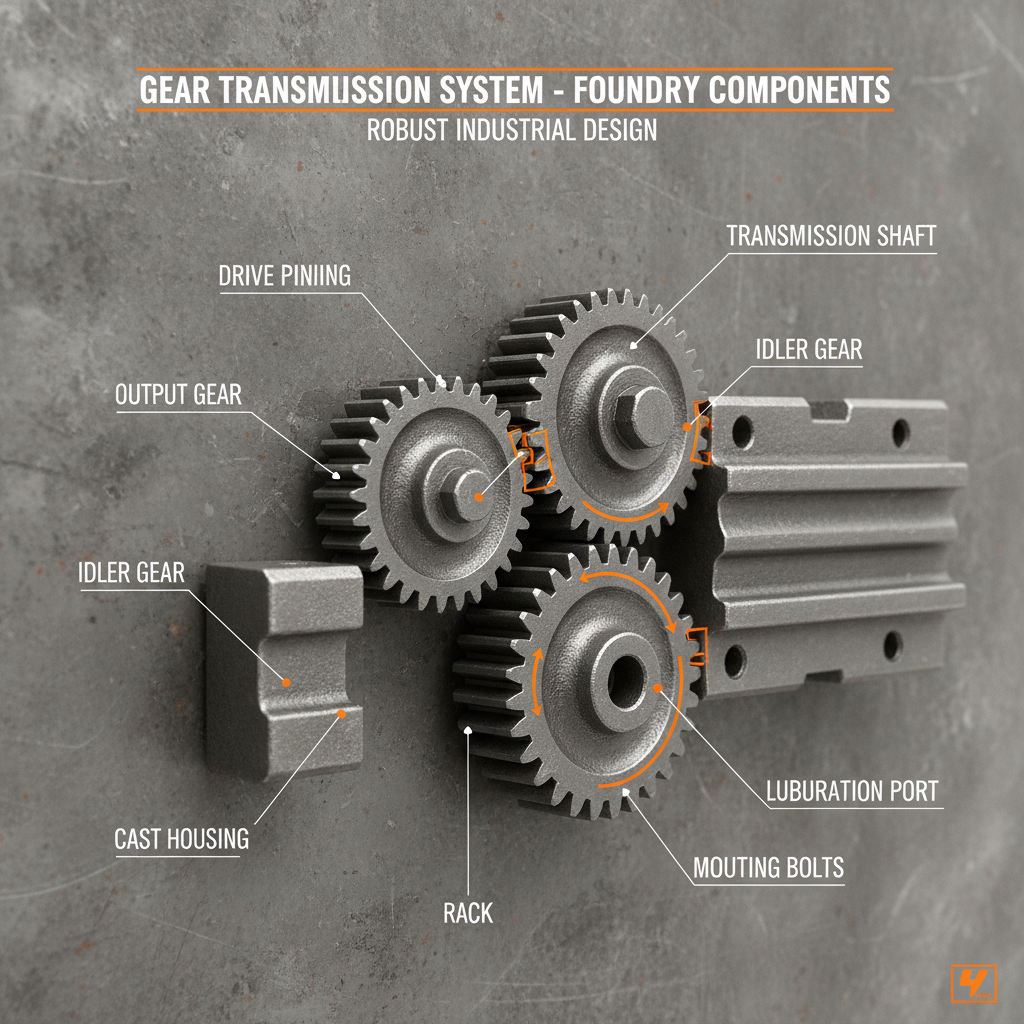
So here’s the down-to-earth definition: a rack and pinion consists of a round gear (the pinion) meshing with a flat, toothed bar (the rack). When the pinion turns, it slides the rack in a straight line. Whether it’s steering your car or moving a robotic arm, that straightforward interaction converts circular motion into precise linear travel.
What’s interesting is how this simple gear set meets modern industry needs—from precision agricultural machinery to robotics critical to humanitarian relief operations where quick, reliable machine response can mean the difference between success and failure.
Mini takeaway: Despite its simplicity, the rack and pinion mechanism is a lynchpin for transforming rotary power into controlled linear motion essential for countless modern devices and industries.
Core Features That Make Rack and Pinion Systems Indispensable
1. Precision and Control
Rack and pinion setups offer precise positioning with little backlash. This is crucial for machines requiring exact linear movement, such as CNC tools or automotive steering assemblies.
2. Compact Design
You won’t find bulkiness here. Their relatively slim profiles make rack and pinion systems ideal for tight spaces, a massive advantage in modern compact industrial designs and vehicle layouts.
3. Durability and Load Capacity
Modern materials like hardened steel or even composite racks ensure these components survive heavy loads under harsh conditions—think construction equipment or off-road machinery.
4. Cost Efficiency
Compared to some linear actuators or hydraulic systems, rack and pinion mechanisms deliver reliable performance at a fraction of the cost, both in manufacturing and maintenance.
5. Versatility
Whether you’re moving a forklift mast, steering a sports car, or controlling adjustable seating, the rack and pinion adapts well to myriad applications.
Mini takeaway: Precision, compactness, durability, cost savings, and versatility—these factors explain why rack and pinion remains a staple across industries.
Rack and Pinion in Action: Global Use Cases
The pragmatism of rack and pinion systems becomes tangible once you zoom in on where and how they’re used. For instance, in European automotive manufacturing, millions of cars depend on precisely engineered rack and pinion steering systems that enhance driver safety and vehicle responsiveness.
In agriculture, countries like India and Brazil rely on equipment fitted with rugged racks and pinions to operate plows, harvesters, and irrigation machinery in tough environments. In humanitarian logistics adapted by organizations such as the Red Cross, rack and pinion actuators help automate containerized relief modules to speed up emergency shelter deployment.
Industrial converters and automation firms in Asia increasingly opt for custom-designed rack and pinion drives to bring better motion control at affordable costs.
Mini takeaway: From steering wheels in Germany to relief gear in disaster zones and farms in South America, rack and pinion systems are quietly shaping lives and industries worldwide.
Product Specifications Snapshot: Typical Medium-Duty Rack and Pinion
| Specification | Value | Note |
|---|---|---|
| Material | Hardened Steel, Carbon Steel | Ensures durability |
| Module (Gear Size) | 2 mm | Standard for medium loads |
| Max Load Capacity | 5,000 N | Suitable for industrial machines |
| Tooth Form | Involute | Reduces wear and noise |
| Length Options | Up to 3 meters | Customizable |
| Operating Temperature | -20°C to 120°C | Suitable for harsh environments |
Vendor Comparison: Leading Rack and Pinion Suppliers
| Feature / Vendor | JSS Sintering Co. | Precision Gear Inc. | Global Motion Tech |
|---|---|---|---|
| Material Options | Steel, Stainless, Composite | Steel, Aluminum | Steel only |
| Customization | Full range, small batch support | Limited to standard sizes | Focus on OEM contracts |
| Lead Time | 2-3 weeks | 4-6 weeks | 3-5 weeks |
| Price Level | Mid-range | High | Mid to high |
| Industry Focus | Multi-sector: automotive, industrial, automation | Primarily automotive | Heavy machinery & robotics |
The Advantages and Long-Term Value of Rack and Pinion Systems
Honestly, it feels like rack and pinion systems strike a near-perfect balance. By offering low maintenance, long life spans, and efficient energy use, they save not just money, but headaches down the line. From a sustainability viewpoint, systems that last decades reduce the demand for frequent replacements—helpful for reducing waste and energy consumption during manufacturing.
On the social side, precision and reliability bring safety and dignity. In automotive steering, for example, the driver’s confidence rests in the subtle mechanical dance of racks and pinions. Similarly, automating factory lines with these mechanisms enhances efficiency while protecting workers from heavy manual tasks.
Mini takeaway: Beyond mechanical specs, rack and pinion systems bring emotional peace of mind, trust in safety, and solid long-term savings.
Looking Ahead: Future Trends and Innovations
What’s coming next? There’s exciting work in digitally integrated racks and pinions with sensors to provide real-time wear data—so maintenance becomes predictive instead of reactive. Plus, manufacturers are experimenting with advanced composites to reduce weight while maintaining strength.
In line with green energy and sustainability goals, adaptations for electric vehicles and solar trackers increasingly use optimized rack and pinion systems for efficiency. Automation and Industry 4.0 push these components into smarter factories where connected, AI-guided motion is the norm.
Mini takeaway: The future rack and pinion will be smarter, lighter, and greener—integrating seamlessly into the digital industrial landscape.
Common Challenges and How Experts Solve Them
Despite the advantages, rack and pinion systems face issues like wear over time, backlash affecting precision, and corrosive environments reducing lifespan. Luckily, reality-driven solutions are everywhere—from using surface treatments like nitriding to cutting-edge lubricant formulas.
Engineers also rely on design tweaks: fine tooth geometry, hardened materials, and regular condition monitoring to nip problems early. Automation of maintenance and integration of sensors mean that spare parts aren’t “surprise” expenses anymore.
Mini takeaway: Intelligent design and smart maintenance markedly reduce traditional limitations of rack and pinion mechanisms.
FAQs: Your Burning Questions About Rack and Pinion, Answered
- Q: How do rack and pinion systems improve vehicle steering compared to other mechanisms?
- A: They provide more precise, direct feedback and simpler construction, resulting in better control and lighter steering feel—especially in modern cars.
- Q: Can rack and pinion gear sets be customized for heavy industrial use?
- A: Yes. Many vendors, including rack and pinion specialists, offer custom sizing, materials, and tooth profiles tailored for heavy load requirements.
- Q: Are rack and pinion mechanisms suitable for outdoor environments?
- A: With appropriate materials and coatings, racks and pinions perform well in challenging conditions from cold climates to coastal corrosion-prone zones.
- Q: How does digital integration enhance rack and pinion performance?
- A: Sensors tracking wear and alignment enable predictive maintenance, minimizing downtime and extending operational life.
Wrapping Up and Your Next Steps
At the end of the day, the rack and pinion system might seem like a straightforward mechanical duo, but it’s anything but simple in impact. It stands as a testament to efficient, reliable, and cost-effective motion control that serves global industries, from automotive safety to humanitarian logistics. Innovations keep pushing it forward into a smart and sustainable future.
Curious to explore how tailored rack and pinion solutions can boost your projects or operations? Visit https://www.jssintering.com for a closer look at cutting-edge products and expert advice.