






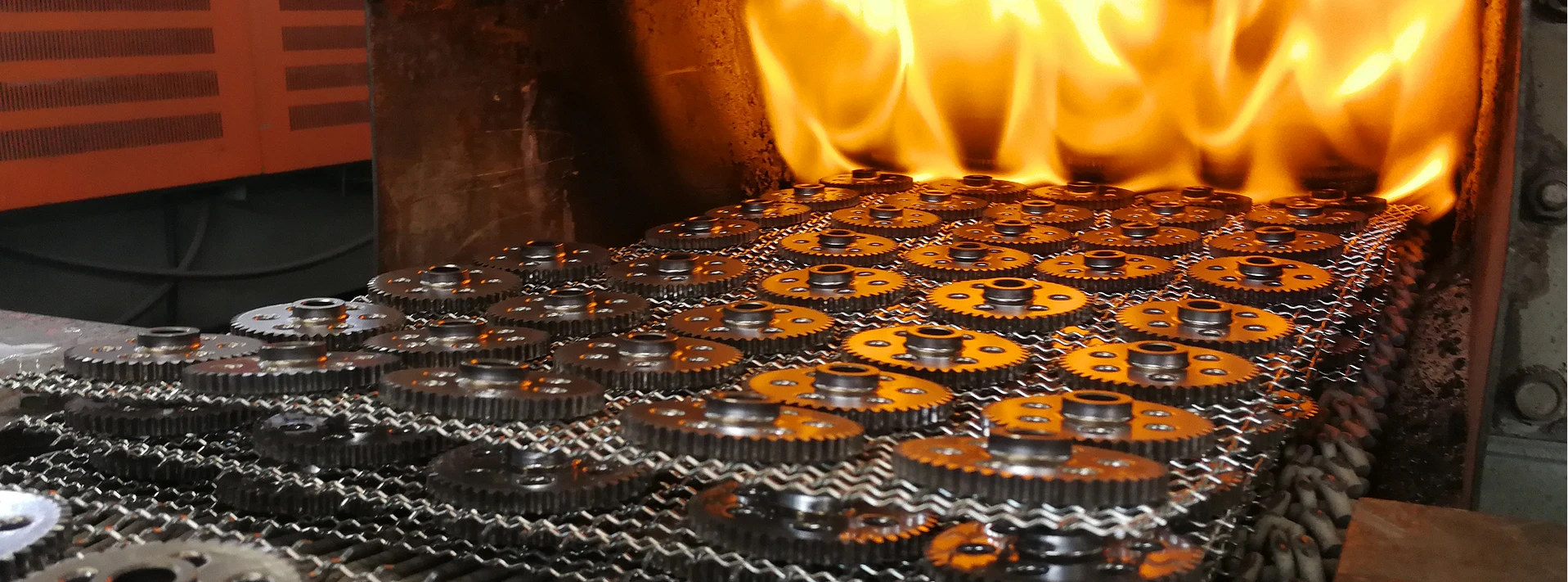
Understanding the Sun Gear: A Small Component with Global Impact
If you’re unfamiliar with the mechanical intricacies of machinery, “sun gear” might sound poetic, maybe celestial, but it’s actually a tiny powerhouse behind so many machines we rely on daily. From the transmission systems in cars to complex industrial robotics, the sun gear quietly drives momentum in ways we seldom notice. And as industries worldwide lean into automation, sustainability, and precision manufacturing, this small part’s influence is expanding — making understanding it more essential than ever.
Globally, the demand for precision power transmission components, including sun gears, correlates tightly with manufacturing growth rates. According to the International Organization for Standardization (ISO), the global gear market is projected to exceed $15 billion by 2027, driven by sectors like automotive, aerospace, and renewable energy. As industries innovate, so do the expectations placed on parts like sun gears to deliver durability, efficiency, and compact performance.
So why does the sun gear matter? Because it’s critical to planetary gear systems that save space, improve torque distribution, and reduce mechanical complexity. More practically, a well-designed sun gear means smoother rides in electric cars, better wind turbine efficiency, and robotic arms that handle delicate manufacturing tasks with poise.
Mini takeaway: The sun gear is a small mechanical giant underpinning global industrial growth, especially as precision and efficiency take center stage.
What Is a Sun Gear, and Why Should You Care?
Let’s get to basics. A sun gear is the central gear in a planetary gear system, often surrounded by planet gears and an outer ring gear. Imagine the sun at the center with planets revolving around—that’s exactly the arrangement in a planetary gear set. The sun gear transfers power to the planet gears, which in turn rotate the ring gear or the output shaft.
In mechanical and industrial contexts, this setup means remarkable compactness and torque management. For example, in automotive transmissions, sun gears help change gear ratios smoothly without bulky mechanisms. In humanitarian tech—say, portable energy solutions or emergency vehicles—the reliability of these gear systems can be a literal lifesaver.
Core Components & Factors Affecting Sun Gear Performance
1. Durability and Material Composition
The sun gear’s durability hinges heavily on materials, commonly hardened steel alloys or sometimes advanced composites for lighter builds. Heat treatment can dramatically boost lifespan by minimizing wear and tear from constant meshing with planet gears.
2. Precision & Tolerance
Precision machining ensures the teeth of the sun gear align perfectly with planet gears, reducing friction and noise. Even small deviations can lead to vibrations and early failure, so manufacturers use CNC machining and coordinate measuring machines for quality control.
3. Size and Scalability
The sun gear's size often dictates the overall compactness of the gear system. Smaller gears allow tighter packaging in automotive or aerospace applications but require advanced materials and manufacturing techniques to maintain strength.
4. Efficiency & Energy Loss
Working as part of planetary gear trains, sun gears contribute to high gear ratios with minimal efficiency loss. Reducing friction and optimizing tooth geometry also help lower power waste, which is essential for electric vehicles and renewable energy devices.
5. Cost Considerations
While high-grade materials and precision manufacturing create upfront cost, the long-term reliability and reduced maintenance make sun gears cost-effective in the bigger picture.
Mini takeaway: Durable materials, precision manufacturing, and smart design define the success of sun gears across diverse industries.
Worldwide Applications of Sun Gears
When I think about the versatility of sun gears, a few industries and regions jump out immediately.
- Automotive: Sun gears are essential in modern automatic transmissions worldwide—from Detroit’s assembly lines to factories in Germany and Japan.
- Renewable Energy: Wind turbines rely on planetary gearboxes with sun gears for efficient energy conversion. Countries like Denmark and China have led installations where precision gear technology is paramount.
- Industrial Robotics: Factories in South Korea and the USA employ sun gear-based transmissions in robotic arms that require exact torque and repeatability.
- Heavy Machinery: Construction and mining equipment in emerging markets benefit from robust sun gears designed to withstand harsh conditions.
In post-disaster situations, mobile cranes or emergency rescue vehicles with planetary gear systems ensure that the mechanical parts don’t fail when you most need them. One customer story tells of a mining operation in Australia relying on upgraded sun gears during a remote equipment overhaul, which extended downtime by months rather than weeks — a huge impact.
How Sun Gears Deliver Long-Term Value
There’s a lot of buzz about new technologies, but sun gears have quietly cemented themselves as trusted components for decades. Why?
- Reliability: When gear teeth are precisely engineered, you get smooth operations that last, reducing the chance of sudden mechanical failure.
- Cost Efficiency: Investing initially in quality sun gears means less maintenance, fewer replacements, and lower downtime—saving money and headache.
- Sustainability: Longer-lasting components contribute less to waste and resource depletion, important as manufacturers adopt greener practices.
- Safety & Trust: For machines that move people or heavy loads, dependable gear performance can mean the difference between safe operation and disaster.
It feels a bit like the unsung hero scenario—sun gears quietly supporting trust and innovation beneath the hood.
A Closer Look: Typical Sun Gear Specification Table
| Specification | Value / Range | Notes |
|---|---|---|
| Material | Hardened Alloy Steel | Heat-treated for strength and wear resistance |
| Module (tooth size) | 1.5–5 mm | Depends on application scale |
| Number of Teeth | 15–50 | Defines gear ratio, size impact |
| Hardness (HRC) | 58–62 | Ensures long wear resistance |
| Operating Temp | -40°C to 120°C | Covers most industrial conditions |
Comparing Top Sun Gear Vendors
| Vendor | Material Options | Lead Time | Customization | Price Range |
|---|---|---|---|---|
| GearTech Industries | Steel Alloy, Composite | 4–6 weeks | High (custom tooth profiles) | $$$ |
| SunSpin Gears | Hardened Steel only | 2–3 weeks | Medium | $$ |
| Precision Planetary | Steel Alloy, Titanium | 5–7 weeks | High | $$$$ |
Emerging Trends and Innovations Shaping the Future of Sun Gears
Looking further down the road, the planetary gear tech—sun gears included—is evolving quickly. Here’s what I’m noticing:
- Lightweight Materials: Carbon-fiber composites and titanium alloys are reducing weight without sacrificing strength — particularly important in aeronautics and EVs.
- Advanced Surface Coatings: Nano-ceramic and diamond-like carbon coatings promise ultra-low friction and longer service life.
- Smart Manufacturing: Additive manufacturing and AI-driven machining optimize tooth profiles for better noise reduction and efficiency.
- Greener Production: Manufacturers adopt energy-efficient methods that lower carbon footprints during sun gear fabrication.
Overcoming Challenges in Sun Gear Implementation
Of course, no tech is perfect. Challenges persist, such as:
- Material Costs: Exotic alloys can be pricey, affecting cost-effectiveness for some industries.
- Manufacturing Precision Limits: Scaling production while maintaining micron-level tolerances is demanding.
- Wear and Fatigue: Tough operating environments still wear out gears over time, especially under high loads.
To meet these, many engineers now combine enhanced heat treatments, predictive maintenance using IoT sensors, and modular designs that allow quick swaps without full disassembly. The right partnerships and investment in testing can transform these challenges from dead ends into opportunities.
Frequently Asked Questions About Sun Gears
Q1: How do sun gears differ from regular gears?
A: Unlike standalone gears, sun gears form the centerpiece of planetary systems, interacting simultaneously with multiple planet gears for compact, efficient torque transmission. This configuration offers higher torque density compared to traditional setups.
Q2: What materials make the best sun gears?
A: Hardened alloy steels are the go-to for strength and durability, but newer composites and titanium alloys are gaining traction for weight reduction in high-tech fields like aerospace.
Q3: Can sun gears be customized for specific applications?
A: Absolutely. Factors like tooth profile, size, surface treatment, and material can be tailored to fit everything from tiny robotics parts to heavy industrial machinery.
Q4: How do I ensure my sun gear will last in harsh environments?
A: Opt for gears with high hardness ratings, specialized coatings to resist corrosion and wear, plus rigorous testing for environmental tolerance. Consulting with gear manufacturers about operating conditions helps fine-tune specs.
Q5: Where can I find reliable sun gear suppliers?
A: Established vendors like GearTech Industries and SunSpin Gears offer varying levels of customization and lead times—depending on your project, you can select between quick turnaround or high-end specialty production.
Wrapping Up: Why Sun Gears Still Matter in a High-Tech World
In the grand scheme of industrial evolution, the humble sun gear seems like a footnote. But it’s the unsung hero powering advancements in automotive tech, renewable energy, and precise manufacturing worldwide. Investing time to understand its mechanics and applications pays dividends in reliability, efficiency, and long-term cost savings.
For companies and engineers wanting to tap into that value, connecting with proven suppliers and integrating smart materials is critical. And if you want to explore how quality sun gears can transform your projects, visit our website to dive deeper.
References:









