




What Is Rack Pinion and Why Should You Care?
At first glance, “rack pinion” might sound like niche mechanical jargon, but these components quietly power industries around the globe — from automotive steering to precision robotics. Understanding what rack pinion systems are, and why they matter, unlocks a deeper appreciation for countless machines that move our world every day. The key benefits? Precision motion control, durability, and adaptability in complex environments. Whether it’s manufacturing plants in Germany or remote mining operations in Australia, rack pinions serve as the heartbeat of linear motion systems.
The Global Relevance of Rack Pinion Technology
Globally, industries dependent on mechanical motion control are growing steadily. For instance, the International Organization for Standardization (ISO) notes that mechanized manufacturing sectors have increased output by 5% annually over the past decade. Within this landscape, rack pinion mechanisms provide the reliable, repeatable, and scalable solution to convert rotary motion into linear motion — a basic but critical mechanical step in everything from robotics arms to heavy machinery.
But here’s the kicker: many industries face operational downtime due to inefficient or failed mechanical components. Rack pinions help reduce these risks through their robustness and cost-effective maintenance cycles. In other words, the rack pinion mechanism isn’t just a gear-and-rack pairing — it’s a small cog behind big productivity gains worldwide.
Mini takeaway:
- Rack pinion systems are foundational in many global industries with growing demand.
- Reliability and cost efficiency make them essential in reducing mechanical downtime.
- Understanding this mechanism helps better appreciate the hardware behind modern infrastructure.
Defining Rack Pinion: What It Is and How It Works
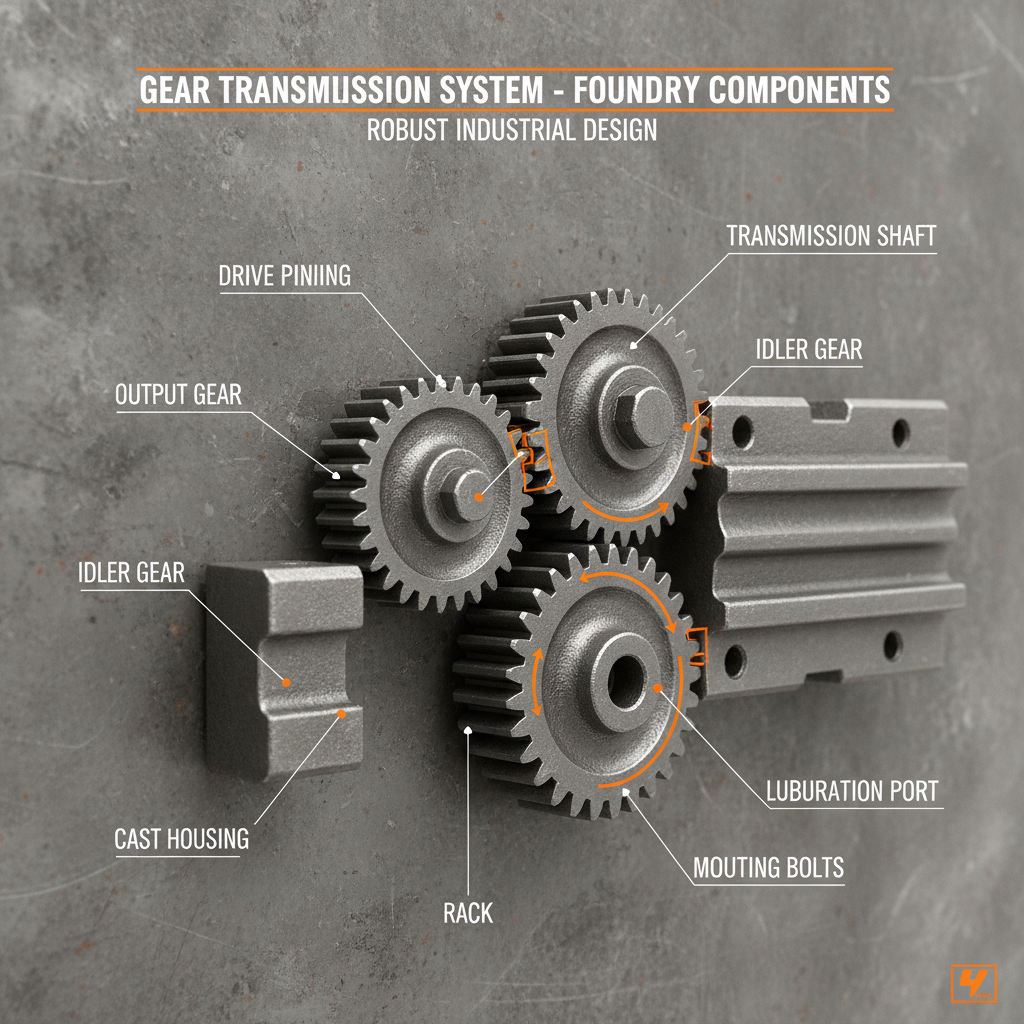
Simply put, a rack pinion is a type of gearset where a circular gear (the pinion) meshes with a flat, toothed component (the rack). When the pinion rotates, it moves the rack linearly — kind of like how a car’s steering wheel turns the wheels. This conversion of rotational motion to straight-line movement lends precision and control to systems where exact positioning matters.
In modern contexts, this mechanism isn’t just mechanical hipster trivia. It plays a vital role in industries like material handling, automotive steering, and automated manufacturing lines. Without it, many humanitarian and industrial machines wouldn’t function as reliably — for example, lift systems used in disaster relief need exact control to safely evacuate people or materials without risk.
Mini takeaway:
- Rack pinion systems turn rotational motion into linear movement through gear interaction.
- This simple mechanical principle has vast implications for precision in manufacturing and safety equipment.
Core Components and Key Factors in Rack Pinion Systems
Durability: Built to Last
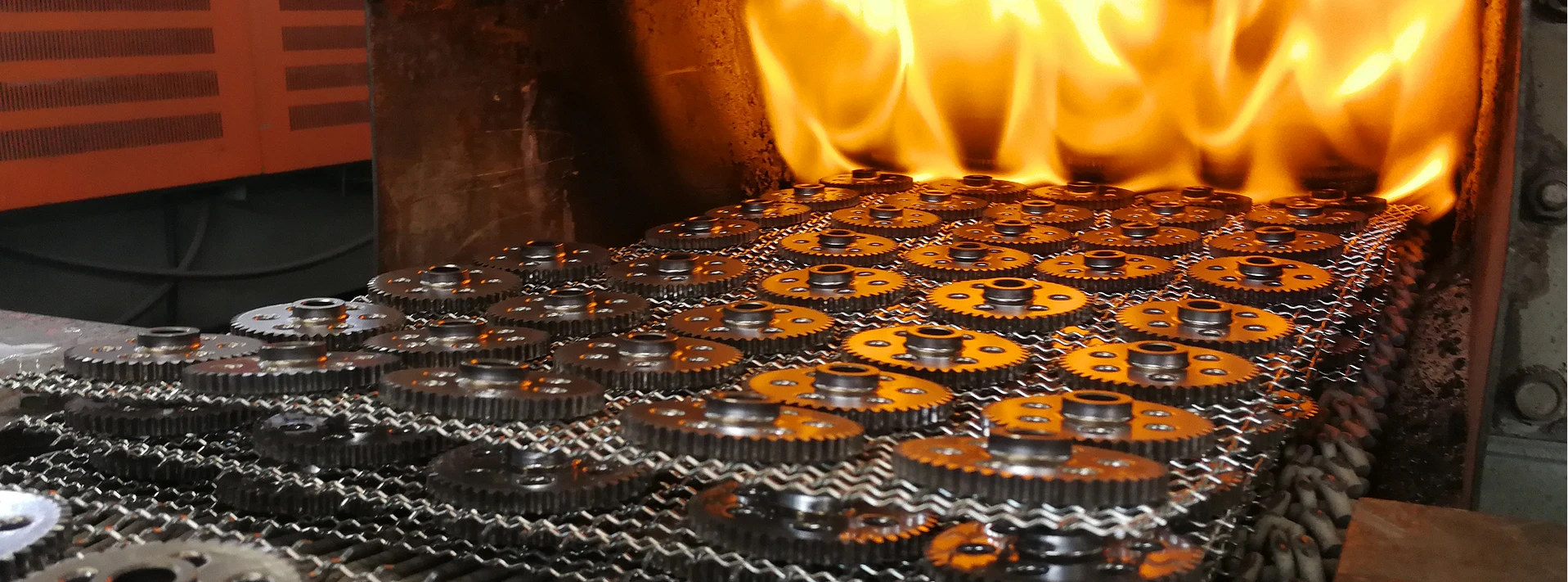
Materials matter, and many rack pinions are crafted from hardened steel or composites designed to resist wear and corrosion. This extends operational lifespan and minimizes unexpected failures. Engineers often look for surface treatments like carburizing or nitriding — these aren’t just fancy words; they mean the gear teeth can take a lot of abuse before faltering.
Accuracy and Precision
The tooth profile and machining quality dictate how smoothly the pinion engages the rack. High-precision gearing reduces backlash (the slight “play” between teeth), which is crucial in CNC machines or robotic arms where millimeter-level accuracy is required.
Load Capacity
Depending on the application, rack pinions must handle different force loads. For heavy industrial cranes, these gears withstand tons of force, while in smaller conveyance systems, the load is much lighter but still demands fine control.
Ease of Installation and Maintenance
Many modern designs emphasize modularity, allowing quick replacement or adjustment onsite — a huge perk for industries operating 24/7. It’s much easier when downtime is measured in minutes, not days.
Cost Efficiency
Balancing material costs and performance is ever-present on engineers’ minds. While exotic materials might offer extreme durability, most operations benefit from off-the-shelf solutions offering a sweet spot between cost and reliability.
Mini takeaway:
- Durability through material choice is critical for long-term functionality.
- Precision gearing ensures performance consistency in automated systems.
- User-friendly design impacts overall operational efficiency.
Where Does Rack Pinion Technology Come Into Play?
Rack pinion systems shine in a variety of industries and locations, often quietly facilitating core work. A few standout examples:
- Automotive Steering: Nearly every passenger vehicle uses this system to convert steering wheel rotation into tire angle adjustments.
- Material Handling: Warehouses employ rack pinion lifts to move goods vertically and horizontally with precise control.
- Construction and Mining: Heavy machinery leverages robust rack pinions to operate cranes, excavators, and track adjustment systems under harsh conditions.
- Disaster Relief Operations: In unstable terrains, rapid deployment shelters use mechanical lifts powered by rack pinions to quickly erect and stabilize structures.
Regions such as North America, the EU, and increasingly Southeast Asia rely heavily on these components for manufacturing automation and infrastructure projects. Oddly enough, even remote industrial zones in parts of Africa benefit from this technology when imported machinery depends on precise mechanical parts.
Mini takeaway:
- Rack pinion technology is a global workhorse in steering, lifting, and automation.
- Its flexibility spans extreme environments from urban factories to disaster-stricken areas.
Advantages and Long-Term Value of Rack Pinion Systems
Choosing rack pinions isn’t just a transaction; it imbues machinery with trusted reliability for years to come. As many field engineers note, the system minimizes unexpected downtime, saves on maintenance costs, and often “just works” under pressure.
From a social and emotional standpoint, this reliability translates to safety — whether it’s a crane holding heavy loads without slip, or a robotic arm soldering delicate electronics. The trust these components build can drive innovation, empower workers, and maintain dignity in critical operations.
Product Specification Table
| Specification | Rack Pinion Model A | Model B | Model C |
|---|---|---|---|
| Material | Hardened Steel | Alloy Steel | Composite Polymer |
| Max Load Capacity | 1500 kgf | 1200 kgf | 800 kgf |
| Precision (Backlash) | 0.05 mm | 0.1 mm | 0.15 mm |
| Surface Treatment | Carburizing | Nitriding | None |
| Typical Applications | Heavy Machinery | Automotive | Light Robotics |
Emerging Innovations and Future Trends
Tech is marching on, and rack pinions are not exempt. Engineers now experiment with composite materials that are lighter without sacrificing strength, and designing systems with integrated sensors to monitor wear in real time. The rise of rack pinion automation integrates digital controls, making these components smart and predictive.
Green energy applications are also ripe for innovation. Solar tracking systems, for example, use rack-and-pinion drives to precisely move panels throughout the day, maximizing efficiency while reducing mechanical losses.
Challenges and How Experts Are Addressing Them
Of course, no mechanical system is perfect. Common issues with rack pinions include wear over time, backlash, and susceptibility to environmental contamination like dirt or moisture — all of which can degrade performance.
But solutions are well underway: protective coatings that resist corrosion, improved sealing on gears, and even additive manufacturing allowing for customized tooth profiles tailored to specific load conditions. Manufacturers emphasize preventative maintenance programs and remote sensors to spot problems before they escalate.
Vendor Comparison Table
| Vendor | Product Range | Customization Options | Global Shipping | Warranty |
|---|---|---|---|---|
| JSS Sintering | Standard & Custom rack pinions | High (materials & sizes tailored) | Yes (worldwide) | 2 years |
| GearWorks Inc. | Focus on automotive rack pinions | Medium (limited sizes) | Europe and North America | 1 year |
| MechPro Ltd. | Industrial heavy-duty gears | Low (standard specs only) | Asia-Pacific focused | 3 years |
FAQ: Common Questions About Rack Pinion Systems
Q1: How do I know which rack pinion material is right for my application?
The choice depends on load capacity, environmental conditions, and precision needs. Hardened steel suits heavy loads and outdoor use, while composites are lighter and useful for low-load, high-speed applications. Always consider factors like corrosion resistance and expected wear rate.
Q2: Are rack pinion systems difficult to maintain?
Not necessarily. Regular lubrication, cleaning, and inspections go a long way. Modern designs focus on easy installation and modular replacement, so downtime is minimal compared with older gear systems.
Q3: Can rack pinion components be customized for unusual specifications?
Yes! Many manufacturers, like rack pinion providers, offer customization of gear tooth profiles, materials, and sizes to suit unique industrial requirements.
Q4: What industries are adopting smart rack pinion systems?
Manufacturing automation, green energy tracking systems, and robotics companies are increasingly integrating sensors with rack pinion units to enable predictive maintenance and improve overall system reliability.
Conclusion: Why Rack Pinion Matters Long-Term
So, while it might seem like a tiny mechanical piece, rack pinions are anything but insignificant. They offer a dependable, adaptable solution essential for the smooth functioning of machinery that powers the modern world. Investing in quality rack pinion components means fewer breakdowns, better safety, and ultimately, cost savings — a trifecta that's hard to ignore.
If you're looking to explore high-quality and customized rack pinion options, don’t hesitate to visit our trusted partner’s website: JSS Sintering.