






Understanding Gearbox Planetary Gear Systems
Planetary gearboxes are a crucial component in a wide array of industrial applications, known for their compact size, high torque density, and efficiency. They are particularly favored in scenarios demanding precise power transmission and robust performance. This article will delve into the intricacies of gearbox planetary gear systems, exploring their working principles, advantages, applications, and key considerations for selection. Understanding these systems is paramount for engineers and professionals involved in machinery design and operation.
How Planetary Gearboxes Work
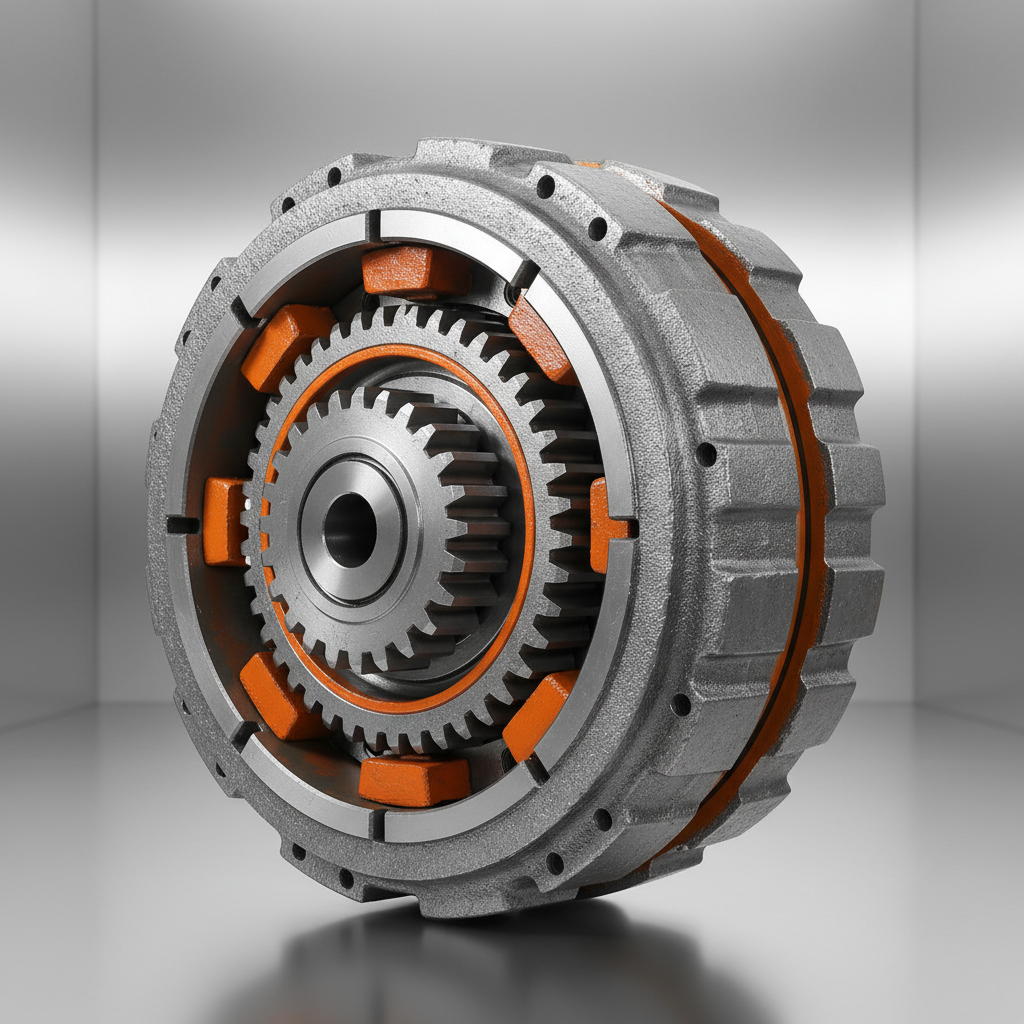
A planetary gearbox consists of a central 'sun' gear, several 'planet' gears that revolve around the sun gear, and an outer 'ring' gear encompassing the planet gears. The planet gears are mounted on a carrier, which rotates. Power is typically input to either the sun gear, ring gear, or carrier, resulting in output from one of the other components. The gear ratio is determined by the number of teeth on each gear, offering flexibility in achieving desired speed reduction or torque multiplication. This configuration allows for high torque transmission within a relatively small volume. The planetary gear design distributes the load evenly across multiple planet gears, increasing the overall capacity and lifespan.
Key Benefits: High torque density, compact size, efficient power transmission, and even load distribution.
Applications of Planetary Gearboxes
The versatility of planetary gearboxes makes them ideal for a wide range of applications. They are commonly found in robotics, where precise and powerful motion control is essential. In wind turbines, they step up the relatively slow rotational speed of the blades to the higher speed required by the generator. They are also used extensively in automotive transmissions, providing efficient gear shifting and torque delivery. Other applications include conveyor systems, mixers, and agricultural machinery. The high efficiency and reliability of gearbox planetary gear units make them a preferred choice across diverse industries.
Common Applications:
• Robotics
• Wind Turbines
• Automotive Transmissions
• Conveyor Systems
Planetary Gearbox vs. Traditional Gearbox: A Comparison
Compared to traditional parallel-axis gearboxes, planetary gearboxes offer several advantages. Their compact design allows for a higher power-to-weight ratio. They exhibit higher efficiency due to the even load distribution among the planet gears. Furthermore, they can handle higher torque levels for a given size. However, traditional gearboxes are often simpler to manufacture and may be more cost-effective for lower-torque applications. Choosing between the two depends on the specific requirements of the application. Planetary gearboxes excel where space, weight, and efficiency are critical.
Key Considerations When Selecting a Planetary Gearbox
Choosing the right planetary gearbox requires careful consideration of several factors. The required torque and speed ratio are paramount. The operating environment, including temperature, load type, and potential contaminants, must also be assessed. The gearbox’s materials and lubrication system should be compatible with these conditions. Finally, consider the gearbox’s mounting configuration and overall size constraints. JSS Intering offers a wide range of planetary gearboxes tailored to various applications, ensuring optimal performance and reliability.
Future Trends in Planetary Gearbox Technology
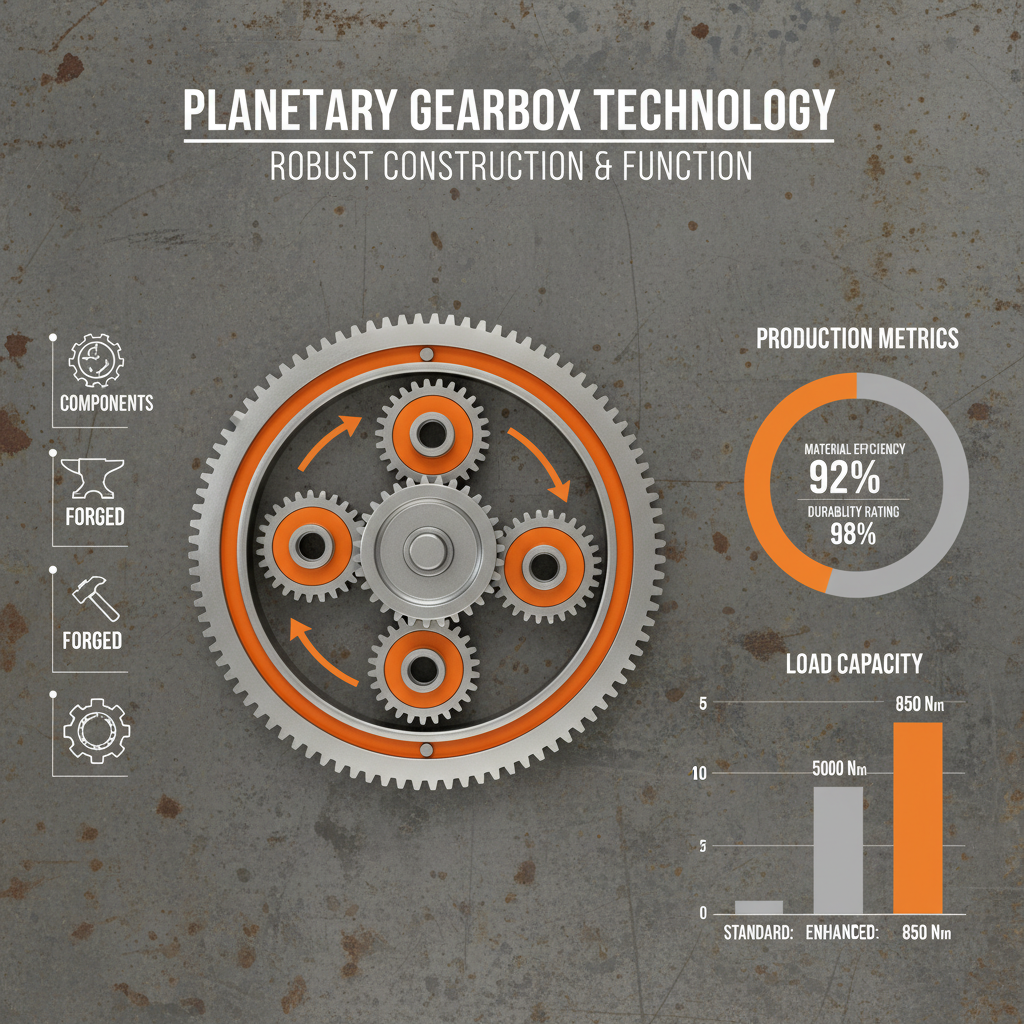
Ongoing research and development are focused on improving the efficiency, durability, and functionality of planetary gearboxes. Advances in materials science are leading to the use of lighter and stronger materials, such as composite polymers and advanced alloys. New lubrication systems are being developed to reduce friction and wear. Furthermore, integration with sensor technologies and smart controls is enabling predictive maintenance and optimized performance. These innovations will continue to expand the applications of planetary gearboxes in the years to come.
Conclusion: The Power of Planetary Gears
Planetary gearboxes are essential components in modern machinery, providing a compact, efficient, and reliable solution for power transmission. Their versatility and adaptability make them suitable for a vast array of applications. By understanding their principles and key considerations, engineers and professionals can effectively leverage their capabilities to optimize performance and enhance system reliability.
Frequently Asked Questions (FAQs)
What is the typical efficiency of a planetary gearbox?
Planetary gearboxes are known for their high efficiency, typically ranging from 95% to 98% per stage. This high efficiency is due to the even distribution of load across multiple planet gears, minimizing energy loss from friction and wear. However, the overall efficiency of a multi-stage gearbox will be the product of the efficiency of each individual stage. Careful selection of materials, lubrication, and gear geometry further optimizes efficiency.
What factors affect the lifespan of a planetary gearbox?
Several factors influence the lifespan of a planetary gearbox. Proper lubrication is crucial to reduce friction and wear. Operating conditions, such as temperature, load, and shock loads, also play a significant role. Overloading the gearbox or subjecting it to excessive vibration can accelerate wear and failure. Regular maintenance, including lubrication checks and visual inspections, is essential to prolong its lifespan. Selecting a gearbox with appropriate materials and design for the intended application is also critical.
How do I select the correct gear ratio for my application?
Selecting the correct gear ratio involves understanding the input and output speed and torque requirements of your application. The gear ratio is calculated by dividing the input speed by the output speed. A higher gear ratio results in a greater torque multiplication but a lower output speed, and vice versa. Consider the desired operating speed, the load characteristics, and the motor's capabilities when determining the appropriate gear ratio. You can find assistance and selection guides on JSS Intering's website.
What are the advantages of using a planetary gearbox in a robotic arm?
Planetary gearboxes are ideally suited for robotic arms due to their high torque density, compact size, and precision. They provide the necessary power to move the arm segments and maintain accurate positioning. Their ability to handle shock loads and their low backlash characteristics contribute to smooth and reliable operation. The compact design minimizes the overall size and weight of the robotic arm, enhancing its maneuverability and efficiency.









