Understanding Lifting Gear: A Comprehensive Guide
Lifting gear is essential for safely moving heavy loads across a wide range of industries, from construction and manufacturing to shipping and logistics. Choosing the right equipment is crucial for preventing accidents and maximizing efficiency. This article will provide a detailed overview of different types of lifting gear, safety considerations, and how to select the best solutions for your specific needs. At JS Sintering, we specialize in providing high-quality, reliable lifting gear solutions tailored to your unique requirements. Understanding the nuances of lifting gear can dramatically improve workplace safety and productivity.
Types of Lifting Gear
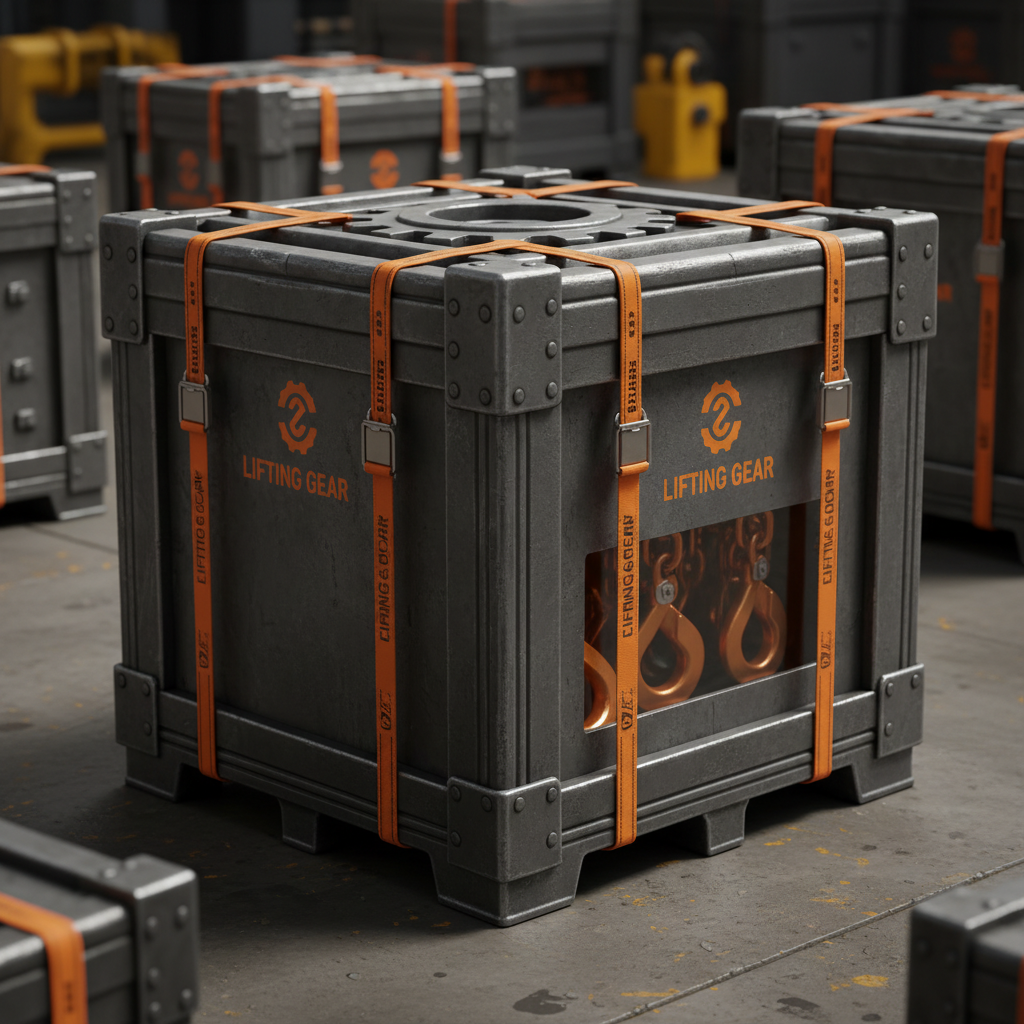
The world of lifting gear is diverse, encompassing various tools and equipment designed for different lifting tasks. Common types include: hoists (manual and electric), cranes (overhead, gantry, and mobile), slings (wire rope, chain, synthetic), shackles, eyebolts, and lifting beams. Each type has its strengths and weaknesses, making it suitable for different applications. Hoists are ideal for vertical lifting, while cranes provide greater reach and maneuverability. Slings are used to secure the load, and shackles/eyebolts provide connection points. Selecting the appropriate gear is crucial for safe and efficient lifting operations.
Key Considerations: Choosing the right lifting gear depends on load weight, lift height, available space, and the specific lifting application. Always prioritize safety and adhere to industry regulations.
Safety Considerations When Using Lifting Gear
Safety is paramount when working with lifting gear. Before each use, thoroughly inspect all equipment for signs of wear, damage, or defects. Never exceed the rated load capacity of any lifting device. Ensure that loads are properly balanced and secured before lifting. Train personnel on the correct procedures for operating and inspecting lifting gear. Implement a regular inspection and maintenance program to identify and address potential issues proactively. Adherence to OSHA regulations and industry best practices is essential for preventing accidents.
Essential Safety Practices:
• Regular equipment inspection
• Adherence to load capacity limits
• Proper load balancing and securing
• Comprehensive personnel training
Choosing the Right Lifting Gear for Your Application
Selecting the appropriate lifting gear depends on several factors, including the weight and size of the load, the lifting height, the available space, and the environment in which the lifting will take place. For example, a compact hoist might be suitable for lifting smaller loads in a confined space, while a larger crane may be required for heavier loads and greater reach. Consider the frequency of use and the durability requirements when making your selection. At JS Sintering, our team of experts can help you assess your needs and recommend the best lifting gear solutions for your specific application.
The Importance of Regular Inspection and Maintenance
Regular inspection and maintenance are crucial for ensuring the longevity and safety of your lifting gear. Establish a documented inspection schedule and train personnel to identify potential issues such as wear, corrosion, or damage. Lubricate moving parts as needed and replace worn components promptly. Keep detailed records of all inspections and maintenance activities. Proper maintenance can prevent costly repairs, extend the lifespan of your equipment, and, most importantly, protect your workers from injury.
Partner with JS Sintering for Reliable Lifting Gear Solutions
At JS Sintering, we are committed to providing high-quality lifting gear and exceptional customer service. We offer a comprehensive range of products to meet your specific needs, backed by our expertise and dedication to safety. Contact us today to discuss your lifting requirements and let us help you find the perfect solution for your business.
Conclusion: Investing in Quality Lifting Gear
Choosing the right lifting gear is an investment in safety, efficiency, and productivity. Prioritizing quality, regular maintenance, and adherence to safety regulations will ensure a secure and reliable lifting operation. JS Sintering is your trusted partner for all your lifting gear needs.
Frequently Asked Questions (FAQs)
What is the Working Load Limit (WLL) and why is it important?
The Working Load Limit (WLL) is the maximum load that a lifting device is designed to carry safely. It's crucial to never exceed the WLL, as doing so can lead to equipment failure and serious accidents. The WLL is clearly marked on all certified lifting gear. Understanding and respecting the WLL is fundamental to safe lifting practices. It’s vital to factor in not only the weight of the item being lifted but also the weight of any slings or attachments used. Regularly check the WLL markings to ensure they haven’t been obscured or damaged.
How often should lifting gear be inspected?
Lifting gear should be inspected regularly, with the frequency depending on the type of equipment and its usage. A visual inspection should be conducted before each use to identify any obvious damage. Formal, documented inspections should be performed at least annually, or more frequently for high-use equipment. These inspections should be carried out by a qualified and competent person. The inspection records should be maintained for future reference and audit purposes.
What are the different types of slings and when should each be used?
There are several types of slings, each with its own advantages and disadvantages. Wire rope slings are strong and durable but can be heavy and prone to kinking. Chain slings are also very strong and resistant to abrasion but can be equally heavy. Synthetic slings (nylon, polyester, or Dyneema) are lightweight and flexible but may be more susceptible to damage from sharp edges or chemicals. The choice of sling depends on the load's weight, shape, and the working environment. Consider the load’s sensitivity to marking and the need for flexibility when selecting a sling.