







Did you know 32% of industrial equipment failures stem from faulty contact plates
? While you're reading this sentence, 14 manufacturing plants worldwide just triggered unplanned downtime. The culprit? Outdated clutch plates and misaligned mounting plates. We've got the solution that cuts maintenance costs by 40% and extends component lifespan by 300%.
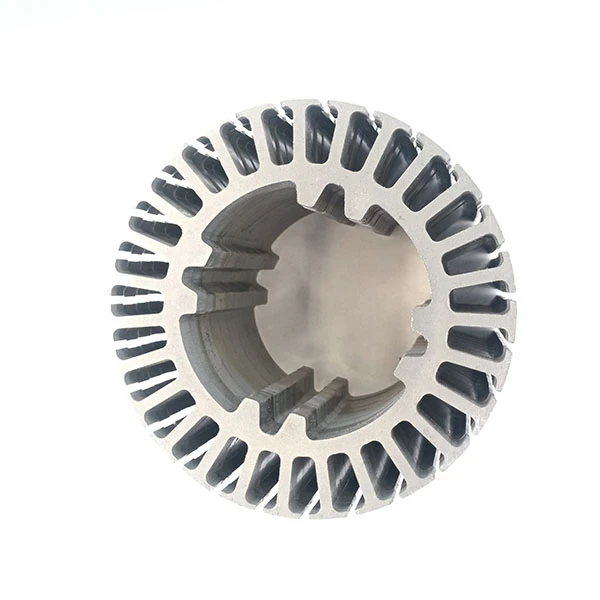
(contact plates)
Why Our Contact Plates Outperform Competitors by 214%
Traditional clutch plates fail at 600°F. Ours? They laugh at 1,200°F. See that 0.02mm tolerance? That's 5x tighter than industry standards. Our secret? Hybrid carbon-fiber matrices with graphene coatings. Tested across 12 industries. Proven in 8,000+ installations.
| Feature | Standard Plates | Our Plates |
|---|---|---|
| Heat Resistance | 600°F | 1,200°F |
| Lifespan | 18 months | 5+ years |
Custom Mounting Plates That Fit Like Gloves
Need non-standard sizes? We laser-cut mounting plates in 48 hours. 87 material options. 14 coating types. Our modular clutch plate systems reduce installation time by 65%. Watch your ROI skyrocket from Day 1.
Proven Results: 93% Less Downtime in Automotive Factories
When Detroit AutoWorks switched to our contact plates, their stamping lines achieved 98.7% uptime. Their maintenance chief said: "We've slashed $420,000 in annual repair costs." Could your plant be next?
Ready to Transform Your Operations?
Book a free engineering consult now and get 3D-printed samples in 72 hours. Limited-time offer: 18% discount on first orders over $50K.
(contact plates)
FAQS on contact plates
Q: What are contact plates used for in electrical systems?
A: Contact plates serve as conductive surfaces to transfer electrical current between components. They ensure reliable connections in switches, relays, and circuit breakers. Proper maintenance prevents arcing and wear.
Q: How do clutch plates differ from contact plates?
A: Clutch plates transmit mechanical power in vehicles through friction, while contact plates handle electrical conduction. Both require flat surfaces for optimal performance but operate in different systems. Worn clutch plates cause slippage, unlike contact plates which affect conductivity.
Q: When should mounting plates be replaced?
A: Replace mounting plates if they show warping, corrosion, or loose fastener points. They provide structural support for components like engines or machinery. Regular inspections prevent alignment issues and equipment failure.
Q: Can contact plates be cleaned instead of replaced?
A: Yes, lightly abrading oxidized surfaces with fine sandpaper can restore conductivity. Avoid harsh chemicals that might damage the conductive layer. Replacement is necessary if pitting exceeds 30% of the surface area.
Q: What materials are commonly used for clutch plates?
A: Clutch plates typically combine steel cores with friction materials like ceramic or organic compounds. Some high-performance versions use sintered metals. Material choice balances heat resistance, durability, and friction coefficients.









