







Understanding Pinion Gears: Design, Applications, and Manufacturing
Pinion gears are fundamental components in mechanical systems, converting rotational motion and torque. Their compact size and high precision make them essential in a vast array of applications, from automotive transmissions to precision instruments. This article delves into the intricacies of pinion gear design, materials, manufacturing processes, and the crucial role they play in various industries. Choosing the right pinion gear is paramount for optimal performance and longevity of the overall system.
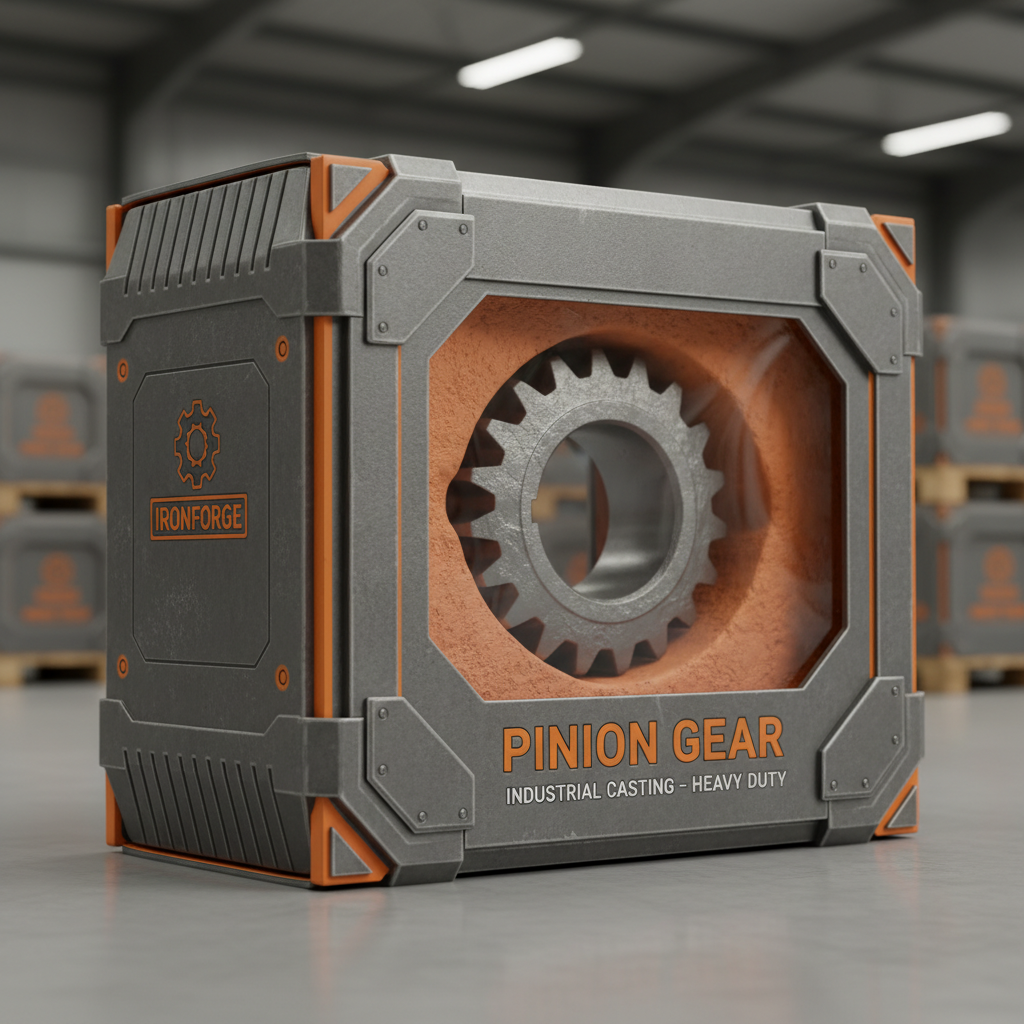
What is a Pinion Gear and How Does it Work?
A pinion gear is a cylindrical gear, typically small in size, designed to mesh with a larger gear, often a rack or another larger spur gear. Its primary function is to transmit rotational force to drive the larger gear, converting the movement into linear motion (when meshed with a rack) or modifying speed and torque. The number of teeth on the pinion gear directly affects the gear ratio, impacting the speed and torque output of the system. A smaller pinion gear will result in a higher gear ratio, increasing torque but decreasing speed, and vice versa. Accurate tooth geometry and material selection are critical for efficient power transmission and minimizing wear.
Key Characteristics: Pinion gears are commonly made of steel, brass, or plastic, with hardened teeth for increased durability. They are characterized by their small diameter and precise tooth profiles.
Materials Used in Pinion Gear Manufacturing
The choice of material significantly influences the performance and lifespan of a pinion gear. Common materials include:
- Steel: Offers high strength, durability, and wear resistance, making it ideal for high-torque applications.
- Brass: Provides good machinability and corrosion resistance, suitable for lower-torque applications.
- Plastic (Nylon, Delrin): Lightweight, quiet operation, and cost-effective, commonly used in consumer products and low-load applications.
- Powdered Metal Alloys: Offers a balance of strength, precision, and cost-effectiveness, increasingly popular for complex geometries. JS Sintering specializes in precision powdered metal components.
Pinion Gear Design Considerations
Effective pinion gear design requires careful consideration of several factors. These include the desired gear ratio, torque requirements, operating speed, and environmental conditions. Key design parameters include the number of teeth, module (tooth size), pressure angle, and helix angle (for helical gears). Precise tooth profiles are crucial for minimizing noise, vibration, and wear. Finite Element Analysis (FEA) is frequently used to optimize gear geometry and ensure structural integrity under load. Proper lubrication is also essential for reducing friction and extending gear life.
Important Design Factors: Tooth profile, pressure angle, module, material selection, and lubrication all contribute to optimal performance.
Manufacturing Processes for Pinion Gears
Several manufacturing processes are employed to create pinion gears, each with its own advantages and disadvantages:
| Process | Advantages | Disadvantages |
|---|---|---|
| Hobbing | High precision, suitable for large production volumes | High tooling costs |
| Milling | Versatile, suitable for small batches and complex geometries | Lower precision compared to hobbing |
| Powder Metallurgy (PM) | Cost-effective for complex shapes, net-shape capability, material efficiency | Lower strength compared to machined gears |
Applications of Pinion Gears
Pinion gears are found in a wide range of applications, including: JS Sintering provides precision gears to a variety of these sectors.
- Automotive Industry: Steering systems, transmissions, and differential gears.
- Robotics: Joint actuators and motion control systems.
- Aerospace: Actuation systems for control surfaces and landing gear.
- Industrial Machinery: Conveyor systems, pumps, and compressors.
- Precision Instruments: Clocks, watches, and measuring devices.
Conclusion: The Importance of Precision Pinion Gears
Pinion gears are critical components in countless mechanical systems. Understanding their design principles, material properties, and manufacturing processes is crucial for ensuring optimal performance, reliability, and longevity. Selecting the right pinion gear, and a reputable manufacturer like JS Sintering, is an investment in the success of your application.
Frequently Asked Questions (FAQs)
What is the difference between a spur gear and a pinion gear?
While both are cylindrical gears, a pinion gear is typically smaller and designed to mesh with a larger gear, often a rack or a spur gear. A spur gear, on the other hand, can mesh with another spur gear of similar size. The pinion gear is often used to initiate motion or change the direction of rotation, while spur gears are used for transmitting power between parallel shafts.
What factors affect the lifespan of a pinion gear?
Several factors can influence the lifespan of a pinion gear, including the material used, the quality of manufacturing, the load applied, operating speed, lubrication, and environmental conditions. Regular maintenance, proper lubrication, and avoiding excessive loads are crucial for maximizing gear life.
How is gear ratio calculated with a pinion gear?
Gear ratio is calculated by dividing the number of teeth on the driven gear (the larger gear) by the number of teeth on the pinion gear. For example, if a pinion gear has 20 teeth and meshes with a gear having 60 teeth, the gear ratio is 60/20 = 3:1. This means the driven gear will rotate three times slower but with three times the torque compared to the pinion gear.
Can pinion gears be used in reversible applications?
Yes, pinion gears can be used in reversible applications, meaning the direction of rotation can be reversed. However, the design and materials must be suitable for the dynamic loads and stresses associated with reversing direction. Considerations include the gear tooth profile, material strength, and the type of lubrication used.









