Understanding Gear Wheels: A Comprehensive Guide
Gear wheels, also known as gears, are fundamental components in countless mechanical systems. From simple clocks to complex industrial machinery, these toothed wheels transmit rotational force and motion. Choosing the right gear wheel is crucial for optimal performance and longevity of any mechanical device. This article delves into the types, materials, applications, and considerations for selecting gear wheels, providing a comprehensive overview for engineers, designers, and enthusiasts. Understanding the nuances of gear wheel technology ensures efficient and reliable power transmission.

Types of Gear Wheels
Gear wheels come in various types, each suited to specific applications. Spur gears are the most common, featuring straight teeth and operating parallel to the axis of rotation. Helical gears have angled teeth, providing smoother and quieter operation. Bevel gears transmit power between shafts intersecting at an angle, commonly found in differentials. Worm gears are used for high reduction ratios and self-locking applications. Rack and pinion gears convert rotational motion into linear motion. Selecting the appropriate gear type depends on factors like torque requirements, speed, and noise considerations.
Key Highlights: Understanding the differences between gear types is vital for efficient power transmission and optimizing mechanical designs.
Materials Used in Gear Wheel Manufacturing
The material used to manufacture a gear wheel significantly impacts its strength, durability, and performance. Steel is the most common choice, offering high strength and wear resistance. Stainless steel provides corrosion resistance, suitable for harsh environments. Brass and bronze are used for lower-load applications and offer good wear properties. Plastic gears, such as nylon and delrin, are lightweight, quiet, and cost-effective, but have lower load capacity. JS Sintering specializes in producing high-quality gear wheels using advanced materials.
Material Properties Comparison:
• Steel: High strength, wear resistance, good load capacity.
• Stainless Steel: Corrosion resistance, good strength.
• Brass/Bronze: Good wear properties, lower load capacity.
• Plastic: Lightweight, quiet, cost-effective, low load capacity.
Gear Wheel Applications Across Industries
Gear wheels are ubiquitous, finding applications in diverse industries. They're essential in automotive systems, including transmissions and differentials. Industrial machinery relies heavily on gears for power transmission in pumps, compressors, and conveyors. Robotics and automation utilize precision gears for accurate movement control. Aerospace applications demand high-strength, lightweight gears for aircraft engines and control systems. From consumer electronics to heavy-duty equipment, gear wheels are critical components in countless devices.
Factors to Consider When Selecting Gear Wheels
Choosing the right gear wheel requires careful consideration of several factors. Torque requirements dictate the gear's size and material. Speed ratios determine the number of teeth and gear type. Load capacity ensures the gear can withstand the applied forces. Operating environment influences material selection (e.g., corrosion resistance). Noise levels impact gear type (e.g., helical gears are quieter). Furthermore, the precision of the gear manufacturing process is critical for smooth and efficient operation.
Advanced Manufacturing Techniques for Gear Wheels
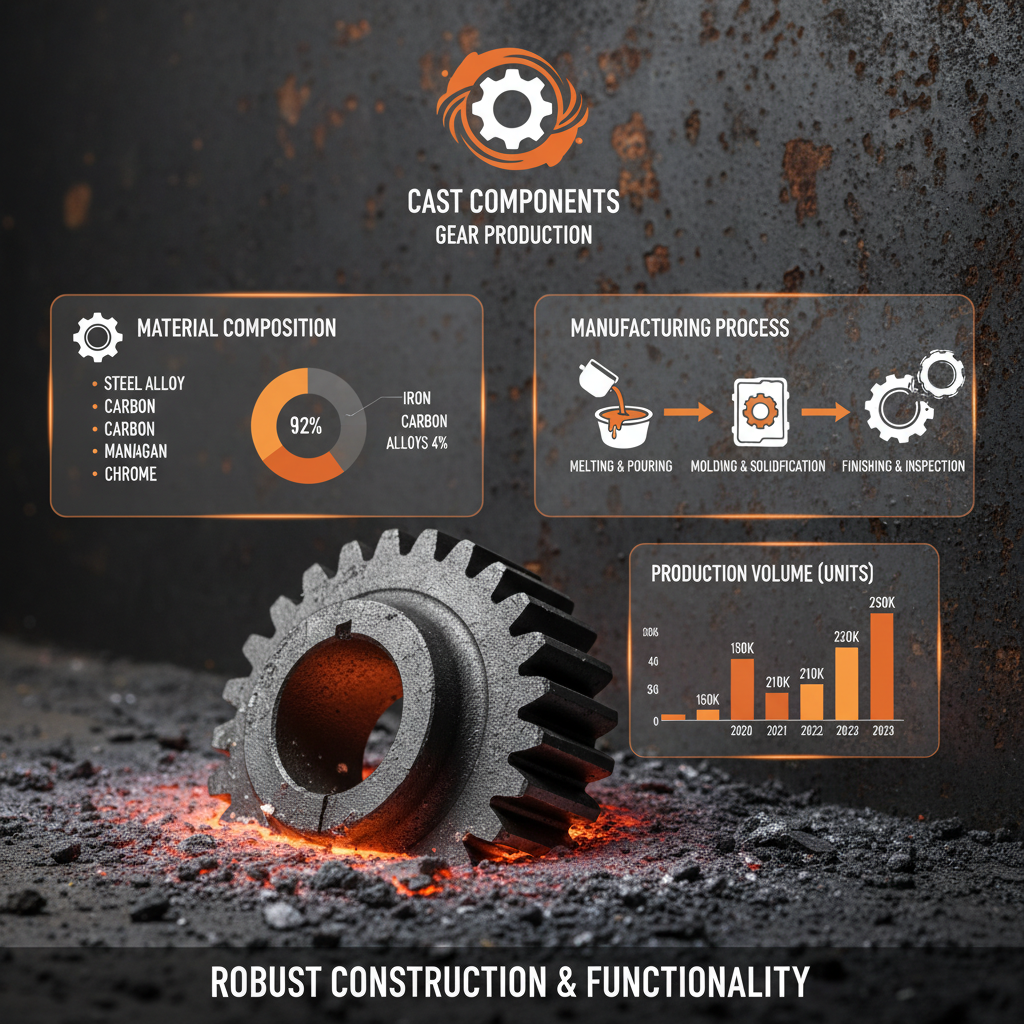
Modern gear wheel manufacturing utilizes advanced techniques to achieve high precision and efficiency. Powder metallurgy (PM) allows for complex shapes and high production volumes. Metal injection molding (MIM) is suitable for small, intricate gears. CNC machining provides excellent accuracy and surface finish. Gear grinding ensures precise tooth profiles. JS Sintering employs cutting-edge manufacturing processes to deliver superior quality gear wheels.
Conclusion: Optimizing Performance with the Right Gear Wheel
Selecting the correct gear wheel is paramount for the performance and reliability of any mechanical system. Understanding the various types, materials, manufacturing processes, and application requirements ensures optimal results. JS Sintering provides high-quality gear wheels tailored to your specific needs, offering expertise and innovative solutions. Don't compromise on the heart of your machinery - choose wisely.
Frequently Asked Questions (FAQs)
What is the difference between spur and helical gears?
Spur gears have straight teeth and operate parallel to the shaft axis, making them simple and cost-effective. However, they can be noisy at high speeds. Helical gears have angled teeth that offer smoother, quieter operation and can handle higher loads. The angled teeth create a slight axial thrust, requiring appropriate bearing design. Helical gears are generally more expensive than spur gears due to the more complex manufacturing process. Choosing between them depends on the specific application's noise, load, and speed requirements.
How does the material of a gear wheel affect its lifespan?
The material significantly impacts a gear wheel's lifespan. Harder materials like steel offer higher wear resistance and can withstand greater loads, extending the lifespan. Materials resistant to corrosion, such as stainless steel, are crucial in harsh environments. Plastic gears, while cost-effective, generally have a shorter lifespan due to their lower strength and wear resistance. Proper lubrication and operating within specified load limits also contribute to extending the gear wheel's lifespan, regardless of the material.
What are the advantages of using powder metallurgy for gear wheel production?
Powder metallurgy (PM) offers several advantages for gear wheel production. It allows for the creation of complex shapes with near-net dimensions, reducing the need for extensive machining. PM gears can be produced in high volumes at a relatively low cost. The process can also achieve good material properties, including consistent density and controlled porosity. PM is particularly suitable for gears requiring intricate designs or high production quantities.
How important is lubrication for gear wheels?
Lubrication is critically important for gear wheels. It reduces friction between teeth, minimizing wear and heat generation. Lubricant also helps to dissipate heat, preventing thermal damage. Furthermore, it protects against corrosion and helps to remove debris. Proper lubrication extends the lifespan of the gears, improves efficiency, and reduces noise. The type of lubricant should be selected based on the gear material, operating conditions, and load requirements.