




Understanding Electric Motor Gear: A Comprehensive Guide
Electric motor gears are essential components in numerous applications, translating the high-speed, low-torque output of electric motors into lower-speed, higher-torque outputs. These gears are fundamental to achieving the desired mechanical power and precision in a wide range of machinery. Selecting the right gear type is crucial for optimal performance and longevity. JSS Intering specializes in providing high-quality, custom gear solutions for electric motors. Understanding the various types, materials, and applications of electric motor gears is vital for engineers and manufacturers alike.
Types of Electric Motor Gear
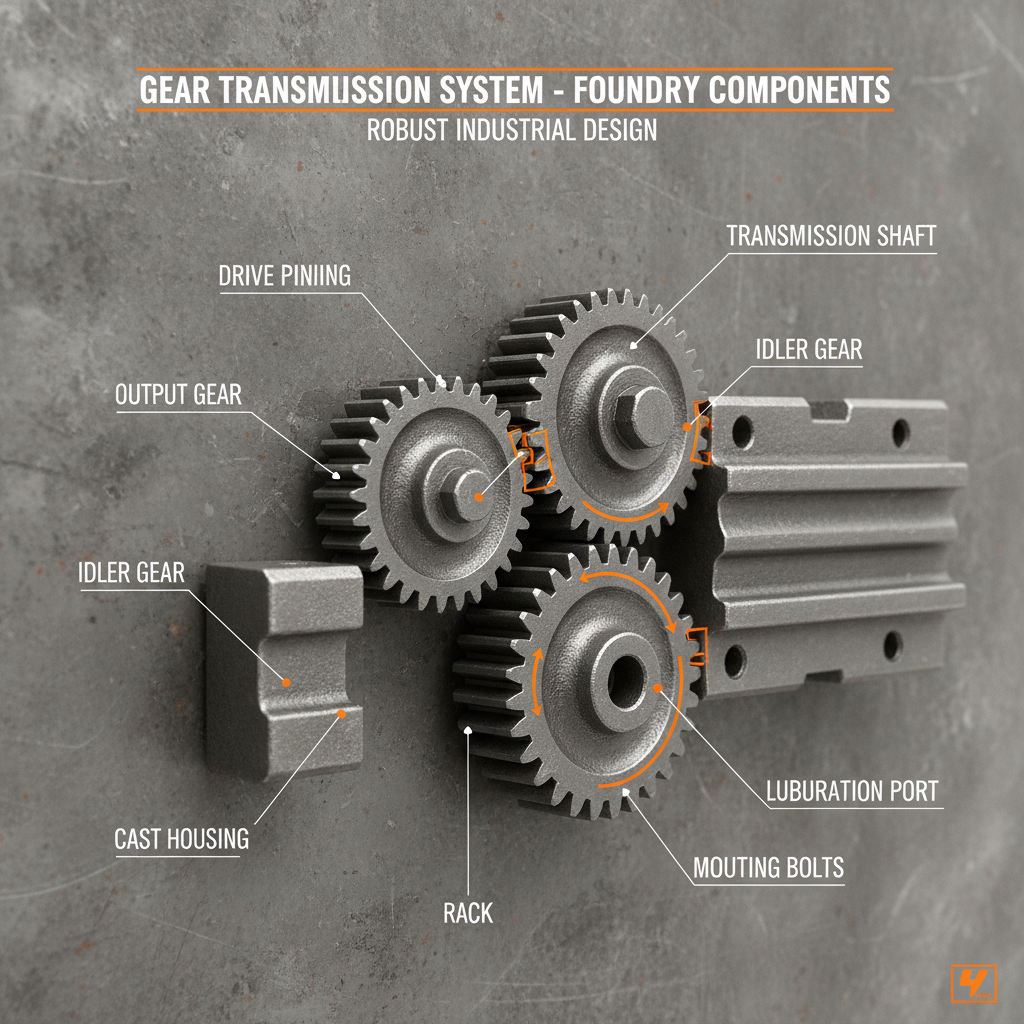
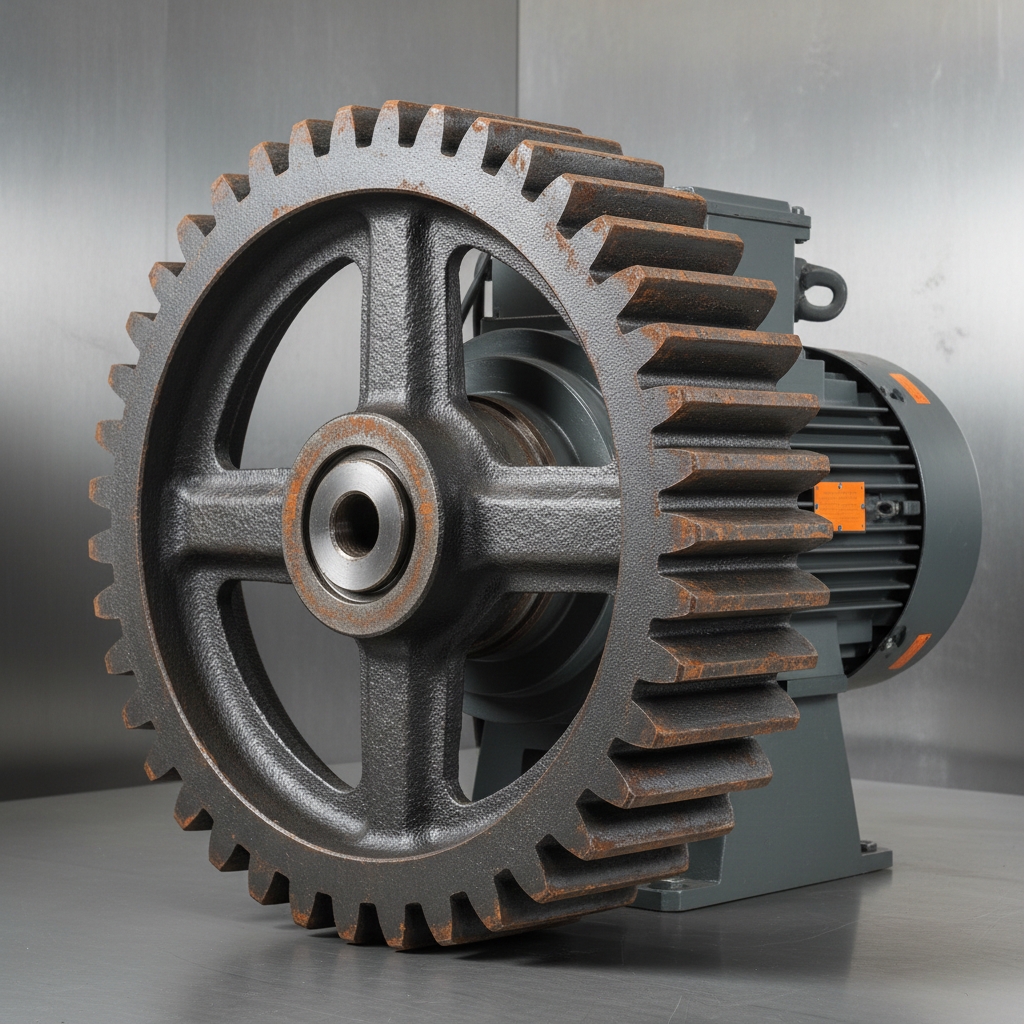
Several types of gears are commonly used with electric motors, each offering distinct advantages and disadvantages depending on the application's requirements. These include spur gears, helical gears, bevel gears, worm gears, and planetary gears. Spur gears are the simplest and most common type, known for their efficiency and affordability. Helical gears offer smoother and quieter operation due to their angled teeth, but they generate axial thrust. Bevel gears are used to transmit power between shafts that intersect at an angle. Worm gears provide high gear ratios and self-locking capabilities, while planetary gears deliver high torque density and efficiency in a compact package. The choice of gear type hinges on factors like torque requirements, speed ratios, operating noise levels, and space constraints.
Key Highlights: Understanding the nuances of each gear type allows for informed decisions when designing and implementing electric motor systems. JSS Intering can provide detailed guidance on the best gear solution for your specific needs.
Materials Used in Electric Motor Gears
The material used to manufacture an electric motor gear significantly affects its performance, durability, and cost. Common materials include steel, stainless steel, brass, bronze, and various plastics. Steel gears are known for their high strength and wear resistance. Stainless steel gears offer corrosion resistance, making them suitable for harsh environments. Brass and bronze gears provide good lubricity and are often used in low-speed applications. Plastic gears are lightweight and cost-effective but generally have lower strength and heat resistance. Selecting the appropriate material requires careful consideration of the application’s operating conditions, load requirements, and desired lifespan.
Material Selection Criteria:
• Strength and Wear Resistance
• Corrosion Resistance
• Lubricity
• Cost-Effectiveness
Electric Motor Gear Applications
Electric motor gears find applications in a vast array of industries and devices. They are critical in automotive systems, robotics, industrial machinery, power tools, and consumer electronics. For example, in automotive applications, gears are used in transmissions, differentials, and power steering systems. In robotics, they provide precise motion control for robotic arms and joints. Industrial machinery relies on gears for various functions, including conveyor systems, pumps, and compressors. The demand for efficient and reliable gear solutions continues to grow with the increasing sophistication of these applications. Choosing the right gearing solution is critical for performance, lifespan and cost.
The Importance of Precision in Electric Motor Gear Manufacturing
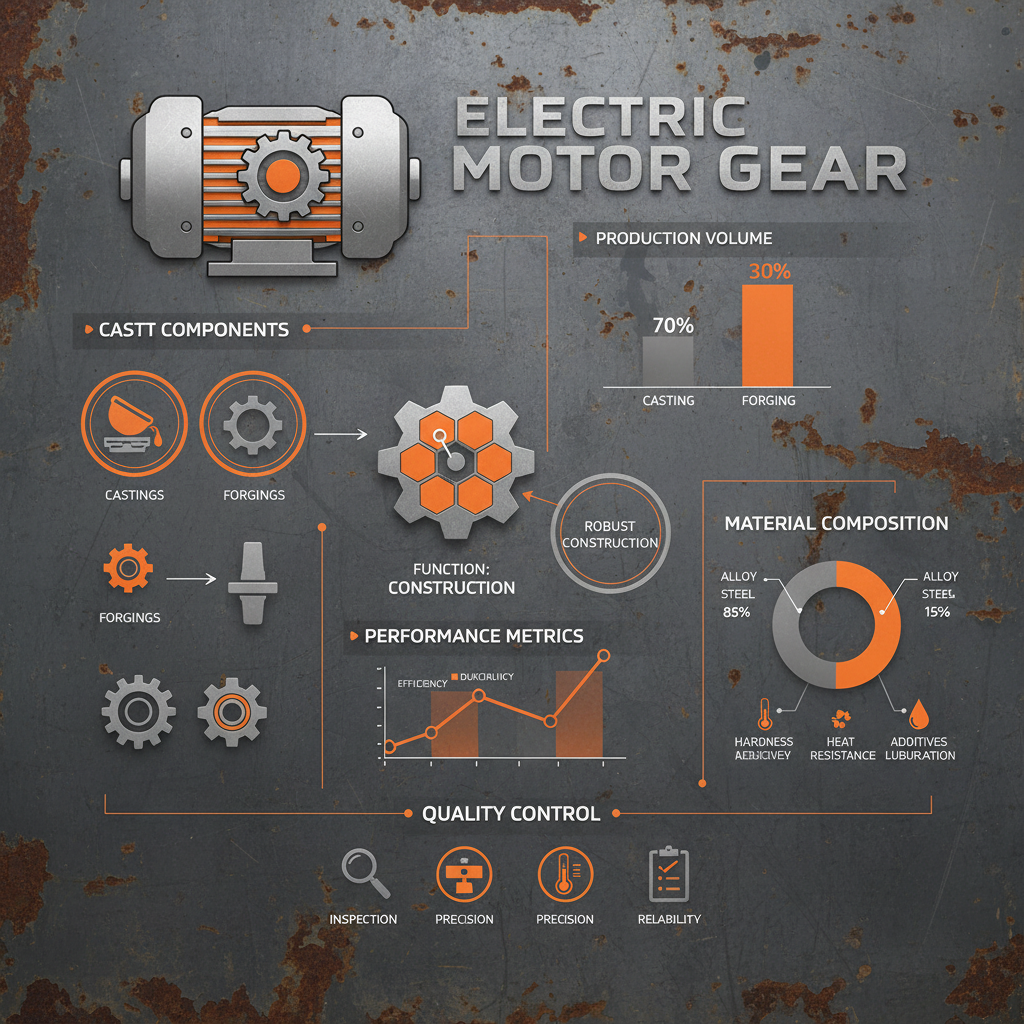
Achieving optimal performance in electric motor gear systems requires high precision in manufacturing. Precise gear tooth profiles, minimal runout, and accurate mounting are essential for smooth operation, reduced noise, and extended lifespan. Advanced manufacturing techniques, such as CNC machining and gear grinding, are employed to achieve these levels of precision. JSS Intering utilizes state-of-the-art equipment and rigorous quality control processes to ensure that every gear meets the highest standards of accuracy.
Factors to Consider When Selecting Electric Motor Gear
Selecting the right electric motor gear requires a comprehensive understanding of the application’s requirements. Key factors to consider include: Torque requirements, Speed ratio, Operating environment, Load type, and Budget constraints. Properly assessing these factors will lead to a more reliable, efficient, and cost-effective solution. Partnering with a reputable gear manufacturer can provide valuable expertise and guidance throughout the selection process.
Conclusion: Optimizing Performance with the Right Gear Choice
Choosing the right electric motor gear is crucial for optimizing performance, enhancing reliability, and reducing costs. By carefully considering the factors discussed in this guide and partnering with a trusted manufacturer like JSS Intering, you can ensure your electric motor systems operate efficiently and effectively.
Frequently Asked Questions (FAQs)
What is the best gear material for high-temperature applications?
For high-temperature applications, stainless steel or specialized alloy steels are generally the best choices. These materials maintain their strength and dimensional stability at elevated temperatures, preventing premature failure. Plastics are generally unsuitable for high-temperature environments due to their lower melting points and reduced mechanical properties. Proper lubrication is also critical in high-temperature applications to minimize friction and wear.
How does gear ratio affect motor performance?
Gear ratio dictates the relationship between the motor's input speed and the output speed and torque. A higher gear ratio results in lower output speed but higher output torque, while a lower gear ratio yields higher output speed but lower output torque. Selecting the appropriate gear ratio is crucial for matching the motor's output to the load requirements of the application.
What are the benefits of using planetary gears?
Planetary gears offer several advantages, including high torque density, high efficiency, and compact size. They can transmit high torques in a relatively small volume, making them ideal for applications with space constraints. Their balanced load distribution also contributes to their long lifespan and reliability.
How do I determine the correct gear size for my application?
Determining the correct gear size involves calculating the required torque, speed, and power transmission. You must consider the load characteristics, operating conditions, and desired lifespan. It's often helpful to consult with a gear specialist to ensure accurate sizing and optimal performance. JSS Intering provides engineering support to help customers select the appropriate gear solutions.