




- Understanding the Basics of Powder Metal Components
- Technical Advantages Over Traditional Manufacturing
- Market Leaders in Powdered Metal Component Production
- Custom Solutions for Industry-Specific Needs
- Real-World Applications Across Key Sectors
- Material Innovation in Sintered Components
- Future-Proofing with Advanced Powder Metal Components
(powder metal components)
Understanding the Basics of Powder Metal Components
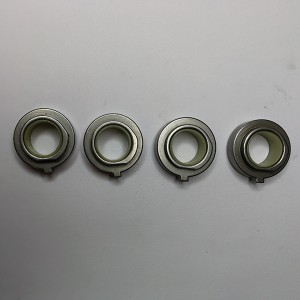
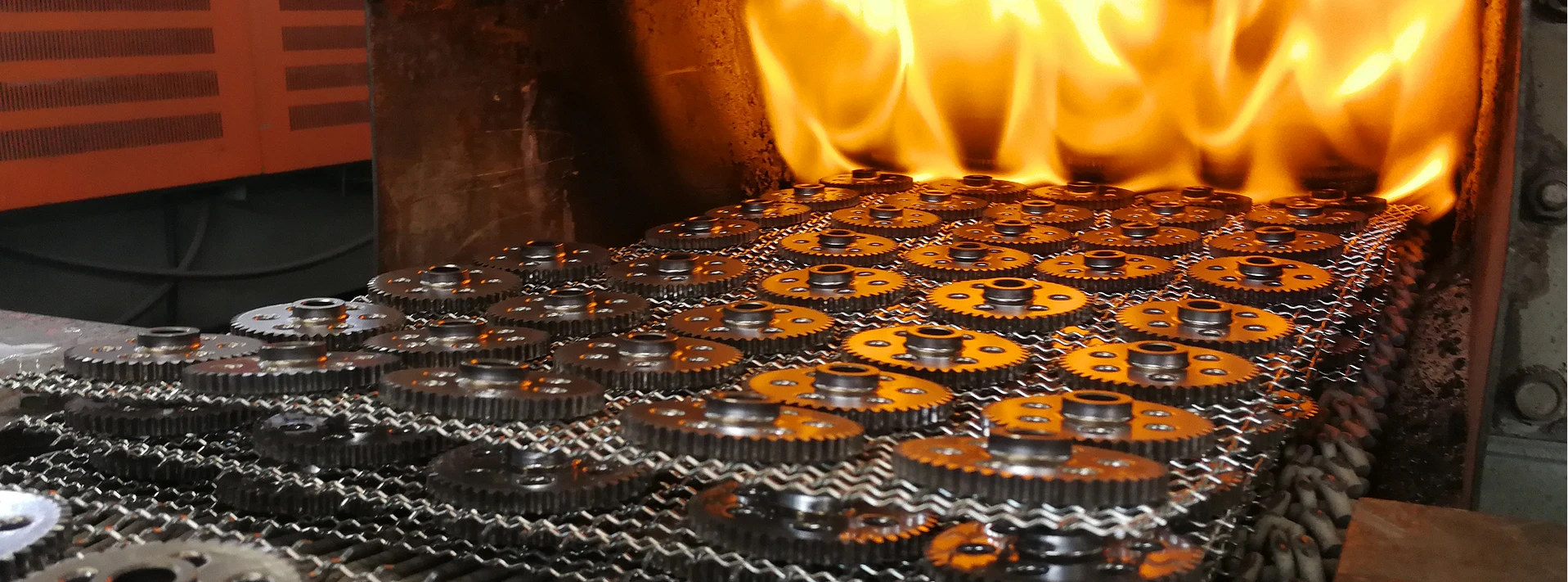
Powder metal components revolutionize manufacturing through compacting metal powders into precise shapes, achieving 97-99.5% density before sintering. This process reduces material waste by 40% compared to CNC machining, with global market growth projected at 6.8% CAGR through 2030. Automotive applications account for 72% of sintered metal component demand, driven by lightweighting requirements.
Technical Advantages Over Traditional Manufacturing
| Metric | Powder Metal | Die Casting | Machining |
|---|---|---|---|
| Material Utilization | 96-98% | 85-90% | 55-65% |
| Tolerance (mm) | ±0.025 | ±0.15 | ±0.05 |
| Production Speed (units/hr) | 1,200-2,000 | 400-600 | 50-150 |
| Surface Finish (Ra µin) | 8-12 | 25-50 | 16-32 |
Market Leaders in Powdered Metal Component Production
GKN Sinter Metals dominates 28% of the global market, specializing in complex automotive gears with 200+ annual patent filings. Japanese competitor Sumitomo Electric achieves 99.3% density in its sintered components through proprietary atmosphere control. Regional manufacturers like Indo-MIM capture niche markets with 15-20% lower pricing for medium-complexity parts.
Custom Solutions for Industry-Specific Needs
Medical device manufacturers require 316L stainless steel components with 5-10µm pores for bone ingrowth applications. The aerospace sector utilizes nickel-based superalloy turbine blades with 45% weight reduction versus forged alternatives. Custom tooling packages now enable 15-day turnaround for prototype powdered metal components versus 6-8 weeks in 2015.
Real-World Applications Across Key Sectors
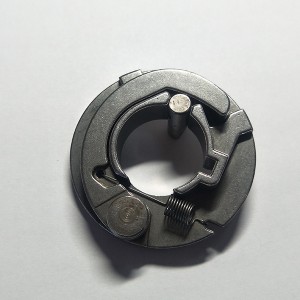
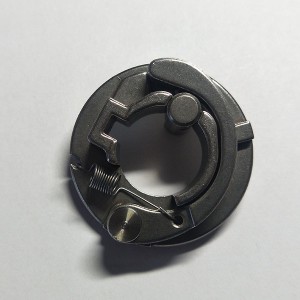
- Automotive: Planetary gear carriers achieving 63 HRC hardness post-sintering
- Industrial: Oil-impregnated bronze bearings lasting 12,000+ operating hours
- Consumer: 0.8mm-thick watch cases with ±0.01mm dimensional stability
Material Innovation in Sintered Components
Recent advances include diffusion-bonded materials achieving 1,550 MPa tensile strength and 12% elongation. Binder jetting technologies now produce 99.98% dense components for hydraulic applications. Copper-infiltrated steels demonstrate 30% higher thermal conductivity than traditional alloys, enabling new heat exchanger designs.
Future-Proofing with Advanced Powder Metal Components
The $15.2 billion powder metallurgy industry evolves through AI-driven sintering optimization, reducing energy consumption by 22% since 2020. Hybrid components combining stainless steel matrices with ceramic inserts now withstand 800°C continuous operation. As electric vehicle production escalates, sintered soft magnetic composites achieve 95% relative permeability at 1kHz frequencies.
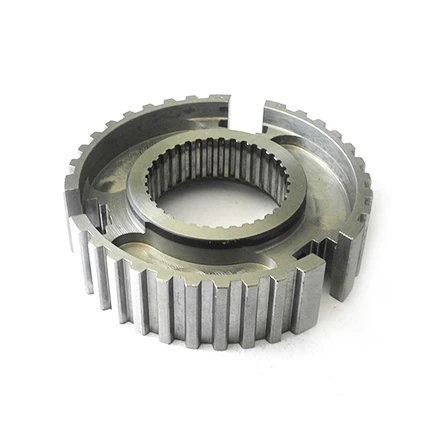
(powder metal components)
FAQS on powder metal components
Q: What are the main advantages of using powder metal components?
A: Powder metal components offer high precision, material efficiency, and complex shape capabilities. They reduce waste and machining costs while providing consistent mechanical properties through controlled sintering processes.
Q: In which industries are powdered metal components commonly applied?
A: Powdered metal components are widely used in automotive (gears, bearings), aerospace (structural parts), and industrial equipment (pumps, filters) due to their durability, lightweight nature, and cost-effectiveness.
Q: How does sintering enhance the properties of sintered metal components?
A: Sintering bonds metal particles at high temperatures, improving density, strength, and wear resistance. This process also stabilizes dimensions and enhances the component’s performance under stress.
Q: Why choose powder metal components over traditional machining methods?
A: Powder metal components minimize material waste and enable near-net-shape production, reducing post-processing. They also support unique alloys and complex geometries unachievable with conventional machining.
Q: What quality control measures ensure reliability in sintered metal components?
A: Rigorous testing, including density checks, dimensional inspections, and mechanical property evaluations (hardness, tensile strength), ensures consistency. Advanced process monitoring during sintering also guarantees compliance with industry standards.