







Gears are an essential part of many mechanical systems, used to transmit motion and force between machine components. Whether in automotive engines, industrial machines, or consumer products, the role of gears is fundamental in ensuring efficient performance. With advancements in manufacturing technologies, Powder Metallurgy Gear production has become a key player in the creation of high-performance gears. This process allows for the production of complex shapes, improved strength, and reduced costs compared to traditional gear manufacturing methods. Understanding the different types of gears and how Powder Metallurgy Gear production enhances their quality and performance is critical for industries that rely on precise mechanical components.
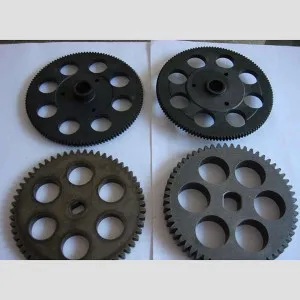
Different Types of Gears and Their Applications
There are several different types of gears that are used in various applications, each designed for specific purposes. The most common types include:
Spur Gears: These are the most straightforward and widely used gears, characterized by their teeth that are parallel to the axis of rotation. Spur gears are used in many applications, including conveyor systems, printers, and clocks, because they provide high efficiency and simple design.
Helical Gears: Unlike spur gears, helical gears have teeth that are angled. This design allows for smoother and quieter operation, making them ideal for use in automotive transmissions, elevators, and other high-speed machinery where noise reduction and smooth operation are crucial.
Bevel Gears: Bevel gears are used to transfer motion between shafts that are at an angle to each other, typically 90 degrees. These gears are commonly found in automotive differentials and machine tools.
Worm Gears: Worm gears consist of a worm (similar to a screw) that meshes with a gear called a worm wheel. This gear type is used in applications that require a large reduction ratio, such as winches, conveyors, and tuning mechanisms for musical instruments.
Rack and Pinion Gears: This type of gear is used to convert rotational motion into linear motion. Common applications of rack and pinion gears include steering mechanisms in cars and moving machinery in industrial applications.
Each of these different types of gears has unique characteristics that make them suitable for specific applications. By selecting the right gear type for the task, manufacturers can ensure optimal efficiency and performance in their machinery.
The Role of Powder Metallurgy in Gear Manufacturing
Powder Metallurgy Gear production has revolutionized the gear manufacturing process, providing numerous benefits over traditional methods. The Powder Metallurgy Gear process involves using metal powders to create gears by compacting and sintering the powder into the desired shape. This allows for the creation of gears with intricate geometries and fine details that would be difficult or expensive to achieve through conventional manufacturing techniques.
One of the primary advantages of Powder Metallurgy Gear production is the ability to create complex shapes with high precision. This method allows for the production of gears with tight tolerances, which is especially important in applications requiring high performance and durability, such as automotive transmissions and aerospace components. The Powder Metallurgy Gear process also reduces material waste, as the exact amount of material needed for the part is used, and excess material is minimized.
In addition to precision, Powder Metallurgy Gear production offers enhanced strength and wear resistance. The sintering process, which involves heating the compacted metal powder to just below its melting point, allows the particles to fuse together, creating a dense and strong gear that can withstand the stresses of high-speed applications. This makes Powder Metallurgy Gears ideal for use in industries where durability and reliability are paramount.
The ability to use a wide range of materials in the Powder Metallurgy Gear process, including steels, aluminum alloys, and even specialized composites, further enhances the versatility of this manufacturing method. This flexibility enables manufacturers to select the most suitable material for each specific application, ensuring that the gear performs optimally under the given conditions.
How Gears Manufacturers Achieve High-Quality Production Standards
The role of gears manufacturers is vital in producing high-quality gears that meet the stringent demands of various industries. Whether producing standard gears or custom designs, gears manufacturers focus on precision, durability, and cost-effectiveness throughout the manufacturing process. To achieve these high standards, manufacturers employ a variety of advanced techniques, including Powder Metallurgy Gear production, CNC machining, and heat treatment processes.
One of the key aspects of high-quality gear production is the selection of the right materials. Gears manufacturers carefully choose materials that offer the necessary strength, toughness, and wear resistance for each specific application. The choice of material also impacts the gear's performance in terms of noise reduction, efficiency, and longevity.
In addition to material selection, gears manufacturers invest heavily in advanced manufacturing equipment and processes. Automated systems and precise machining tools enable manufacturers to produce gears with high accuracy, ensuring that the final product meets the required specifications. Advanced quality control methods, including dimensional inspections and material testing, are also employed to guarantee that the gears are free from defects and meet industry standards.
Gears manufacturers also focus on continuous innovation to stay ahead of industry trends and customer needs. This includes research into new materials, coatings, and manufacturing techniques, as well as working closely with clients to develop custom gear solutions that meet unique design requirements. By combining expertise, technology, and a commitment to quality, gears manufacturers are able to provide high-performance gears for a wide range of applications.
Custom Gears Made to Meet Your Specific Requirements
Custom gears made to meet specific requirements are becoming increasingly popular in industries where off-the-shelf gears may not provide the necessary performance or fit. Many manufacturers require gears that are designed to precise specifications, whether it's for unique machinery, custom applications, or high-performance equipment. Custom gears are designed and manufactured to meet the exact needs of the customer, ensuring optimal performance in the intended application.
The process of creating custom gears made begins with a thorough understanding of the customer's requirements, including factors like size, material, tooth design, and operating conditions. Once these specifications are established, gears manufacturers use advanced manufacturing processes, including Powder Metallurgy Gear production, to create the gear. This process allows for the production of custom gears in a wide range of shapes, sizes, and materials, making it an ideal solution for industries requiring specialized components.
The benefits of custom gears made are clear. They ensure that the gear fits perfectly within the machinery, optimizing performance, reducing wear, and extending the lifespan of the equipment. Whether it's for a highly specialized machine or a unique application, custom gears made provide a level of precision and reliability that off-the-shelf gears simply cannot match.
Gear & Transmission Parts FAQs
What are the advantages of using powder metallurgy for gear production?
Powder metallurgy allows for the production of gears with complex shapes, tight tolerances, and improved strength. It reduces material waste, allows for precise control of material properties, and is cost-effective, especially for high-volume production runs.
How do different types of gears impact the performance of machinery?
Each gear type, such as spur gears, helical gears, or worm gears, is designed for specific applications based on factors like speed, torque, and the direction of motion. Choosing the right gear ensures optimal performance, efficiency, and reliability in machinery.
What materials are commonly used for manufacturing gears?
Common materials used for gear manufacturing include steels, stainless steels, aluminum alloys, and specialized composites. The choice of material depends on the application's requirements, including strength, wear resistance, and weight.
How do gears manufacturers ensure the quality of their products?
Gears manufacturers use advanced quality control techniques such as dimensional inspections, material testing, and automated machining systems. These methods ensure that the gears meet the required specifications and industry standards for performance and durability.
Can custom gears be produced to meet specific design needs?
Yes, custom gears made to order can be produced to meet the exact specifications of the customer. Whether it’s for unique machinery, specialized applications, or high-performance equipment, custom gears are designed to ensure optimal performance and fit.









