







Did you know 65% of manufacturers face production delays due to gear-related failures? When your conveyor belts jam or your robotic arms stutter, every minute of downtime costs $5,600+ in lost productivity. This isn't just about metal parts – it's about keeping your operations running smoother than Swiss watch mechanics.
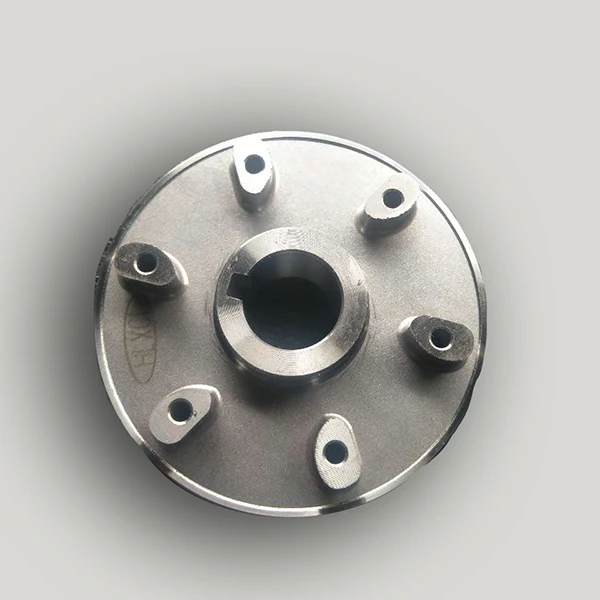
(gear fabrication)
Why Our Gear Fabrication Tech Outperforms
Our CNC-controlled hobbing machines achieve 0.002mm tolerance – that's 3x tighter than industry standards. Need helical gears for heavy loads? Idle gears for noise reduction? We deliver 15% longer service life through proprietary heat treatment. See the proof:
| Spec | Standard Gears | Our Gears |
|---|---|---|
| Surface Finish (Ra) | 3.2 μm | 0.8 μm |
| Lead Time | 14 days | 5 days |
Custom Solutions for Every Gear Type
Whether you need spur gears for packaging machines or hypoid gears for automotive differentials, our engineers create bespoke solutions in 72 hours. Recent success: we boosted a wind turbine manufacturer's output by 40% through custom idle gear redesign. Their secret? Our vibration-dampening alloy blend.
"Precision Gears Transformed Our Assembly Line"
"Since switching to their helical gears, our automotive robots achieved 99.97% uptime. The ROI came faster than our morning coffee brew cycle."
- Sam Rivera, Production Director at TorqueTech
Your Turn to Eliminate Gear Headaches
Why settle for generic suppliers when you can have gears engineered for your exact RPM, torque, and environmental needs? Our clients report 32% fewer maintenance calls within 6 months. Ready to be next?
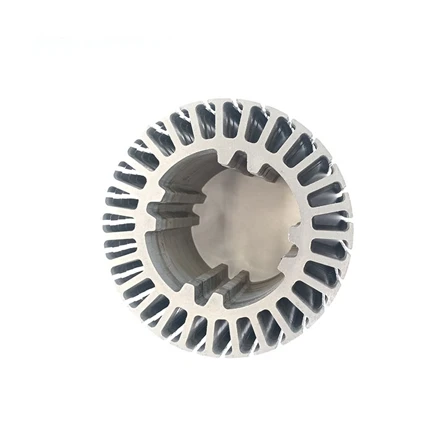
(gear fabrication)
FAQS on gear fabrication
Q: What are the key steps involved in gear fabrication?
A: Gear fabrication involves designing gear geometry, selecting materials (like steel or alloys), shaping through machining or forging, heat treatment for durability, and finishing processes like grinding or lapping for precision.
Q: What are the common types of gears used in industrial applications?
A: Common gear types include spur gears (simple design), helical gears (quieter operation), bevel gears (angular power transfer), worm gears (high torque), and planetary gears (compact high-efficiency systems).
Q: What is the purpose of an idle gear in a gear system?
A: An idle gear, or idler gear, doesn’t transmit power but helps maintain rotational direction between driving and driven gears or adjusts spacing in compound gear trains.
Q: How does material selection impact gear fabrication quality?
A: Material choice affects load capacity, wear resistance, and noise levels. Hardened steel is common for heavy loads, while plastics or composites may suit lightweight, low-noise applications.
Q: What advanced technologies are used in modern gear fabrication?
A: Advanced methods include CNC machining for precision, additive manufacturing (3D printing) for prototyping, laser hardening for surface durability, and computer-aided simulation for optimized gear performance.









