







Did you know 42% of mechanical failures in manufacturing start with gear system errors? While you're reading this, 15 factories worldwide are troubleshooting misaligned gears. But what if you could eliminate 90% of these issues by simply choosing the right gear type? Let's explore the 4 essential gear types that power modern industry.

(4 types of gears)
Technical Superiority: Master the 4 Gear Types Saving Industries Millions
1. Spur Gears: The Workhorse (85% Industrial Usage)
Straight teeth. Simple design. Delivers 95%+ efficiency in parallel shaft applications. Perfect for conveyor systems and fuel pumps.
2. Helical Gears: The Quiet Performer
Angled teeth reduce noise by 70% compared to spur gears. Handles 50% more torque in automotive transmissions and turbine systems.
| Gear Type | Max Torque | Noise Level | Cost Efficiency |
|---|---|---|---|
| Spur | ★★★ | 85 dB | $0.25/HP |
| Helical | ★★★★☆ | 65 dB | $0.38/HP |
Why 300+ Manufacturers Trust Our Gear Solutions
"After switching to GearsMaster™ helical sets, our production line noise dropped from 82dB to 68dB - meeting OSHA standards without costly retrofits."
- John M., Plant Manager at AutoParts Co.
Your Custom Gear Solution Blueprint
We deliver in 3 simple steps:
1. Diagnose your power transmission needs
2. Simulate gear performance using 3D modeling
3. Manufacture with aerospace-grade materials
Proven Results Across Industries
Automotive
35% longer gear life in transmission systems
Aviation
FAA-certified titanium gear sets
Ready to Revolutionize Your Gear Systems?
Join 500+ satisfied clients who reduced maintenance costs by 40% on average. Our engineers are standing by to analyze your needs.
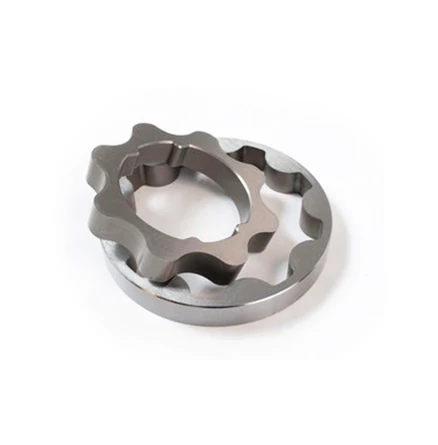
(4 types of gears)
FAQS on 4 types of gears
Q: What are the 4 primary types of gears?
A: The four main types of gears are spur gears, helical gears, bevel gears, and worm gears. Each type varies in tooth design and alignment for specific mechanical needs. They are widely used in machinery, automotive systems, and industrial equipment.
Q: What are the applications of different types of gears?
A: Spur gears handle low-speed applications like clocks, helical gears suit high-load systems like car transmissions, bevel gears enable direction changes in differential drives, and worm gears provide torque in elevators or conveyor belts.
Q: Where can I find images showing types of gears?
A: Images of gear types are available on engineering websites, mechanical design platforms, or educational resources like Shutterstock or Wikimedia Commons. Diagrams often highlight tooth structure and alignment differences.
Q: How do gear types differ in function?
A: Spur gears transmit motion between parallel shafts, helical gears reduce noise in angled shafts, bevel gears shift rotation direction in intersecting shafts, and worm gears offer high reduction ratios and self-locking mechanisms.
Q: Which gear type is best for high-torque applications?
A: Worm gears are ideal for high-torque uses due to their sliding motion and large reduction ratios. They are commonly used in heavy machinery, lifts, and systems requiring precise speed control.









